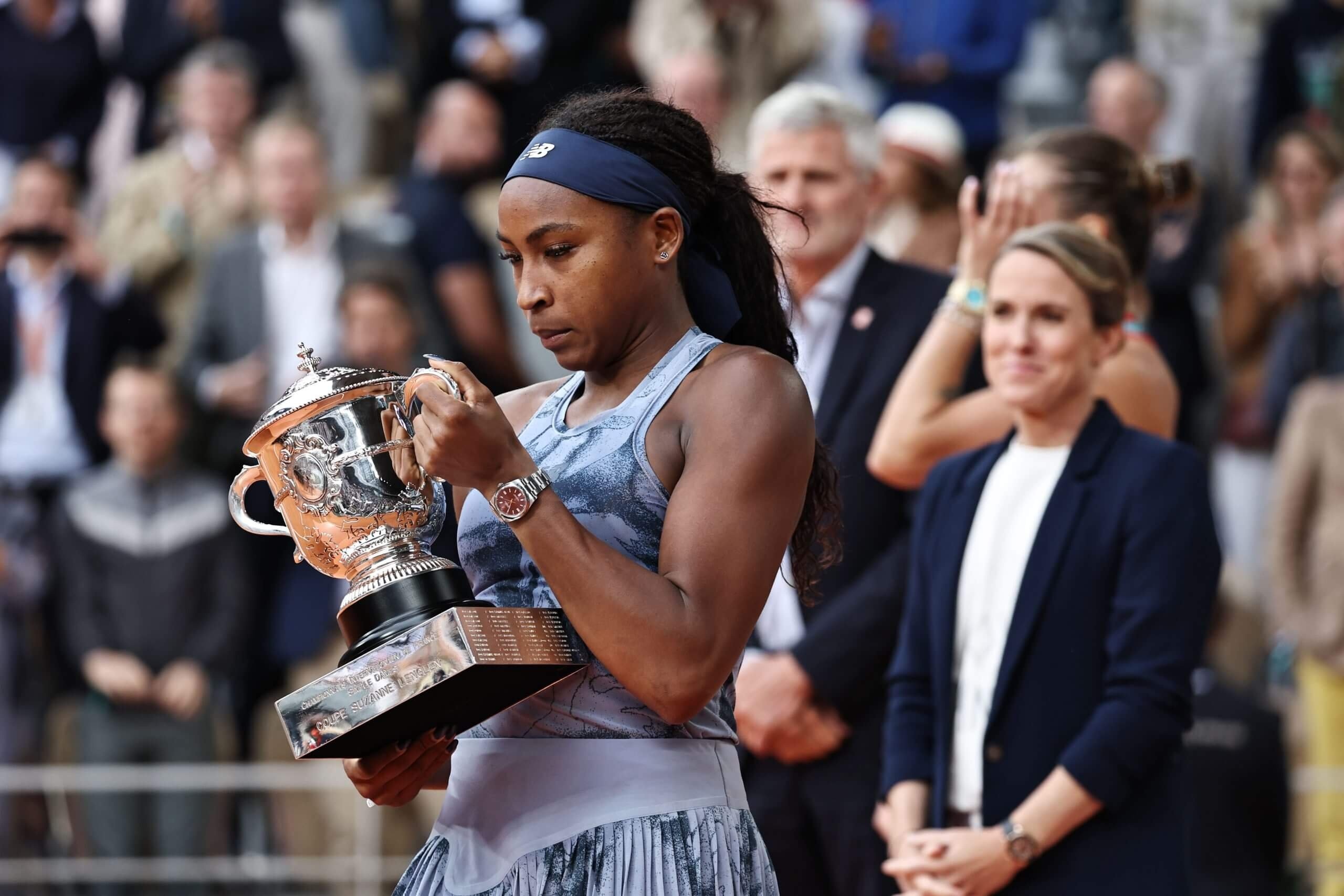
Top ATP and WTA Stars Decry French Open Prize Money Rise
The French Open is set to begin on May 24, 2026, marking the second Grand Slam of the 2026 calendar.
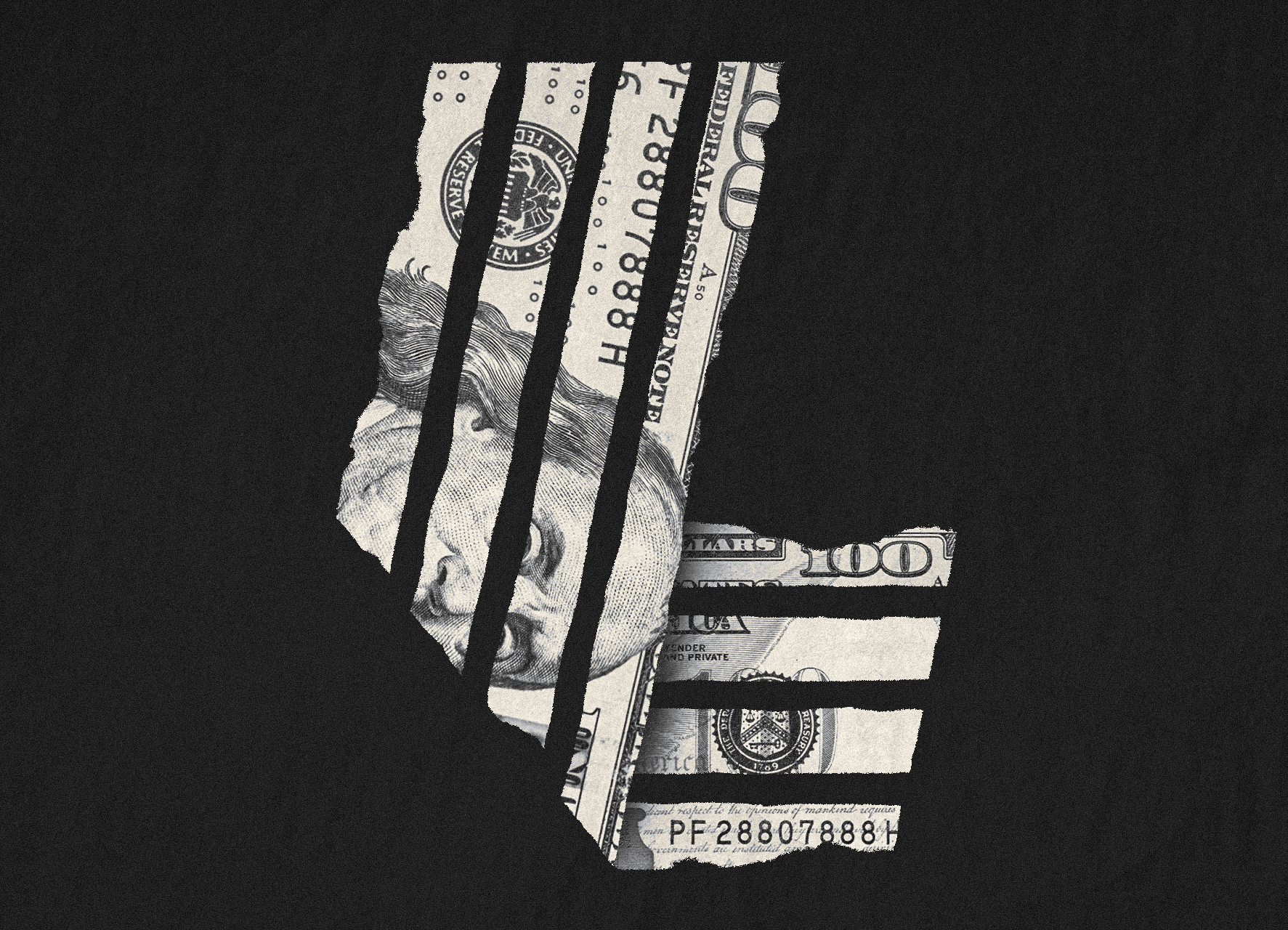
Organizers have announced a 9.5 percent increase in total prize money, raising the pool to €61.7 million (approximately $72.3 million).
A coalition of top‑10 ATP and WTA players has issued a statement describing the increase as a “collective disappointment.”
The group argues that the prize pool represents only 15 percent of the tournament’s projected revenue, a share they consider insufficient.
By contrast, joint ATP and WTA events allocate roughly 22 percent of revenue to the players.
Major U.S. team leagues such as the NFL, NBA and MLB typically distribute close to 50 percent of league revenues to athletes.
The Women's National Basketball Association recently secured nearly 20 percent of league revenue after a 17‑month negotiation stand‑off.
The players’ statement emphasizes that as Roland Garros pursues record revenues, the players’ share is declining.
Twenty signatories of an initial March 2025 letter to the four majors include Aryna Sabalenka, Jannik Sinner, Carlos Alcaraz and Coco Gauff.
The communiqué criticises the Grand Slams for resisting governance reforms that other international sports are adopting.
It also highlights a perceived lack of player consultation and insufficient investment in player welfare.
The French Tennis Federation has not responded to requests for comment on the players’ concerns.
Earlier this year, the Australian Open announced a 16 percent prize‑money increase to $75 million.
The U.S. Open followed with a 21 percent rise, setting a record prize pool of $85 million.
Wimbledon’s 2025 prize money reached $72.6 million, up 7 percent from the previous year.
All four majors still allocate less than 22 percent of their revenues to players, the target set by the players’ group for 2030.
Additional demands include the creation of a Grand Slam Player Council and financial contributions to player benefits.
The players’ coalition sent two rounds of letters to the Grand Slams, the first in March 2025 and a follow‑up in July.
Meetings have been held with tournament organizers, yet no substantive breakthroughs have been reported.
The French Open’s prize‑money increase is weighted toward early‑round participants.
Qualifying rounds will see a nearly 13 percent rise compared with 2025 figures.
Main‑draw prize money growth is concentrated in the first three rounds.
First‑round losers will receive just under $102,000 each.
The champions of the men’s and women’s singles events will each earn just under $3.3 million.
The following table summarises the key prize‑money figures for the 2026 French Open:
| Round | Prize Money (USD) | Increase vs 2025 |
|---|---|---|
| Qualifying – Round 1 | $30,000 | ~13 % |
| Main Draw – First Round | $102,000 | ~9 % |
| Quarterfinals | $600,000 | ~8 % |
| Finals Champion | $3,300,000 | ~9 % |
The Professional Tennis Players Association (PTPA) has also highlighted revenue‑sharing as a core issue.
Last year the PTPA filed an antitrust lawsuit accusing the ATP and WTA Tours of operating as a “cartel.”
The complaint named the Grand Slams as “co‑conspirators” in the alleged anti‑competitive practices.
In December, Australian Open organizers settled with the PTPA, breaking rank with the other three majors.
On the same day, the French Open, Wimbledon and U.S. Open jointly moved to dismiss the lawsuit.
The settlement at Melbourne Park has intensified pressure on the remaining Grand Slams to address the players’ demands.
Historically, Grand Slam prize pools have grown in line with inflation and revenue expansion.
However, the proportion of revenue allocated to players has remained relatively static.
Players such as Carlos Alcaraz, the 2022 French Open champion, have publicly advocated for a larger share of tournament earnings.
Alcaraz’s 2023 season earnings exceeded $20 million, yet he emphasised the need for systemic revenue‑sharing reforms.
Aryna Sabalenka, a consistent top‑5 WTA player, has similarly called for a Grand Slam Player Council to give athletes a voice.
Sabalenka’s 2023 prize‑money haul of $5.1 million underscores the financial stakes for elite competitors.
Jannik Sinner, the 2023 French Open runner‑up, highlighted that early‑round earnings are crucial for lower‑ranked players.
Sinner’s 2024 season saw him earn $4.2 million, but he noted that many players outside the top 20 rely on qualifying‑round payouts.
Coco Gauff, a rising star on the WTA tour, has joined the coalition to push for a 22 percent revenue share by 2030.
Gauff’s 2024 earnings, including endorsements, approached $8 million, reflecting the growing commercial value of top players.
The players’ collective stance aligns with broader trends in professional sport toward higher athlete revenue shares.
In the NFL, the collective bargaining agreement guarantees players roughly 48 percent of league revenue.
Similarly, NBA players receive about 50 percent, while MLB’s revenue‑sharing model approaches the same range.
These benchmarks are frequently cited by tennis players when arguing for parity.
The French Open’s projected revenue for 2026 is estimated at €410 million, based on ticket sales, broadcasting rights and sponsorships.
At a 15 percent payout, the €61.7 million prize pool translates to a revenue‑to‑prize ratio of roughly 6.6 to 1.
By contrast, a 22 percent payout would require a prize pool of approximately €90 million.
Achieving that level would likely necessitate a substantial increase in the tournament’s overall revenue.
The French Tennis Federation has indicated plans to expand Roland Garros’ capacity and digital offerings.
Such initiatives aim to generate higher ancillary income, which could support larger prize pools.
Nevertheless, the players maintain that without a formal revenue‑sharing framework, increases will remain modest.
The Grand Slam Player Council proposal envisions a body with representation from both the ATP and WTA.
Its mandate would include negotiating prize‑money structures, player welfare programs and tournament scheduling.
Stakeholders argue that a council could streamline dialogue between players and organizers.
Critics caution that adding another governance layer might complicate existing tour structures.
Despite these debates, the players’ coalition remains unified in its demand for a revenue share comparable to other major sports.
The upcoming French Open will serve as a litmus test for whether the Grand Slams will adjust their financial models.
Media coverage of the prize‑money dispute is expected to intensify as the tournament approaches.
Fans and sponsors are also watching the negotiations, given the potential impact on player participation and public perception.
Should the Grand Slams meet the 22 percent target by 2030, the financial landscape of professional tennis could shift dramatically.
Such a shift would likely enhance player earnings across all ranking levels, not just the elite.