2026 NBA Awards Finalists: Shai Gilgeous‑Alexander Leads MVP Race with Victor Wembanyama and Nikola Jokić
The NBA announced the finalists for its 2026 regular‑season awards during the NBC broadcast of the Detroit Pistons‑Orlando Magic first‑round playoff game, splitting the reveals between the pre‑game show and the halftime break.
All three marquee categories—Most Valuable Player, Rookie of the Year and Coach of the Year—were saved for the halftime segment, adding drama to a night already charged with playoff intensity.
Below is a comprehensive look at each finalist, the statistical context that earned them a spot, and what their nominations mean for the league heading into the postseason.
Clutch Player of the Year
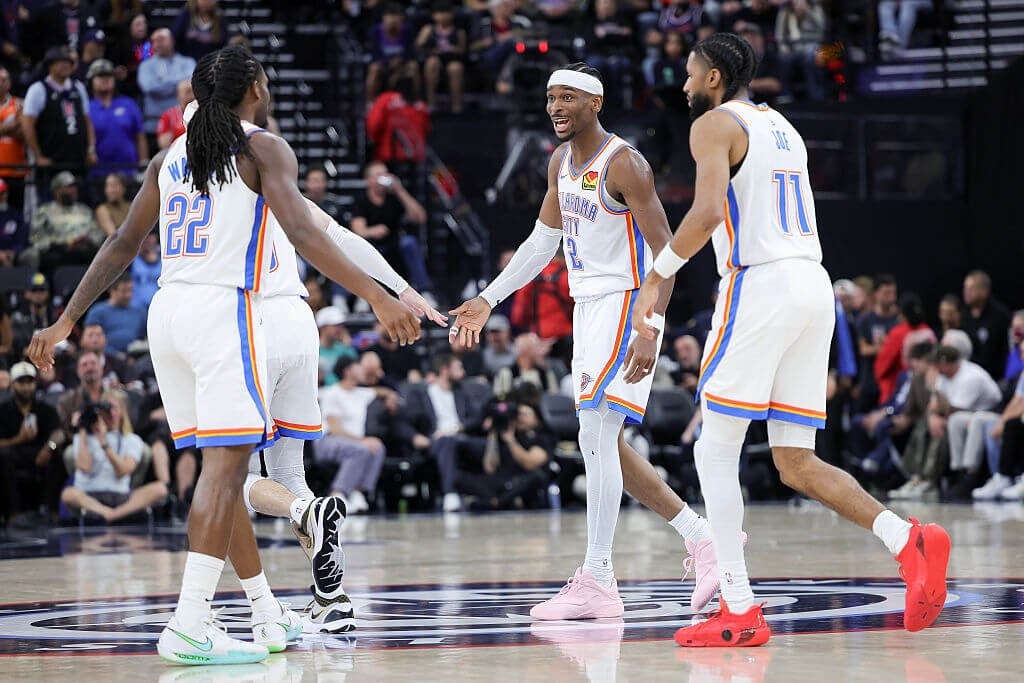
Shai Gilgeous‑Alexander (OKC) tops the clutch‑time scoring chart with 175 points, recorded in the final five minutes of games when the margin is five points or fewer.
His total is nine points ahead of the next‑closest contender, Jamal Murray of Denver, who amassed 166 clutch points while shooting 52.2 % from the field and 44.1 % from three‑point range.
| Player | Clutch Points | Clutch FG% |
|---|---|---|
| Shai Gilgeous‑Alexander | 175 | — |
| Jamal Murray | 166 | 52.2 % |
The Thunder compiled a 20‑7 record in clutch situations when SGA was on the floor, posting a plus‑minus of +93 in those moments, according to NBA.com.
Anthony Edwards (Minnesota) rounds out the clutch nominees, finishing sixth with 135 points on an efficient 56.5 % shooting, despite his recent appeal against the league’s 65‑game rule being denied.
Edwards qualifies because the Clutch Player and Rookie of the Year awards are exempt from the 65‑game minimum, a nuance that underscores the league’s flexible criteria for certain honors.
Defensive Player of the Year
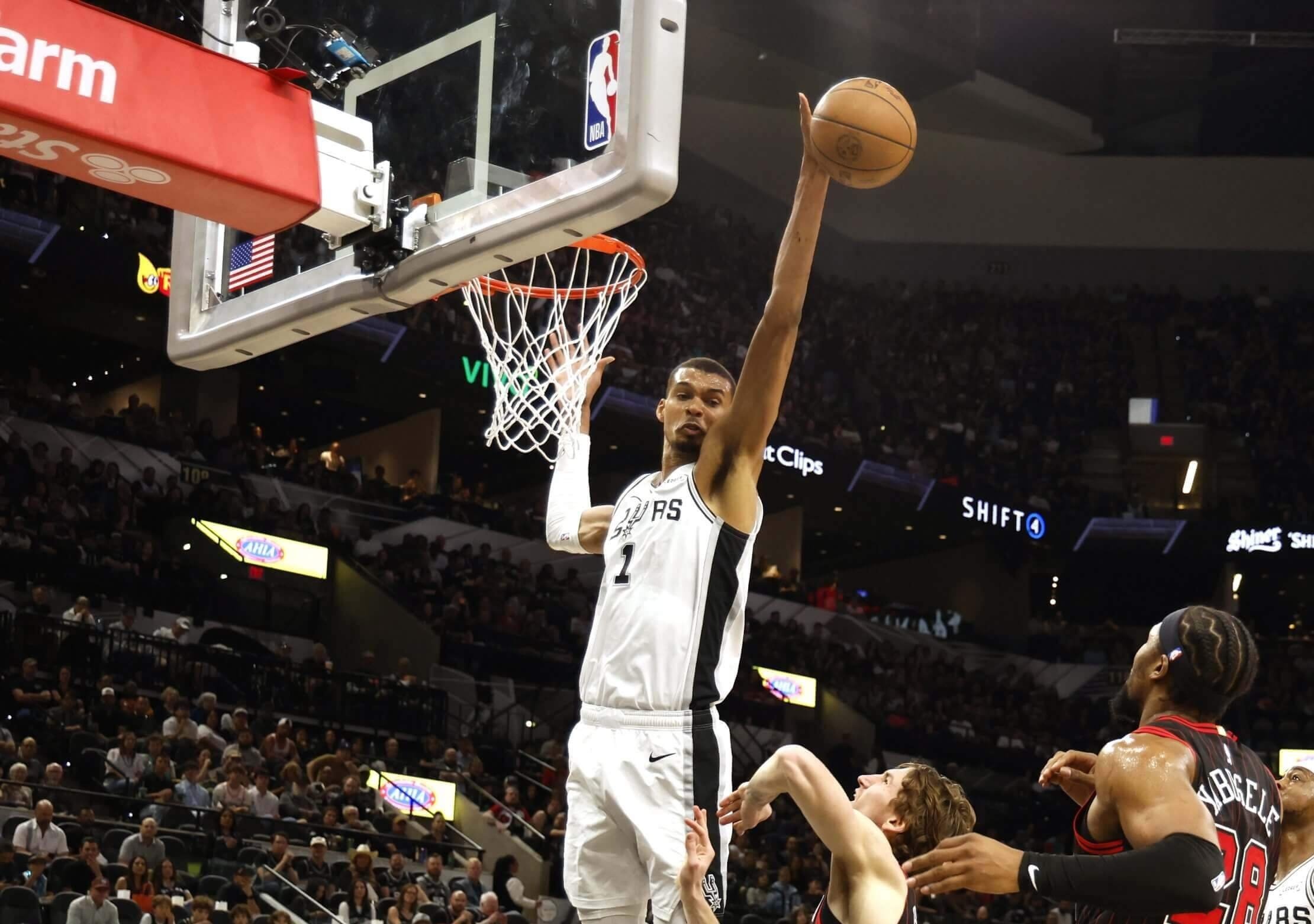
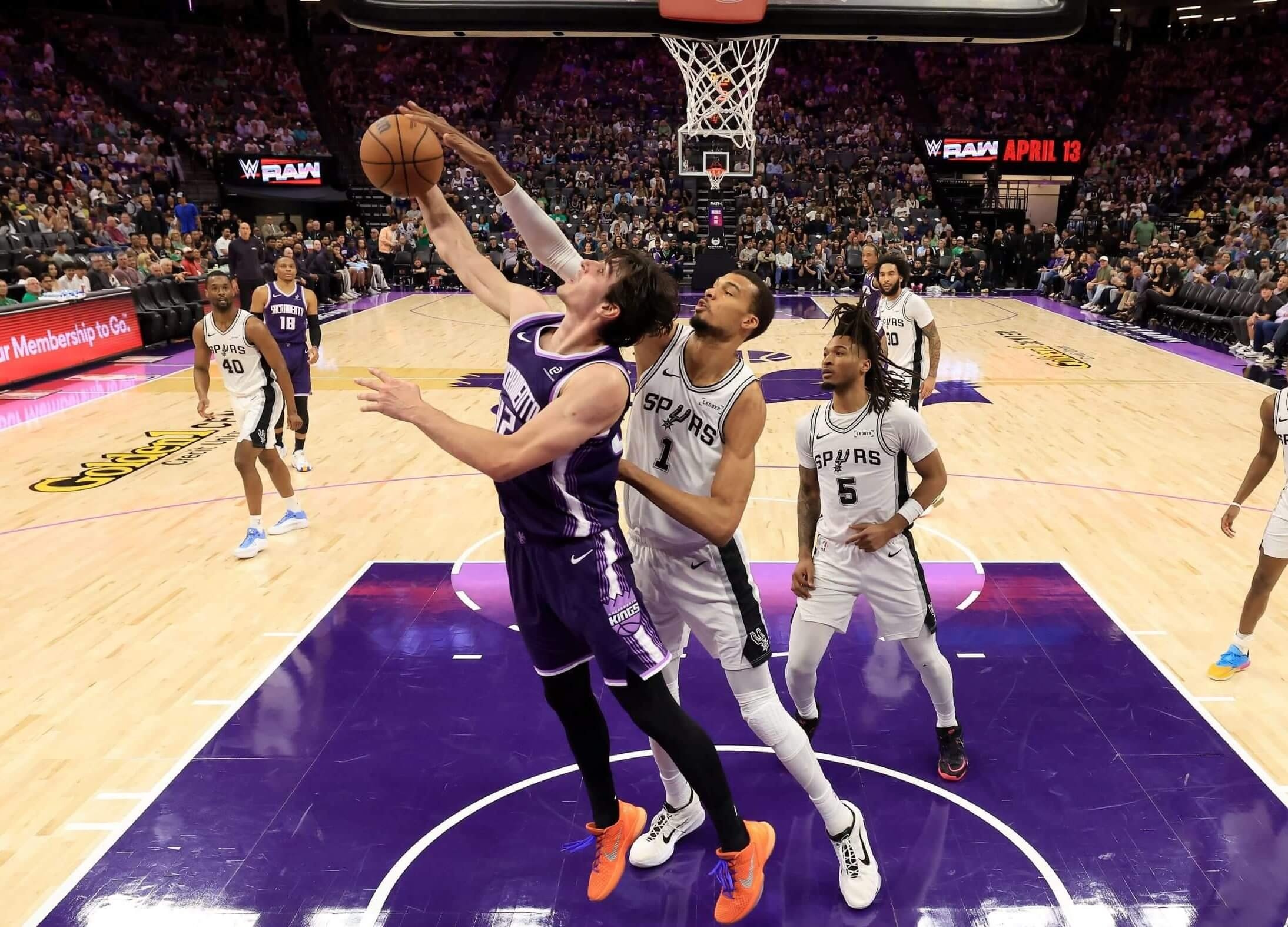
Victor Wembanyama (San Antonio) leads the league in blocked shots for the third consecutive season, a feat that has propelled the Spurs to the third‑best defensive rating in the NBA.
His presence on the court shifted San Antonio’s defensive efficiency by more than ten points, a statistical swing that highlights his impact beyond raw block totals.
| Player | Blocks per Game | Defensive Rating Impact |
|---|---|---|
| Victor Wembanyama | — | +10 pts |
| Ausar Thompson | — | — |
Ausar Thompson (Detroit) leads all players in steals per game with 2.0, becoming only the second Pistons player ever—joining M.L. Carr (1978‑79)—to top the NBA in that category.
Chet Holmgren (OKC) anchors the Thunder’s defense, which finished first in defensive rating for the second straight year; the team improves by 5.6 points when he is on the floor.
These three finalists represent a blend of rim protection, perimeter disruption, and versatile defensive schemes that have shaped the strategic identities of their respective franchises.
Most Improved Player
Deni Avdija (Portland) posted career highs of 24.2 points and 6.7 assists per game, earning an All‑Star selection and surpassing his previous production by a wide margin.
He recorded three triple‑doubles this season, more than the total he amassed in his first 359 NBA games combined (two), illustrating a rapid evolution in his playmaking and scoring.
Jalen Duren (Detroit) was instrumental in the Pistons clinching the Eastern Conference’s No. 1 seed, the franchise’s first top seed since the 2006‑07 campaign.
His interior presence paired with Cade Cunningham created Detroit’s first All‑Star backcourt duo in nearly two decades, a pairing that has revitalized the Pistons’ identity.
Nickeil Alexander‑Walker (Atlanta) blossomed after a summer sign‑and‑trade, delivering a career‑high 20.8 points per game and tallying ten 30‑point outings—double his total from his first six NBA seasons.
His surge underscores how a change of scenery and expanded role can unlock a player’s offensive ceiling.
Sixth Man of the Year
Keldon Johnson (San Antonio) did not start a single game yet appeared in all 82 contests, contributing 1,081 points—the second‑most among all reserves.
His durability and scoring off the bench were key factors in the Spurs’ 62‑win season, the most victories the franchise has recorded in a decade.
Jaime Jaquez Jr. (Miami) helped the Heat set the league’s fastest pace, averaging career‑best figures of 15.4 points, 5.0 rebounds and 4.7 assists while shooting an efficient 50.7 % from the field.
Miami posted a 13‑5 record when Jaquez dished at least seven assists, highlighting his role as a catalyst in the team’s transition‑heavy offense.
Tim Hardaway Jr. (Denver) logged a career‑best three‑point percentage of 40.7 % and was a decisive factor in Denver’s 12‑5 record in games where he scored 20 or more points.
These bench contributors illustrate the growing importance of depth in an era where rotations frequently extend to the fifth man.
Most Valuable Player
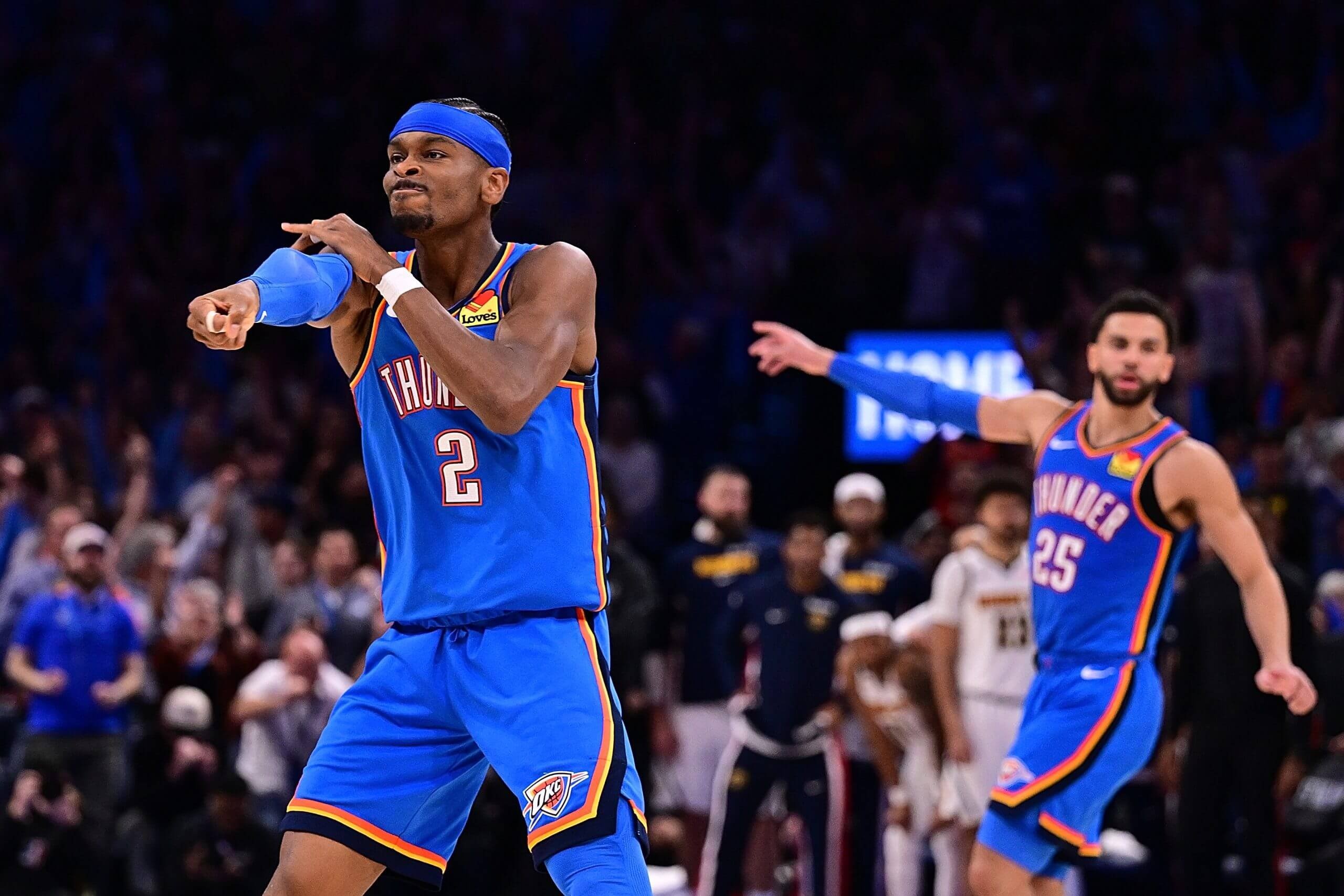
Shai Gilgeous‑Alexander (OKC) is in contention to become the first guard since Stephen Curry (2015‑16) to win back‑to‑back MVP awards, having averaged 30 points per game for the fourth time in his career.
He joins an exclusive list of guards—Michael Jordan, Allen Iverson, Jerry West and Oscar Robertson—who have achieved the 30‑point‑per‑game mark in four separate seasons.
Nikola Jokić (Denver) seeks his fourth MVP trophy, a milestone that would place him alongside Michael Jordan, LeBron James, Bill Russell, Wilt Chamberlain and Kareem Abdul‑Jabbar as a four‑time winner.
Jokić again averaged a triple‑double for a full season, replicating a feat previously achieved only by Oscar Robertson and Russell Westbrook, underscoring his all‑court dominance.
Victor Wembanyama (San Antonio) rounds out the MVP trio, with the Spurs posting 62 regular‑season wins—the most in ten years—and positioning him as a potential Hall of Famer alongside franchise legends Tim Duncan and David Robinson.
The three finalists represent contrasting paths to MVP candidacy: scoring brilliance, all‑around statistical mastery, and transformative defensive impact.
Coach of the Year
J.B. Bickerstaff (Detroit) guided the Pistons to 60 wins, the third‑most in franchise history, and secured the Eastern Conference’s top seed, reviving a team that has not reached the NBA Finals since 2004.
His emphasis on defensive rigor and balanced scoring has turned Detroit into a legitimate championship contender.
Mitch Johnson (San Antonio) earned his nomination by leading the Spurs back to the playoffs for the first time since 2019, a resurgence heavily linked to Victor Wembanyama’s presence.
Even when Wembanyama missed games, the Spurs maintained a 12‑6 record, demonstrating Johnson’s ability to adapt his system beyond a single star.
Joe Mazzulla (Boston) steered the Celtics to the East’s No. 2 seed despite missing Jayson Tatum for much of the season, showcasing depth and resilience in a traditionally star‑centric franchise.
Boston’s continued pursuit of a third title in four years adds weight to Mazzulla’s candidacy.
Rookie of the Year
Cooper Flagg (Dallas) became only the second rookie since 1973‑74 to lead his team in points, rebounds, assists and steals, matching Michael Jordan’s rare statistical sweep.
Although the Mavericks posted their worst record in nearly a decade, Flagg’s all‑around contributions position him as the league’s most promising young talent.
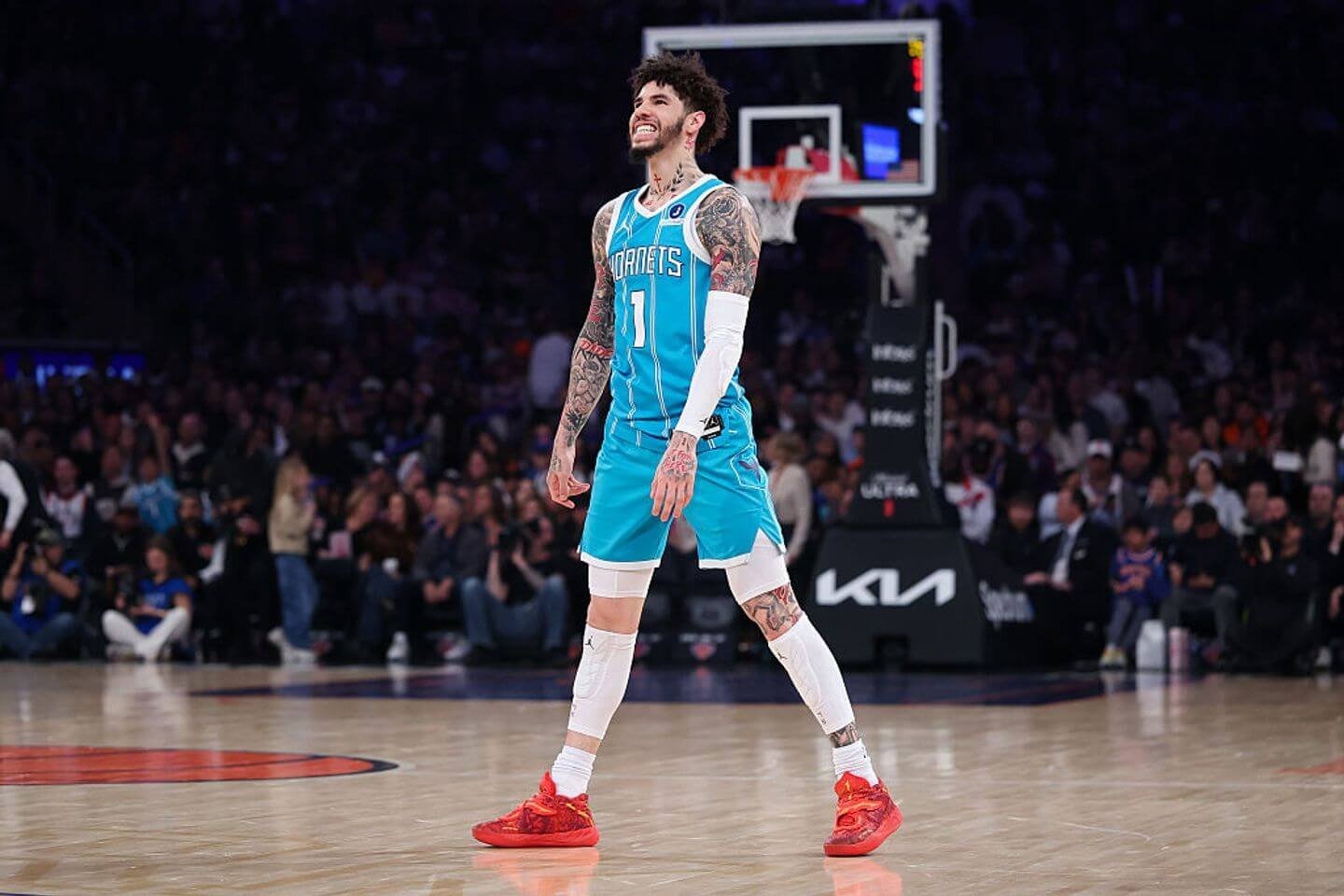
Kon Knueppel (Charlotte) set a league record by hitting 273 three‑pointers, the most by any rookie in NBA history, fueling the Hornets’ surprise run to the Play‑In Tournament.
His long‑range accuracy provided Charlotte with a new offensive dimension and a template for future roster construction.
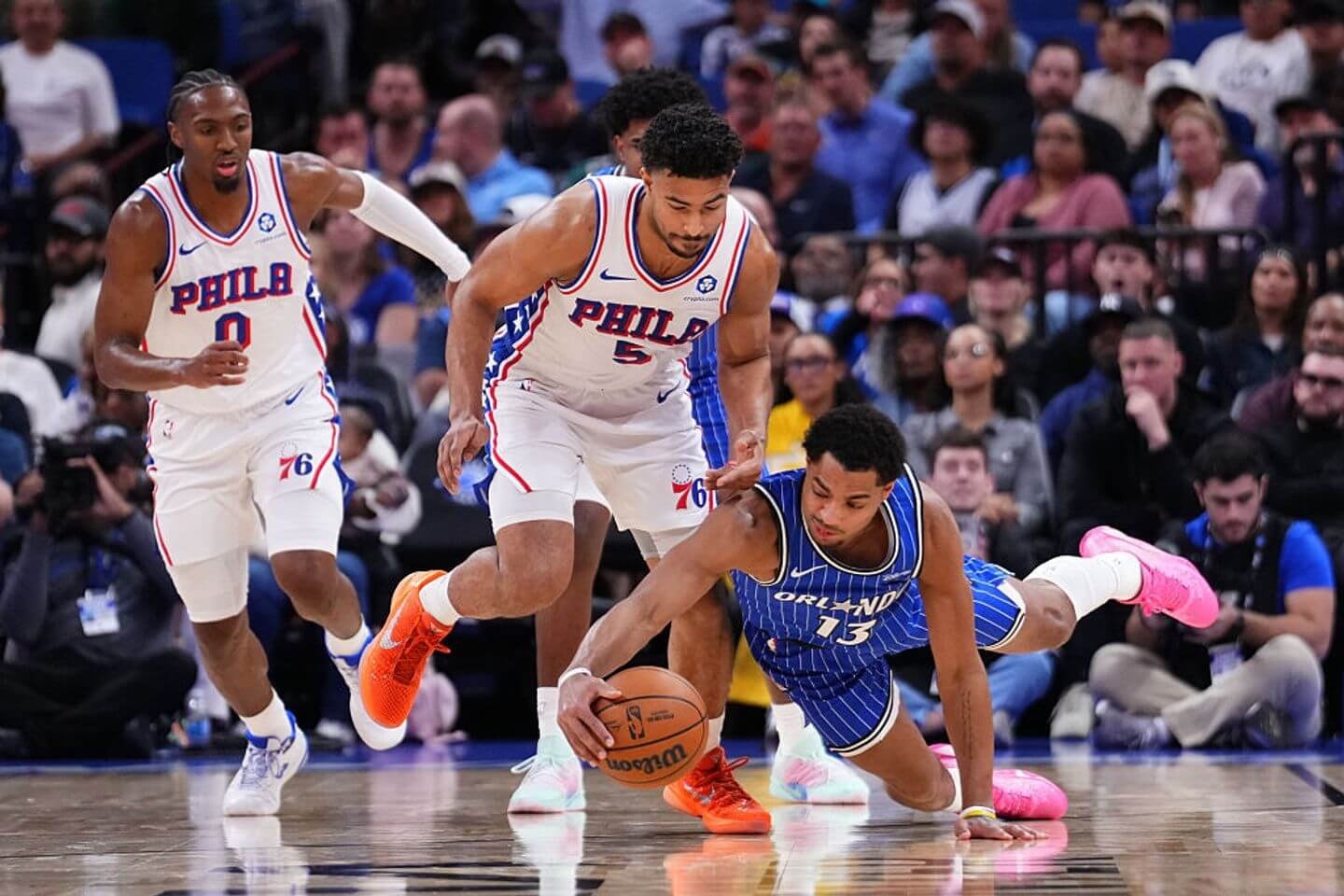
V.J. Edgecombe (Philadelphia) proved vital to the 76ers’ playoff push, delivering consistent production despite the absence of Joel Embiid and Paul George for extended stretches.
Edgecombe’s emergence highlights the importance of versatile guards in compensating for injuries to marquee players.
The NBA will unveil the winners of each award over the next week, with the schedule as follows: Monday – Defensive Player of the Year, Tuesday – Clutch Player of the Year, Wednesday – Sixth Man Award, Thursday – Sportsmanship Award, and Friday – Most Improved Player.
This staggered announcement format keeps fan engagement high throughout the playoff week and adds narrative layers to the ongoing postseason drama.
Across the league, the finalists reflect evolving trends: increased emphasis on clutch performance metrics, a resurgence of elite rim protectors, and a growing appreciation for depth players who can change games without starting.
As teams prepare for the conference finals, the award race provides a parallel storyline that highlights individual excellence within the collective pursuit of a championship.