NBA Draft Lottery Changes, Coaching Hot Seats & Roster Moves
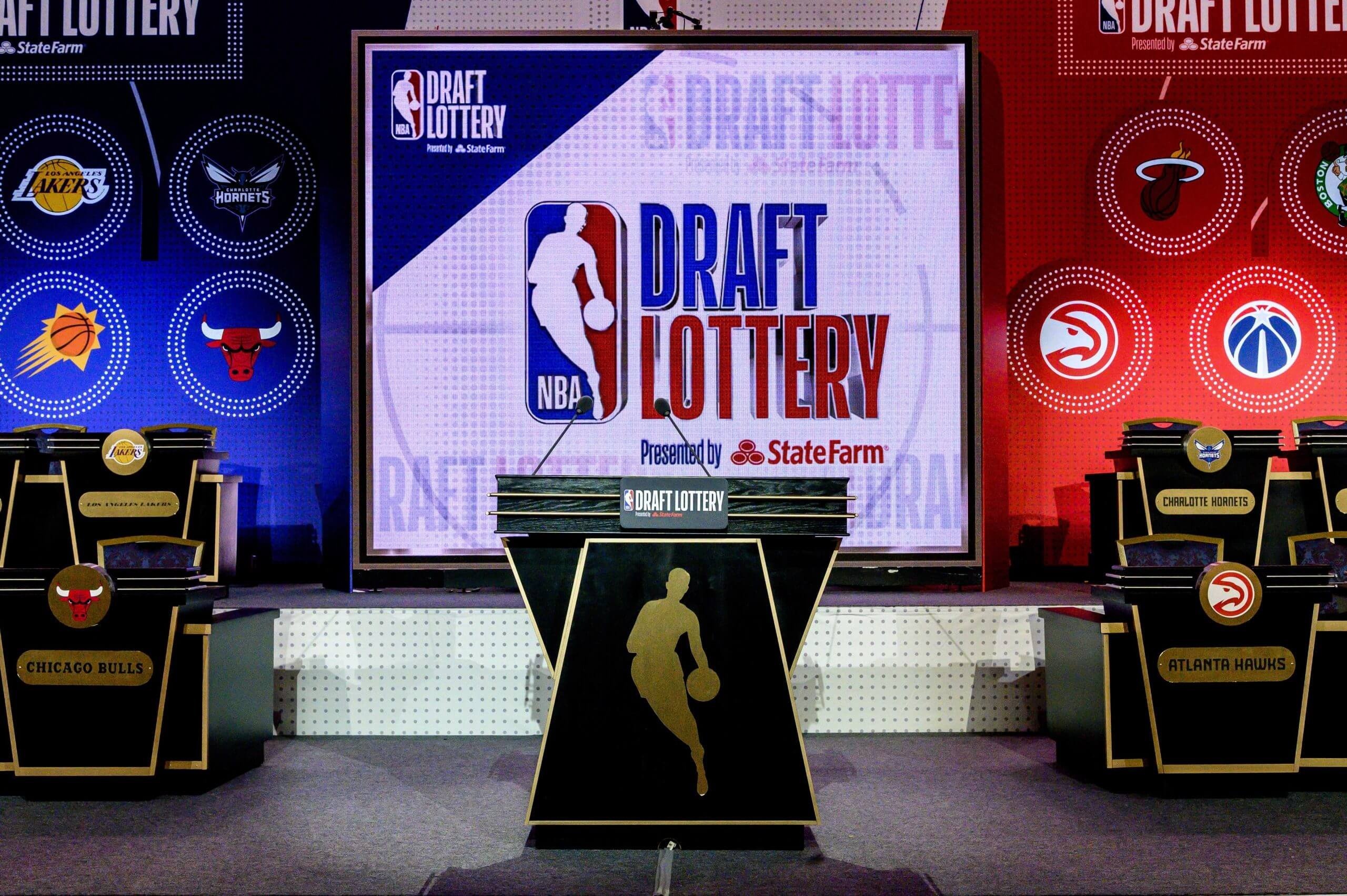
The NBA’s next step toward draft reform will occur on Tuesday when league officials host a general‑managers’ meeting via Zoom.
The meeting was added to the schedule to allow all 30 front offices to continue participating in the pivotal process.
League and team sources say a heavy frontrunner has emerged among three proposed solutions to curb tanking.
Option No. 1 would expand the draft lottery to 18 teams, giving the bottom 10 teams an 8 percent chance at the No. 1 pick.
The remaining eight lottery teams would split the remaining 20 percent of odds evenly.
Under the current system, the bottom three teams each have a 14 percent chance at the top pick, with odds declining thereafter.
Final approval requires at least 23 of the 30 owners to vote at next month’s Board of Governors meeting.
Tweaks to the proposals are still expected before a final decision is reached.
Sources indicate Option No. 1 has the most momentum and appears likely to win out.
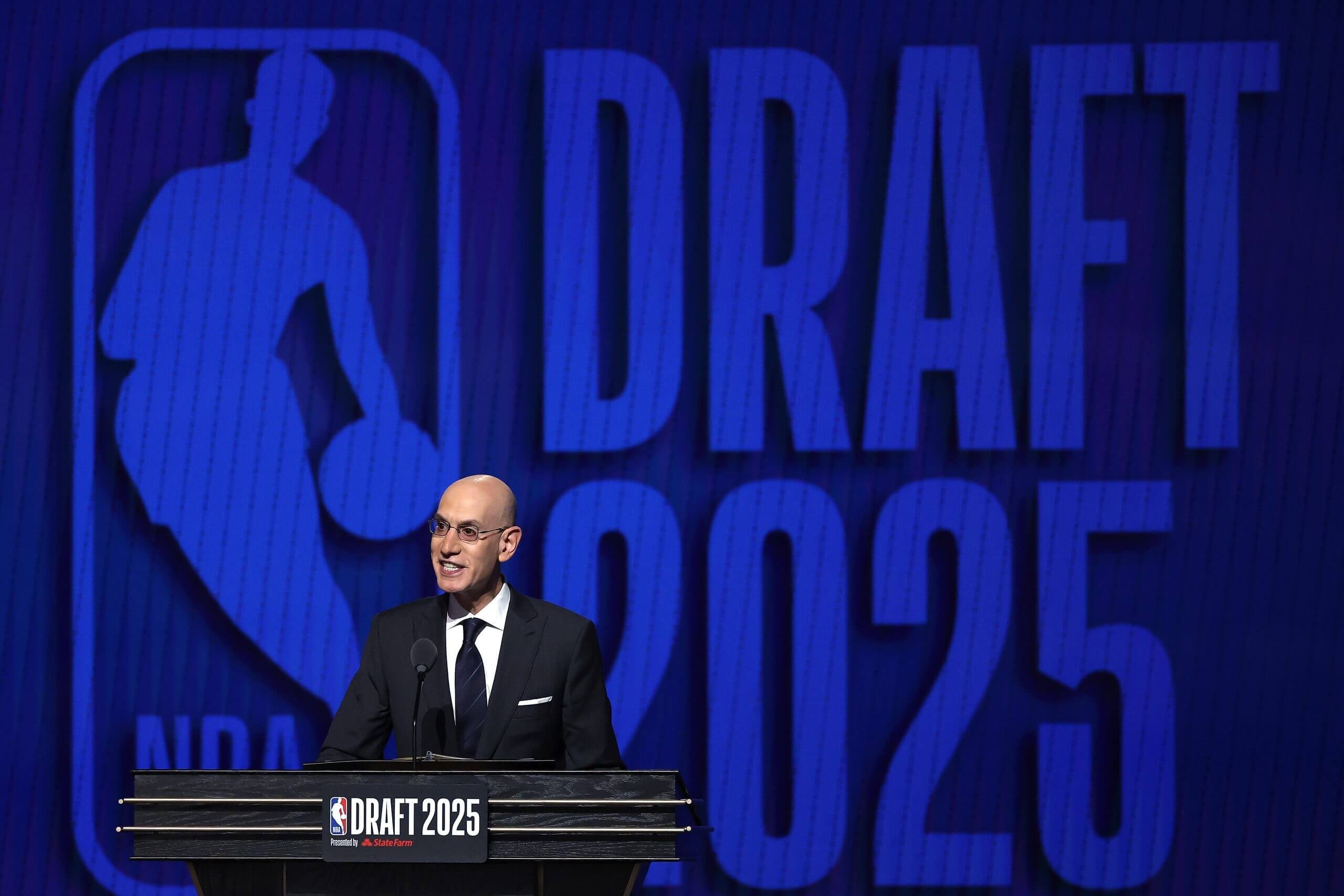
NBA Commissioner Adam Silver has warned that tanking is causing serious damage to the league.
Silver told GMs in mid‑February that the forthcoming changes will be implemented by next season.
He said teams should assume their only incentive for next season will be to win games.
Whether the changes will fully restore competitive integrity remains a question.
Several general managers fear Option No. 1 could create new problems that will need future addressing.
One concern is what happens if a playoff‑participating lottery team lands the No. 1 pick.
Although unlikely, recent history shows low‑odds teams can still win the top slot.
The Atlanta Hawks had a 3 percent chance in 2024 and selected Zaccharie Risacher.
The Dallas Mavericks held a 1.8 percent chance last year and chose Cooper Flagg.
RealGM.com reports that eight of the last 20 No. 1 picks had single‑digit odds.
Five of those eight were below five percent, underscoring the lottery’s volatility.
Silver’s collaborative approach includes feedback from the competition committee and the NBPA.
The Tuesday session will focus primarily on draft reform, though other topics will be discussed.
Turning to the playoffs, the coaching hot‑seat discussion remains a hot topic.
Owners and GMs consider final results when evaluating coaches, despite public speculation.
Orlando Magic head coach Jamahl Mosley has faced chatter about his job since October.
His situation intensified after the Magic lost to Boston’s B‑Team in the regular‑season finale.
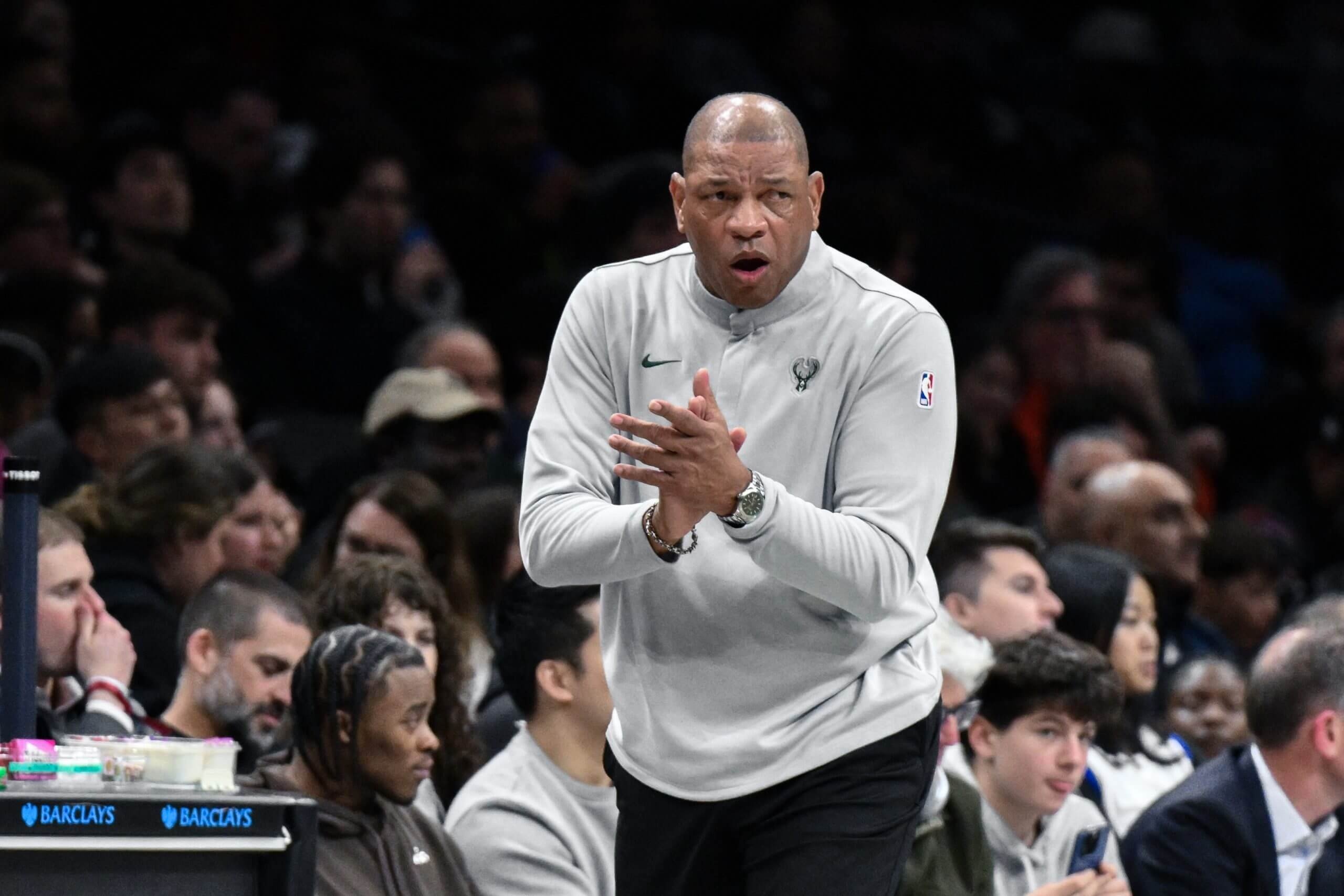
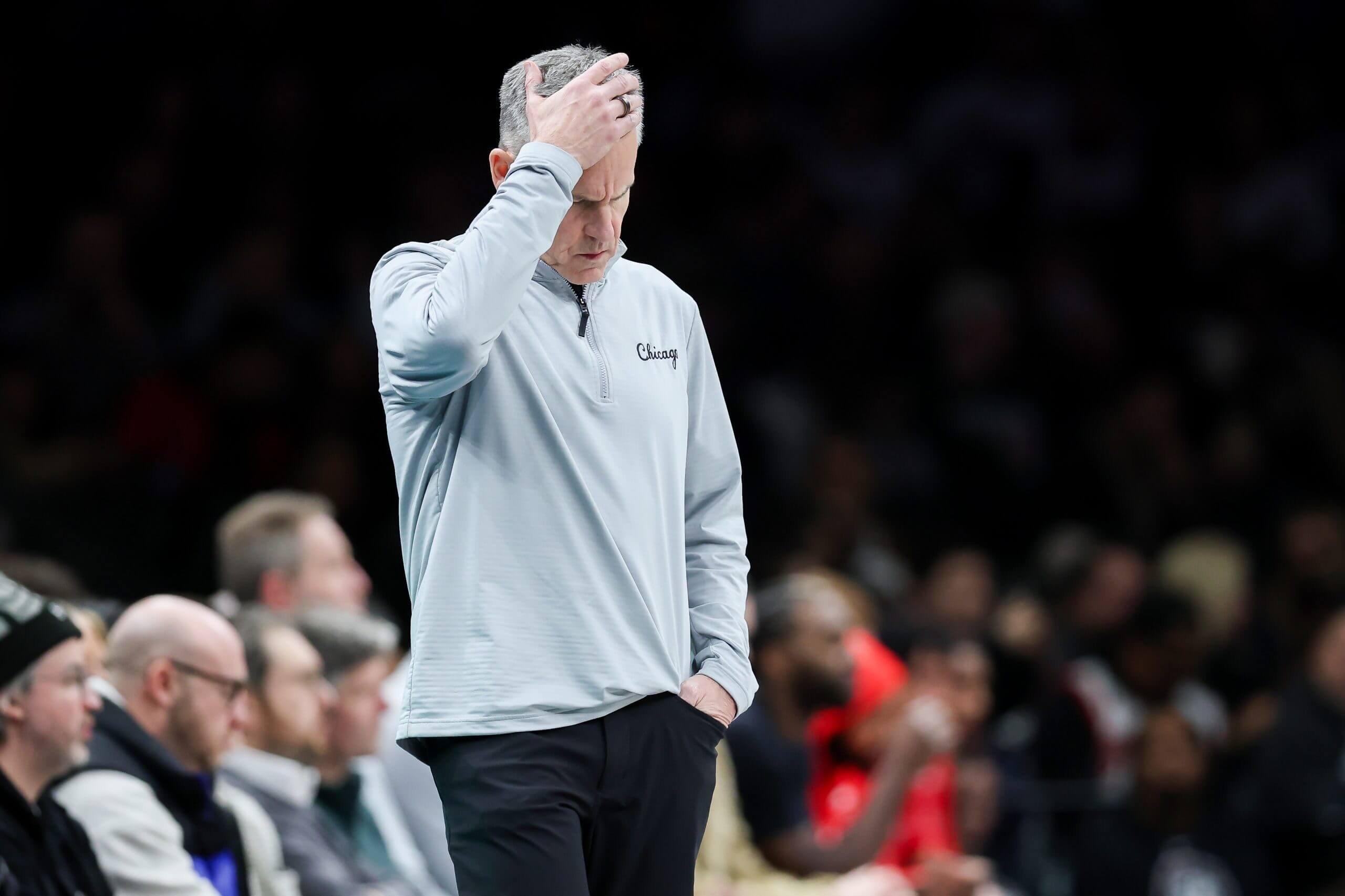
Potential replacements mentioned include former Bulls coach Billy Donovan and Milwaukee associate head coach Darvin Ham.
Mosley has also been linked to the vacant New Orleans job.
The Magic, seeded eighth, now lead the Detroit series 2‑1 and host Game 4 on Monday.
A win could force the franchise to reconsider any immediate coaching changes.
Portland Trail Blazers head coach Tiago Splitter also faces scrutiny despite recent success.
Owner Tom Dundon has emphasized that conventional wisdom does not apply in his regime.
Splitter, a former assistant, earned praise for salvaging the season after a late‑October promotion.
Even with a 3‑1 deficit to San Antonio, reaching the postseason was viewed as an achievement.
Despite that, Dundon has already begun canvassing the basketball world for a possible replacement.
Splitter remains a candidate, and recent performances have strengthened his position.
New York Knicks coach Mike Brown’s job security hinges on reaching the NBA Finals.
Owner James Dolan has previously stated that a Finals appearance is the benchmark for safety.
Brown’s staff adjusted tactics, leading to a 114‑98 Game 4 win that tied the series.
Philadelphia 76ers head coach Nick Nurse is also under pressure after a loss to Boston.
The defeat placed the Sixers in a 3‑1 hole, intensifying scrutiny of his performance.
Cleveland Cavaliers coach Kenny Atkinson faces criticism following a 93‑89 loss to Toronto.
The loss tied the series 2‑2, and Game 5 will be played in Cleveland on Wednesday.
Injuries have plagued the Los Angeles Lakers, notably to Luka Dončić and Austin Reaves.
Front‑office moves by Rob Pelinka have mitigated the impact of those injuries.
Pelinka signed veteran guard Marcus Smart in July to a two‑year, $11 million deal.
Smart’s contract includes a $5.3 million player option for next season.
At the trade deadline, the Lakers acquired shooter Luke Kennard from Atlanta.
Kennard is on an $11 million salary this season and will be a free agent next summer.
Smart and Kennard combined for 42 points in Game 1 of the first‑round series.
Smart added eight assists in that opening victory.
In Game 2, the duo produced 48 points, with Smart contributing seven assists and five steals.
Kennard recorded three steals in the same contest.
Game 3 saw them tally 35 points, with Smart delivering 10 assists and five steals.
Kennard added six assists, highlighting the depth the Lakers acquired.
These contributions helped the Lakers jump to a 3‑0 series lead against Houston.
The Minnesota Timberwolves also faced injury setbacks, losing Anthony Edwards and D‑J DiVincenzo.
Tim Connelly’s front office responded by acquiring guard Ayo Dosunmu and forward Julian Phillips.
Dosunmu was obtained from Chicago in a February trade that also sent four second‑round picks.
Despite a career average of 11.1 points, Dosunmu delivered a 43‑point performance in Game 4.
He shot 13‑of‑17 overall and perfect from three‑point range (5‑of‑5).
The Timberwolves took a 3‑1 series lead with a 112‑96 win over Denver.
Dosunmu also posted 25 points and nine assists in Game 3.
Edwards is expected to miss several weeks, and DiVincenzo’s plus‑45 rating may be lost for next season.
Without Dosunmu, the Timberwolves’ chances of advancing would have been minimal.
Below are the draft‑lottery odds proposed under Option No. 1.
| Team Rank | Odds (%) | Pick Range |
|---|---|---|
| Bottom 10 | 8 | 1‑18 |
| Remaining 8 | 2.5 | 1‑18 |
The table illustrates that the eight non‑bottom lottery teams would each receive roughly 2.5 percent.
Current odds for the bottom three teams stand at 14 percent each.
Below is a summary of the Lakers’ backup contributions in the first three playoff games.
| Game | Points (Smart/Kennard) | Assists/Steals (Smart) |
|---|---|---|
| 1 | 42 | 8/0 |
| 2 | 48 | 7/5 |
| 3 | 35 | 10/5 |
The statistics demonstrate the depth provided by the mid‑season acquisitions.
Below is a snapshot of Ayo Dosunmu’s scoring output in the Timberwolves’ series versus Denver.
| Game | Points | Shooting (FG/3P) |
|---|---|---|
| 3 | 25 | 10‑of‑15 / 5‑of‑5 |
| 4 | 43 | 13‑of‑17 / 5‑of‑5 |
Dosunmu’s performance underscores the impact of timely roster moves during a playoff run.
Overall, the NBA’s draft‑lottery reform, coaching hot‑seat dynamics, and strategic roster adjustments are shaping the league’s immediate future.