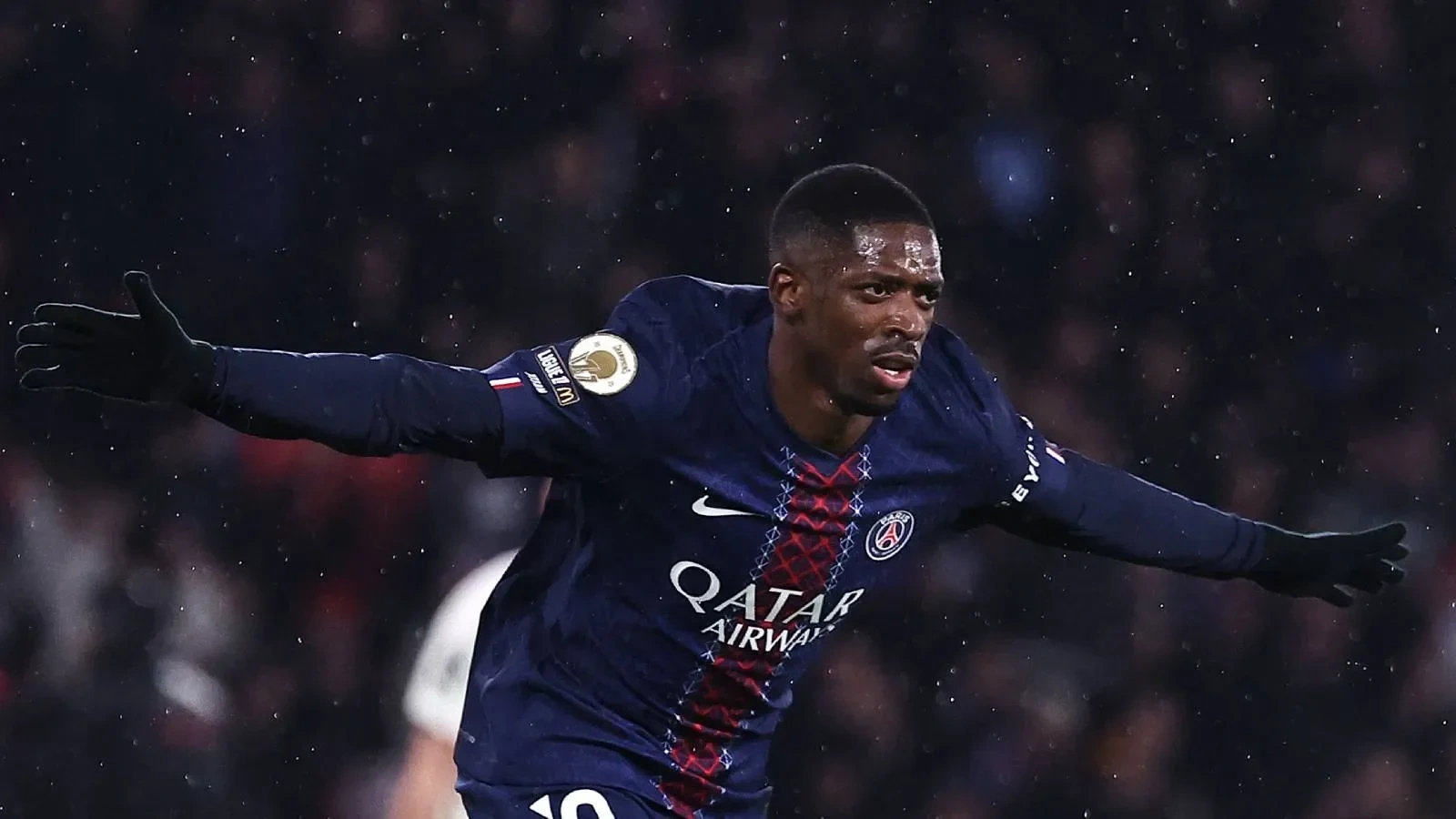
Ousmane Dembélé Poised for Premier League Transfer as PSG Contract Talks Stall
Ousmane Dembélé’s contract situation at Paris Saint‑Germain has become the centerpiece of European transfer speculation as the 2025‑26 campaign reaches its climax. The French winger, who is under a contract that runs until the summer of 2028, has reportedly halted all discussions on a new deal, prompting reports that a move to the Premier League or the Saudi Pro League could materialise this summer.
According to L’Équipe, Dembélé has refused to sit down with PSG officials to negotiate an extension, leaving the club’s sporting director without a clear path forward. The stalemate comes at a time when the player remains a crucial element in Luis Enrique’s attacking set‑up, despite a season that has been intermittently disrupted by muscular injuries.
At 28 years old, Dembélé is the highest‑paid member of the PSG squad, a fact highlighted in the French daily’s recent salary special. His current earnings surpass those of the club’s other marquee signings, underscoring the financial stakes involved in any potential departure.
The winger’s reluctance to sign a new contract is driven by several pragmatic concerns. First, Dembélé wants clarification on PSG’s salary cap for the 2026‑27 season, a figure that will affect his personal terms and the club’s overall wage structure.
Second, he has indicated a preference to postpone any definitive decision until after the 2026 World Cup in the United States, where a strong showing could enhance his bargaining power. The timing aligns with the typical practice of elite players waiting for major tournaments to influence transfer valuations.
Third, Dembélé’s future appears linked to PSG’s progress in the UEFA Champions League. After a 2‑0 victory in the first leg of the quarter‑final against Liverpool, the French side now faces a decisive return match at Anfield, a fixture that could shape the player’s assessment of the club’s European ambitions.
Should negotiations break down, L’Équipe suggests that a Premier League move “could be on the cards”. The English top flight has long been a desired destination for Dembélé, whose pace and dribbling ability would complement the high‑intensity styles favoured by several clubs.
Financially, the Premier League remains attractive, with its broadcasting revenues and commercial partnerships offering lucrative contracts. Moreover, the league’s competitive balance and global exposure align with Dembélé’s personal brand objectives.
In parallel, interest from the Saudi Pro League has intensified following N’Golo Kanté’s high‑profile transfer to Al‑Ittihad. Kanté’s move demonstrated that playing in the Gulf does not preclude participation in the French national team, a precedent that may reassure Dembélé about his international prospects.
The Saudi market’s capacity to offer substantial salaries, combined with the league’s ambition to attract world‑class talent, positions it as a viable alternative to a return to Ligue 1 or a shift to England. The financial package could potentially exceed what top Premier League clubs are prepared to commit.
From a tactical perspective, Dembélé’s versatility makes him a valuable asset for any prospective team. Primarily deployed on the left wing, he frequently cuts inside onto his stronger right foot, creating shooting opportunities and opening space for overlapping full‑backs.
Statistically, Dembélé contributed 12 goals and 14 assists across all competitions for PSG this season, despite missing 13 league matches due to injury. His per‑90‑minute expected goals (xG) of 0.45 and expected assists (xA) of 0.52 place him among the elite creators in Europe.
| Competition | Goals | Assists |
|---|---|---|
| Ligue 1 | 7 | 8 |
| Champions League | 3 | 4 |
| Domestic Cups | 2 | 2 |
His dribbling success rate of 68 % this season ranks second only to the league’s top winger, reflecting his ability to retain possession under pressure. Defensively, Dembélé averages 1.1 tackles and 0.8 interceptions per 90 minutes, indicating a willingness to contribute to the team’s pressing scheme.
PSG’s tactical set‑up under Enrique often relies on rapid transitions, with Dembélé’s acceleration enabling him to exploit spaces left by opposing full‑backs. In matches where he has been fully fit, PSG’s average possession percentage climbs to 62 %, while their goal conversion rate improves to 19 %.
Historically, Dembélé’s career has been marked by high‑profile moves. After breaking through at Rennes, he transferred to Borussia Dortmund in 2016, where his performances earned him a €105 million move to FC Barcelona in 2017. A subsequent loan to Liverpool in 2022 was cut short by injury, leading to his permanent transfer to PSG in 2023.
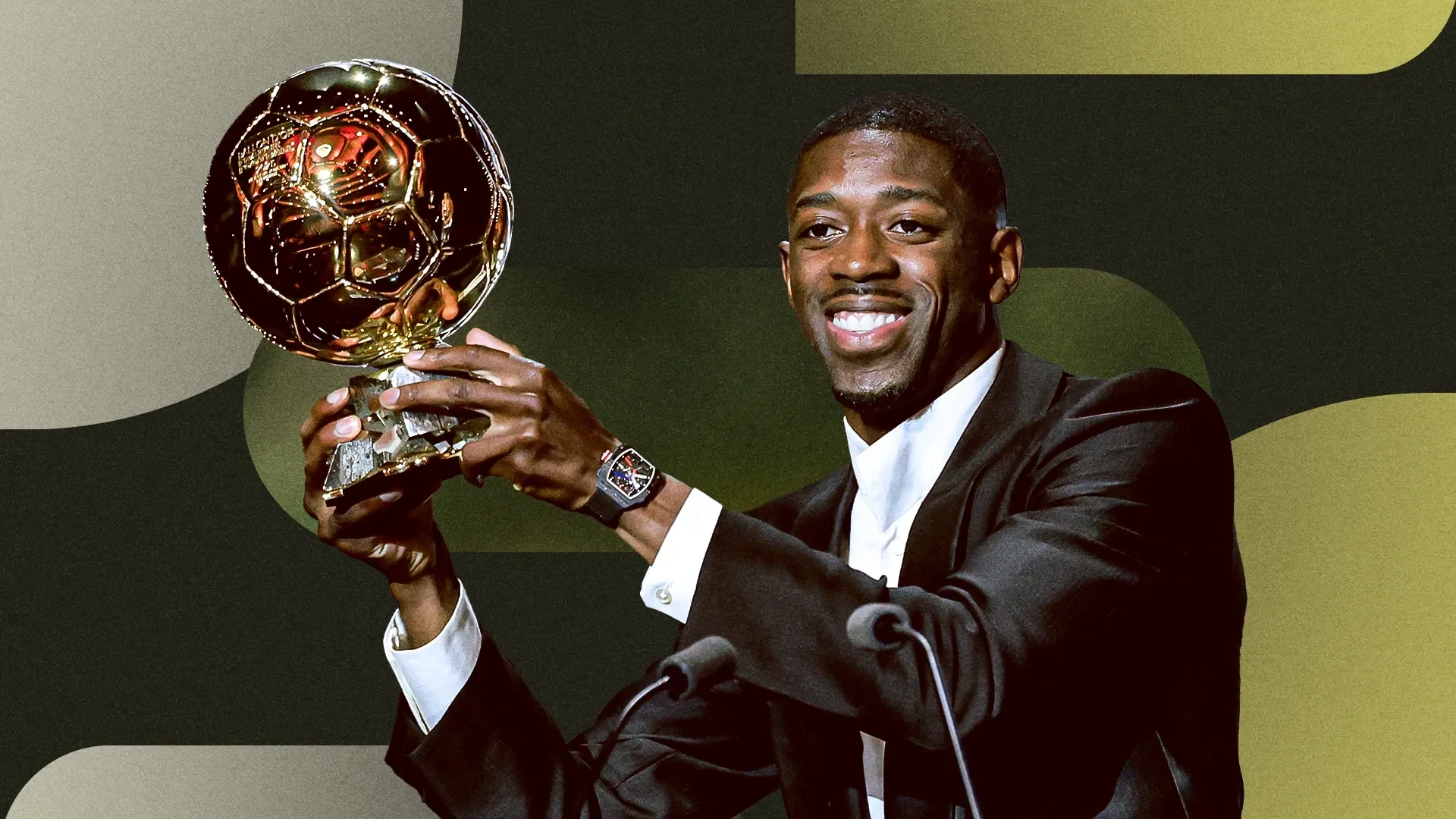
At PSG, Dembélé has won two Ligue 1 titles and a Coupe de France, and he was part of the squad that reached the Champions League semi‑finals in 2024. His individual accolades include the 2025 Ballon d’Or, confirming his status as one of the game’s premier talents.
The broader implications of a potential departure extend beyond the player himself. PSG’s wage structure, already strained by the salaries of Kylian Mbappé and Lionel Messi, would need to be recalibrated if Dembélé exits, possibly freeing up resources for new signings.
Conversely, retaining Dembélé would signal PSG’s intent to maintain a core of world‑class talent capable of challenging for European glory, a goal that has eluded the club despite domestic dominance.
In the Premier League, clubs such as Manchester City, Liverpool, and Chelsea have been identified as potential suitors, each possessing the financial muscle and tactical frameworks that could integrate Dembélé’s skill set. City’s possession‑based approach, Liverpool’s gegenpress, and Chelsea’s flexible 3‑4‑3 system all value the type of inverted winger Dembélé exemplifies.
Should a Saudi move materialise, it would reinforce the league’s growing reputation as a destination for elite European talent, potentially prompting a shift in the global transfer market dynamics. The influx of high‑profile players could elevate the competition’s quality and attract further commercial investment.
For the French national team, Dembélé’s decision will be closely monitored by coach Didier Deschamps. The winger is expected to play a pivotal role at the 2026 World Cup, and his match fitness will be a decisive factor in France’s attacking options.
Deschamps has previously emphasized the importance of players competing at the highest level, but he has also indicated flexibility regarding players based outside Europe, provided they maintain peak performance standards.
In the immediate term, Dembélé’s focus will remain on the Champions League quarter‑final second leg at Anfield, a match that will test his resilience and influence PSG’s European aspirations. A strong performance could bolster his bargaining position, regardless of the eventual destination.
Looking ahead to the summer transfer window, the market is expected to be active, with several clubs across Europe and the Middle East preparing substantial budgets. Dembélé’s contract length, age, and recent individual awards make him a premium asset that could command a transfer fee in excess of €120 million.
The combination of PSG’s wage considerations, Dembélé’s personal ambitions, and the strategic interests of potential buying clubs creates a complex negotiation landscape. Stakeholders on all sides will be watching closely as the summer approaches.