Champions League Semi-Finals Confirmed as Bayern Munich Beats Real Madrid and Arsenal Advances Past Sporting CP
The men’s UEFA Champions League quarter‑finals concluded on Wednesday, setting the stage for the semi‑final pairings that will determine the final four clubs in the competition.
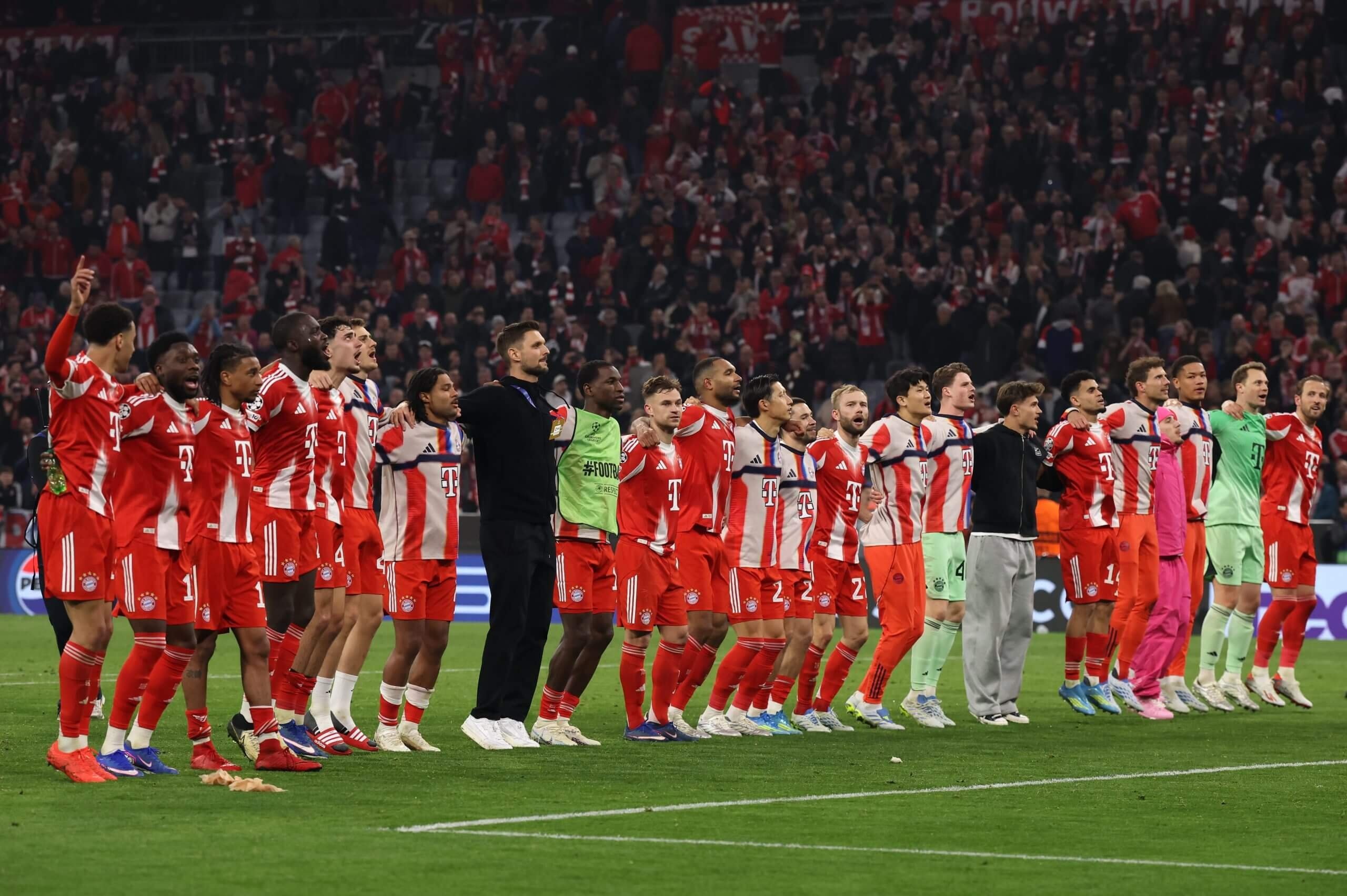
Bayern Munich secured their place with a 4‑3 victory over Real Madrid at the Allianz Arena, completing a 6‑4 aggregate win after a 2‑1 triumph in Madrid a week earlier.
The German side’s win featured four lead changes, a red card and multiple goalkeeper errors, creating a dramatic contest that many have labeled the match of the season.
Harry Kane, Bayern’s English striker, marked his 50th goal of the 2025‑26 campaign by scoring in the second leg, underscoring his importance to the team’s attacking thrust.
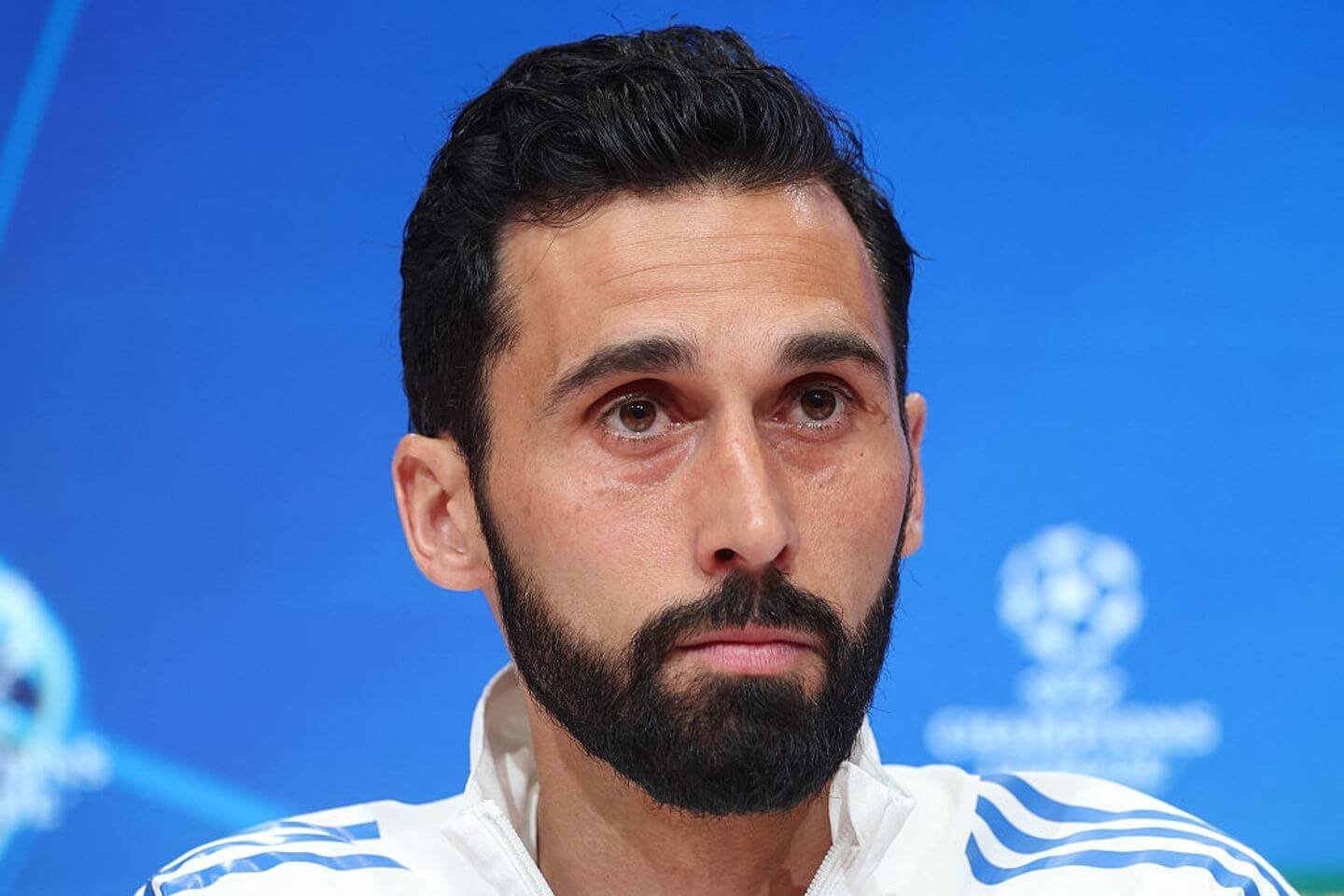
Real Madrid, managed by Alvaro Arbeloa, were unable to overturn the deficit despite a strong first‑leg performance, and their elimination adds to a series of recent European setbacks for the Spanish giants.
In the other quarter‑final, Arsenal progressed after a 0‑0 draw at the Emirates Stadium, holding on to the 1‑0 advantage they earned from their first‑leg win in Portugal against Sporting CP.
The London club’s defensive discipline limited both sides to a single shot on target, highlighting the tactical caution employed by Mikel Arteta on the night.
Vincent Kompany’s Bayern will meet Paris Saint‑Germain in the semi‑final, while Arsenal will face Atletico Madrid, setting up two contrasting styles of play for the next round.
PSG advanced comfortably, defeating Liverpool 4‑0 on aggregate after 2‑0 victories at home and on Merseyside, showcasing the French side’s offensive depth.
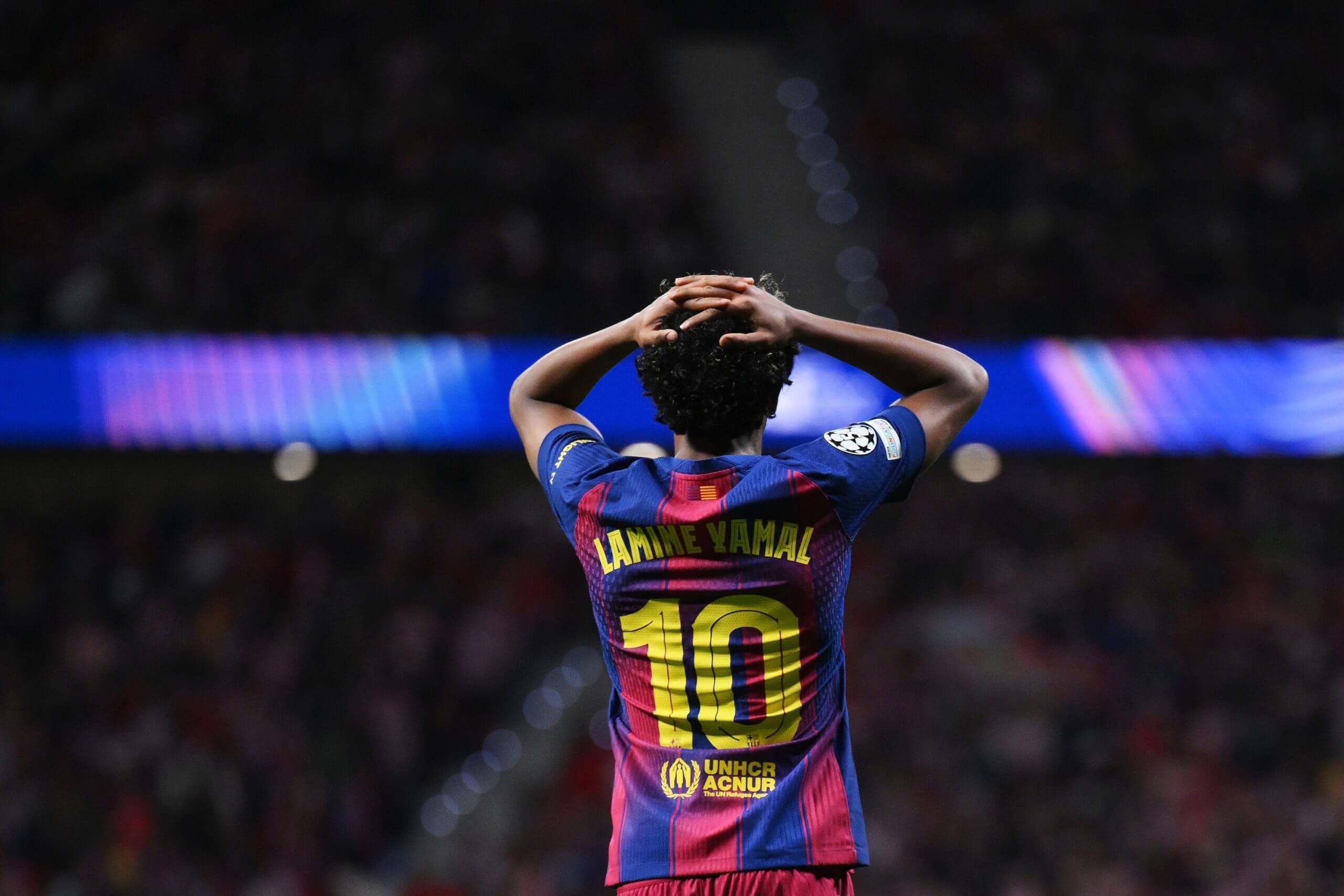
Atletico Madrid progressed despite a 2‑1 loss to Barcelona at home, relying on their 2‑0 away win in Barcelona to secure a 2‑2 aggregate result and advance on away‑goals.
The quarter‑final aggregate scores and expected goals (xG) for each tie are summarised in the table below.
| Tie | Goals | xG |
|---|---|---|
| Bayern – Real Madrid | 10 | 9.5 |
| Atletico – Barcelona | 5 | 5.5 |
| Liverpool – PSG | 4 | 5.6 |
| Arsenal – Sporting CP | 1 | 3.0 |
The Bayern‑Real Madrid tie showcased the contrast between Kompany’s fluid, hyper‑offensive system and Arbeloa’s disciplined counter‑attacking approach that has served Madrid well in recent European campaigns.
Luis Diaz emerged as a decisive figure for Bayern, his relentless energy and ability to press high creating space for his teammates and contributing to the pivotal moments of the match.
Eduardo Camavinga, brought on as a substitute for the suspended Aurelien Tchouaméni, struggled to influence the game in his 26‑minute cameo, highlighting the challenges of rotating a high‑intensity side.
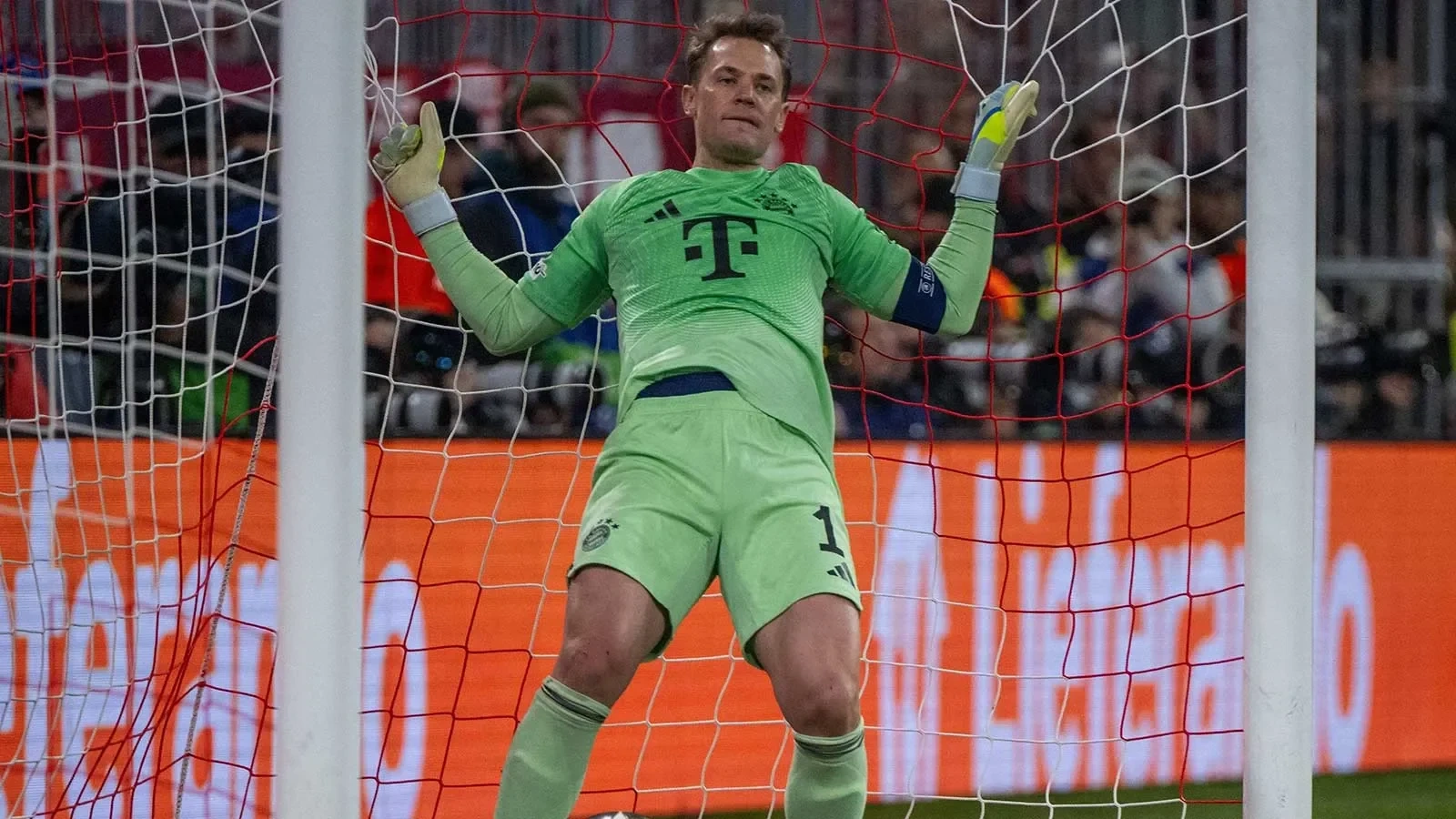
Manuel Neuer, Bayern’s veteran goalkeeper, delivered a standout performance at the Bernabéu in the first leg but appeared less sharp in the second, reflecting the physical demands placed on the 40‑year‑old.
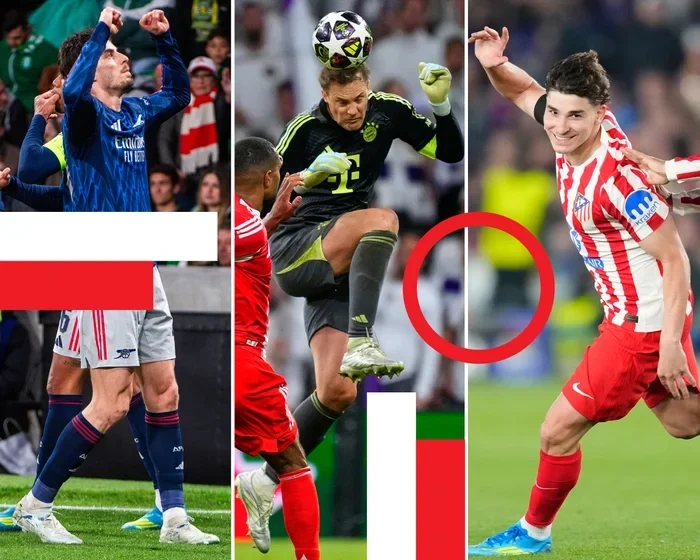
Arda Güler, who had never scored in 20 Champions League appearances prior to this tie, produced two spectacular strikes within a half‑hour, though both were ultimately insufficient to change the aggregate outcome.
Real Madrid’s attack, led by veteran forward Karim Benzema, managed to breach Bayern’s defence twice in the second leg, but defensive lapses and the red card proved costly.
Arsenal’s tactical plan against Sporting CP focused on compact defending and selective pressing, limiting the Portuguese side to a single shot on target.
Mikel Arteta’s side maintained possession efficiently, with Gabriel Jesus and Bukayo Saka linking play to preserve the clean sheet and protect the aggregate lead.
Sporting CP’s striker Luis Suárez, despite limited service, managed to outshine his replacement Viktor Gyökeres, illustrating his enduring quality in the European arena.
The semi‑final schedule is set for first legs on Tuesday, 28 April, and Wednesday, 29 April, with the return legs a week later on 5 and 6 May.
UEFA has indicated that PSG and Atletico will host the first legs, though the exact kickoff times have not yet been released.
The Champions League final is slated for Saturday, 30 May, at the Puskás Arena in Budapest, Hungary, eleven days before the opening of the 2026 World Cup.
Bayern’s recent European pedigree includes five Champions League titles, the most recent in 2020, and the club’s continued success under Kompany reinforces their status as a continental powerhouse.
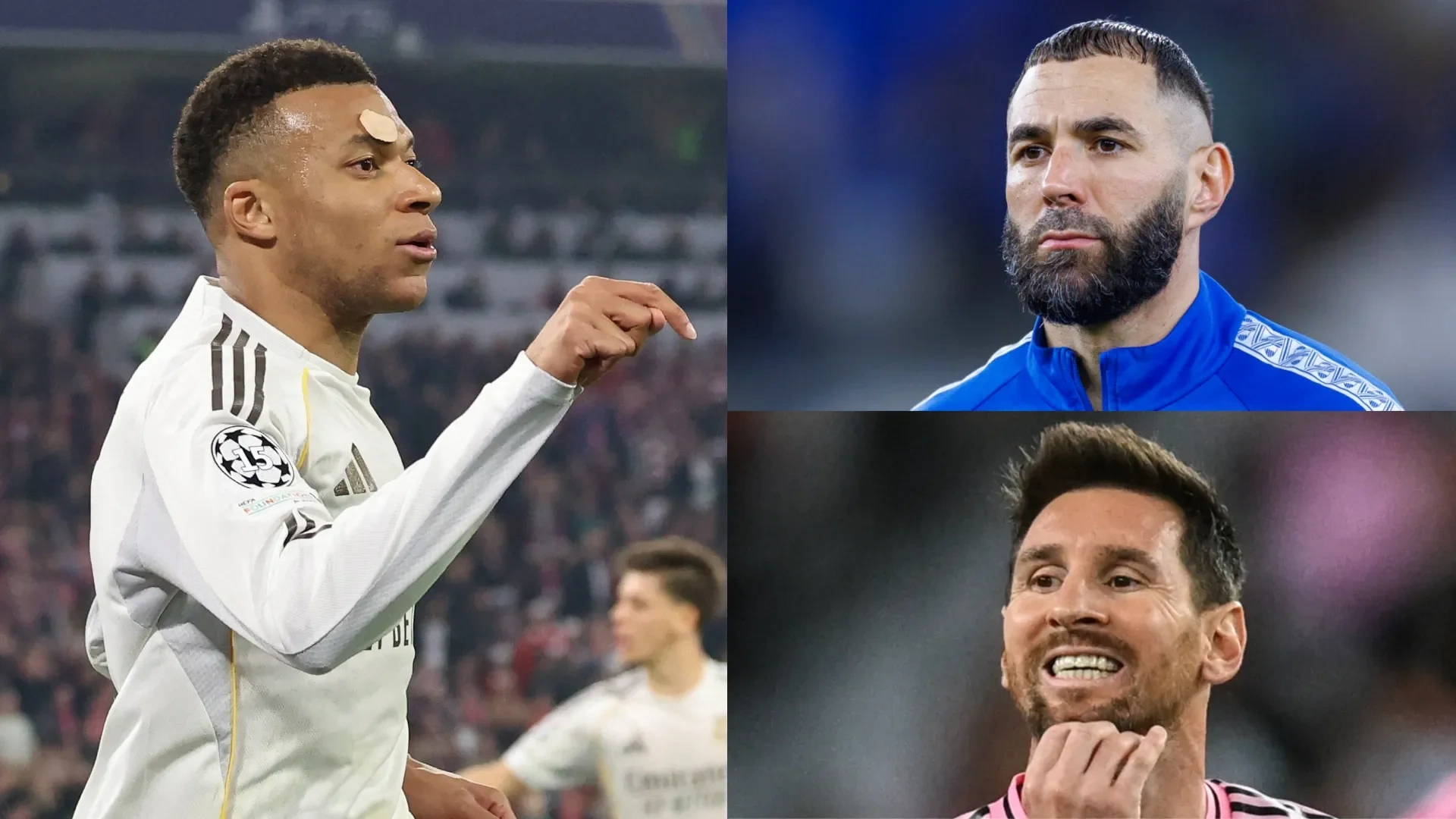
Paris Saint‑Germain, under Luis Enrique, have reached the semi‑final stage for the third consecutive season, building on a squad featuring Kylian Mbappé and Lionel Messi, though Messi’s involvement this season remains limited.
Arsenal’s back‑to‑back semi‑final appearances mark a historic achievement for the club, reflecting the progress made since Arteta’s appointment in 2021.
Atletico Madrid, managed by Diego Simeone, have a reputation for resilient defensive structures, and their ability to advance despite a home defeat underscores the effectiveness of their away‑goal strategy.
Barcelona’s early exit after a 2‑0 loss to Atletico in the second leg adds to a season of transition for the Catalan club, which is undergoing a rebuilding phase under new ownership.
Statistically, the Bayern‑Real Madrid tie produced the highest number of goals (10) and a combined xG close to the actual tally, indicating a match that lived up to its statistical expectations.
In contrast, the Liverpool‑PSG tie featured only four goals despite a combined xG of 5.6, suggesting that PSG’s defensive organisation limited the overall scoring.
The Arsenal‑Sporting tie recorded the lowest goal output, with a single goal across both legs, while the xG of 3.0 reflects missed opportunities, particularly from Sporting’s attacking players.
The upcoming semi‑finals will test the tactical adaptability of the four clubs, as Bayern’s high‑pressing style meets PSG’s balanced possession game, and Arsenal’s disciplined approach confronts Atletico’s compact defensive block.
Both semi‑final pairings promise a blend of experience and emerging talent, with players such as Kane, Mbappé, Saka and Joao Felix poised to influence the outcomes.
Fans can anticipate a continuation of the high‑intensity football that defined the quarter‑finals, as the remaining teams vie for a place in the final and the opportunity to lift Europe’s most coveted club trophy.