5 Key Reasons Arsenal’s Title Hopes Crumbled: City Pressure, £1 Billion Spend, Injuries, Fatigue & Leadership Issues
Arsenal entered the final third of the 2025‑26 Premier League campaign with a three‑point lead over Manchester City but having played one game more, a situation that now places the title on a knife‑edge.
The 2‑1 defeat at the Etihad on 20 April not only erased their cushion but also handed City the chance to overtake them on goal difference if they win at Burnley, leaving only five matches to decide the championship.
Just a month earlier, a 2‑0 victory over Everton saw Arsenal ten points clear and the Emirates buzzing with the belief that a 22‑year drought could finally be broken.
Since then, the Gunners have stumbled, losing their last two league games and prompting supporters to fear another painful collapse reminiscent of previous title challenges.
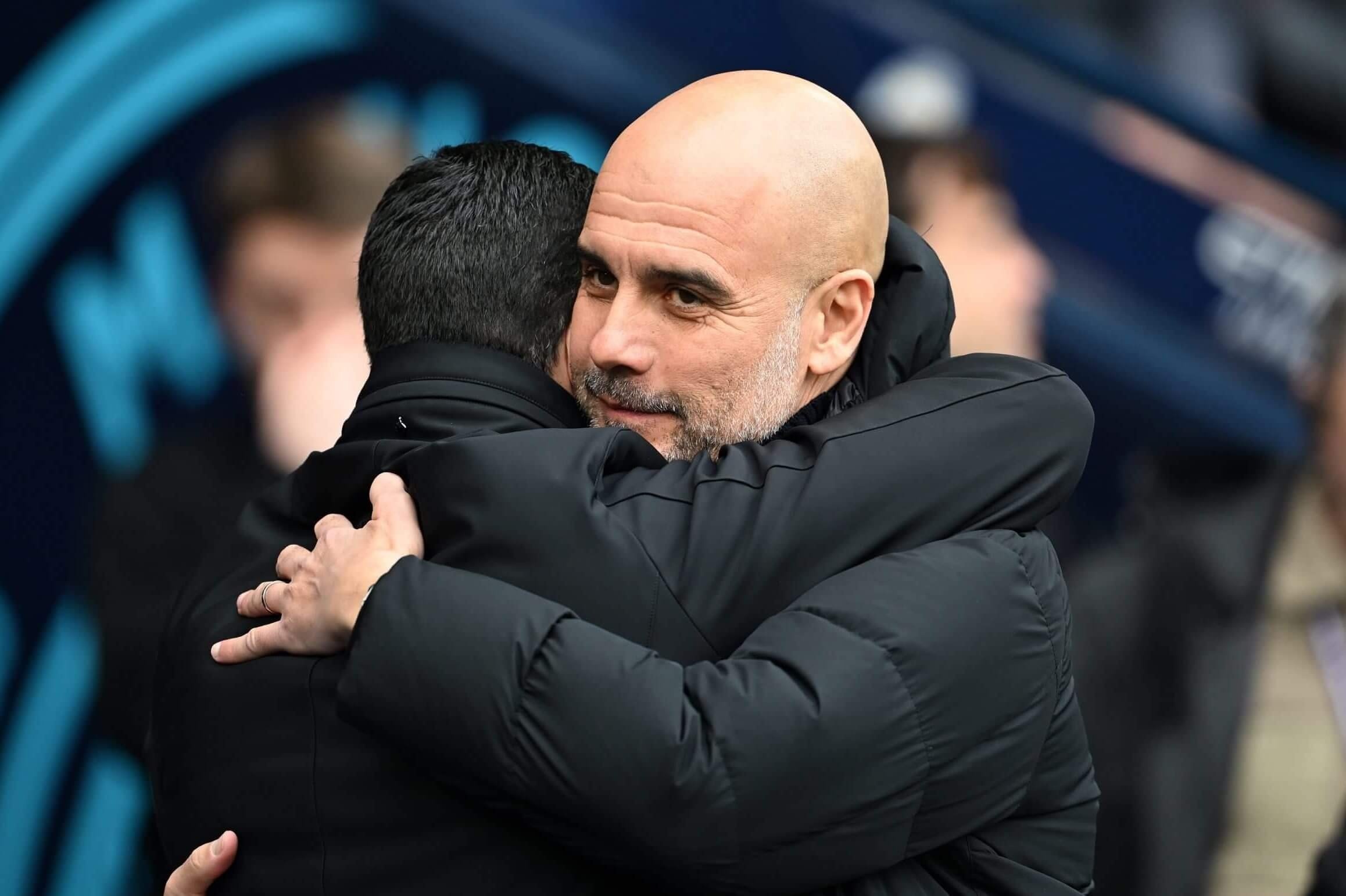
The first major factor in this reversal is the psychological pressure generated by Manchester City’s resurgence under Pep Guardiola, whose side has returned to form with four consecutive wins across all competitions.
City’s recent victories include two against Arsenal, one over Liverpool and another over Chelsea, demonstrating a settled lineup that has silenced critics after earlier draws with Nottingham Forest and West Ham.
Guardiola’s tactical adjustments, such as giving more responsibility to Abdukodir Khusanov and trusting young talent like Nico O’Reilly, have paid dividends and restored confidence in his squad.
In contrast, Arsenal have appeared overwhelmed by the intensity of the title race, a sentiment reflected in the “Panic on the streets of London” banner unfurled by City fans.
Historical weight also looms heavily over Arsenal; the club’s last league triumph came in 2004 and the expectation this season was amplified by massive spending.
Arsenal’s net spend exceeded Liverpool’s £450 million outlay, and pundits such as Theo Walcott and Piers Morgan declared the Gunners possessed the best squad in world football.
That level of hype created an environment where anything short of silverware is deemed a failure, especially given the club’s investment of over £1 billion in players since Mikel Arteta’s appointment.
Former Arsenal defender Nigel Winterburn warned in November that there were no excuses for Arteta and the club, emphasizing that the team must deliver results to justify its expenditure.
Until late March, Arsenal had lost only three of 49 matches in all competitions, a record that highlighted their dominance and raised expectations even further.
However, the form dip accelerated after a 2‑0 loss to City at Wembley in the Carabao Cup final, a match that also denied Arsenal a trophy that could have bolstered morale.
Injuries have exacerbated the situation, with Bukayo Saka, Jurrien Timber and Mikel Merino all unavailable, stripping the side of key creative and defensive assets.
Saka’s absence is particularly damaging as he is Arsenal’s primary source of incisive attacking play, while Timber’s evolution into a pivotal full‑back has left a noticeable void.
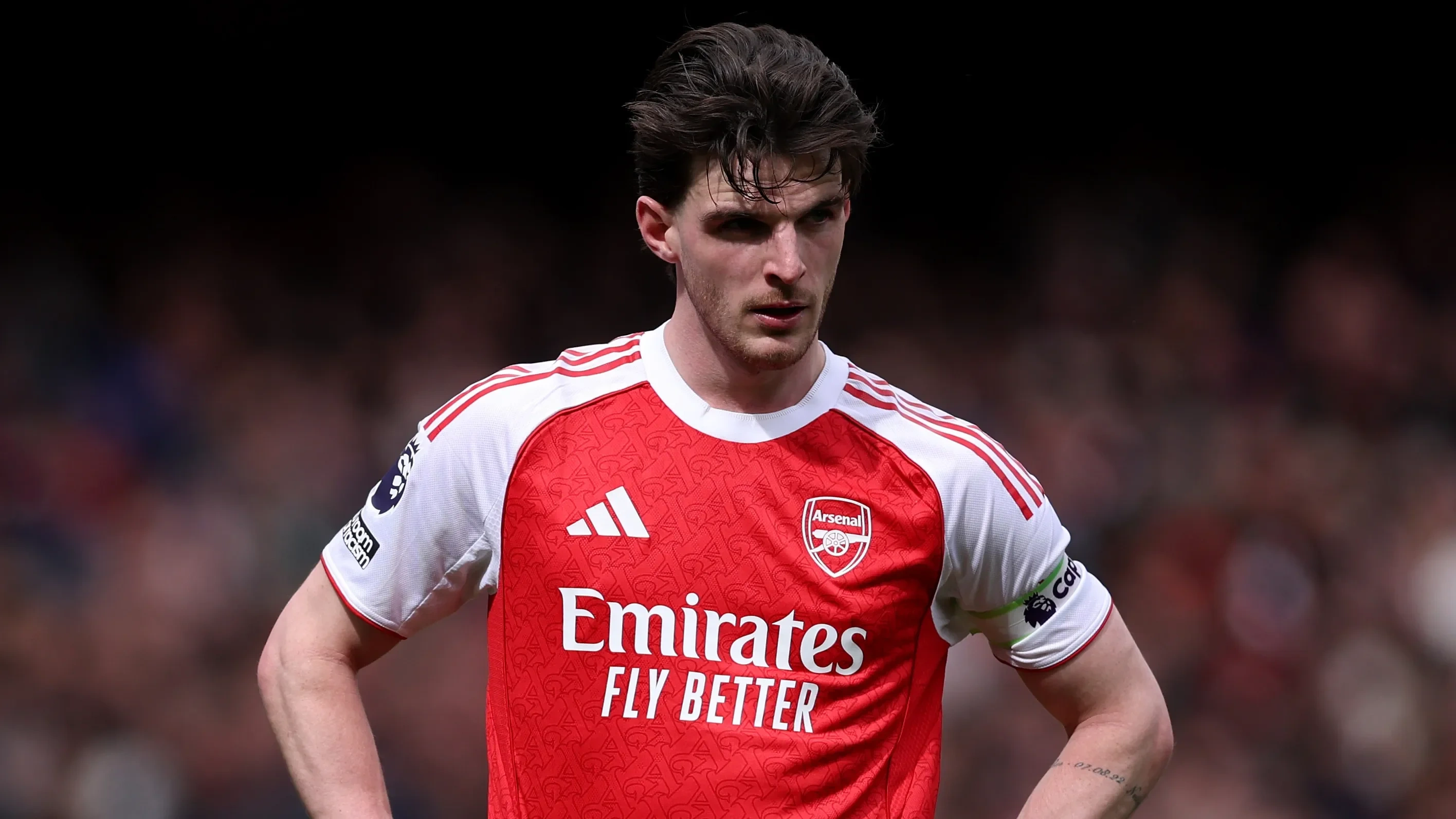
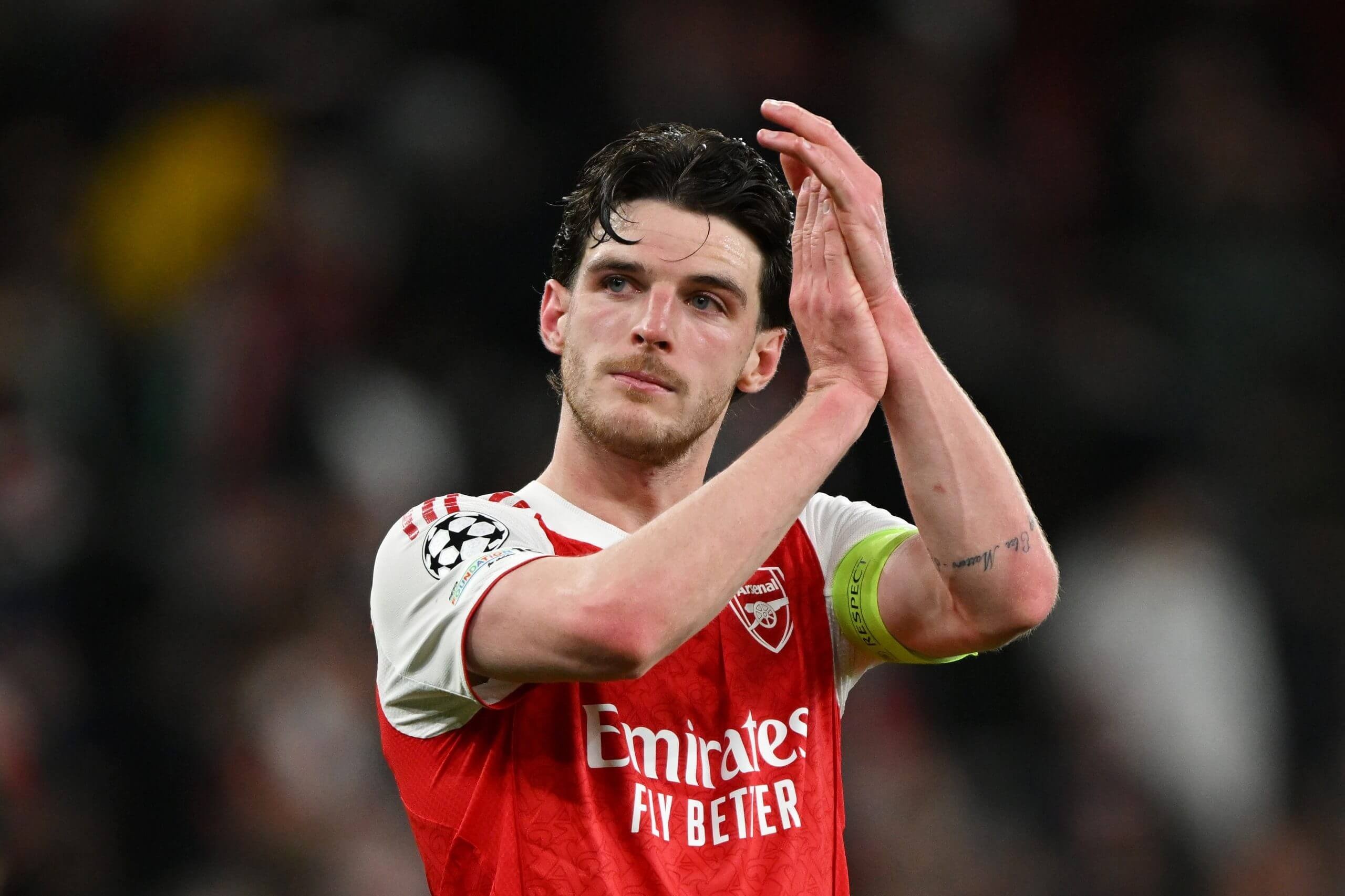
The midfield has also suffered; Declan Rice and Martin Zubimendi appear exhausted, and Arteta’s reluctance to rotate has been criticised for contributing to player fatigue.
Arteta has argued that the congested schedule, intensified by Champions League commitments, takes a toll on English sides, yet he has faced accusations of inadequate squad rotation.
Christian Norgaard, despite a solid season with Brentford, has not been trusted to start regularly, limiting Arsenal’s options and increasing the workload on Rice and Zubimendi.
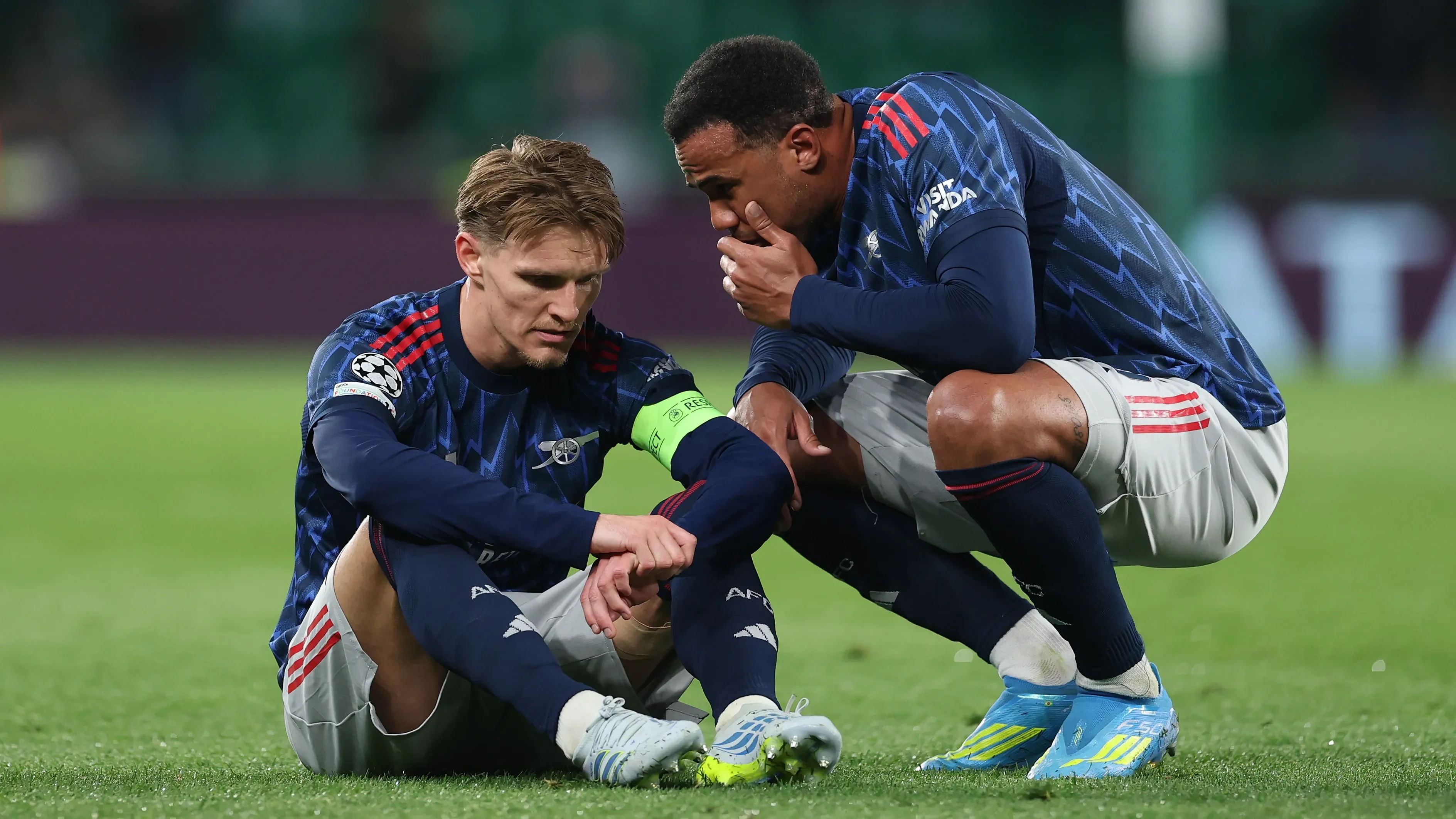
Leadership on the pitch has been questioned, with captain Martin Ødegaard failing to dominate the Etihad clash, winning only one tackle and losing possession 13 times.
Defender Gabriel Magalhães also struggled, being out‑muscled by Erling Haaland and narrowly avoiding a red card after a headbutt incident.
These performances have sparked debate over whether Ødegaard or Magalhães should assume the captaincy, as both have been perceived as lacking the authority needed in high‑stakes games.
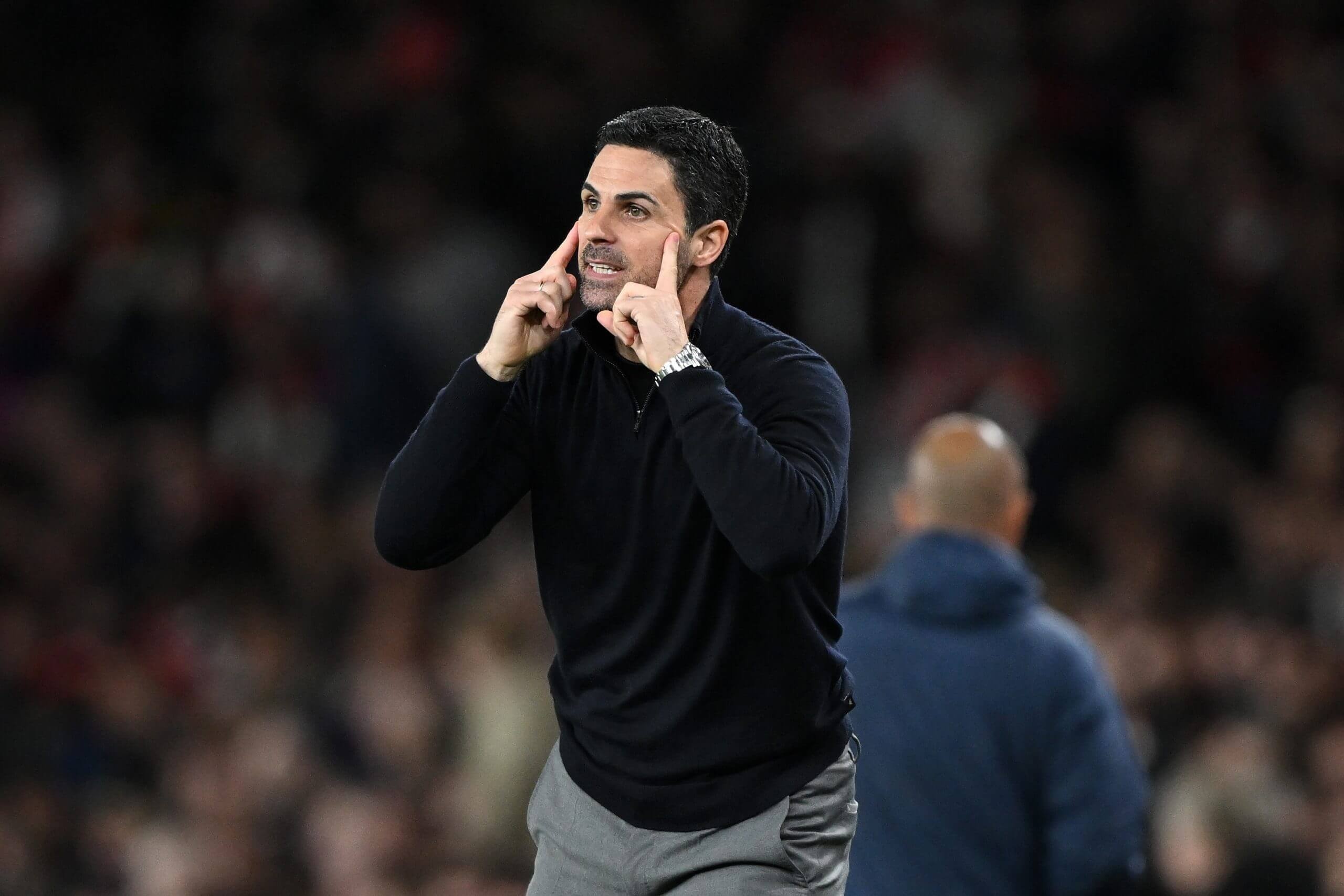
Arteta’s own demeanor has mirrored the team’s unease; his touchline energy has shifted to a nervous tension that appears to affect the players’ confidence.
Having served under Guardiola, Arteta knows the requirements of a title run‑in, yet he has yet to secure a Premier League crown, with three consecutive runner‑up finishes weighing on him.
His tactical gamble of benching Viktor Gyökeres, the striker signed to provide a Haaland‑type threat, against City has been scrutinised, especially as the club plans further summer spending.
Despite the setbacks, Arsenal remain in a strong position to contest the remaining trophies, with five league fixtures left against lower‑half teams.
Their Champions League campaign also offers a lifeline, having already defeated Atlético Madrid and now eyeing a semi‑final against either Bayern Munich or Paris Saint‑Germain.
Nevertheless, the prospect of two demanding ties with Simeone’s Atlético could further strain a squad already battling fatigue and injuries.
The league table at the time of writing reflects the narrow margin separating Arsenal and City, underscoring the importance of goal difference and upcoming fixtures.
| Team | Points | Games Played |
|---|---|---|
| Manchester City | 78 | 33 |
| Arsenal | 78 | 34 |
Should City win at Burnley, they will move level on points but lead on goal difference, turning the title race into a direct head‑to‑head showdown in the final weeks.
Arsenal’s next league test against Newcastle United becomes a decisive moment; a victory would restore a buffer, while a draw or loss could see panic spread across north London.
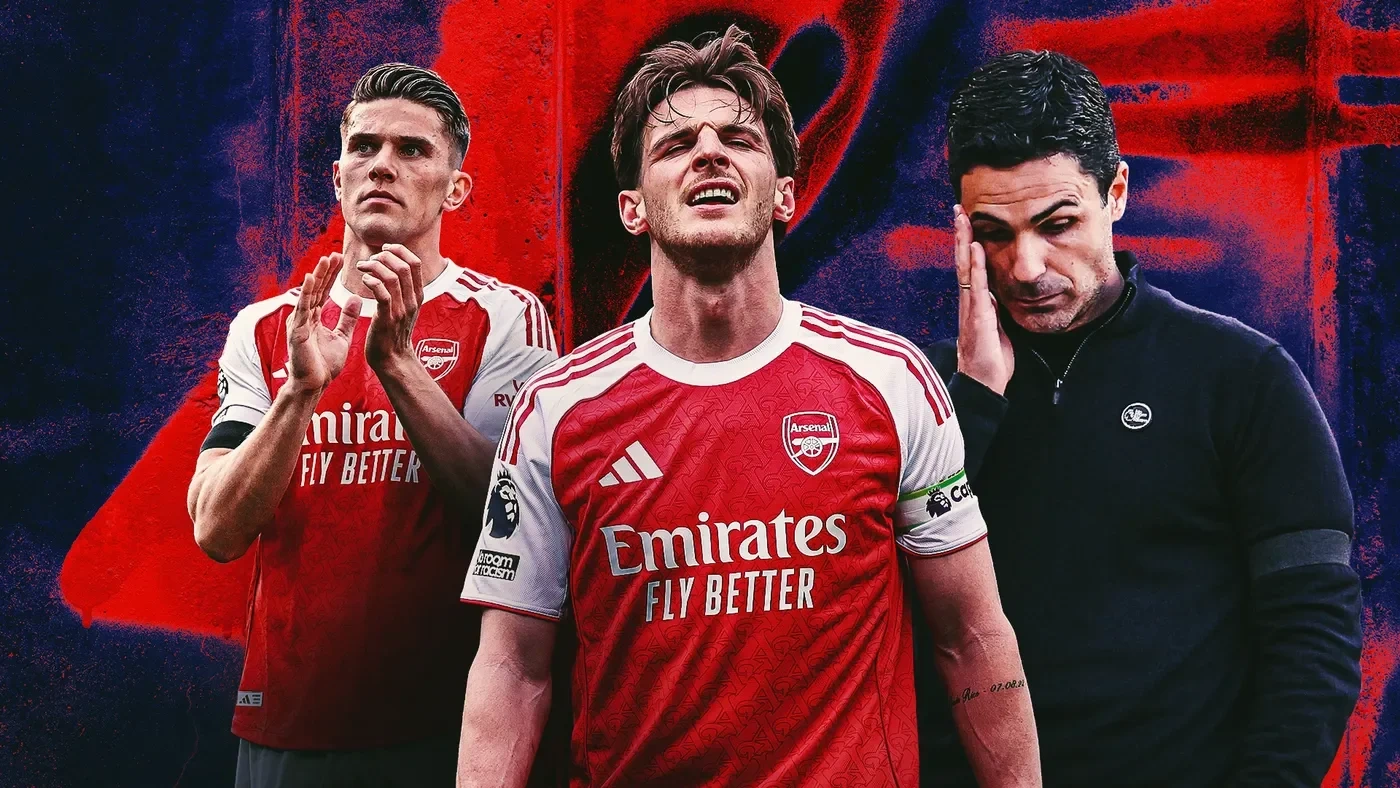
In summary, the five primary reasons for Arsenal’s current collapse are: the resurgence of a revitalised Manchester City, the crushing weight of historic expectations, a spate of untimely injuries, a lack of on‑field leadership, and Arteta’s evident nervousness.
Addressing these issues swiftly will be essential if the Gunners hope to reclaim the Premier League crown and end a 22‑year wait for domestic glory.