Arsenal captain Martin Ødegaard faces new knee injury setback, misses Champions League quarter‑final second leg and Manc
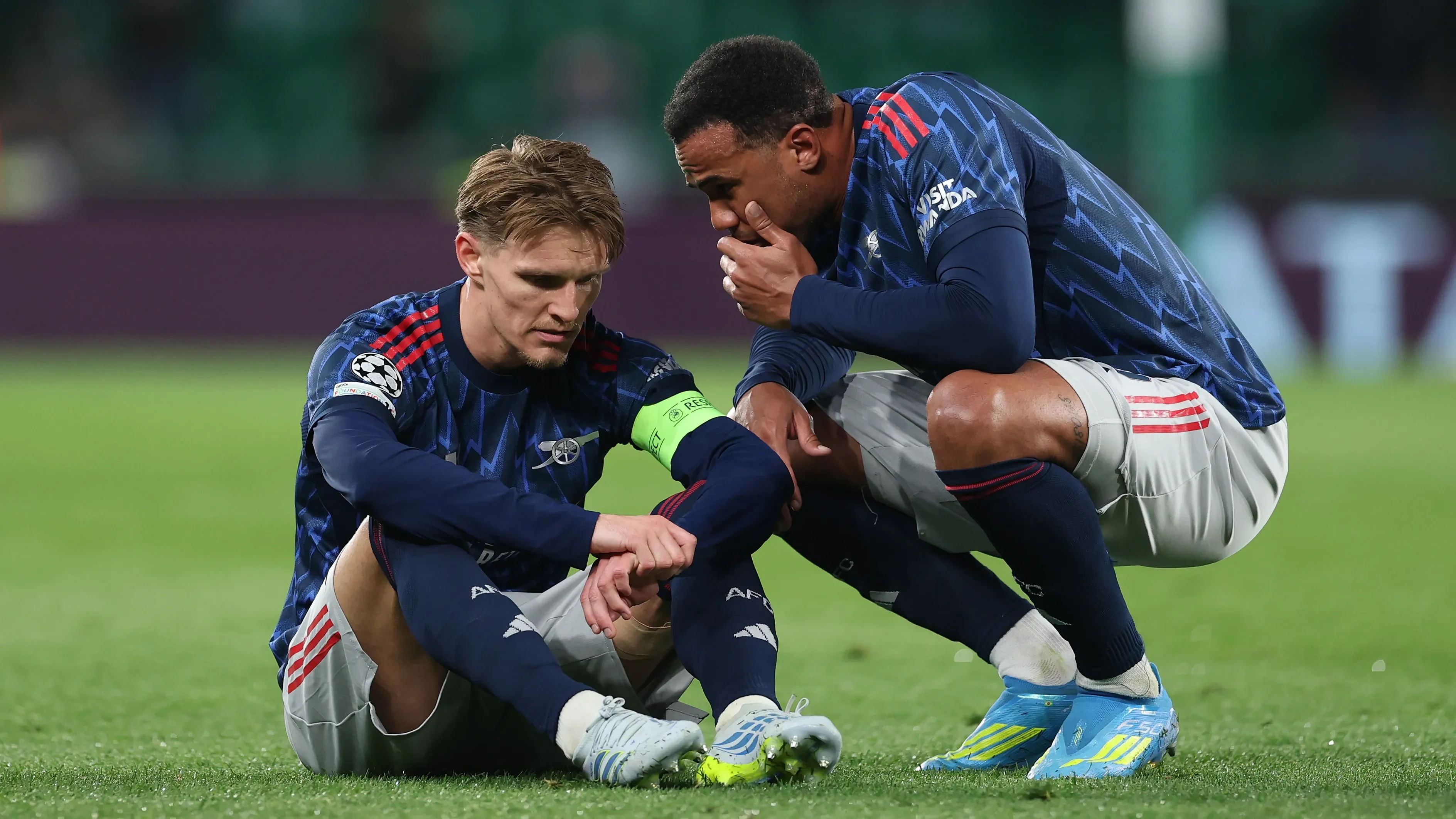
Arsenal captain Martin Ødegaard confirmed on Thursday that he has suffered a fresh knee injury setback during the club’s European campaign, extending his time on the sidelines.
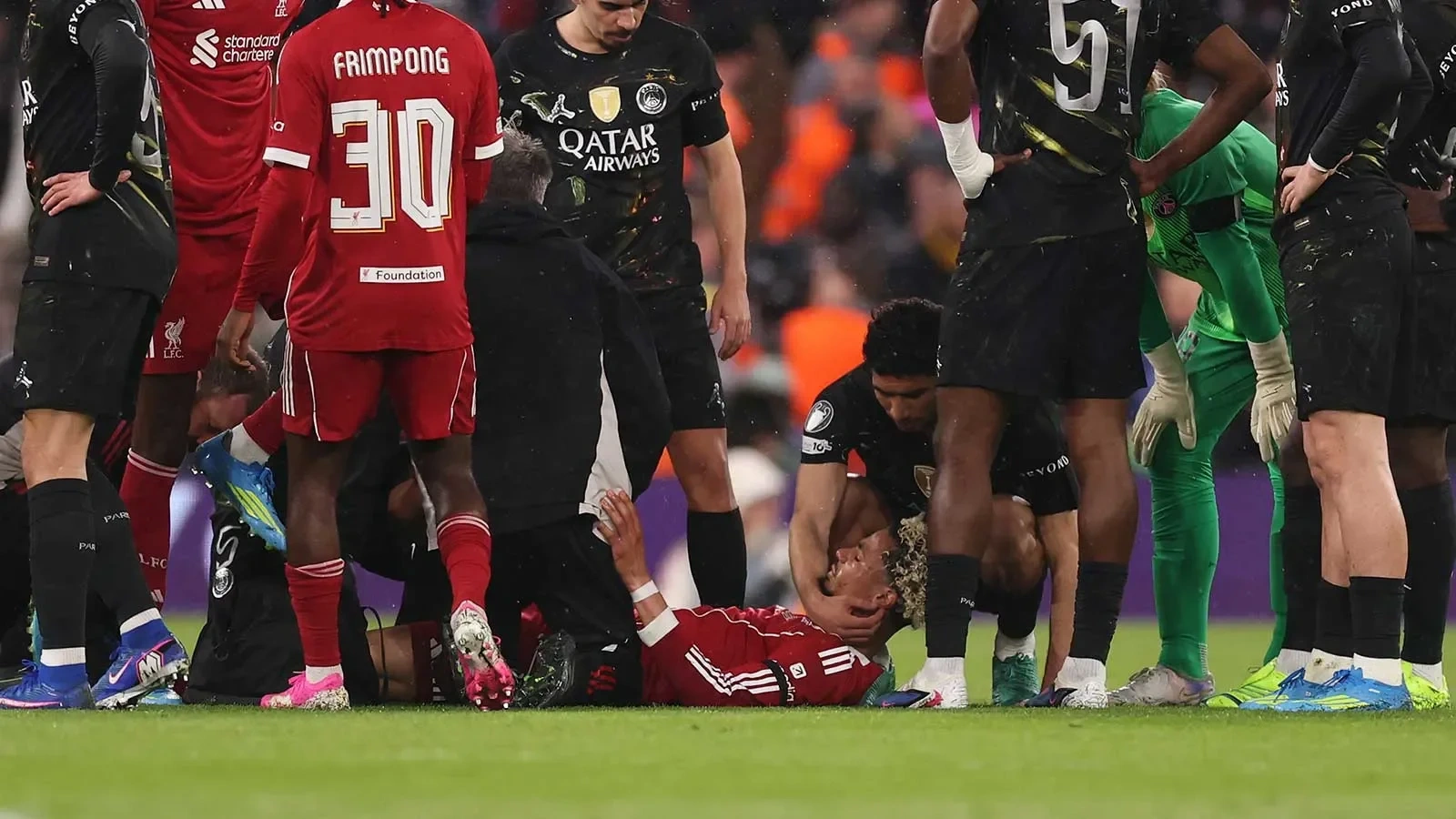
The Norwegian midfielder, who returned to the starting lineup last weekend for the FA Cup defeat to Southampton, was forced off in the second half of Arsenal’s Champions League group match against Sporting CP in Lisbon.
Ødegaard reported feeling the discomfort in his knee after the incident, continued for approximately ten minutes, and then left the field, an injury that has now ruled him out of the Premier League clash with Bournemouth on Saturday.
In his official programme notes, the captain wrote, “I had to go off during the second half of that game in Portugal last week, feeling my knee, which is why I missed the game at the weekend.”
He added a note of optimism, stating, “I caught it a little bit against Sporting, but hopefully it shouldn’t be too bad.”
Arsenal’s manager Mikel Artur will be without his primary creator for the upcoming Champions League quarter‑final second leg against Sporting CP, scheduled for Wednesday.
The injury also threatens Ødegaard’s availability for the crucial Premier League encounter with Manchester City at the Etihad Stadium on Sunday, a match that could decide the title race.
Arsenal currently sit atop the Premier League with a nine‑point lead, and a victory over City would consolidate that advantage, while a loss could allow Guardiola’s side to close the gap.
Ødegaard’s absence removes a central figure in Arsenal’s attacking build‑up, a role he has filled in 13 Premier League starts and three Champions League appearances this season.
His limited involvement has been a direct consequence of a stop‑start campaign marked by multiple fitness setbacks.
Earlier in the season, Ødegaard missed six weeks due to a knee issue, and prior to that he dealt with shoulder problems that required treatment.
These recurring injuries have prevented him from establishing a consistent rhythm, a factor that has been reflected in Arsenal’s creative output.
In the league, Arsenal have scored 68 goals, averaging 2.26 per game, while Ødegaard has contributed eight goals and eleven assists across all competitions.
| Competition | Matches Played | Goals + Assists |
|---|---|---|
| Premier League | 13 | 5 + 7 |
| Champions League | 3 | 2 + 2 |
| FA Cup | 2 | 1 + 2 |
The statistical breakdown highlights Ødegaard’s influence when available, particularly his involvement in goal creation during high‑stakes matches.
Arsenal’s tactical system under Artur relies heavily on Ødegaard’s ability to orchestrate play from the central midfield, linking the back four with the forward line.
Without him, the Gunners have been forced to adapt, often shifting to a more direct approach that emphasizes wing play and the movement of Bukayo Saka and Gabriel Martinelli.
In the Bournemouth defeat, Arsenal managed only two shots on target, a clear indicator of the creative deficit caused by Ødegaard’s absence.
| Match | Shots on Target | Possession % |
|---|---|---|
| Arsenal vs Bournemouth | 2 | 48 |
| Arsenal vs Southampton (FA Cup) | 5 | 52 |
| Arsenal vs Sporting CP | 4 | 49 |
Arsenal’s league position remains strong, sitting first with 71 points after 31 matches, while Manchester City trail on 62 points.
| Team | Points | Games Played |
|---|---|---|
| Arsenal | 71 | 31 |
| Manchester City | 62 | 31 |
| Liverpool | 58 | 31 |
The timing of Ødegaard’s injury is particularly problematic because the club faces a congested schedule that includes the Champions League quarter‑final second leg and the decisive league fixture within the same week.
Artur’s squad depth will be tested, with midfield options such as Thomas Partey, Granit Xhaka, and the emerging talent Emile Smith Rowe expected to share the creative responsibilities.
Partey, who has started 18 league matches this season, brings defensive solidity but lacks Ødegaard’s vision in the final third.
Smith Rowe, who has featured in nine Premier League games, offers dynamism but still requires consistency at the highest level.
Arsenal’s recent form in the Champions League has been mixed, with a 2‑1 loss to Bournemouth in the league preceding a 2‑1 defeat to Sporting CP in the group stage.
The Gunners finished the group in second place, advancing to the knockout stage where they now face Sporting CP again, this time on neutral ground in London.
Sporting CP’s own campaign has been marked by disciplined defensive organization, making Ødegaard’s creative influence even more crucial for Arsenal’s progression.
If Ødegaard remains unavailable, Arsenal may need to rely on set‑piece routines and the individual brilliance of Saka, who has already registered six goals in the league.
Saka’s pace and ability to cut inside from the left flank could become a primary outlet for creating scoring opportunities in Ødegaard’s absence.
Martinelli, who has contributed four league goals, offers a complementary threat on the right, often interchanging positions with Saka to disrupt defensive structures.
Arsenal’s defensive record remains solid, conceding 31 goals in the league, the second‑best tally behind Liverpool’s 28.
| Team | Goals Conceded | Clean Sheets |
|---|---|---|
| Arsenal | 31 | 12 |
| Liverpool | 28 | 13 |
| Manchester City | 33 | 11 |
The Gunners’ ability to maintain defensive stability while compensating for the loss of creative midfield play will be vital in the upcoming fixtures.
Historically, Arsenal have managed to navigate periods without Ødegaard, most notably during the 2022‑23 season when a prolonged injury kept him out for three months, yet the team still secured a top‑four finish.
That experience suggests the squad possesses the resilience to cope, although the current title race adds pressure that was less acute in previous campaigns.
Arsenal’s recent head‑to‑head record against Manchester City shows three wins, two draws, and four losses over the past ten meetings, indicating a competitive rivalry.
| Opponent | Wins | Draws | Losses |
|---|---|---|---|
| Manchester City | 3 | 2 | 4 |
The upcoming London fixture at the Emirates will test Arsenal’s tactical flexibility, with Artur expected to adopt a more compact midfield shape to mitigate Ødegaard’s absence.
Set‑piece proficiency, particularly from the dead‑ball specialist Aaron Ramsdale, could provide a crucial edge in a tightly contested match.
Ramsdale has already kept five clean sheets this season and contributed two assists from long‑range distribution.
Beyond the immediate fixtures, Ødegaard’s injury raises longer‑term concerns regarding his rehabilitation timeline and the potential impact on Arsenal’s campaign in both domestic and European competitions.
Medical staff have indicated that the knee flare‑up is a “minor setback,” but no definitive return date has been announced, leaving the club’s planning window limited.
Arsenal’s next scheduled match after the City clash is the Champions League quarter‑final second leg against Sporting CP on Wednesday, a game that could determine whether the Gunners progress to the semi‑finals.
If Ødegaard is unable to feature, Artur will likely deploy a double‑pivot midfield, pairing Partey with Xhaka to provide both defensive cover and transitional passing.
The tactical adjustment may reduce Arsenal’s attacking fluidity but could enhance stability against Sporting’s disciplined midfield unit.
In the broader context of the Premier League, Ødegaard’s injury highlights the fine margins that can influence title outcomes, as teams contend with squad depth and injury management.
Manchester City, who have enjoyed relative injury stability, will look to exploit any disarray within Arsenal’s ranks to close the nine‑point gap.
Conversely, Arsenal’s resilience in overcoming this setback could reinforce their status as a title‑contending side capable of sustaining performance despite adversity.
Fans and analysts will be closely monitoring the club’s official communications for updates on Ødegaard’s condition and the tactical plans for the decisive fixtures ahead.