Hansi Flick Says Barcelona Are Historically Stronger Than Atletico Madrid Ahead of Champions League Quarter-Final Comeba
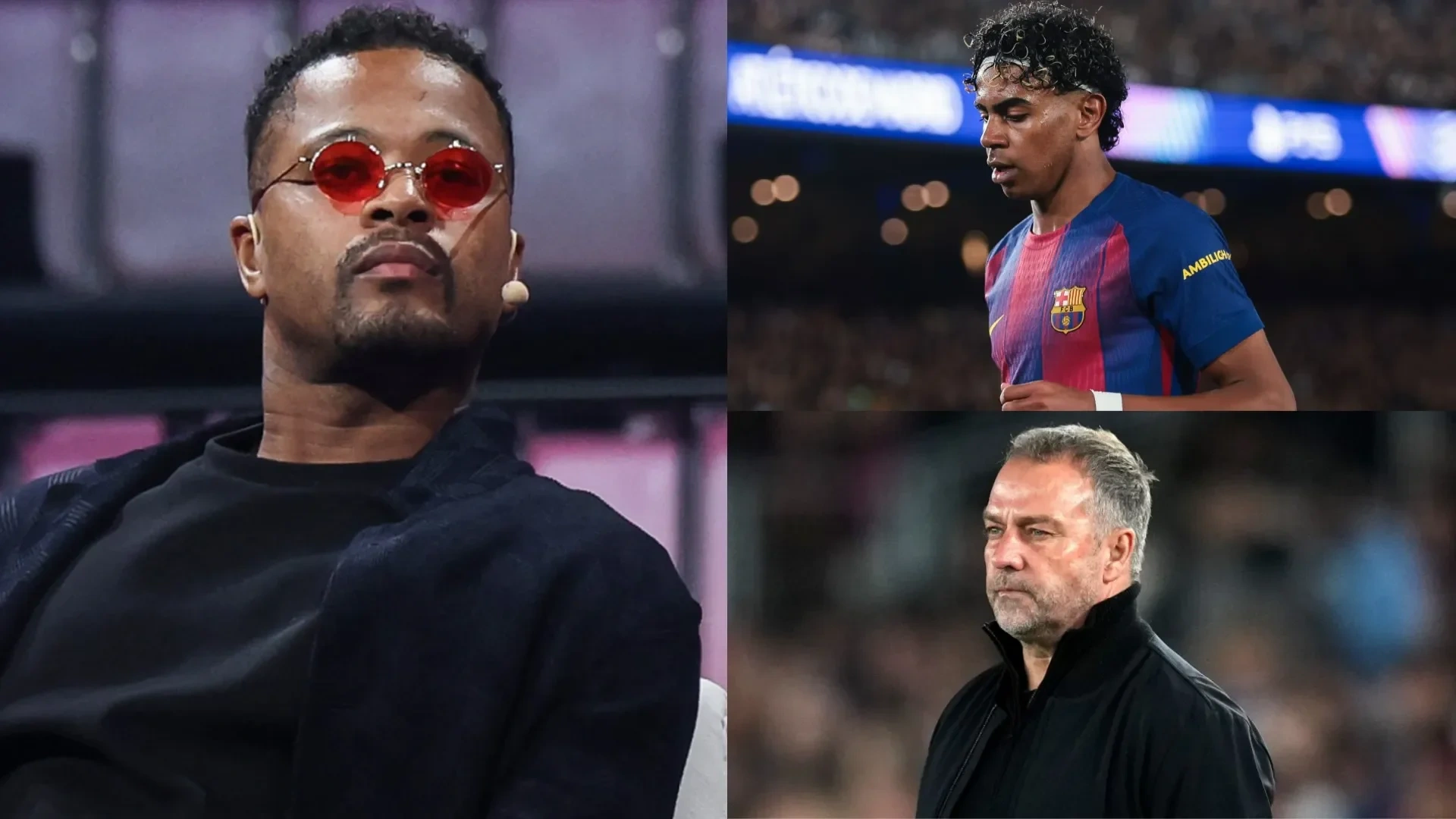
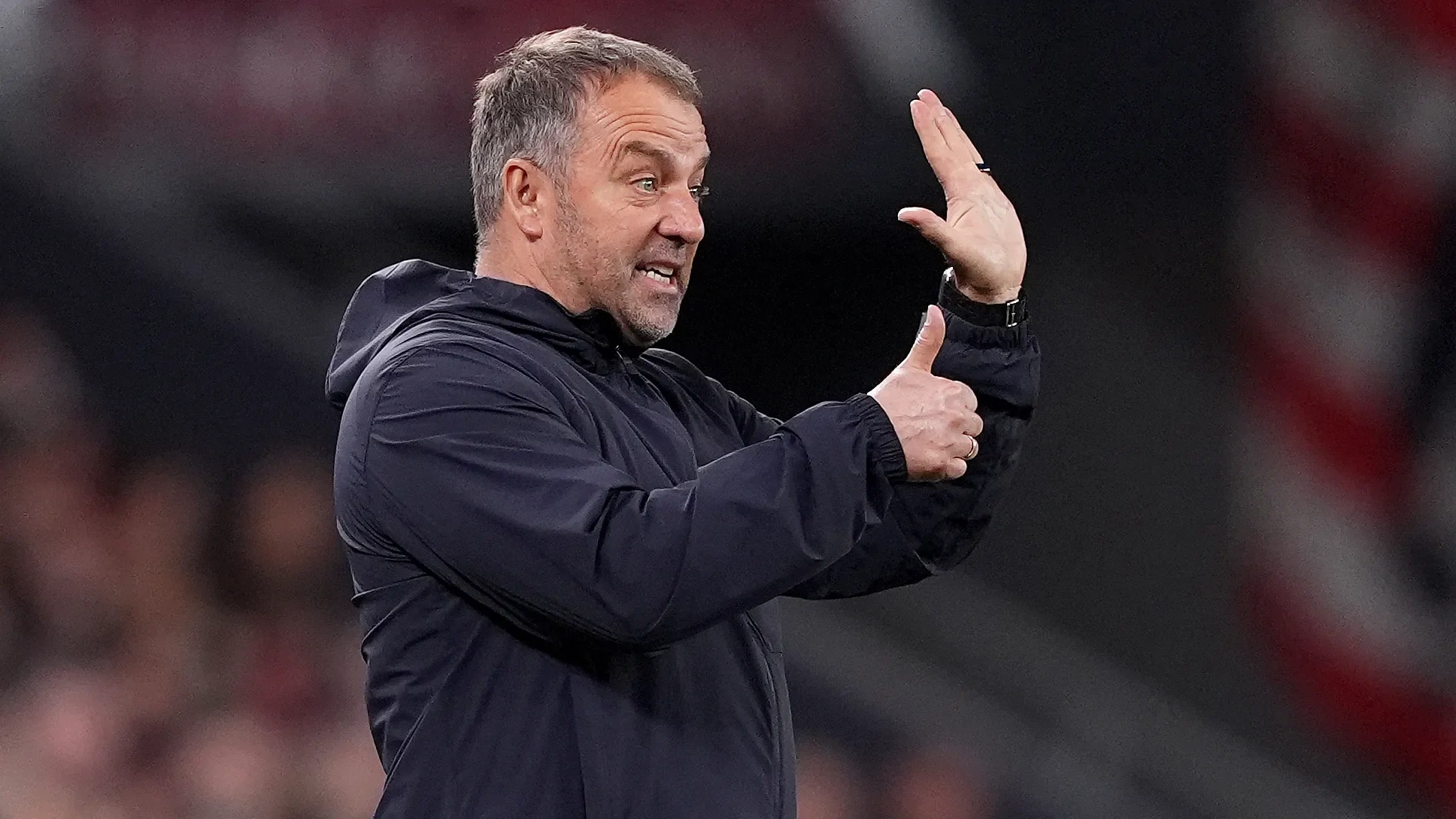
Hansi Flick arrived at the Metropolitano on Tuesday with a clear message: Barcelona must display “tactical bravery” to overturn the 2‑0 deficit left by the first‑leg loss to Atlético Madrid.
The German manager reiterated that historically “we’re usually a better team” in this quarter‑final tie, a statement that underscores his confidence in the squad’s quality despite the hostile atmosphere expected in Madrid.
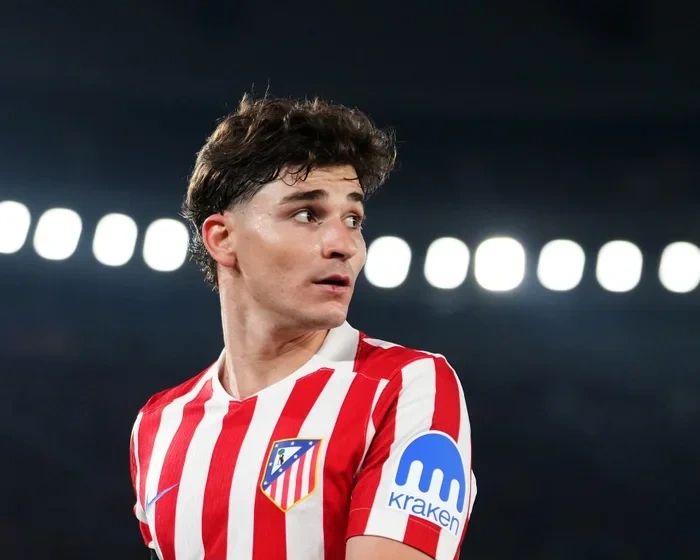
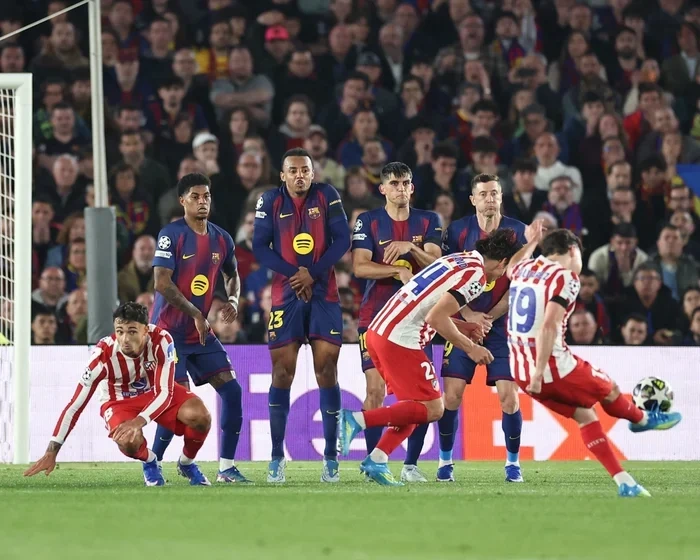
Atlético secured a 2‑0 advantage at the Spotify Camp Nou last week, a result that hinged on a red card for Pau Cubarsi and a spectacular free‑kick from Julián Álvarez.
That first‑leg performance left Barcelona with a precarious position, forcing Flick to shift his focus from tactical tweaks to a broader mental and psychological reset.
Flick emphasized that breaking down Diego Simeone’s disciplined defensive block will require a “high‑intensity, courageous style of play,” a principle he described as non‑negotiable for progression.
He added that the team must “attack, press and take advantage of every opportunity,” highlighting the need for collective bravery rather than reliance on individual moments of brilliance.
The manager’s comments reflected a pragmatic assessment of the situation: Atlético possess a strong defensive unit, but Barcelona have the technical tools to dismantle it if they commit to forward play.
“We’ll need to defend very strongly but also be brave in attack,” Flick said, underlining the balance required between defensive solidity and offensive risk.
In terms of squad availability, the Catalans face several fitness concerns that could influence the match‑day selection.
Midfield stalwart Marc Bernal remains a major doubt, while the form of Frenkie de Jong and the fitness of Gavi are being closely monitored.
Flick noted that “Frenkie is playing better than he did under Bernal,” suggesting the Dutchman could start if he proves fit in the final training session.
Gavi, described by the coach as “fearless” and giving “everything to the team,” is also expected to feature, though his exact role will be confirmed after the pre‑match preparations.
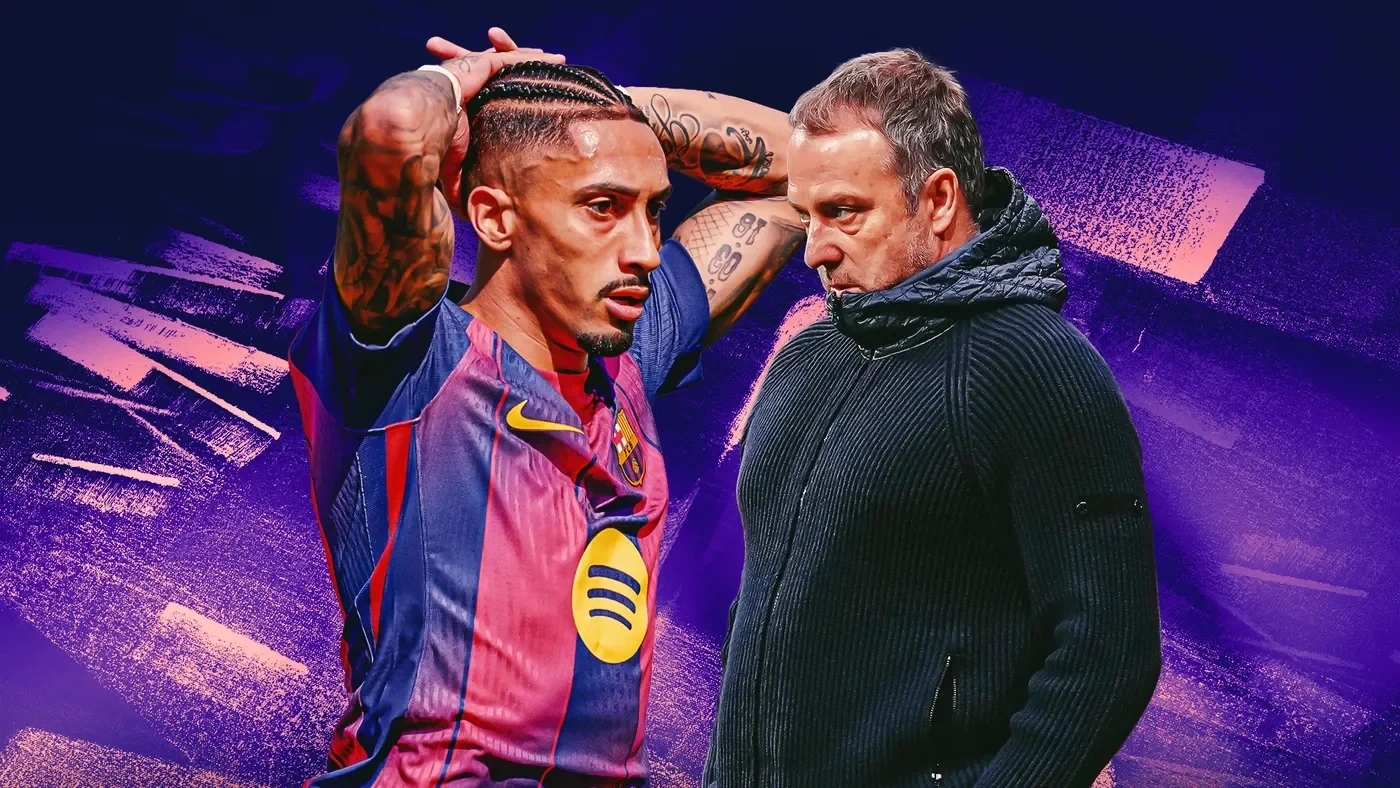
In addition to midfield uncertainties, the squad is missing winger Raphinha and defender Andreas Christensen through injury, further testing Barcelona’s depth.
Cube Rashidi’s suspension adds to the selection dilemma, meaning Flick must rely on the versatility of his remaining players to cover multiple positions.
Historically, Barcelona have enjoyed a favorable record against Atlético in European competition, a fact the manager believes can inspire confidence.
The head‑to‑head statistics in the Champions League illustrate that Barcelona have progressed past Atlético on several occasions, often overturning deficits.
| Competition | Matches Played | Barcelona Wins |
|---|---|---|
| UCL/UEL | 7 | 4 |
| UCL/UEL | 7 | 2 |
The table above reflects Barcelona’s overall superiority in European encounters with the Spanish side, despite recent setbacks.
Beyond the immediate tie, the outcome carries significant implications for the remainder of Barcelona’s season.
A victory would secure a place in the Champions League semi‑finals, rejuvenating a campaign that has struggled to meet the club’s lofty expectations.
Conversely, elimination would force Barcelona to redirect their focus entirely to domestic competitions, where La Liga and the Copa del Rey remain critical objectives.
Flick’s emphasis on “mental and attitude” aligns with the broader narrative that psychological resilience is as vital as tactical execution in knockout football.
He argued that “every positive aspect will be important,” suggesting that even small moments—such as winning a duel or maintaining possession—could tilt the balance.
From a tactical standpoint, Barcelona are expected to adopt a more aggressive pressing scheme, aiming to force errors deep in Atlético’s half.
By compressing the space between the lines, Flick hopes to limit Simeon’s counter‑attacking threats while creating overloads on the flanks.
Winger Raphinha’s absence places additional responsibility on the likes of Ousmane Dembélé and Ansu Fati to stretch the defense and deliver crosses into the box.
In midfield, de Jong’s ball‑retention skills and Gavi’s relentless work rate could provide the platform for rapid transitions.
Defensively, the team will likely continue to employ a back‑four, but with full‑backs permitted to join the attack, a tactical nuance that could leave them vulnerable to Atlético’s quick breaks.
Atletico’s own strategy under Simeone is expected to remain disciplined, with a focus on compactness and exploiting any defensive lapses from Barcelona.
Álvarez’s free‑kick in the first leg demonstrated that set‑piece proficiency will be a critical factor, prompting Barcelona to prioritize defensive organization during dead‑ball situations.
Statistically, Barcelona’s possession average this season sits at 62 %, while Atlético typically dominate in duels, winning approximately 55 % of ground battles.
| Team | Possession (%) | Duels Won (%) |
|---|---|---|
| Barcelona | 62 | 48 |
| Atlético | 38 | 55 |
The statistical edge in possession suggests Barcelona will look to dominate the ball, yet they must improve their duel success rate to avoid being out‑muscled.
Player profiles provide further insight into the potential match‑ups that could define the tie.
Julián Álvarez, the Argentine forward who scored the decisive free‑kick, combines technical finesse with a powerful shot, making him a constant threat on set‑pieces.
Frenkie de Jong, a deep‑lying playmaker, excels in dictating tempo and breaking lines with incisive passes, a quality that could unlock Atlético’s compact shape.
Gavi, despite his youth, brings relentless pressing and a high work rate, attributes that align with Flick’s demand for “tactical bravery.”
On the defensive side, Ronald Araújo’s aerial ability will be crucial in neutralizing Álvarez’s set‑piece danger.
Goalkeeper Marc‑André ter Stegen’s experience in high‑pressure European nights could prove decisive if Atlético create second‑ball opportunities.
Beyond individual talent, the collective experience of the squad in previous Champions League comebacks may provide an intangible edge.
Players such as Pedri and Robert Lewandowski have been part of memorable turnarounds, reinforcing the notion that “we can do it, why not?” as voiced by Flick.
The upcoming match also carries financial ramifications, as progression to the semi‑finals guarantees a substantial increase in UEFA prize money.
Such revenue is vital for Barcelona’s ongoing rebuilding efforts, especially after recent fiscal constraints that have shaped transfer policies.
From a fan perspective, the atmosphere at the Metropolitano is expected to be “incredible,” a factor that Flick believes could energize his side.
He noted that “the fans know what they need,” implying that the crowd’s passion may spur Barcelona to a more aggressive approach.
In summary, the second leg pits a historically superior Barcelona side against a defensively resilient Atlético squad, with the outcome hinging on tactical bravery, midfield fitness, and execution under pressure.
Flick’s confidence, combined with the players’ technical abilities and the club’s strategic imperatives, sets the stage for a potentially historic comeback.