Barcelona Faces Crisis Without Injured Raphinha as Champions League Push and Atletico Madrid Decider Loom
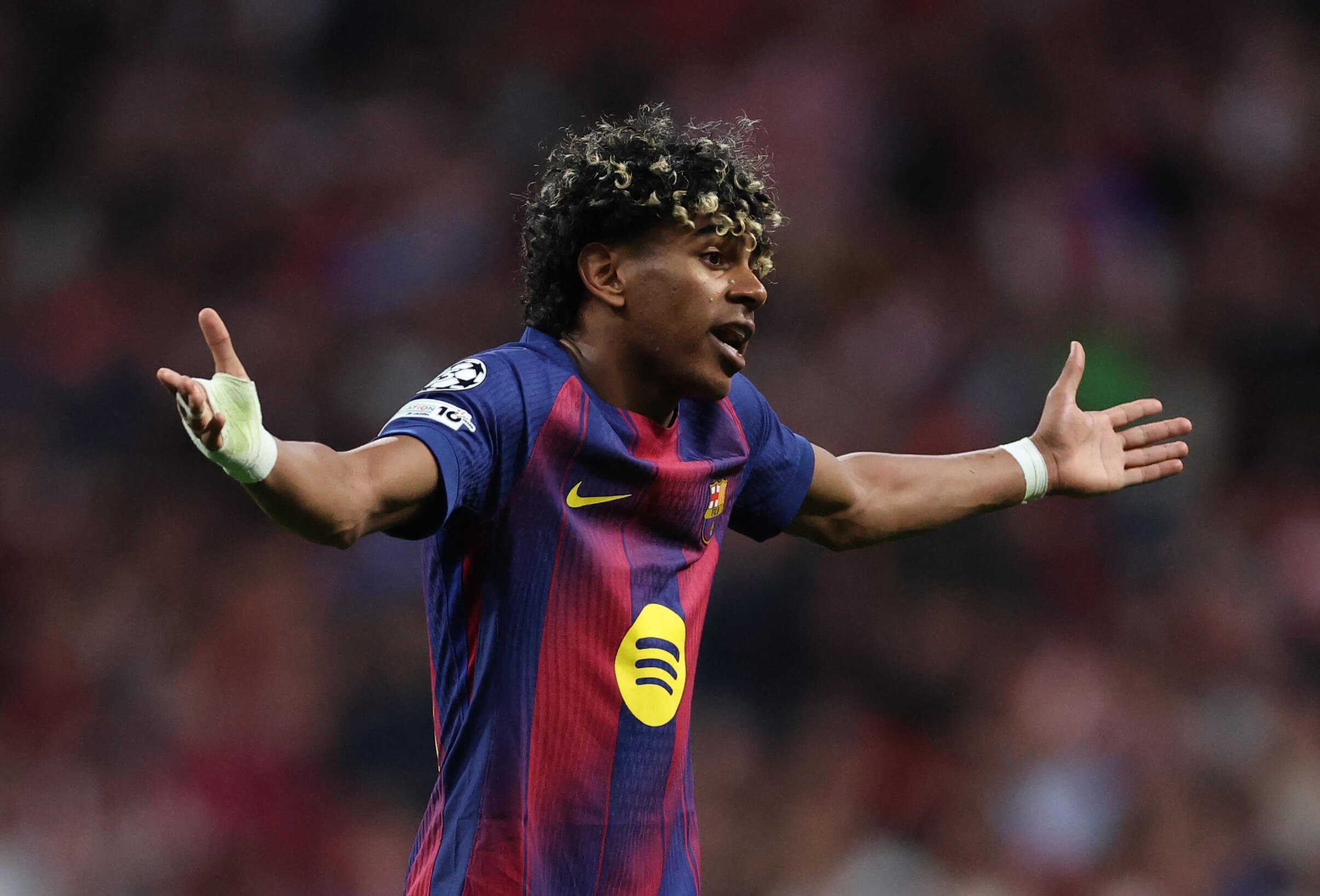
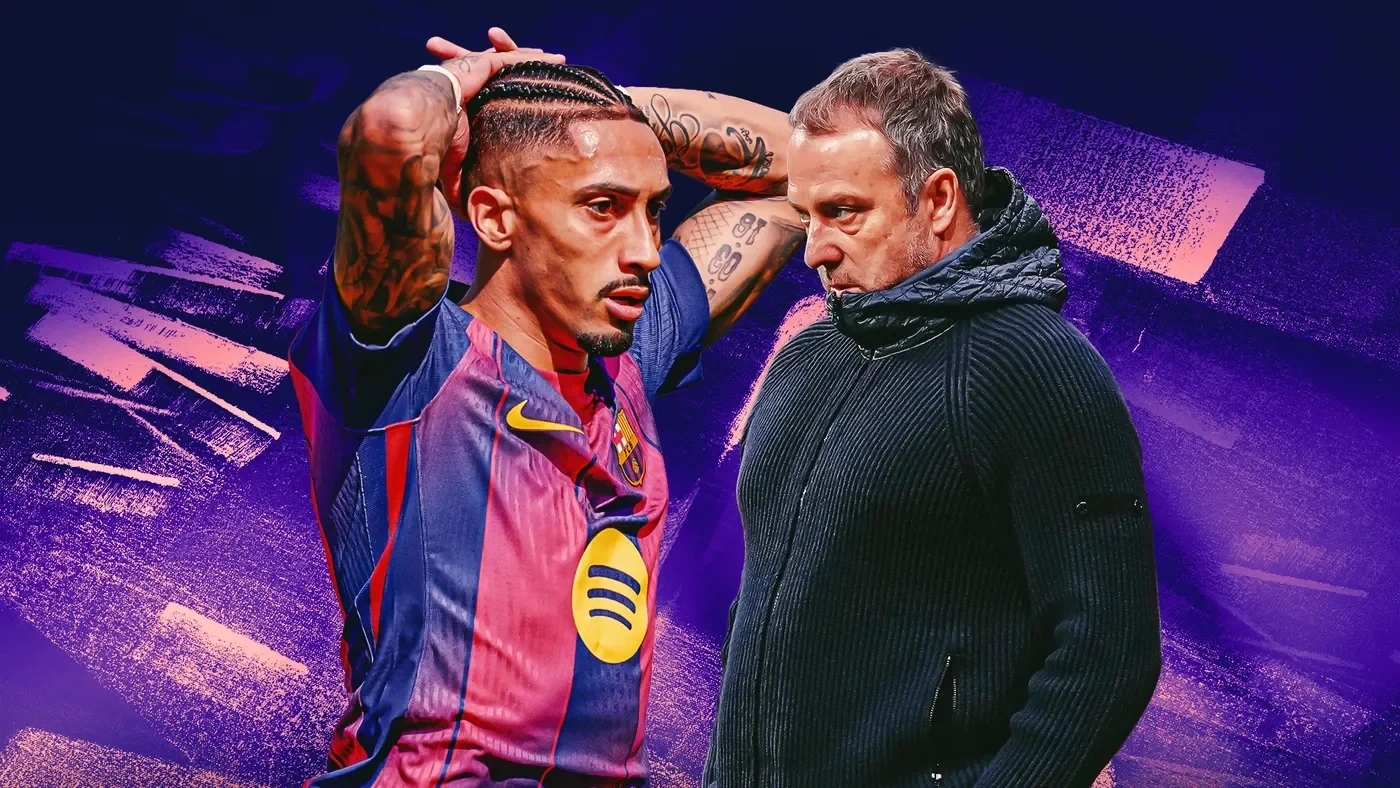
Raphinha’s hamstring injury, confirmed by the Brazilian Football Federation on March 27, will keep the Brazilian winger out of action for an estimated five weeks, according to Barcelona’s official statement.
The timing of the setback is particularly damaging as Barcelona approach a decisive run of fixtures that includes a La Liga duel with Atlético Madrid at the Metropolitano and a Champions League quarter‑final tie against the same opposition.
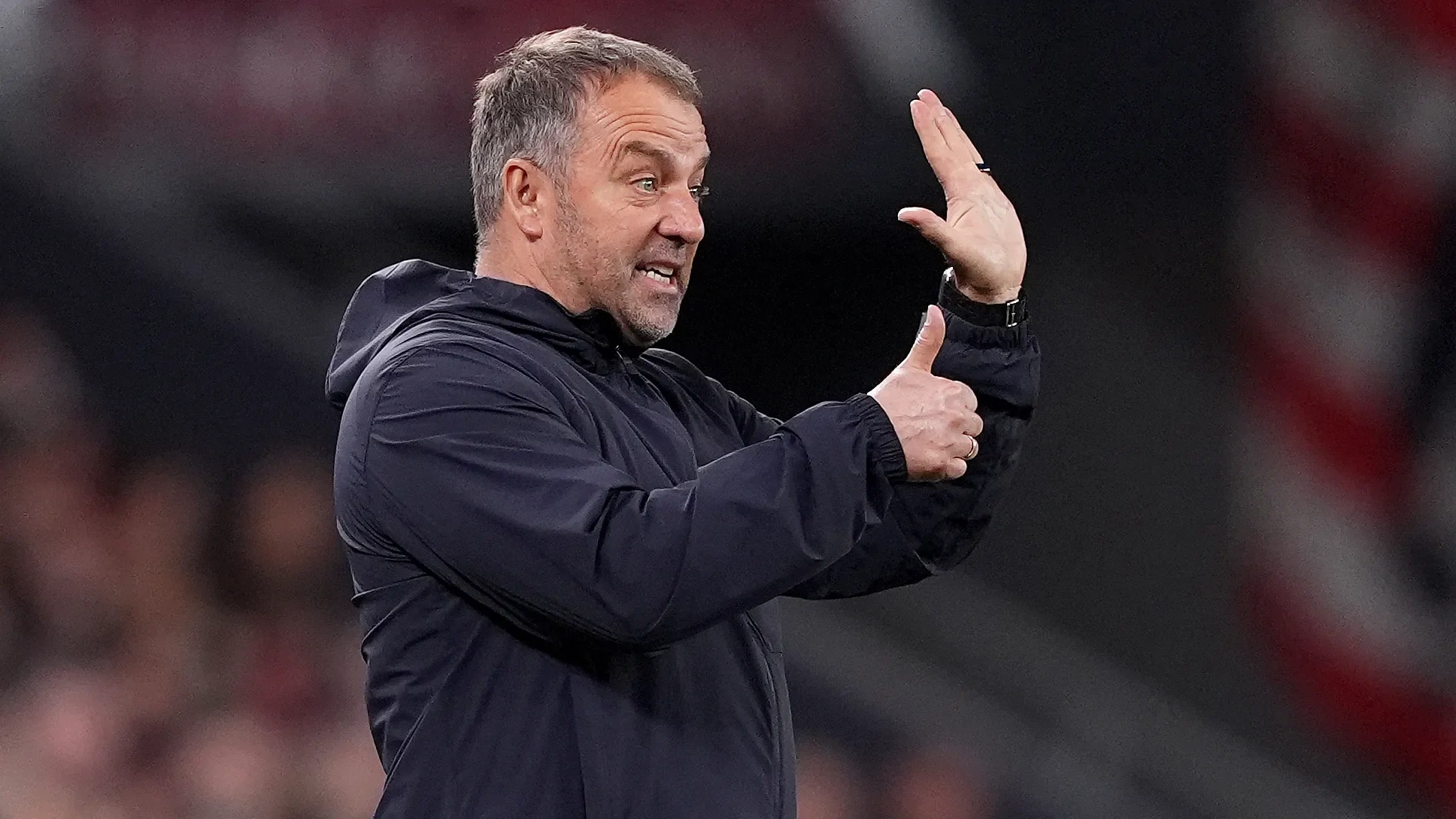
Coach Hansi Flick has repeatedly highlighted Raphinha’s role as the player who “puts the pressure on” opponents, a quality that has proved vital in Barcelona’s attacking framework this season.
Raphinha’s contribution of 19 league goals makes him the club’s second‑top scorer, while his eight assists demonstrate his dual threat as both a finisher and a creator.
In addition to his statistical output, the winger has frequently assumed the captain’s armband, reinforcing his status as a de facto leader on the pitch.
Barcelona’s medical staff acted swiftly after the player reported “mild discomfort” in his right thigh during Brazil’s friendly against France, but subsequent tests confirmed a hamstring strain.
President Joan Laporta expressed frustration with the international calendar, arguing that “the crowded schedule at the time of the season” jeopardises clubs competing on multiple fronts.
Laporta’s comments echo broader concerns within European football about the impact of mid‑season international windows on club performance.
While Barcelona may be eligible for a €144,000 payout under the FIFA Club Protection Programme, the amount is dwarfed by the potential prize money lost if the team fails to progress in the Champions League or secure the La Liga title.
The financial implications extend beyond immediate payouts, as missing the quarter‑final against Atlético could jeopardise Barcelona’s chance at a historic sixth European Cup.
Former Barcelona forward Pau Victor remarked that he has not yet spoken with Raphinha, noting the winger is likely “devastated and really p*ssed off” by the injury.
Raphinha’s personal ambition to win the Champions League with Barcelona adds an emotional layer to his absence, especially after finishing as joint‑top scorer in the competition with 13 goals last season.
His recent form was exemplary, having scored a hat‑trick in a 5‑2 La Liga victory over Sevilla only three days before the 7‑2 Champions League second‑leg demolition of Newcastle.
Those performances underline the magnitude of the loss for a side that has already suffered seven defeats this campaign, with Raphinha missing five of those matches through injury.
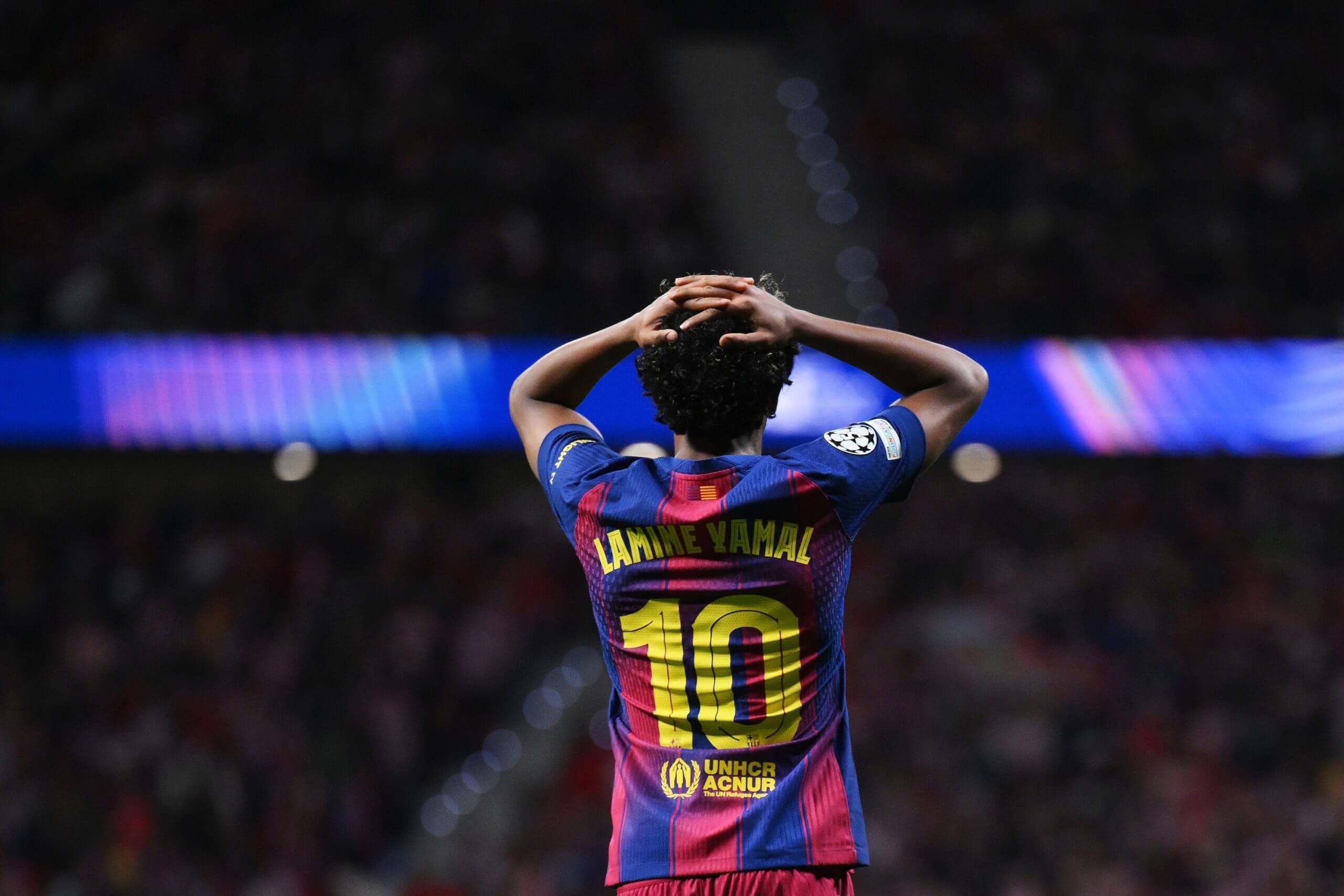
Barcelona’s attacking depth includes Marcus Rashford, Ferran Torres, Fermin López, Dani Olmo, Robert Lewandowski, and Lamine Yamal, yet the team’s rhythm has been heavily reliant on Raphinha’s dynamism.
Rashford, who joined Barcelona on a season‑long loan from Manchester United, could become the primary replacement, having already demonstrated his impact with decisive goals earlier in the season.
Despite speculation about a permanent €30 million transfer for Rashford, the club is also monitoring alternative targets such as Abde Ezzalzouli, Jan Virgili, and Victor Muñoz.
Rashford’s last direct contribution for Barcelona came in January, and he did not feature in the second leg of the Newcastle round‑of‑16 tie, highlighting the urgency of his integration.
The tactical flexibility of Flick’s side allows for multiple configurations, with the potential to give 17‑year‑old Toni Fernandez more minutes as the team navigates the injury crisis.
From a statistical standpoint, Raphinha’s 19 goals and eight assists in 31 appearances translate to a goal involvement every 1.55 games, a ratio that underscores his efficiency.
| Player | Goals | Assists |
|---|---|---|
| Raphinha | 19 | 8 |
| Lewandowski | 14 | 5 |
| Rashford | 7 | 4 |
Barcelona currently sit four points clear at the top of La Liga, but Real Madrid have begun to close the gap under manager Álvaro Arbeloa, boosted by the return of Kylian Mbappé.
The Catalan giants’ margin is precarious, and the loss of their talisman could prove decisive in the final stretch of the domestic campaign.
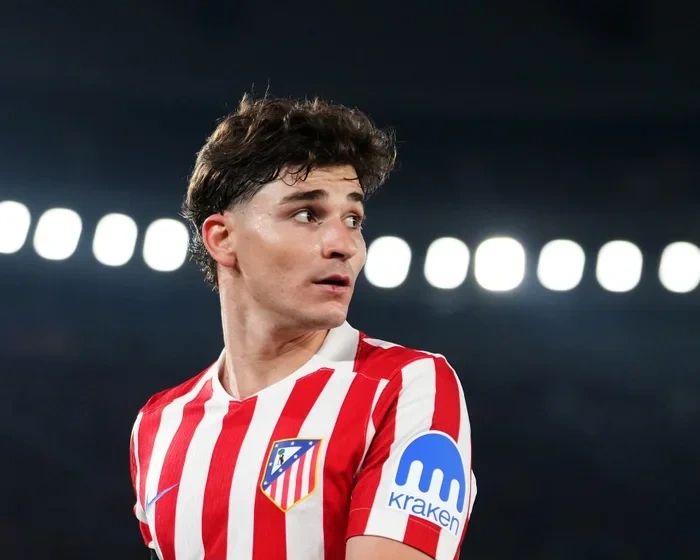
In the Champions League, Barcelona’s quarter‑final against Atlético will be the first test without Raphinha, and his absence could affect the team’s ability to break down a defensively disciplined opponent.
Atlético’s recent performances have shown a compact midfield, meaning Barcelona may need to rely on quick transitions and width from the flanks, areas where Raphinha traditionally excels.
Flick’s tactical setup often positions Raphinha on the left wing, allowing him to cut inside onto his stronger right foot, creating shooting opportunities and opening space for overlapping full‑backs.
Without that diagonal threat, Barcelona may be compelled to shift to a more central attacking pattern, increasing the workload on Lewandowski and Olmo.
Raphinha’s work‑rate and pressing intensity have also been instrumental in Barcelona’s defensive scheme, contributing to the team’s high‑press strategy that forces turnovers high up the pitch.
The winger’s self‑acknowledged “pushy” nature, as he admitted earlier this season, reflects his desire to maintain intensity and demand the same from teammates.
His leadership extends beyond the field; senior players have praised his professionalism and the example he sets for younger squad members such as Lamine Yamal.
Defender Ronald Araujo remains the official captain, yet Raphinha’s frequent captaincy duties illustrate his influence within the dressing room.
Victor’s observation that “the loss of Raphinha is one of the most painful Barca could possibly have right now” captures the emotional weight of the injury on the squad.
While Barcelona possess the “resources to cope without him,” the phrase underscores the fine line between depth and the reliance on a single game‑changing talent.
Should Barcelona fail to progress past Atlético, the financial and sporting repercussions could compound the challenges posed by the compressed schedule.
The club’s upcoming fixtures also include a potential Clasico on May 10, a match that could decide the league title and further test Barcelona’s resilience without their star winger.
Barcelona’s historical success in European competition, highlighted by their recent joint‑top scorer achievement, adds pressure to maintain performance levels despite the setback.
In summary, Raphinha’s five‑week absence arrives at a critical juncture, threatening to disrupt Barcelona’s tactical balance, leadership hierarchy, and title aspirations across both domestic and European fronts.