Erling Haaland Explains Why Girlfriend Is Upset Over Bruises After Manchester City’s 2‑1 Victory Over Arsenal
Erling Haaland confirmed that the physical demands of Premier League football are causing friction at home, explaining that his long‑term partner Isabel Haugseng Johansen “is not happy” when he returns from bruising encounters on the pitch.
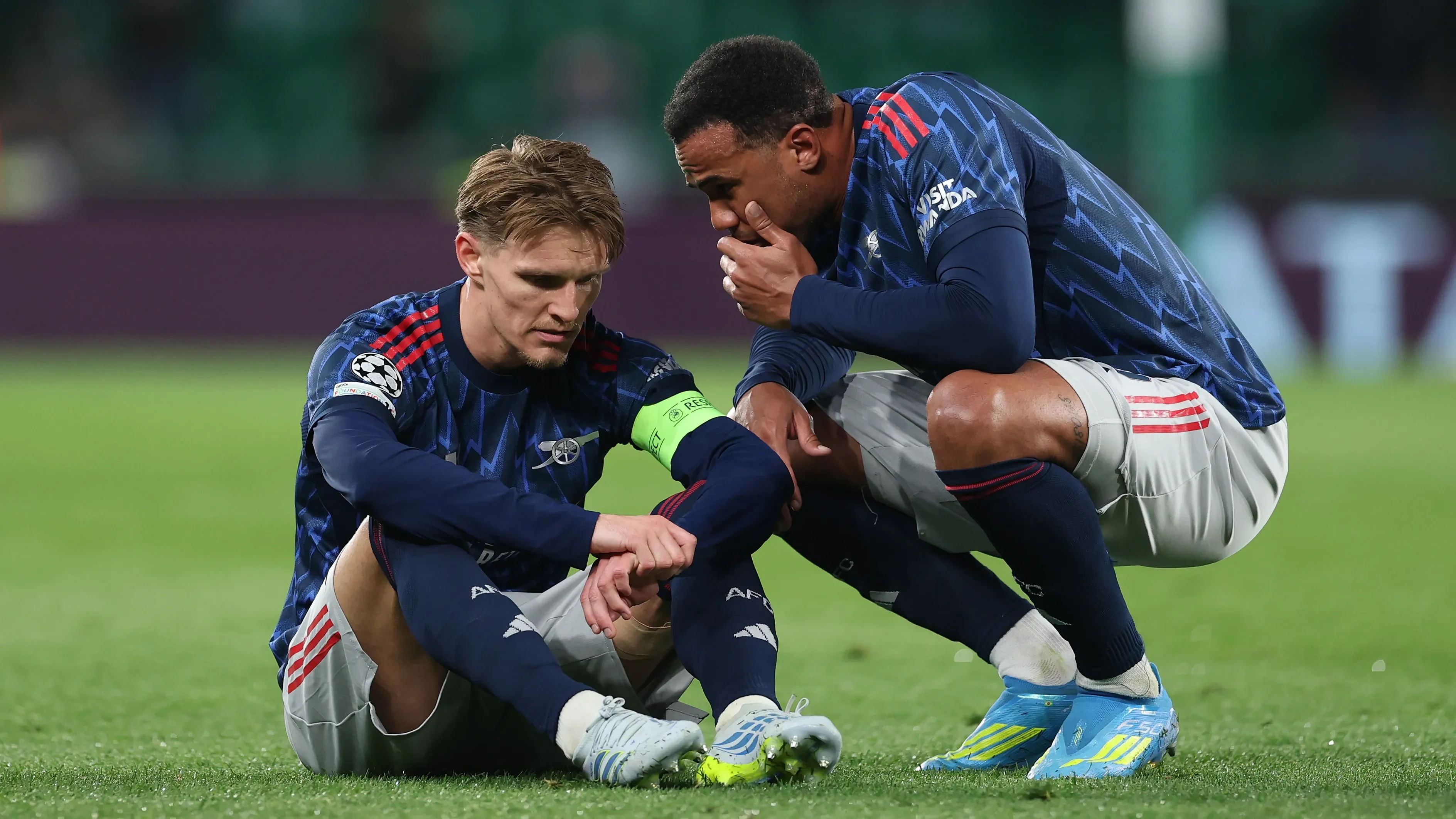
The comments came after City’s 2‑1 victory over Arsenal at the Etihad on 20 April 2026, a match in which Haaland was involved in a heated duel with Arsenal centre‑back Gabriel Magalhães.
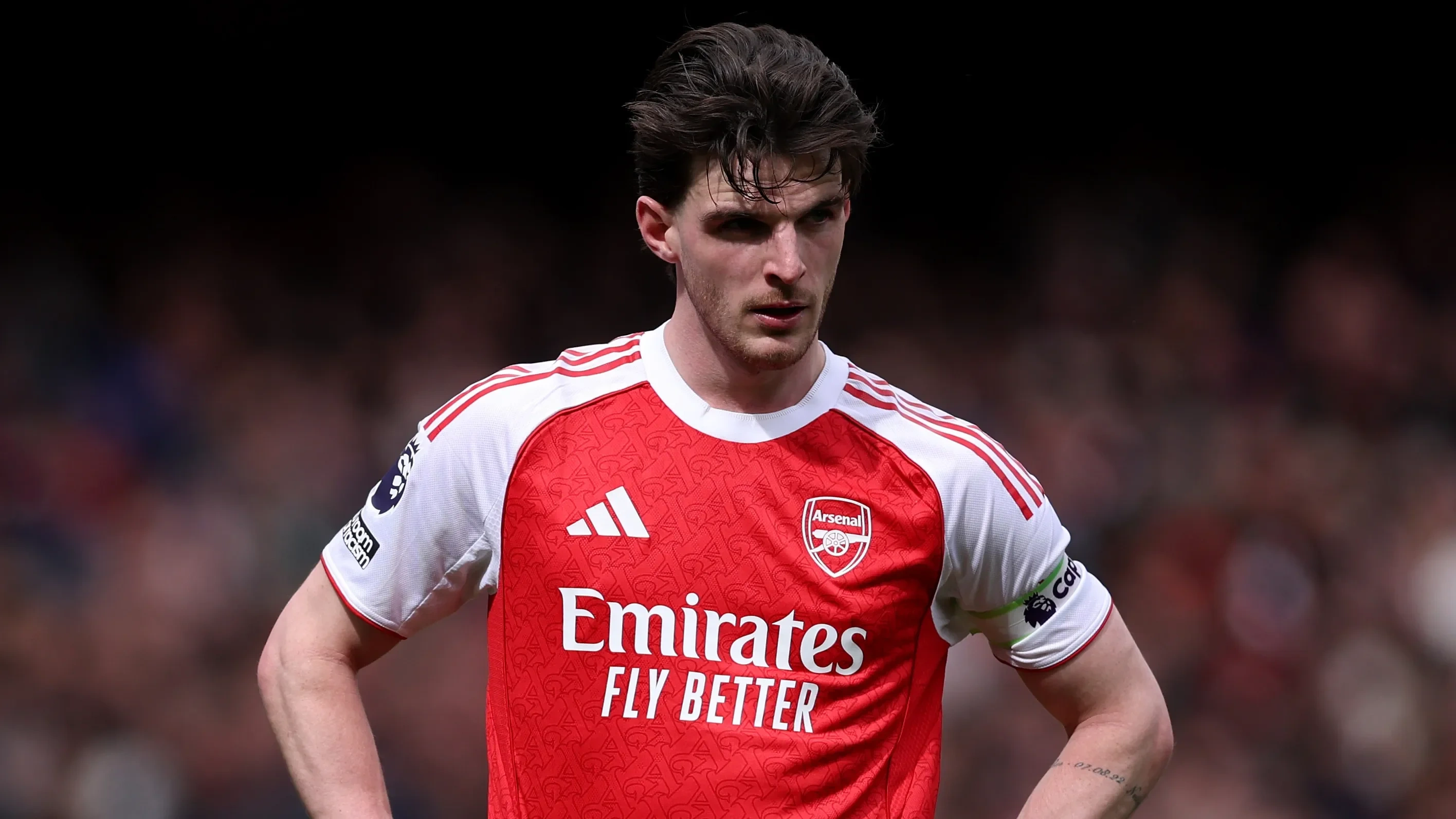
Both forwards engaged in a series of physical battles that saw shirts ripped, tempers flare and a noticeable amount of blood‑stained scuff marks on Haaland’s skin.
During the second half, Haaland was forced to change his kit after his original shirt was shredded in a tussle with Magalhães, a visual reminder of the intensity of the encounter.
Magalhães later appeared to attempt a head‑butt on the Norwegian striker, an action that resulted only in a yellow card rather than a dismissal, adding to the controversy surrounding the fixture.
The rivalry between the two players has become one of the Premier League’s most compelling duels, with each meeting featuring a blend of tactical nuance and raw physicality.
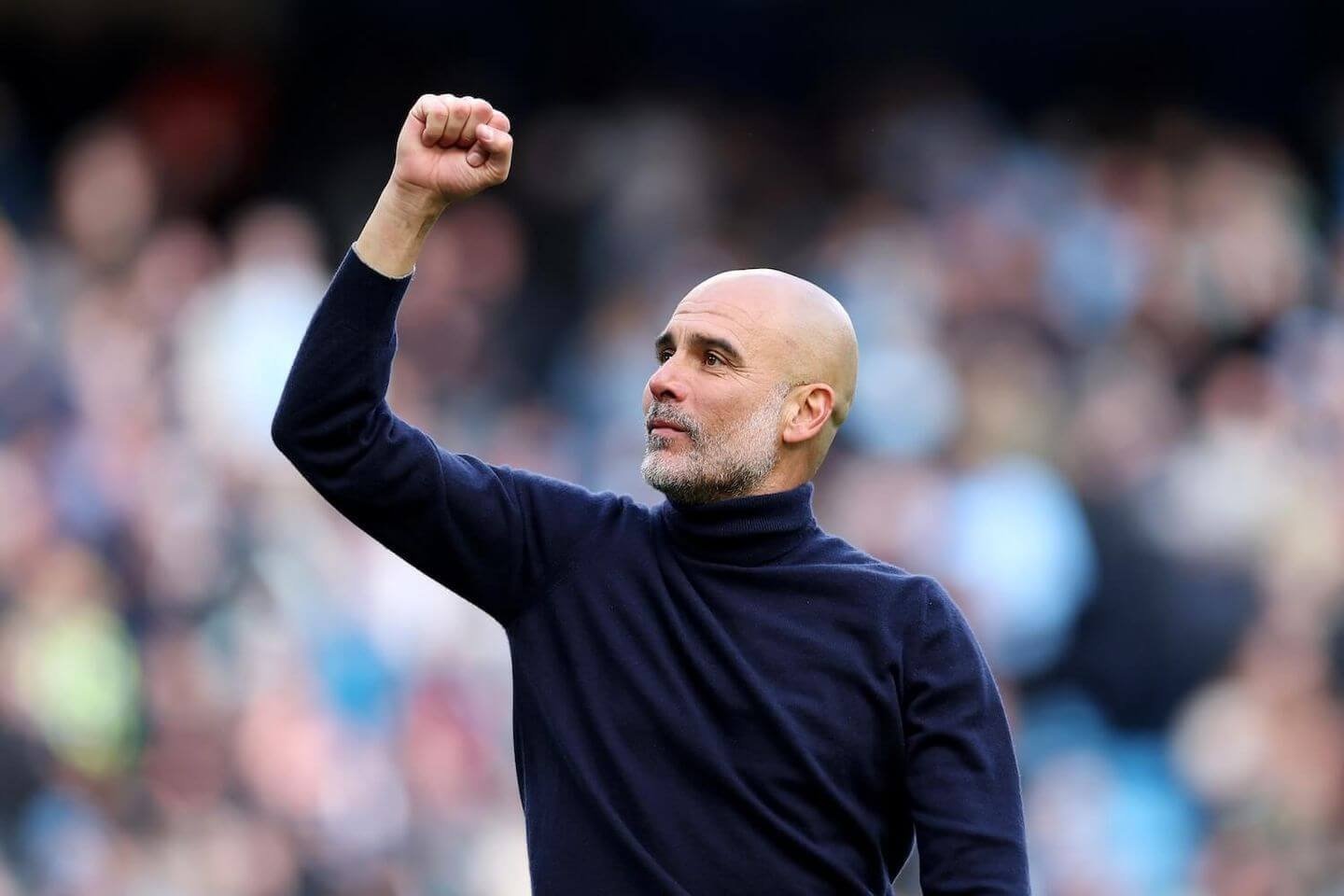
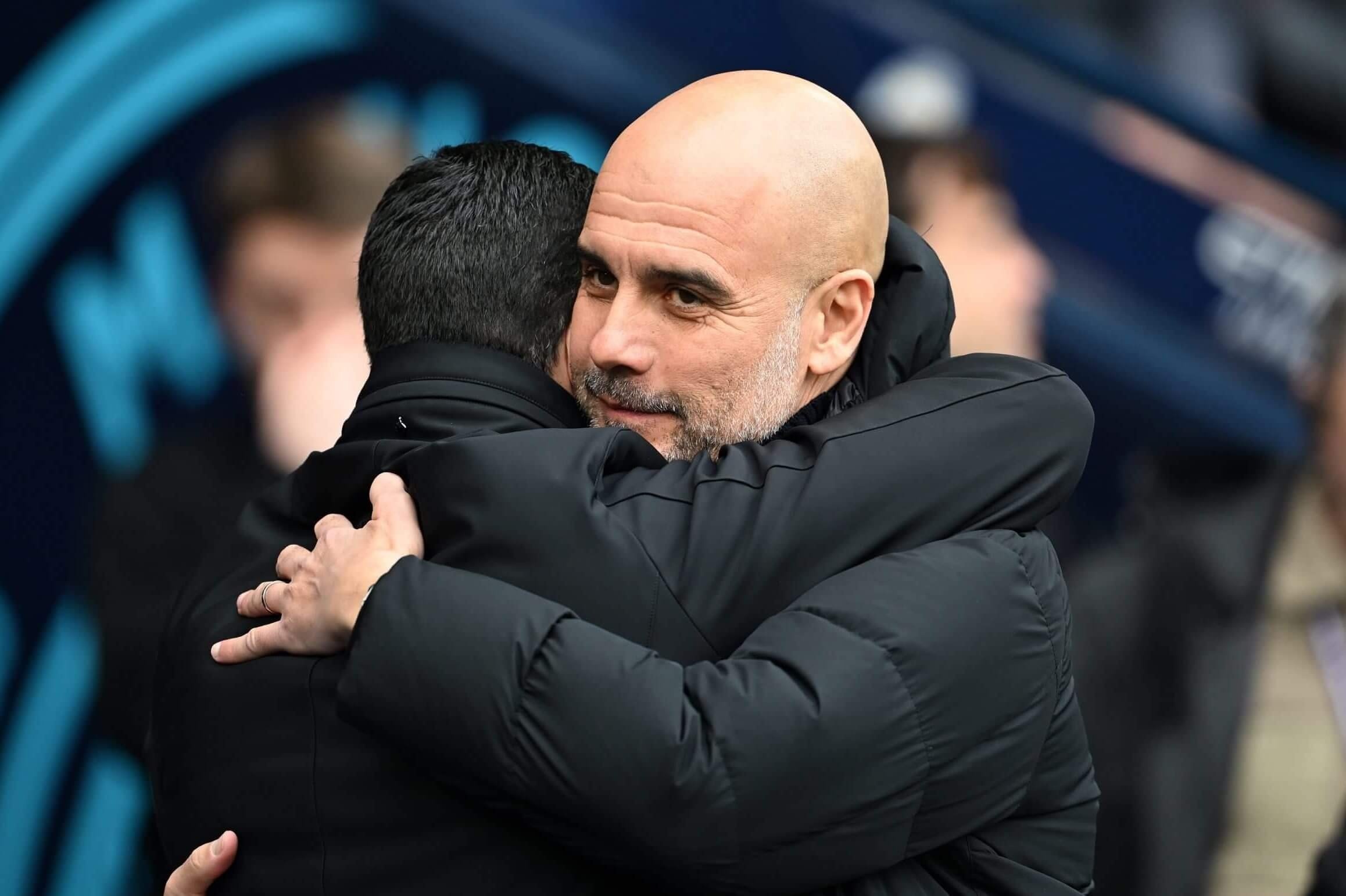
City coach Pep Guardiola has repeatedly highlighted Haaland’s ability to combine clinical finishing with a willingness to engage in the “wrestling” aspects of modern English football.
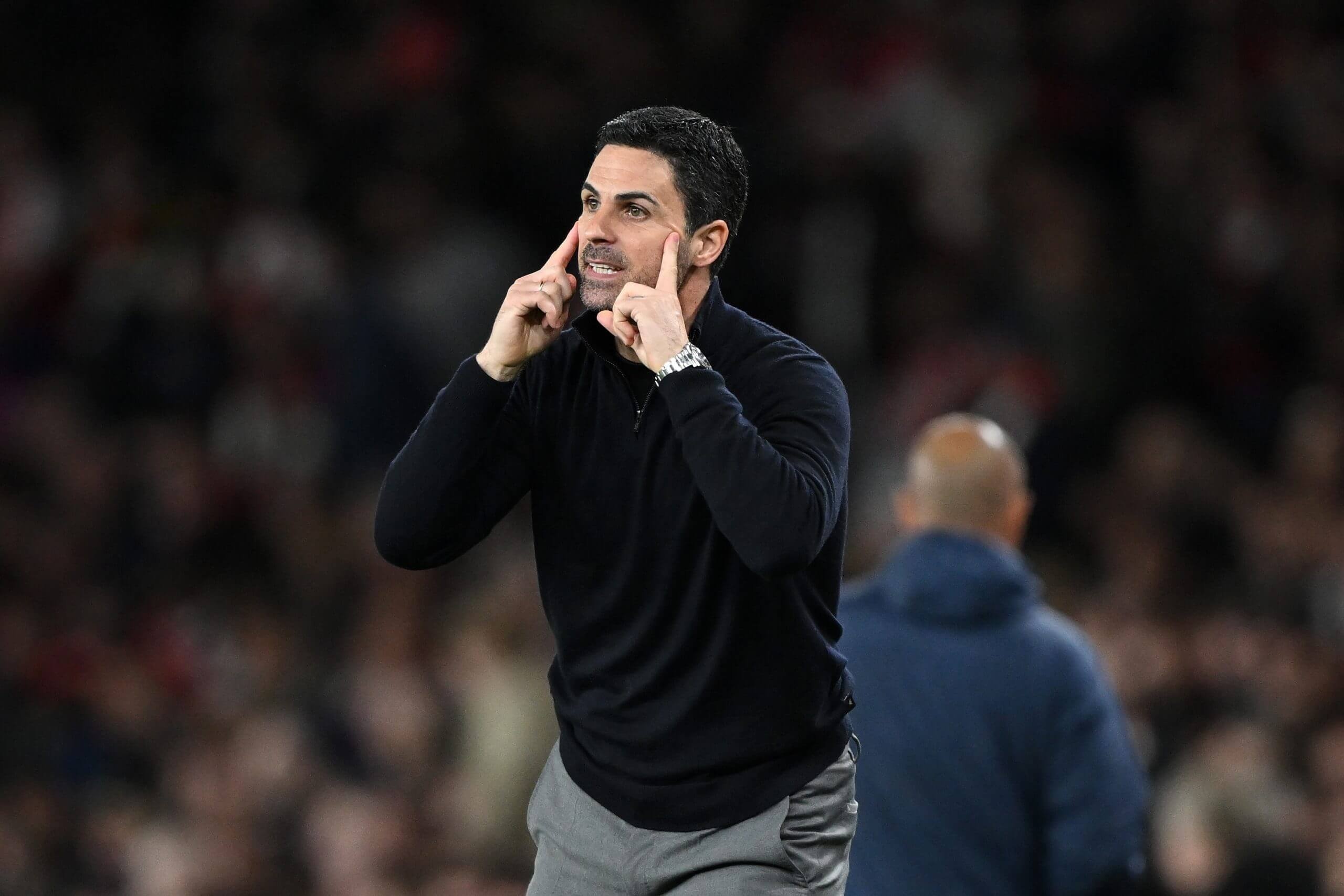
In contrast, Arsenal manager Mikel Arteta has defended Magalhães, noting that his defensive aggression is essential against a striker of Haaland’s calibre.
Statistically, the match produced a total of 23 duels, 12 of which were won by Haaland’s side, underscoring City’s superior physical execution.
| Team | Duels Won | Shots on Target |
|---|---|---|
| Manchester City | 12 | 7 |
| Arsenal | 11 | 5 |
Haaland’s goal came from a well‑timed run behind the Arsenal back line, finishing a cross from Kevin De Bruyne that highlighted City’s quick‑transition strategy.
His second‑half effort was marked by a visible bruise on his left forearm, later shown in post‑match footage as a result of a clash with Magalhães.
When asked about the aftermath, Haaland said, “I think my shirt got a bit pulled! I didn’t get the foul, but this is the Premier League nowadays. It’s wrestling here and there. A lot of duels. A lot of scratches.”
He added that his girlfriend often reacts negatively to the visual evidence of these battles, remarking, “Sometimes my missus is not so happy about this, it looks a bit wrong!”
The personal anecdote provides a rare glimpse into the off‑field pressures faced by elite athletes, particularly those with high‑profile relationships.
Haaland’s season tally stands at 31 Premier League goals, a figure that places him among the top scorers in the league’s history for a single campaign.
His contribution has been pivotal in City’s pursuit of a third consecutive Premier League title, with the club currently sitting second, four points behind leaders Liverpool.
City’s defensive record has also improved, conceding only 28 goals in 33 matches, a testament to Guardiola’s balanced approach between attack and defence.
Arsenal, meanwhile, remains in fifth place, ten points off the top four, a gap that has intensified the urgency of their upcoming fixtures.
The physical toll of the season has been evident across the league, with several clubs reporting increased injury rates during the congested winter period.
Haaland credited the Norwegian national team for giving him the necessary recovery time during the recent international break.
He explained, “I feel good. To be honest, it’s been a few good weeks, ever since the internationals. You know how I feel – look how happy we were after the game. The break with the national team was good.”
Haaland highlighted that Norway’s coaching staff advised him to “relax” after a demanding schedule that saw him play 50 matches across club and country.
This period of rest coincided with a crucial phase in the Premier League, as the title race narrows and the race for Champions League qualification intensifies.
Guardiola has publicly praised Haaland’s professionalism, noting that the striker’s ability to manage his workload is essential for sustained performance.
In tactical terms, City’s high‑pressing system forces opponents into errors, creating space for Haaland’s runs behind the defence.
Arsenal’s approach under Arteta traditionally favours a patient build‑up, but the physical duel with Haaland exposed vulnerabilities in their defensive organisation.
Both managers emphasised the importance of squad rotation as the season reaches its climax, with fixtures piling up in the final two months.
The upcoming international break will again see Haaland represent Norway in World Cup qualifiers, adding another layer of physical demand to his calendar.
Norway’s manager Ståle Solbakken confirmed that Haaland will be rested for the final friendly, prioritising his fitness for the World Cup campaign.
Haaland’s focus remains on maintaining his scoring form, as he stated, “I’m happy they let me relax and fix my body a little bit – and then come back to attack.”
He underscored the significance of the next two months, describing them as “the most important two months of your career, with the World Cup as well.”
City’s upcoming fixtures include a crucial derby against Manchester United and a title‑deciding clash with Liverpool, matches that will test Haaland’s physical resilience.
Arsenal’s schedule features a London derby against Chelsea and a decisive encounter with Tottenham, games that could either revive or further diminish their title aspirations.
Statistically, Haaland’s work‑rate this season includes an average of 6.2 duels per game, placing him in the top ten for defensive engagements among forwards.
| Player | Duels per Game | Goals |
|---|---|---|
| Erling Haaland | 6.2 | 31 |
| Gabriel Magalhães | 5.8 | 2 |
The data illustrates Haaland’s willingness to engage physically, a trait that differentiates him from many contemporary strikers who rely primarily on positional play.
City’s tactical flexibility allows Haaland to drop deeper when needed, facilitating link‑up play with midfielders like De Bruyne and Bernardo Silva.
Arsenal’s defensive line, anchored by Magalhães, often employs a high line, which can be susceptible to Haaland’s pace and aerial ability.
Both clubs have invested heavily in sports science to monitor player fatigue, a factor that has become increasingly important in a season featuring 38 league games plus cup commitments.
The Premier League’s competitive balance this season has produced a series of closely contested matches, with the top four teams separated by just six points.
Haaland’s personal narrative, intertwining on‑field aggression with off‑field relationship dynamics, adds a human element to the broader story of a title race in its final stages.
As the season draws to a close, the question remains whether Haaland can sustain his physical intensity without compromising his health or his personal life.
Guardiola’s squad management and Norway’s cautious approach to his workload suggest a coordinated effort to preserve Haaland’s peak condition for both club and country.
The upcoming weeks will reveal whether City’s strategy of blending relentless pressing with strategic rest will be enough to secure the league crown.