Vincent Kompany Dismisses Real Madrid Comeback Myth and Urges Bayern to Win Champions League Second Leg at Allianz Arena
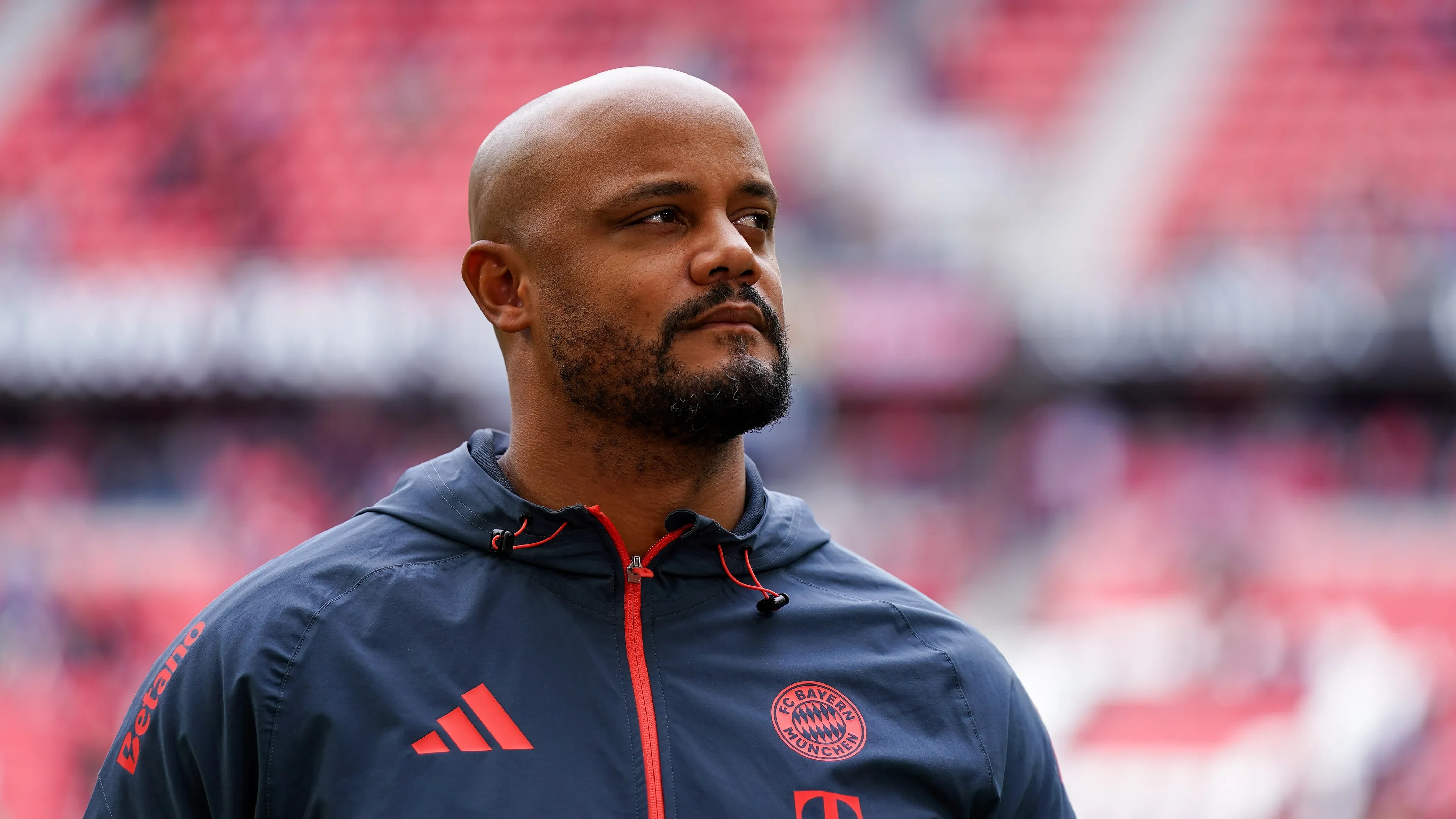
Vincent Kompany, the Belgian head coach of Bayern Munich, addressed the media ahead of the Champions League second‑leg clash at the Allianz Arena, targeting what he described as Real Madrid’s perceived arrogance and the “myth” of their comeback dominance.
In a concise press conference, Kompany dismissed the notion that Madrid possess a unique ability to overturn deficits, stating that such narratives overlook the historic turnarounds achieved by other elite clubs across Europe.
The Bayern manager emphasized that “those stories are not real” when questioned about the Spanish side’s record in European competition, reinforcing his belief that each club can produce exceptional feats when circumstances align.
He added that Real Madrid are “in a phase of development” and remain among Europe’s best, but he does not view “remontada stories” as exclusive to Los Blancos, citing Barcelona, Liverpool and Bayern themselves as examples.
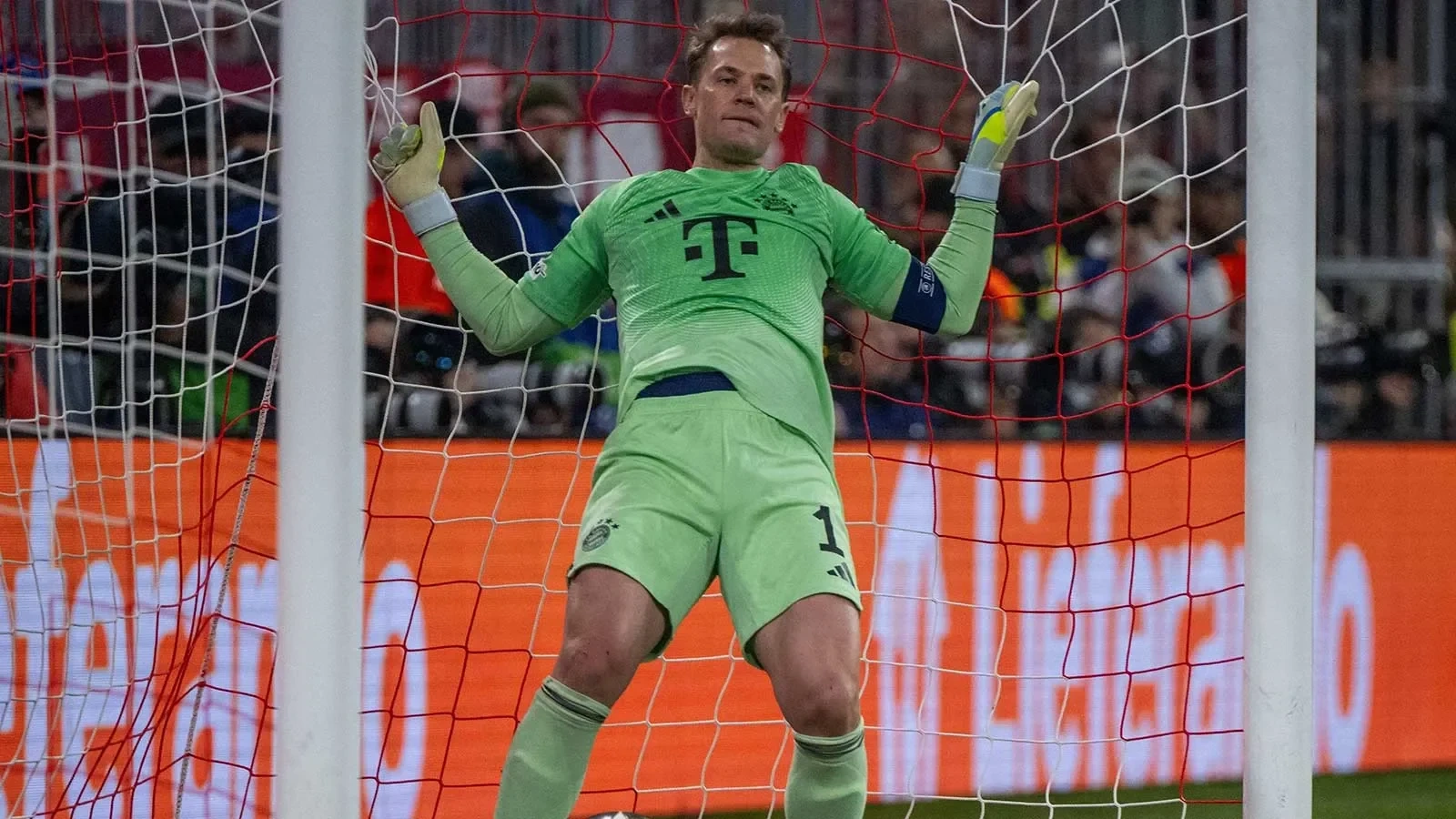
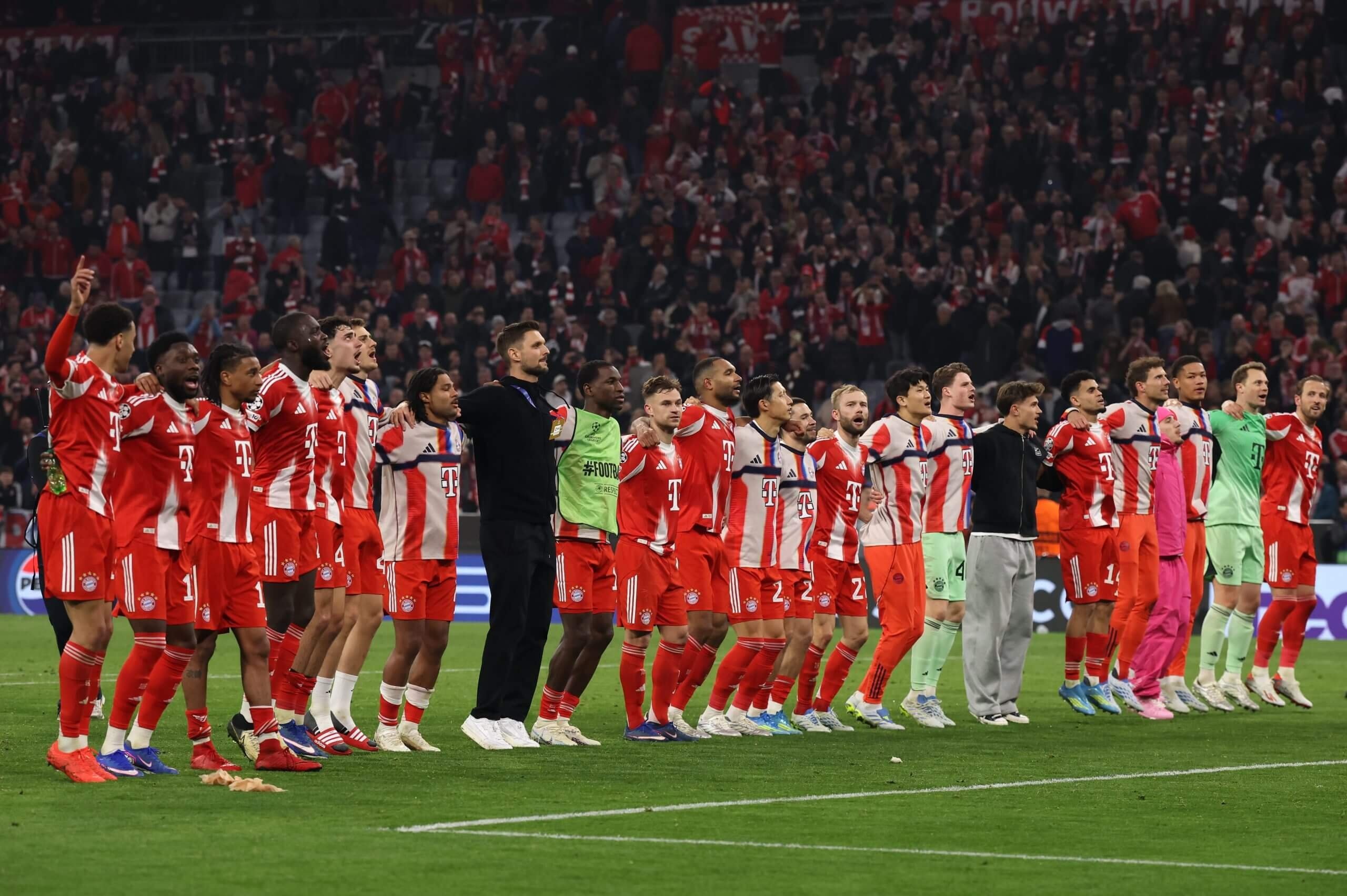
Kompany’s remarks come as Bayern prepare to defend a 2‑1 first‑leg advantage secured at the Santiago Bernabéu, a result that has already sparked debate about the relative quality of the two performances.
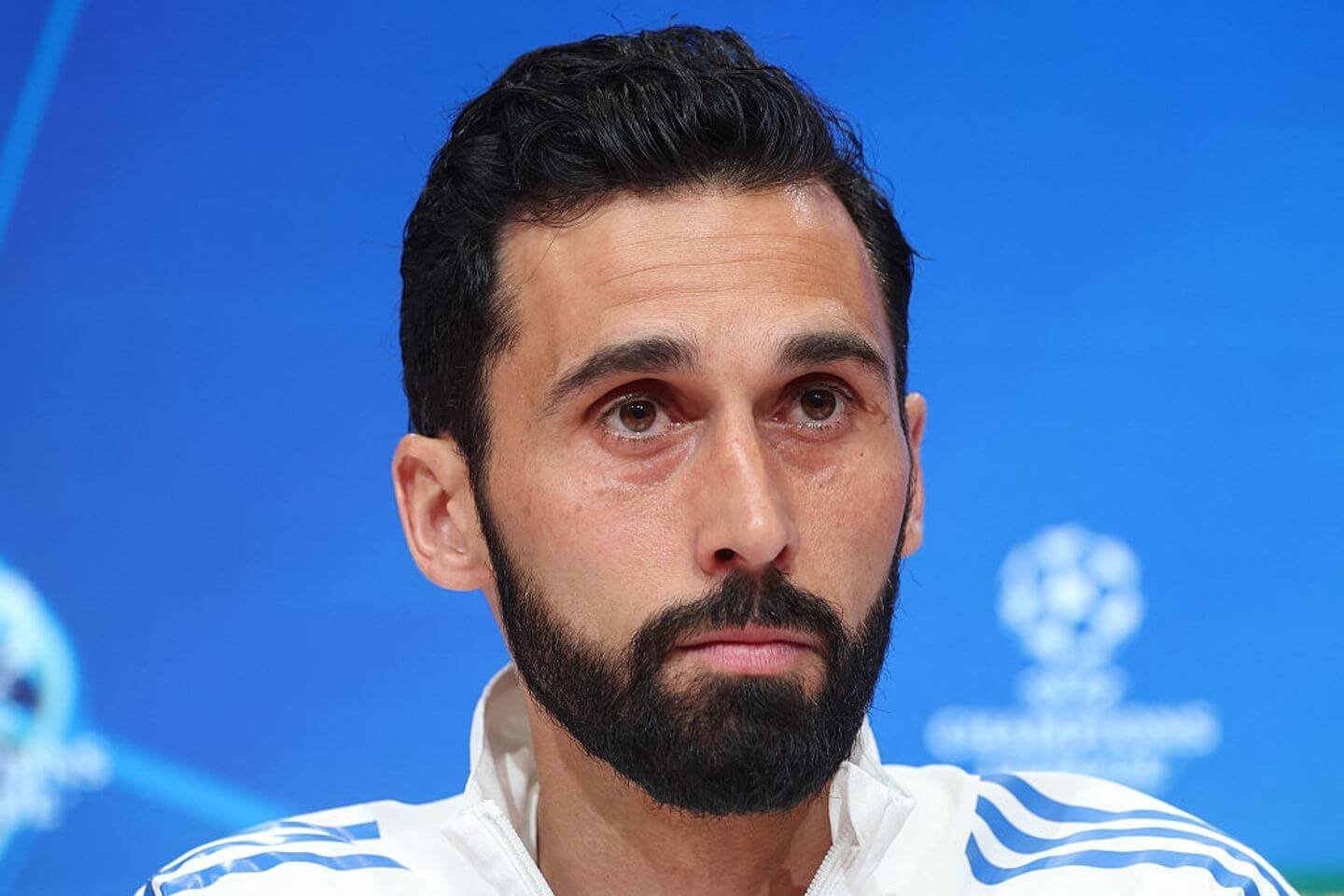
Real Madrid coach Álvaro Arbeloa, a former defender, countered Bayern’s narrative by highlighting the club’s “DNA” of resilience, insisting that overturning a one‑goal deficit would be “nothing out of the ordinary” for the fifteen‑time European champions.
Arbeloa stressed the weight of the Real Madrid crest and its history, declaring, “We are the team that never gives up and the one with 15 European Cups,” as part of his pre‑match briefing.
Despite Arbeloa’s confidence, he also claimed that his side does not require a “miracle” to progress, a statement interpreted by some observers as downplaying Bayern’s home‑field advantage.
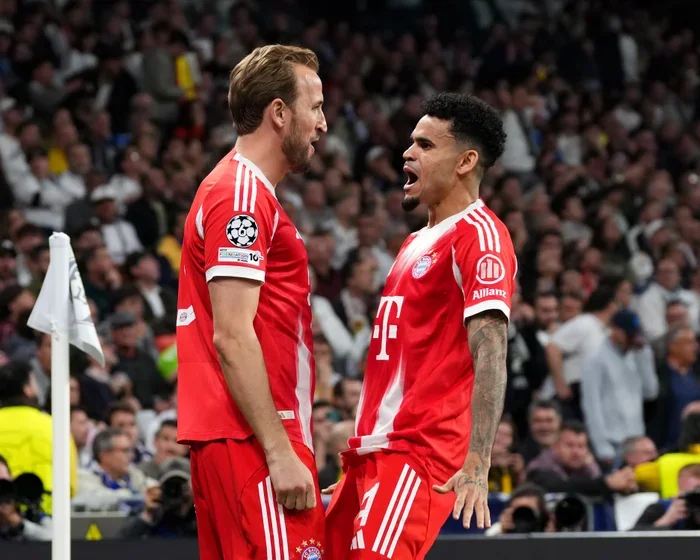
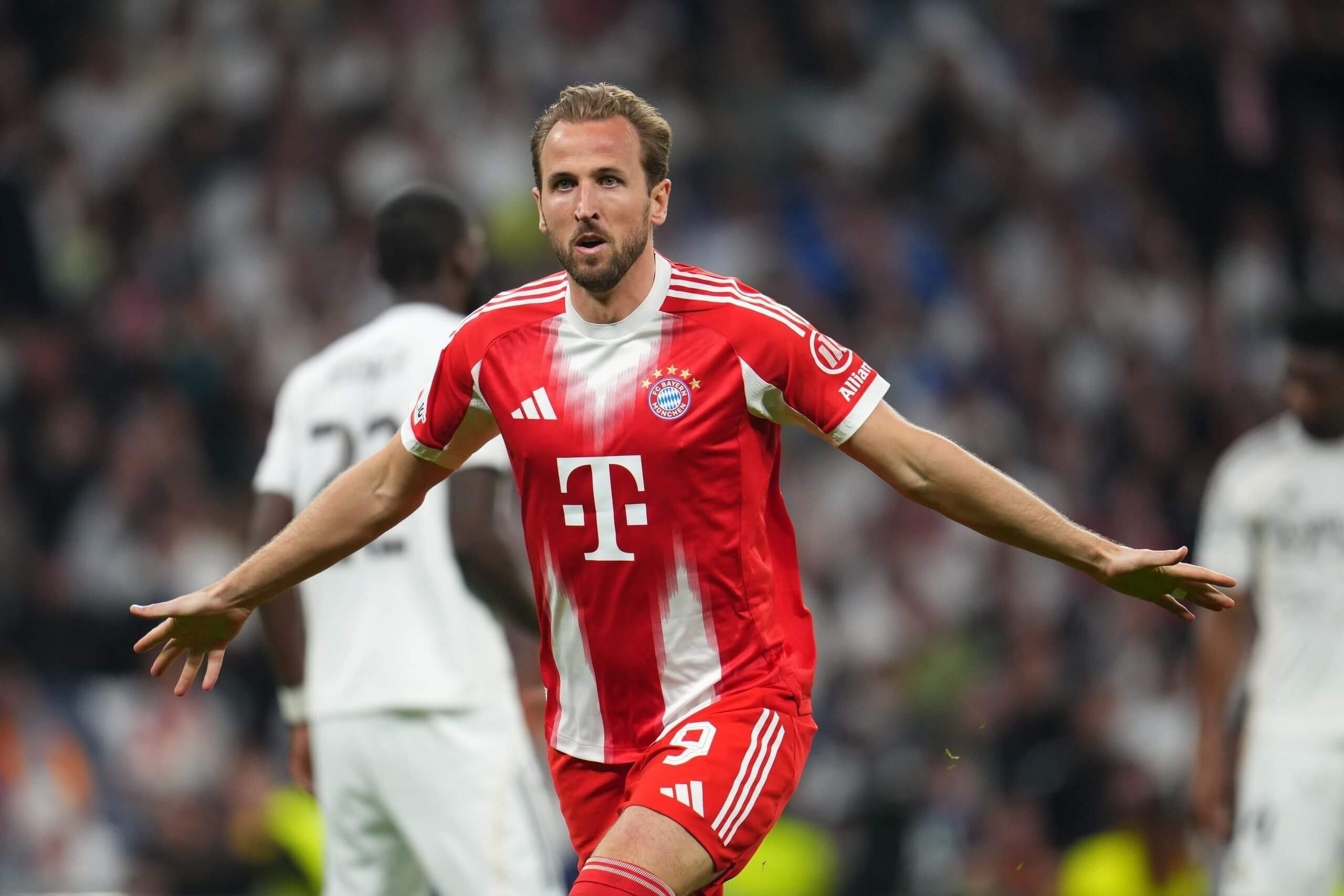
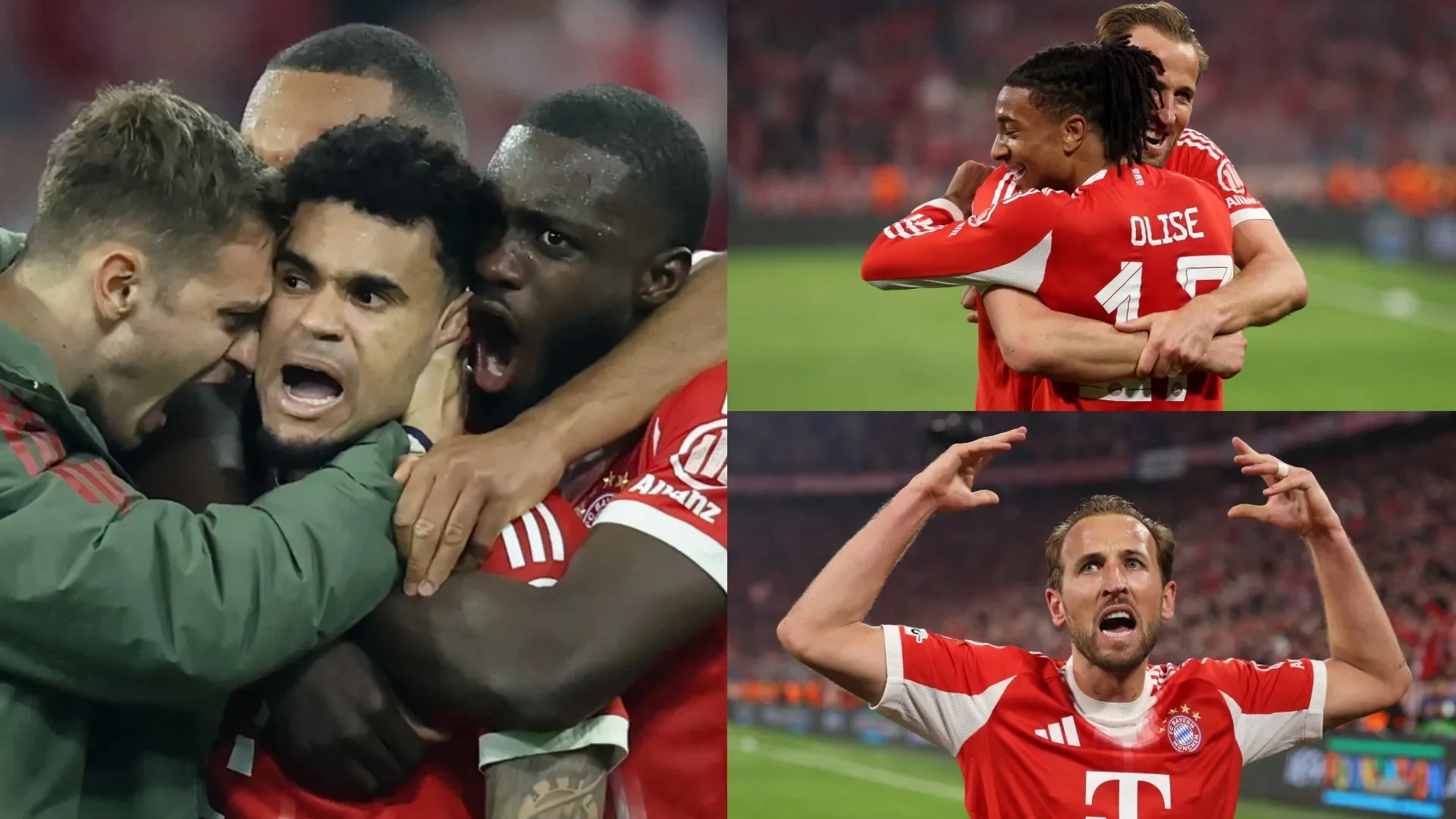
The first‑leg encounter saw Bayern take an early lead through Luis Diaz, who scored in the first half before Harry Kane added a second‑half goal to make it 2‑0.
Real Madrid responded with a late consolation from Kylian Mbappé in the 74th minute, narrowing the margin to 2‑1 but failing to equalise before the final whistle.
| Team | Goals | Possession (%) |
|---|---|---|
| Bayern Munich | 2 | 58 |
| Real Madrid | 1 | 42 |
Kompany reflected on the first leg, acknowledging that Bayern could have added more goals and that Madrid improved after halftime, but he remained confident in the team’s overall performance.
He noted that the second half “might give them confidence,” yet stressed that Bayern’s first‑half dominance provided a solid platform that the team can build upon in the return fixture.
Regarding the upcoming match, Kompany highlighted the need to focus on Bayern’s own solutions, emphasizing tactical discipline and the exploitation of Madrid’s speed and quality.
He also underscored the importance of maintaining composure, stating that “nothing will affect me before the match” and that his primary objective is to secure a win without being distracted by external narratives.
On the fitness front, Kompany delivered encouraging news, confirming that both Serge Gnabry and Jamal Musiala are in contention for selection in the second leg.
Musiala, who has dealt with recent injury concerns, is described as “almost at 100%,” indicating that the young German star is approaching full match readiness.
Gnabry’s availability adds depth to Bayern’s attacking options, offering the manager flexibility in his forward line alongside established scorer Harry Kane.
Historically, Bayern Munich have a strong record in the Champions League, with six titles to date, while Real Madrid remain the most decorated club with fifteen trophies.
The tactical battle is expected to centre on Bayern’s high‑pressing, possession‑based approach versus Madrid’s quick transition play, a contrast that has defined many of their recent encounters.
Bayern typically line up in a 4‑3‑3 formation, with the midfield trio tasked with controlling tempo and providing support to the front three, while Real Madrid often deploy a 4‑2‑3‑1, relying on swift wing play and a lone striker.
Player profiles illustrate the contrasting styles: Kane brings aerial dominance and finishing prowess, whereas Karim Benzema (Madrid) offers link‑up play and clinical finishing from midfield.
Statistically, Bayern’s shot accuracy in the first leg stood at 55%, compared with Madrid’s 48%, reflecting the German side’s greater efficiency in front of goal.
| Metric | Bayern Munich | Real Madrid |
|---|---|---|
| Shots on Target | 7 | 5 |
| Pass Accuracy | 89 | 85 |
| Successful Tackles | 22 | 19 |
The broader implications of the tie extend beyond the immediate result, influencing the perception of German versus Spanish club football in Europe.
A victory for Bayern would reinforce the Bundesliga’s resurgence on the continental stage, while a Madrid comeback would further cement La Liga’s dominance in recent Champions League campaigns.
Both clubs are also navigating congested domestic schedules, with Bayern competing in the Bundesliga and DFB‑Pokals, and Real Madrid balancing La Liga and Copa del Rey commitments.
The outcome of the second leg will therefore have ramifications for squad rotation and fatigue management ahead of the final stages of their respective domestic campaigns.
In summary, Kompany’s pre‑match statements aim to neutralize the psychological edge that Real Madrid may seek from their historic comeback narrative, focusing instead on Bayern’s tactical preparation and player availability.
As the match approaches, the footballing world will watch to see whether Bayern can maintain their first‑leg advantage or if Madrid’s “DNA” of resilience will produce another chapter in the club’s storied European legacy.