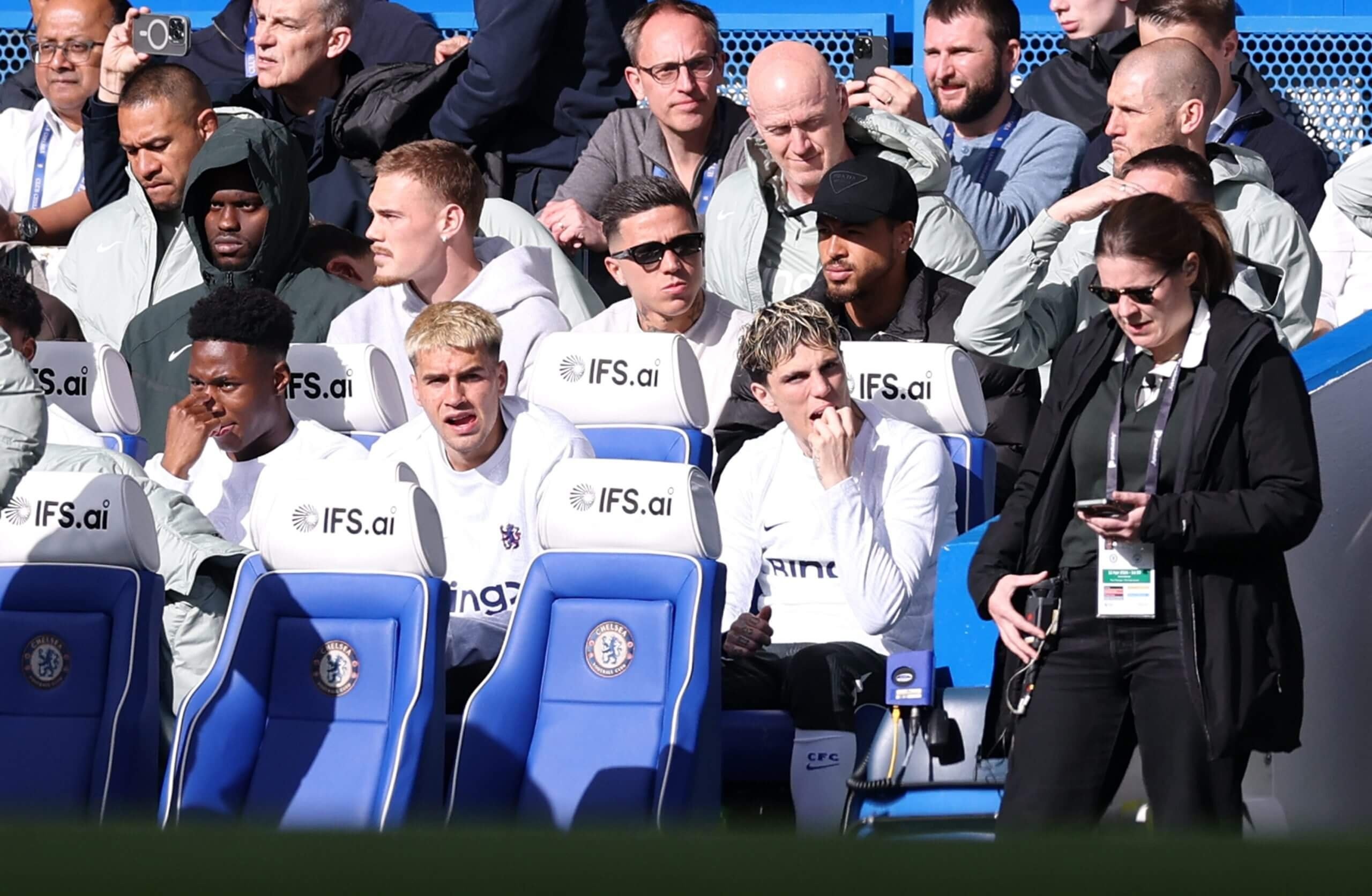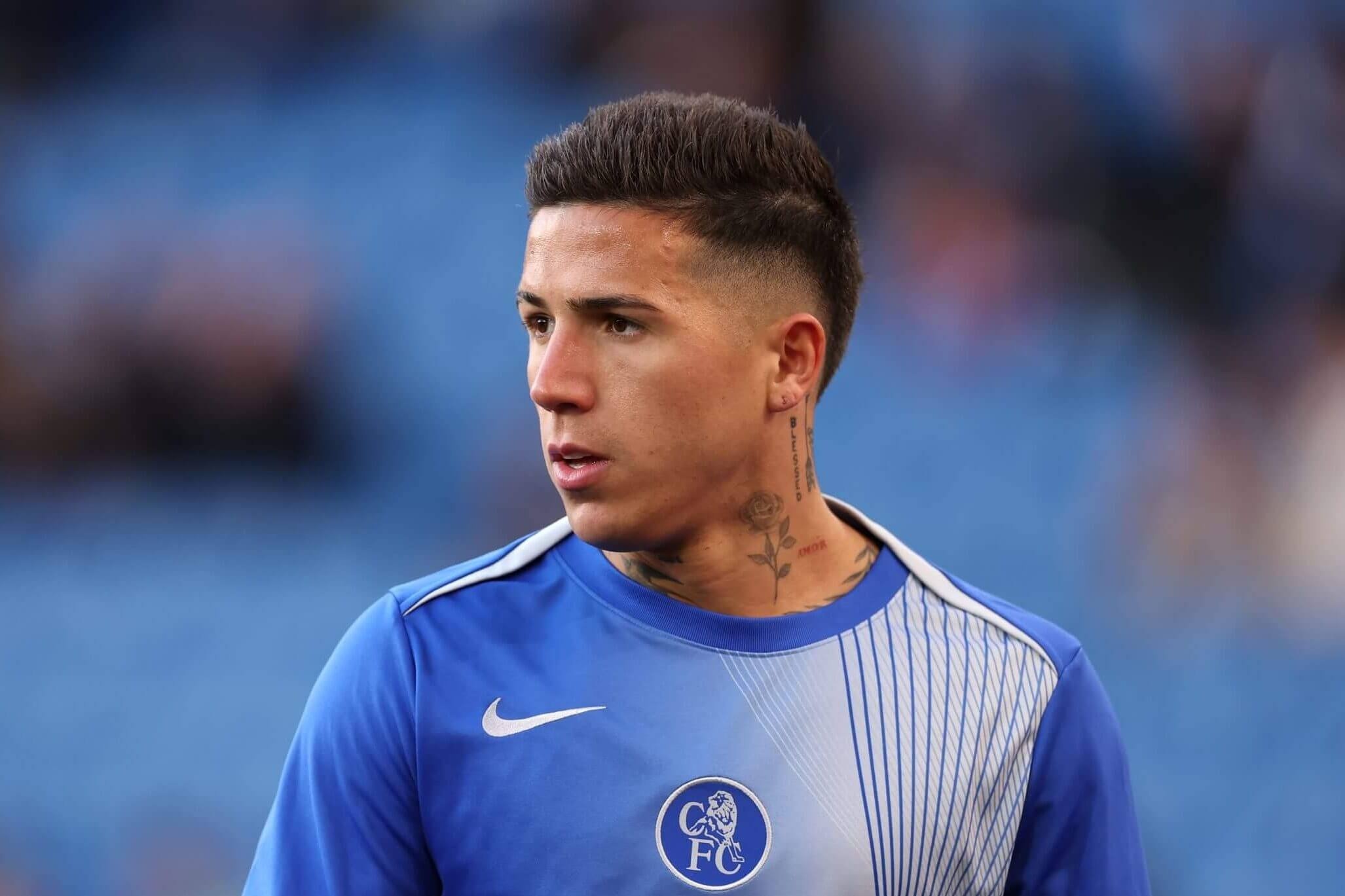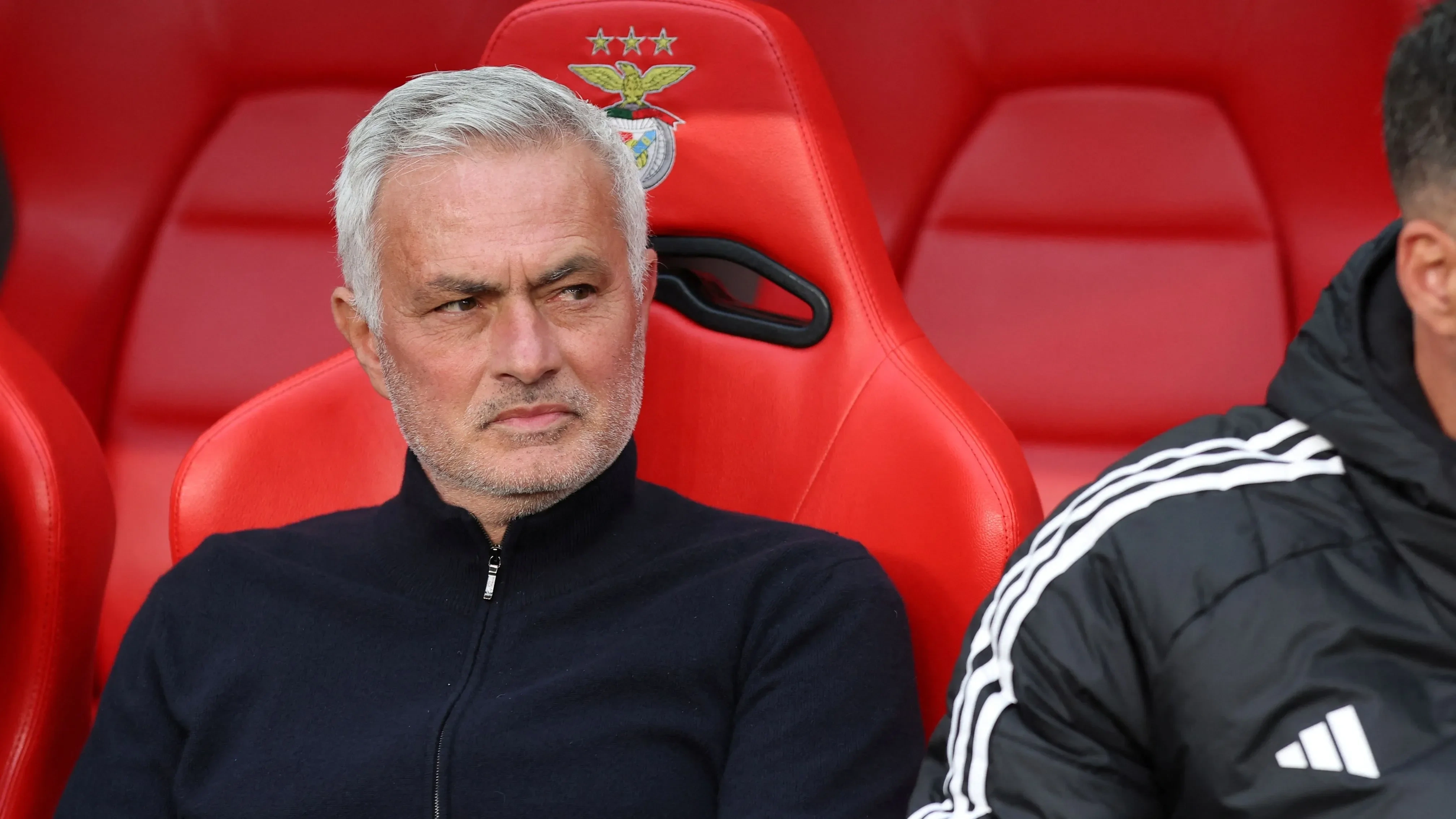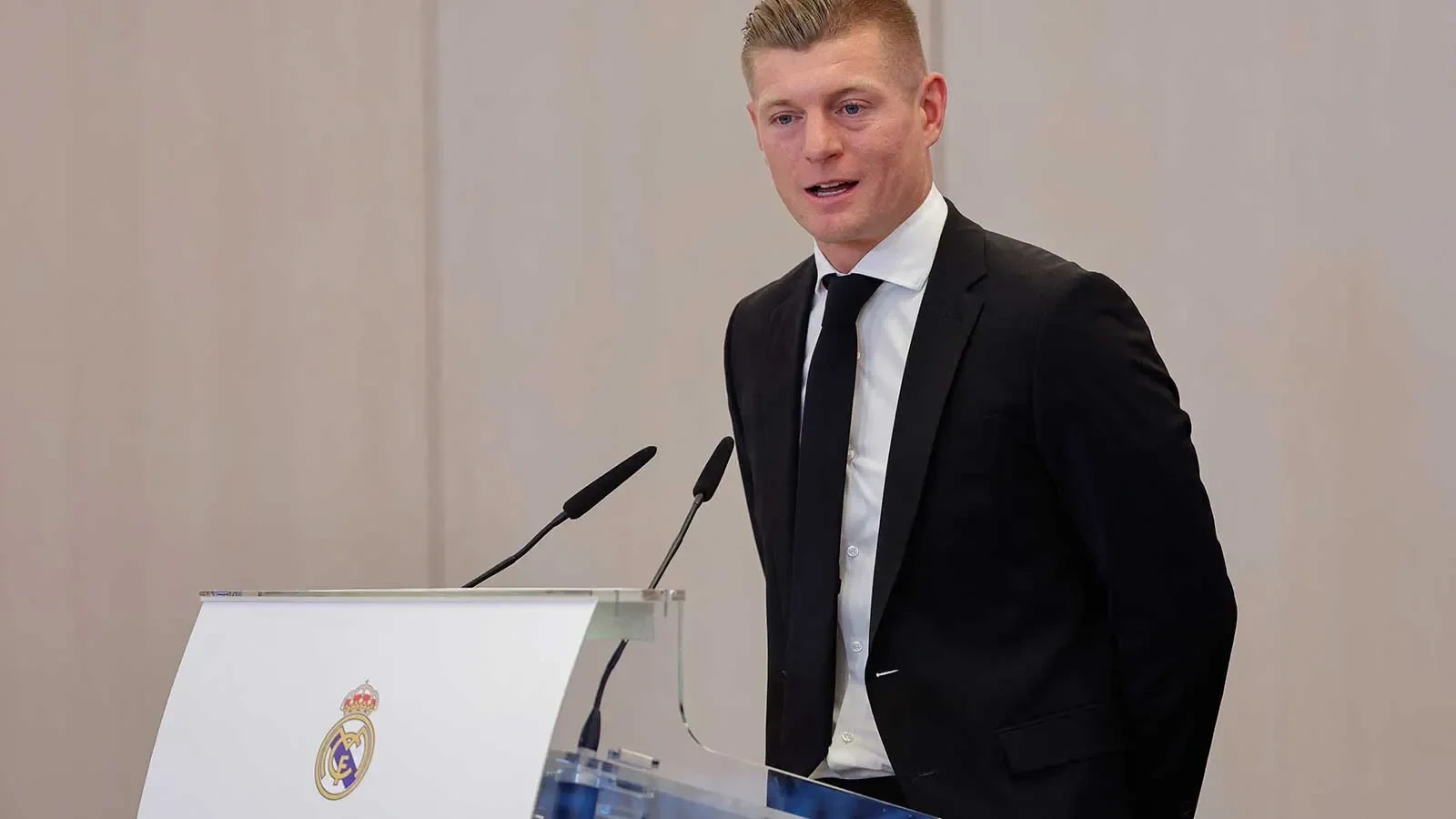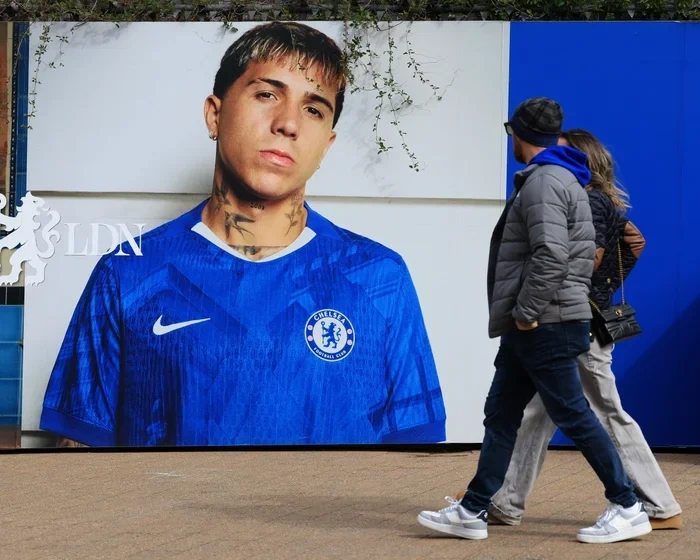
Chelsea suspends Enzo Fernández for two games after Madrid comments
During the international break, both Manchester City midfielder Rodri and Chelsea midfielder Enzo Fernández used televised interviews to discuss their future ambitions, statements that have since sparked disciplinary action and broader debate about player autonomy in modern football.
Rodri, speaking on Luzo TV, reminded listeners that he has one year remaining on his Manchester City contract and expressed a desire to return to Spain, specifically mentioning the allure of playing for Real Madrid or Atlético Madrid.
He noted that while the Premier League presents a “very demanding” environment, his personal happiness at City remains intact, highlighting a nuanced balance between professional satisfaction and personal aspiration.
Fernández, also on Luzo TV, voiced disappointment over the departure of former Chelsea manager Enzo Maresca, describing the loss of “identity” and “order” within the squad as a significant setback midway through the season.
He further revealed a personal preference for living in Madrid, drawing parallels between the Spanish capital and his native Buenos Aires in terms of lifestyle, and praised Real Madrid legends Luka Modrić and Toni Kroos for their tactical intelligence.
These remarks were interpreted by Chelsea as an indication that Fernández was signalling openness to a move to Real Madrid, a perception that led the club to impose a two‑match suspension for “crossing a line”.
The ban means Fernández will miss the crucial Premier League clash against Manchester City, a fixture that Chelsea needs to win to maintain a top‑five position and secure Champions League qualification.
Reports suggest that several Chelsea players petitioned manager Liam Rosenior to overturn the suspension, but the decision was upheld by “the club”, indicating a disciplinary process that extends beyond the manager’s direct authority.
In contrast, Manchester City has taken a more permissive stance toward Rodri’s comments, with Pep Guardiola responding that no player would turn down the chance to play for Madrid and acknowledging Rodri’s Spanish heritage.
City’s approach reflects a broader industry trend where clubs tolerate public expressions of interest in other teams, provided they do not breach formal tapping‑up regulations.
Both players’ statements occurred during a period when media coverage is instantly global, turning what might have been a private sentiment into a headline‑making story within hours.
Fernández’s suspension also raises questions about consistency, as teammate Marc Cucurella expressed a desire to join Barcelona during the same break yet faced no disciplinary action.
The disparity has fueled speculation that Chelsea’s response is linked to deeper concerns about the club’s long‑term project under owners Todd Boehly and Clearlake.
Since the 2022 takeover, Chelsea’s strategy has centered on acquiring young talent on long contracts with modest base wages but substantial performance incentives, aiming to develop a cohesive core.
This model, while financially prudent, confronts the reality that high‑profile players such as Fernández, acquired for £107 million, will inevitably attract interest from elite clubs if they perform at a high level.
Historically, Chelsea has struggled to retain marquee signings without offering significant upgrades or guaranteed pathways to trophies, a challenge that underscores the “fatal flaw” identified by Jonathan Wilson.
Fernández’s public comments, therefore, can be seen as a symptom of a broader structural tension between a club’s developmental philosophy and the ambitions of its top‑earning players.
From a tactical standpoint, Fernández operates as a deep‑lying playmaker, a role reminiscent of Modrić and Kroos, relying on positional awareness and passing range rather than physical dominance.
His ability to dictate tempo from midfield has been integral to Chelsea’s recent resurgence, contributing to a higher possession percentage and increased chance creation.
Statistical comparison of the two midfielders highlights differing profiles: Rodri’s defensive metrics, such as interceptions per 90 minutes, remain among the Premier League’s best, while Fernández’s key passes per 90 are comparable to elite Spanish midfielders.
| Player | Interceptions per 90 | Key Passes per 90 |
|---|---|---|
| Rodri (Man City) | 2.8 | 1.1 |
| Enzo Fernández (Chelsea) | 1.4 | 2.3 |
Both midfielders have also featured prominently for their national teams, with Rodri representing Spain and Fernández starring for Argentina, adding another layer to their public statements during the break.
Rodri’s reference to “the best clubs” aligns with a career pattern that includes a spell at Atlético Madrid, where he won La Liga before moving to Manchester City in 2023.
Fernández, a 2022 signing from Benfica, arrived at Chelsea after a standout season in the Portuguese league, where his composure and vision caught the attention of several top European clubs.
His admiration for Modrić and Kroos is not merely rhetorical; both players exemplify the evolution of the deep‑lying playmaker role, emphasizing spatial control over sheer athleticism.
In terms of league standings, Chelsea sit fifth in the Premier League with 56 points after 27 matches, while Manchester City remain second with 62 points, underscoring the significance of their upcoming encounter.
| Club | Position | Points |
|---|---|---|
| Manchester City | 2 | 62 |
| Chelsea | 5 | 56 |
The match against City is projected to be a tactical battle, with Guardiola likely to employ a high‑pressing 4‑3‑3 system, while Rosenior may opt for a balanced 4‑2‑3‑1 to maximize Fernández’s influence in midfield.
Chelsea’s reliance on Fernández’s distribution could be compromised by his absence, forcing Rosenior to adjust his midfield shape and potentially rely more on the defensive contributions of Marc Cucurella and Wesley Fofana.
City’s midfield depth, featuring the likes of İlkay Gündoğan and Kevin De Bruyne, provides them with alternatives should Rodri’s future remain uncertain.
The disciplinary actions taken by both clubs also reflect differing managerial philosophies: Guardiola’s openness to player ambition versus Rosenior’s adherence to club policy amid an existential phase.
In the broader context of the Premier League, the incident highlights the increasing tension between player freedom of expression and club control over contractual negotiations.
Regulatory bodies such as the FA have yet to issue clear guidance on the limits of public statements regarding transfer intentions, leaving clubs to interpret policies on a case‑by‑case basis.
For Chelsea, the suspension serves as a warning to other players who might publicly entertain suitors, reinforcing the message that the club will protect its assets amid a precarious rebuild.
Conversely, Manchester City’s handling of Rodri’s comments suggests a more flexible approach, perhaps recognizing the player’s contractual situation and the limited risk of an actual departure.
Both scenarios underscore the evolving nature of player‑club relationships in an era where media exposure and transfer market dynamics intersect more rapidly than ever before.
Ultimately, the upcoming Chelsea‑City clash will not only test tactical acumen but also serve as a barometer for how clubs navigate the fine line between respecting player aspirations and safeguarding competitive integrity.