Toni Kroos Mulls Potential Return to Real Madrid as Club Considers Him for New Sporting Director Role
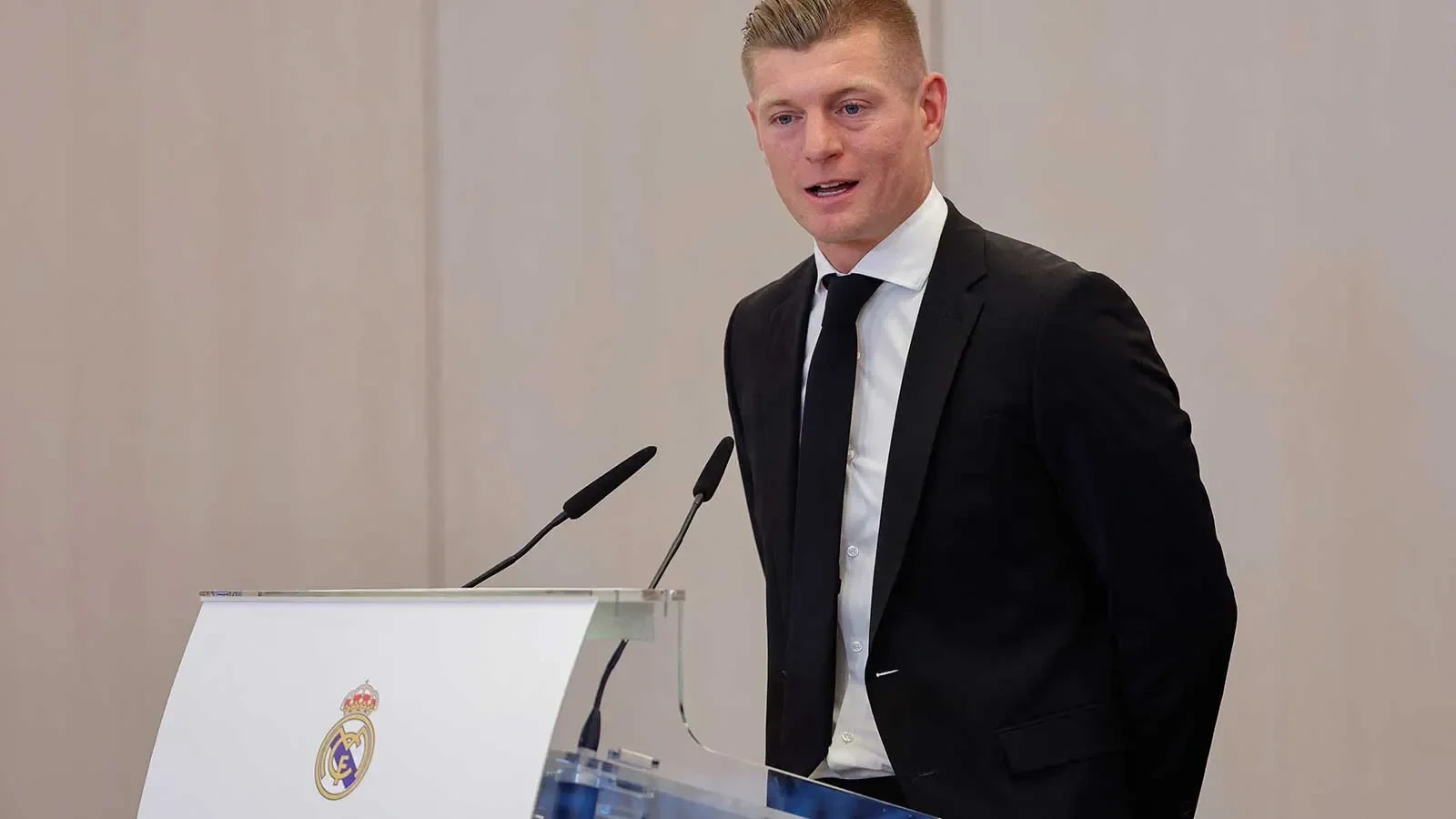
On April 17, 2026, the German midfielder Toni Kroos broke his silence about persistent speculation concerning a possible return to Real Madrid, the club where he concluded his playing career in 2024.
Kroos, now 36, addressed the rumours during an episode of his own podcast “Einfach mal Luppen,” stating simply, “I don’t want to say anything about that.” The brief remark was repeated when his brother and co‑host Felix pressed for further detail, to which Kroso responded, “That’s the answer you can keep giving.”
Spanish daily AS reported that the 2014 World Cup winner is “on the verge of returning to his former club, where he will be closely integrated into the sporting structure.” The report added that the exact role remains undisclosed, but that a newly created sporting‑director position is being discussed.
Kroos retired from professional football in 2024 after a decade at the Bernabéu, during which he amassed five UEFA Champions League titles and four La Liga crowns. His departure coincided with the end of an era that had seen Real dominate European competition for much of the 2010s.
Since his retirement, Real Madrid have struggled to replicate that success. The 2025‑26 campaign began with the departure of former Bayer Leverkusen manager Xabi Alonso, who had been appointed head coach in the summer of 2023.
Alonso’s exit left a vacuum that was filled by former Real defender Álvaro Arbeloa, promoted from the club’s youth academy to senior‑team manager. Despite his long association with the club, Arbeloa’s tenure has not reversed the team’s decline.
Real Madrid have already been eliminated from the Copa del Rey and sit nine points behind league leaders FC Barcelona with only seven matches remaining in the season.
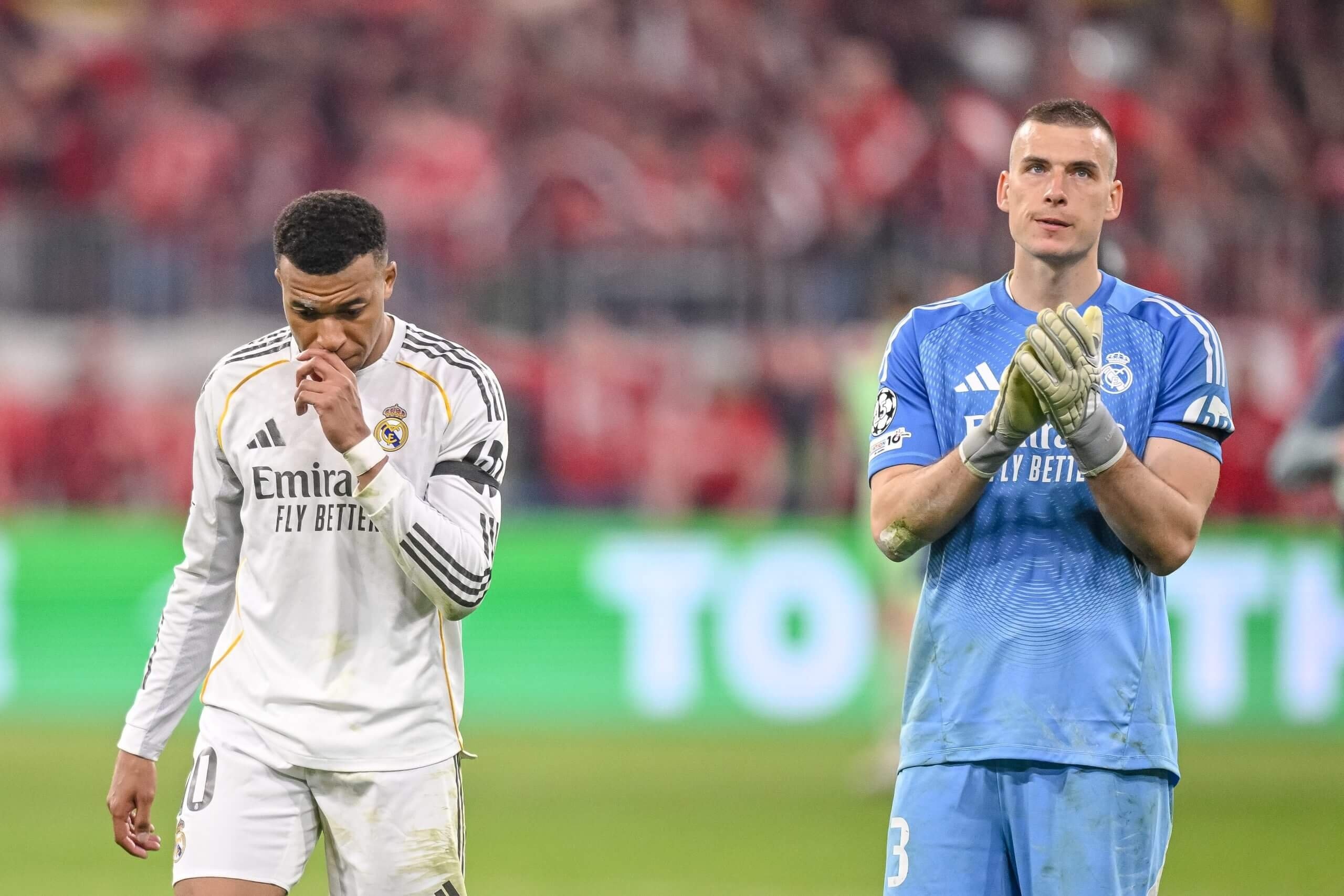
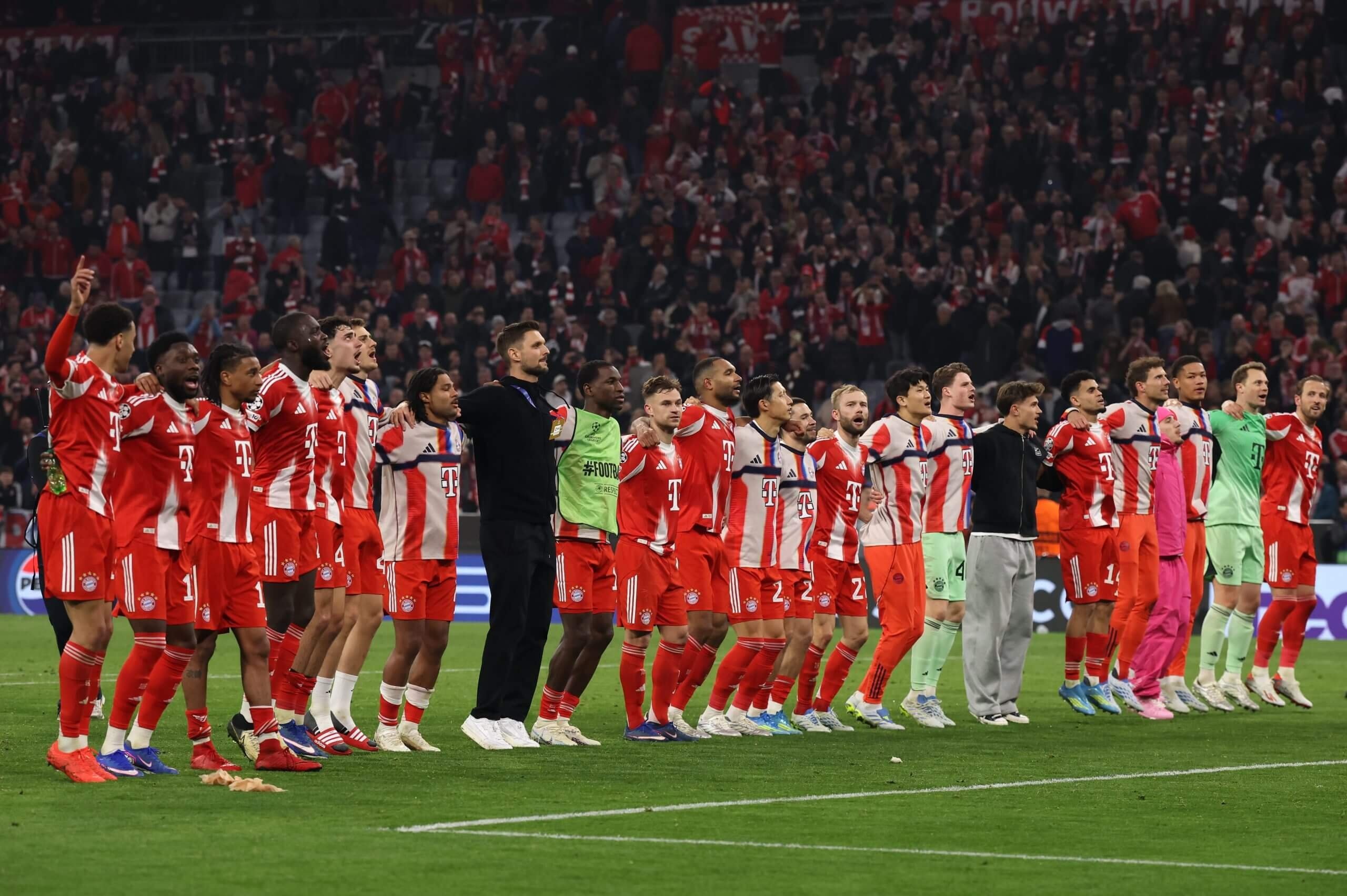
In the UEFA Champions League, the team bowed out at the quarter‑final stage after two defeats to FC Bayern Munich, losing 1‑2 at home and 3‑4 away.
The combination of an early domestic cup exit, a widening gap in the league table, and a premature European departure has led many observers to label the current season as “trophy‑less” for a club accustomed to regular silverware.
According to Veezstream, Arbeloa’s future at the Bernabéu is “very likely” to end before the summer, with the club reportedly preparing for a managerial change.
Arbeloa himself has publicly stated that he will “respect every decision” the club makes, acknowledging the precarious situation without committing to any specific outcome.
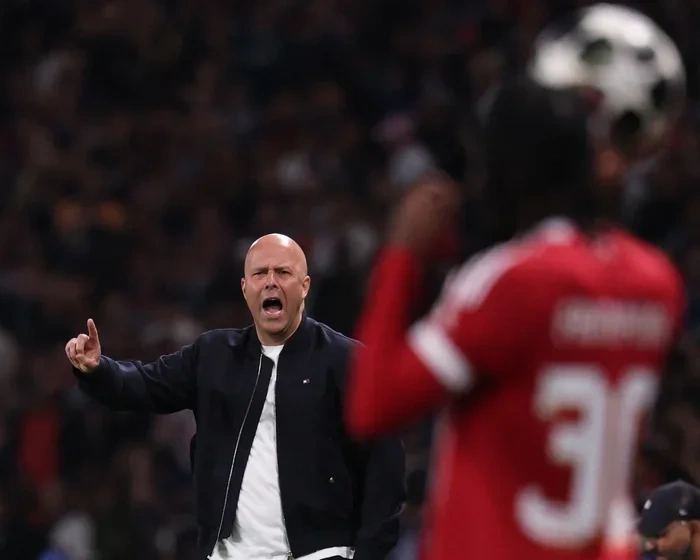
Should Arbeloa depart, Real Madrid have already identified several high‑profile candidates. Among them, Liverpool’s Jürgen Klopp continues to be mentioned in Madrid circles despite his own recent declaration that he will not return to management in the near term.
Former Real Madrid coach Zinedine Zidane remains close to club president Florentino Pérez and is reportedly weighing a possible return, though he is also considering an offer to manage the French national team.
France’s current manager Didier Deschamps, who is under contract with Les Bleus until the summer of 2026, has also been linked to the vacant position, highlighting the breadth of the club’s search.
The speculation surrounding Kroos’s potential role adds another layer to the club’s strategic planning. A sporting‑director position would place him at the heart of recruitment, youth development, and long‑term sporting policy.
Kroos’ playing career was defined by his vision, passing accuracy, and tactical intelligence, qualities that could translate into a managerial or directorial capacity. During his ten years at Real, he logged 587 appearances across all competitions.
His statistical record includes a career pass‑completion rate of 92 % in La Liga, and an average of 2.4 key passes per match in the Champions League, underscoring his influence in dictating play.
| Competition | Appearances | Pass Completion % |
|---|---|---|
| La Liga | 419 | 92 |
| Champions League | 124 | 90 |
| Copa del Rey | 44 | 91 |
Real Madrid’s current squad statistics illustrate the challenges they face. In the league, the team has scored 58 goals while conceding 39, resulting in a goal difference of +19, which ranks third among the top six clubs.
Defensively, the team has recorded 13 clean sheets in 28 matches, a figure considerably lower than Barcelona’s 18 clean sheets in the same period.
| Team | Goals Scored | Goals Conceded |
|---|---|---|
| Real Madrid | 58 | 39 |
| FC Barcelona | 71 | 28 |
| Atletico Madrid | 53 | 32 |
The tactical deficiencies that have emerged under Arbeloa can be partially attributed to a lack of midfield creativity since Kroos’s retirement. The team has struggled to control possession in the final third, averaging only 48 % possession against top‑six opponents.
Real’s current midfield configuration relies heavily on younger players such as Federico Valverde and Aurélien Tchouaméni, who, while talented, have yet to consistently replicate the controlling presence Kroos provided.
In addition, the defensive line has been exposed to high‑pressing teams, conceding 1.4 goals per game against sides employing a coordinated press, compared with 0.9 goals per game in the previous season.
| Metric | 2024‑25 | 2025‑26 |
|---|---|---|
| Possession vs Top‑6 | 52 % | 48 % |
| Goals Conceded per Game | 0.9 | 1.4 |
| Clean Sheets | 18 | 13 |
Should Kroos assume a sporting‑director role, his intimate knowledge of Real’s playing philosophy could facilitate a smoother transition for new managerial appointments and aid in the recruitment of midfield talent that mirrors his own style.
Moreover, Kroos’s reputation and network within European football could prove advantageous in negotiations with potential signings, especially given Real’s recent difficulty in attracting top‑class midfielders.
The broader implications of a Kroos return extend beyond the pitch. His involvement would signal a commitment by the club’s hierarchy to reintegrate former players into its operational framework, a strategy that has yielded success in other elite clubs.
Real Madrid’s recent seasons have shown a pattern of managerial turnover, with Xabi Alonso, Álvaro Arbeloa, and now potentially a third head coach within a three‑year span. Stability at the sporting‑director level could mitigate this volatility.
President Florentino Pérez has historically favored a blend of sporting excellence and commercial growth. Incorporating Kroos into the club’s leadership aligns with this philosophy, reinforcing the brand’s association with legendary former players.
In summary, while Toni Kroos has not confirmed any future role, the convergence of a struggling Real Madrid side, a vacant sporting‑director position, and the midfielder’s own experience creates a plausible pathway for his return.
The next few weeks will likely bring further clarification as Real Madrid finalize its plans for the upcoming summer window, including potential managerial appointments and structural changes within the sporting department.