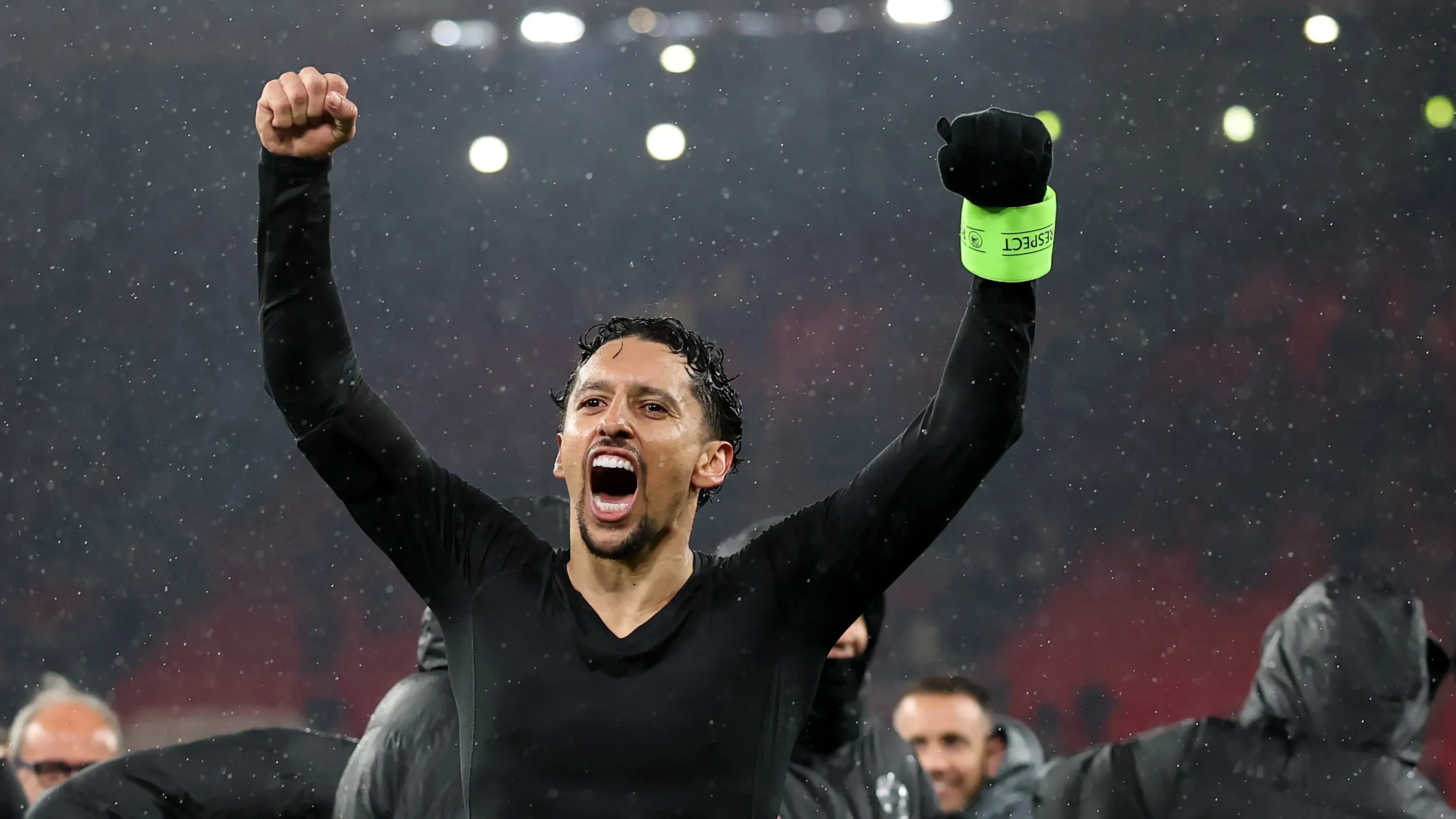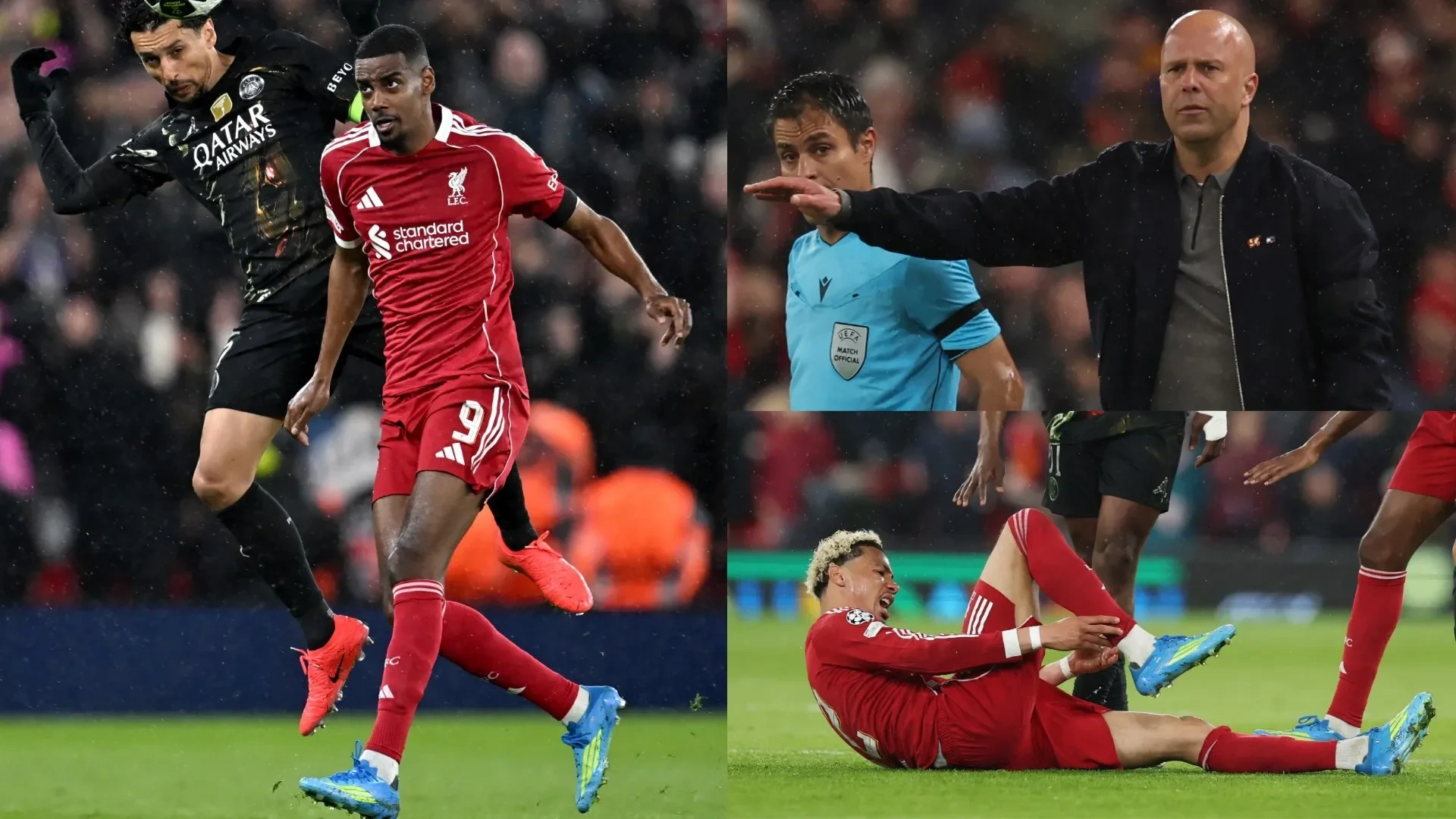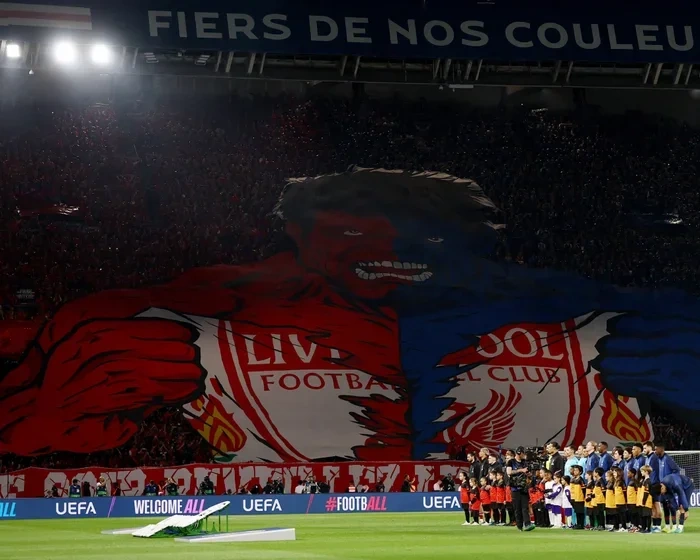
Liverpool crushed 2-0 by PSG in defensive “anti-football” beatdown
Liverpool travelled to Paris for the first leg of their Champions League quarter‑final, only to be overwhelmed by a PSG side that executed a near‑perfect game plan.
The Merseyside club finished with a meagre 28 % possession, failed to produce a single shot on target and were forced to rely on long throws from Joe Gomez in a desperate attempt to create any danger.
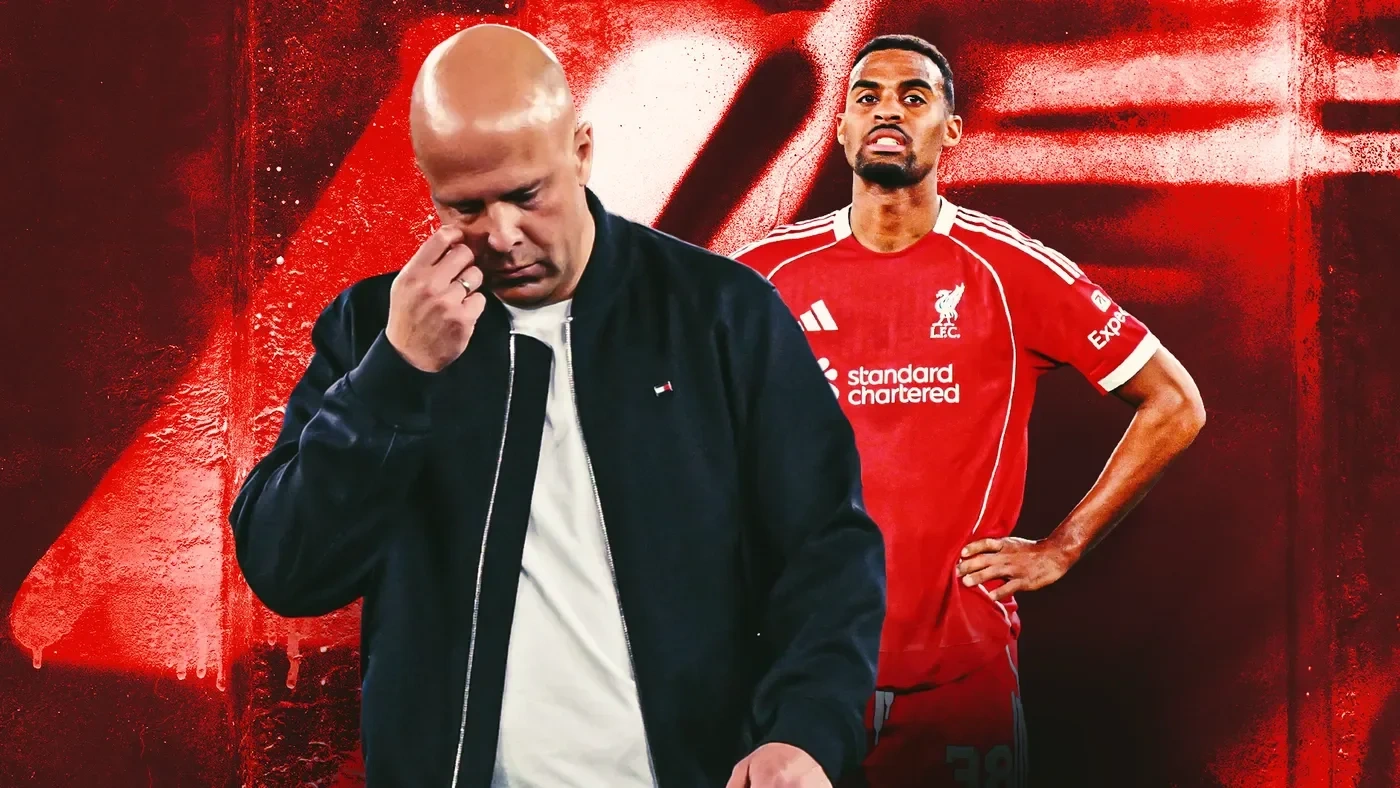
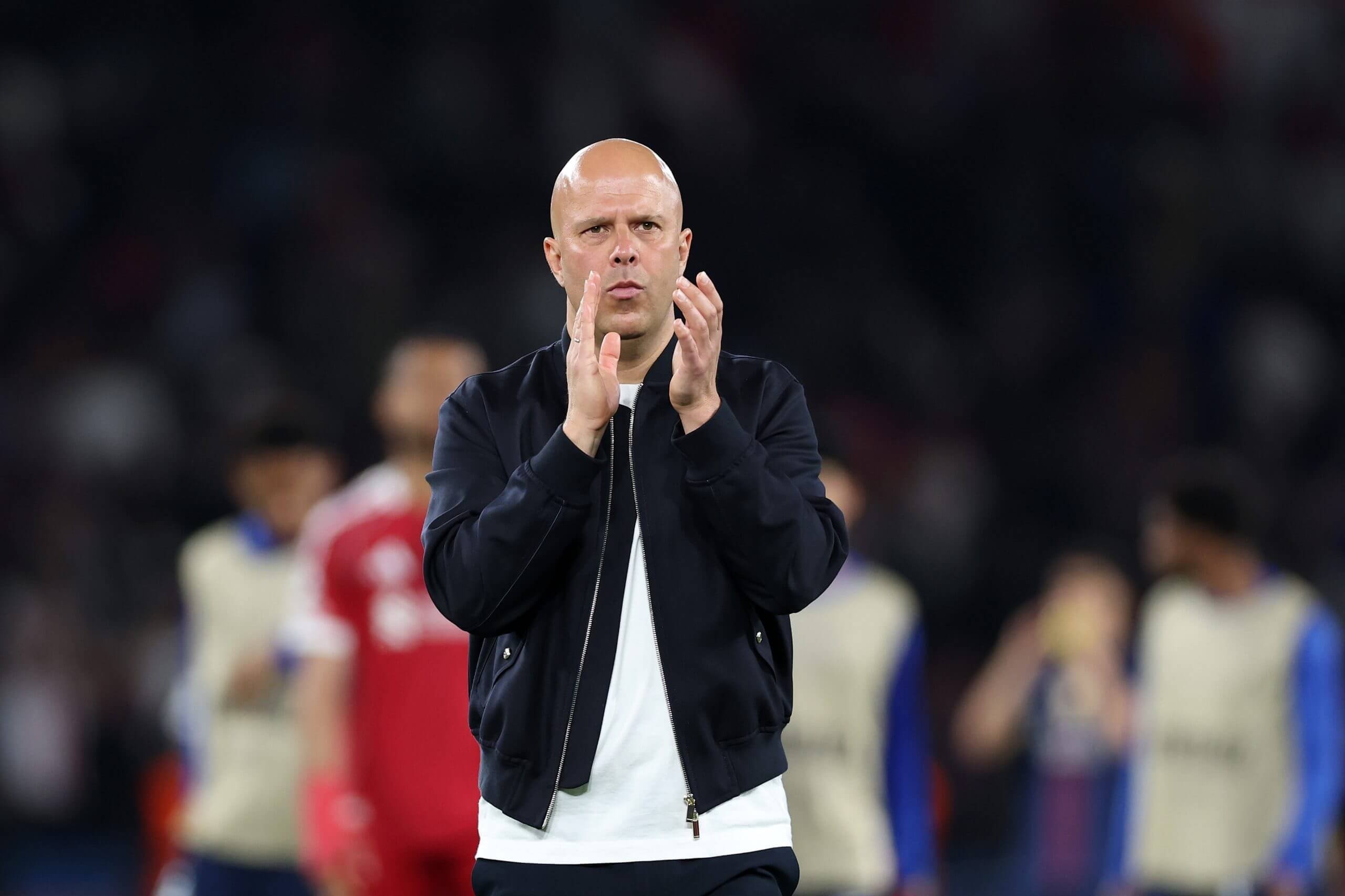
Arne Slot, who has often criticised defensive “anti‑football” tactics, was compelled to adopt a low‑block approach that ran contrary to his usual philosophy.
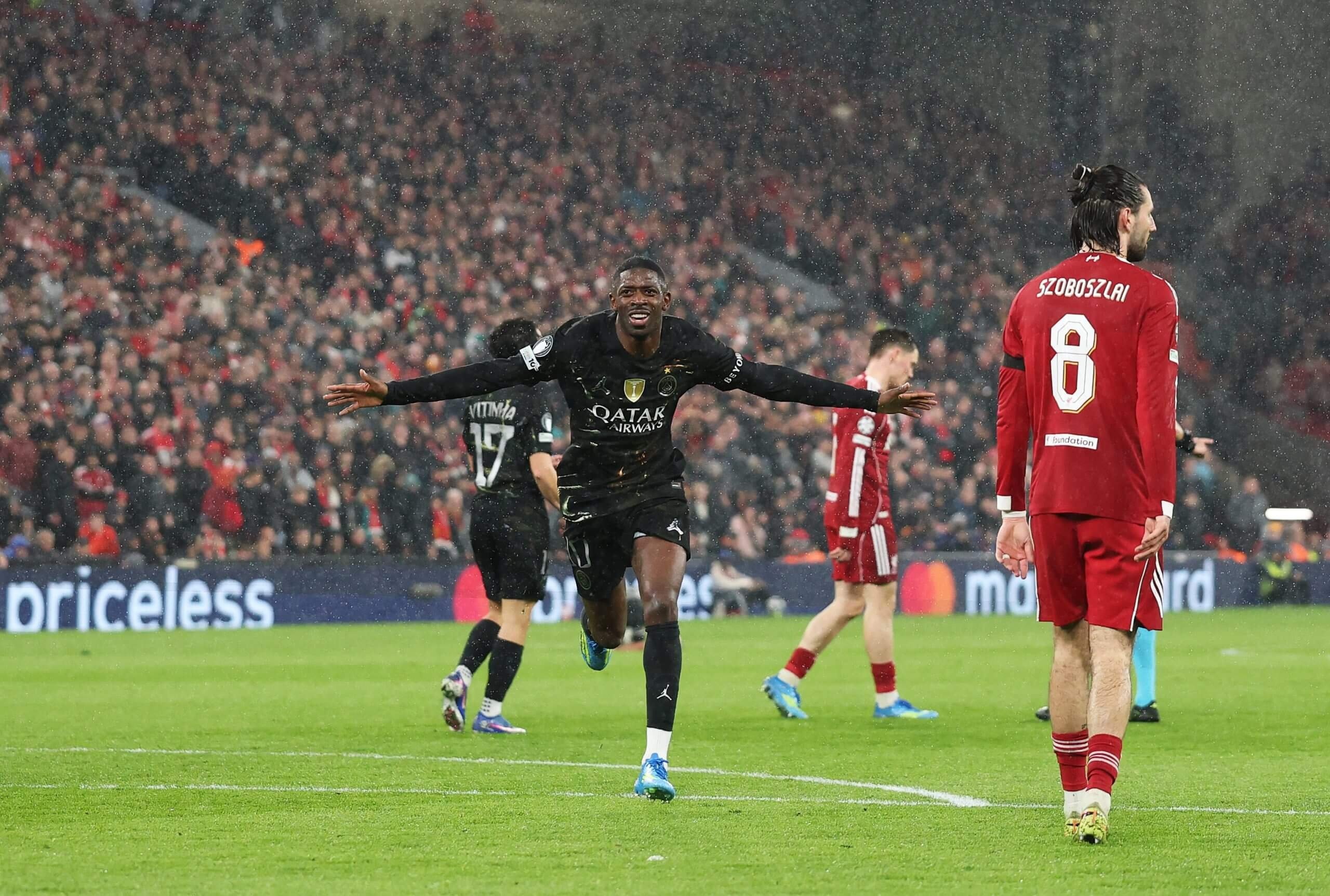
Despite the tactical shift, Liverpool could not stem the flow of PSG attacks, and the French giants secured a 2‑0 victory that left the Reds reeling.
PSG’s dominance was highlighted by the efficiency of their midfield maestro Vitinha, whose composure and passing range dictated the tempo of the match.
Vitinha’s performance was complemented by the clinical finishing of Ousmane Dembélé, whose attempts, though numerous, were largely saved or missed, underscoring PSG’s overall superiority.
The match statistics further illustrate the disparity between the two sides, with Liverpool’s 28 % possession contrasting sharply with PSG’s 72 %.
| Statistic | Liverpool | PSG |
|---|---|---|
| Possession | 28 % | 72 % |
| Shots on target | 0 | 5 |
| Goals | 0 | 2 |
The lack of shots on target for Liverpool highlighted the inefficacy of their attacking forays, which were largely limited to long‑ball attempts.
PSG’s defensive line, marshalled by experienced centre‑backs, maintained a compact shape that left little space for Liverpool’s forwards to exploit.
Virgil van Dijk, Liverpool’s defensive stalwart, was vocal in the post‑match interview, urging the Anfield crowd to provide the support needed for a possible comeback.
Van Dijk’s comments reflect the historical importance of Anfield’s atmosphere, which has often served as a catalyst for Liverpool’s dramatic turnarounds in European competition.
Arne Slot acknowledged in his press conference that the team had abandoned his “purist” footballing ideals in an effort to stay alive in the tie.
He described the performance as “a masterclass on how to overcome anti‑football,” while simultaneously conceding that the result was a “humbling” defeat.
PSG’s goalkeeper, whose name was not disclosed in the source, contributed to the clean sheet with several key saves that denied Liverpool any foothold.
The French side’s ability to convert chances was evident, as they capitalised on the few opportunities they created, demonstrating a clinical edge.
PSG’s tactical setup featured a high‑pressing front line that forced Liverpool into errors and limited their ability to build from the back.
In contrast, Liverpool’s midfield struggled to retain possession, often being forced into a defensive posture that further hampered their attacking transitions.
Joe Gomez’s long throws, a traditional weapon for Liverpool, failed to produce significant threats against a well‑organised PSG defence.
Following the match, Vitinha waited pitch‑side for Liverpool substitute Trey Nyoni to finish his warm‑down, an exchange that underscored the sportsmanship displayed despite the one‑sided scoreline.
Nyoni’s involvement was limited, reflecting Liverpool’s early substitution pattern aimed at injecting fresh legs into a stagnant performance.
Slot’s post‑match remarks emphasized PSG’s “many weapons” and the difficulty of containing a side equipped with such varied attacking options.
The French club’s squad depth, featuring multiple world‑class forwards, contributed to the “anti‑football” label by overwhelming Liverpool’s defensive structure.
Historically, Liverpool have engineered comebacks in the Champions League, most notably in the 2018‑19 semi‑final against Barcelona, a benchmark that fans will hope to emulate.
However, the current iteration of the Reds, under Slot’s stewardship, appears to be transitioning away from the high‑intensity pressing style popularised by Jürgen Klopp.
Critics have noted a shift toward a more measured, “elevator‑music” approach, which may be ill‑suited to the demands of knockout European football.
PSG’s recent domestic success, including winning the Ligue 1 title, has bolstered their confidence heading into the second leg.
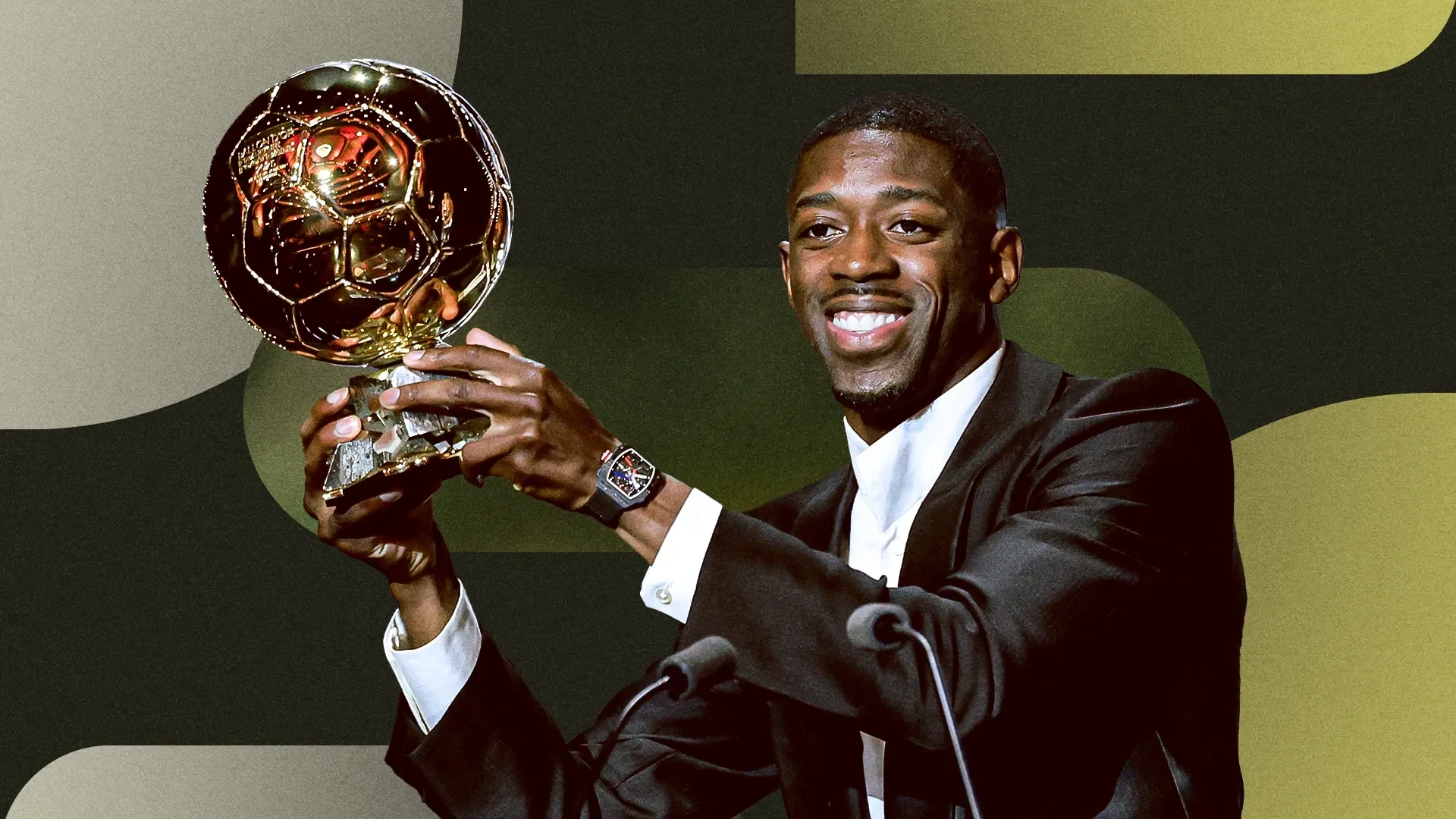
The French champions’ squad, bolstered by Ballon d’Or‑winner Ousmane Dembélé, possesses a blend of experience and individual brilliance.
Despite Dembélé’s failure to find the net in this fixture, his overall contribution to PSG’s attacking play remains significant.
PSG’s manager, whose identity is not provided, received praise for the team’s disciplined defensive shape and efficient attacking transitions.
Looking ahead to the return leg at Anfield, Liverpool will need to improve possession retention and create a higher volume of quality chances.
Van Dijk’s appeal to the fans underscores the club’s belief that a vocal home crowd can provide the necessary impetus for a turnaround.
Statistically, Liverpool must aim to increase their possession from 28 % to at least parity with PSG to have a realistic chance of overturning the deficit.
Furthermore, generating a minimum of three shots on target would be essential to apply sustained pressure on the PSG defence.
Slot’s tactical flexibility will be tested as he decides whether to revert to a more attacking formation or continue with a pragmatic, defensive setup.
The upcoming match will also serve as a litmus test for Liverpool’s squad depth, particularly the contributions of midfielders and forwards who have yet to make a decisive impact.
PSG’s metronomic midfield, anchored by Vitinha, will likely seek to dominate possession again, forcing Liverpool to adopt a compact defensive block.
Should Liverpool succeed in breaking down this midfield dominance, they could exploit the spaces left behind the advanced PSG full‑backs.
In the broader context of the Champions League, this tie highlights the growing tactical sophistication of French clubs on the European stage.
PSG’s ability to impose their style against a historically formidable opponent like Liverpool signals a shift in the balance of power within elite European football.
For Liverpool supporters, the narrative now centres on whether the club’s historic resilience can overcome the current tactical and personnel challenges.
The club’s hierarchy will be closely monitoring Slot’s performance, as prolonged under‑achievement may prompt a reassessment of the managerial position.
In the days leading up to the second leg, Liverpool’s training sessions are expected to focus on improving ball retention and sharpening attacking patterns.
Fans will be watching not only the tactical adjustments but also the psychological readiness of a squad that has endured two consecutive heavy defeats.