Arne Slot Defends Liverpool's Survival‑Mode Tactics After PSG Loss
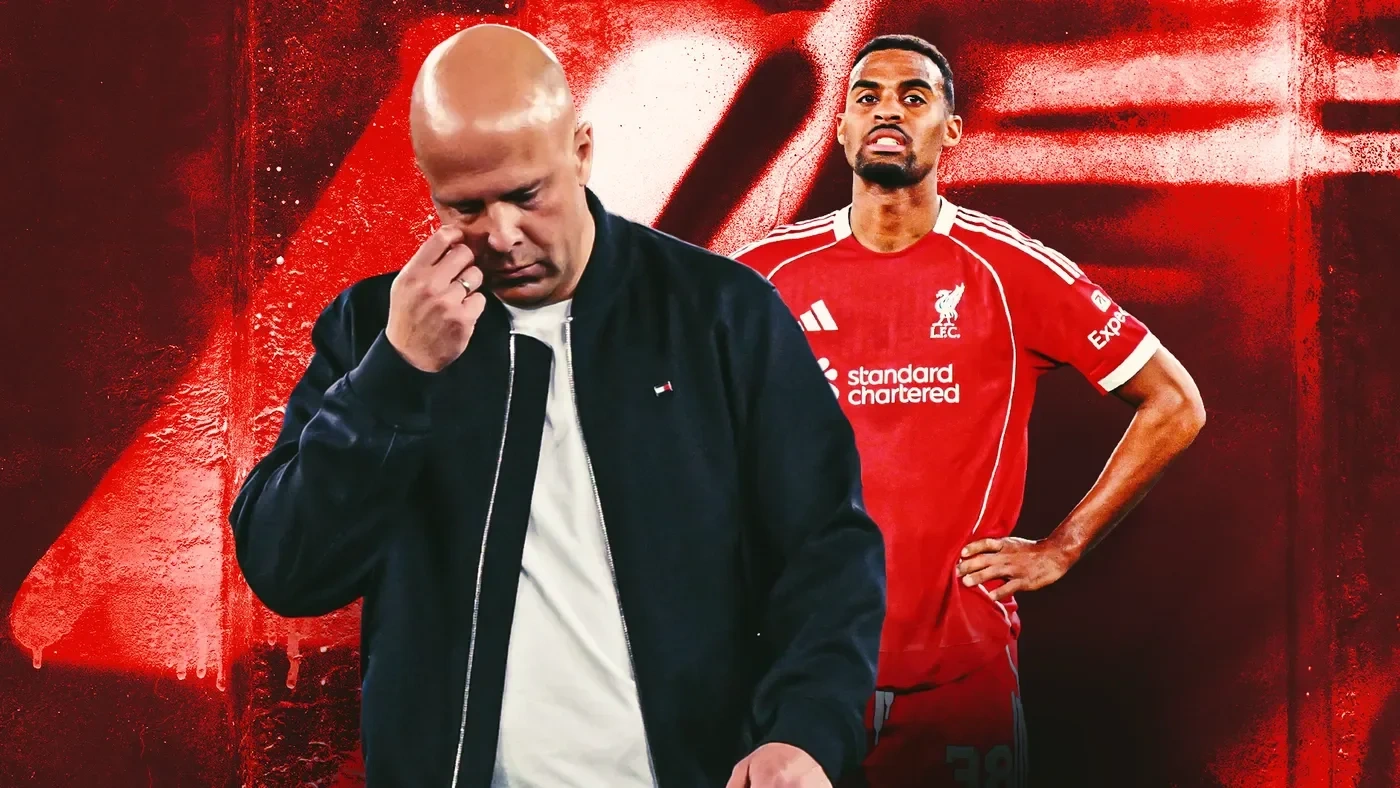
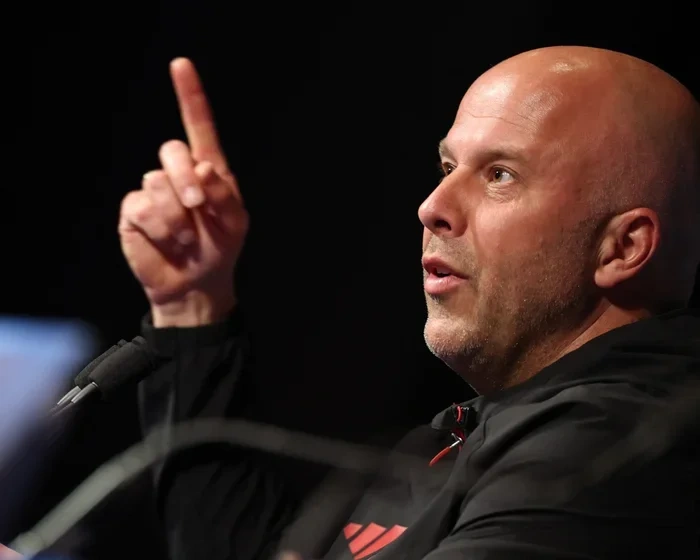
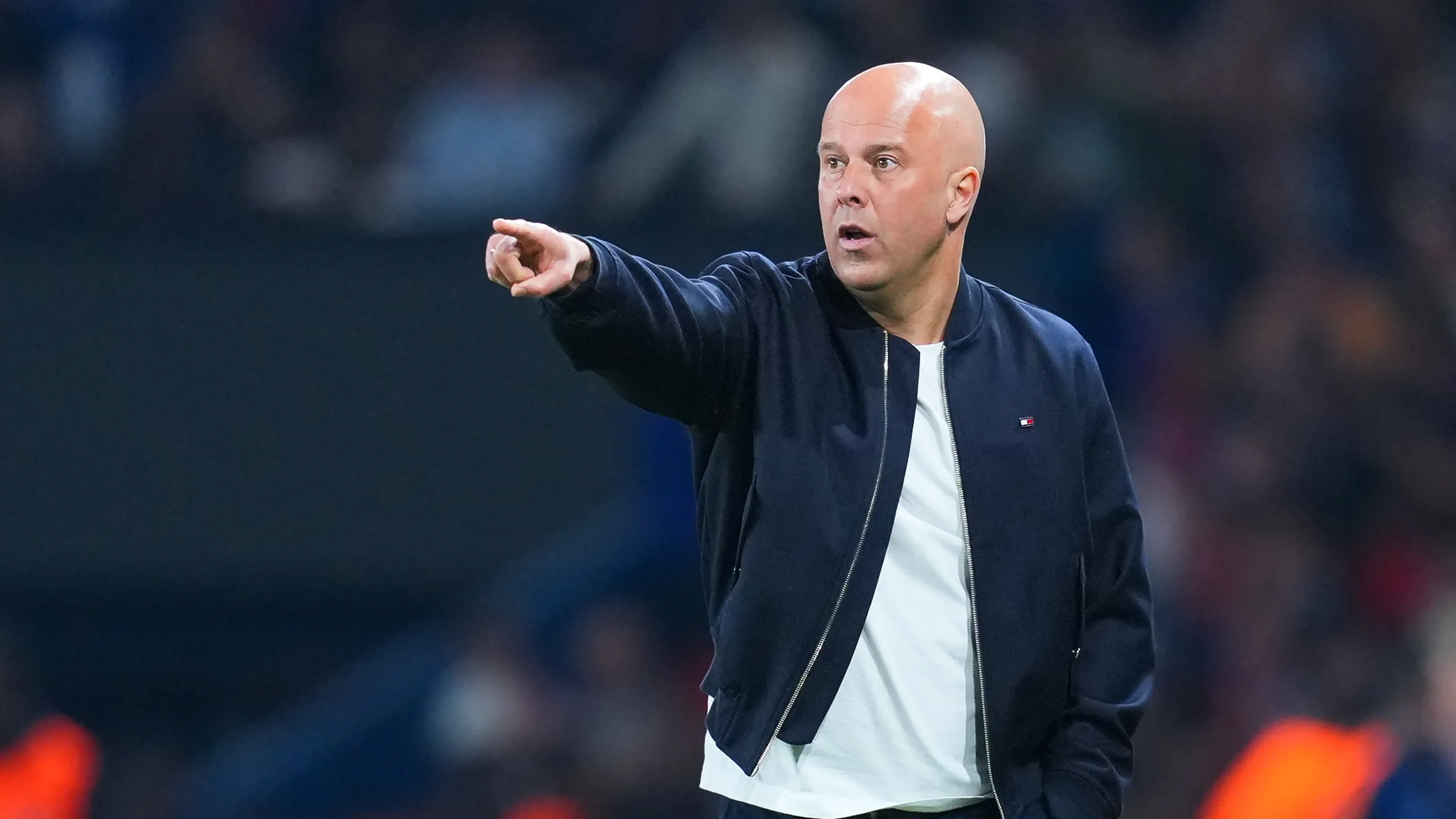
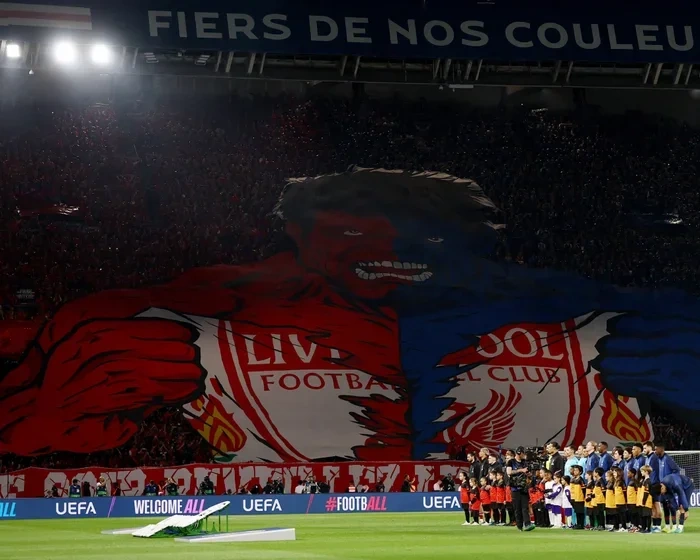
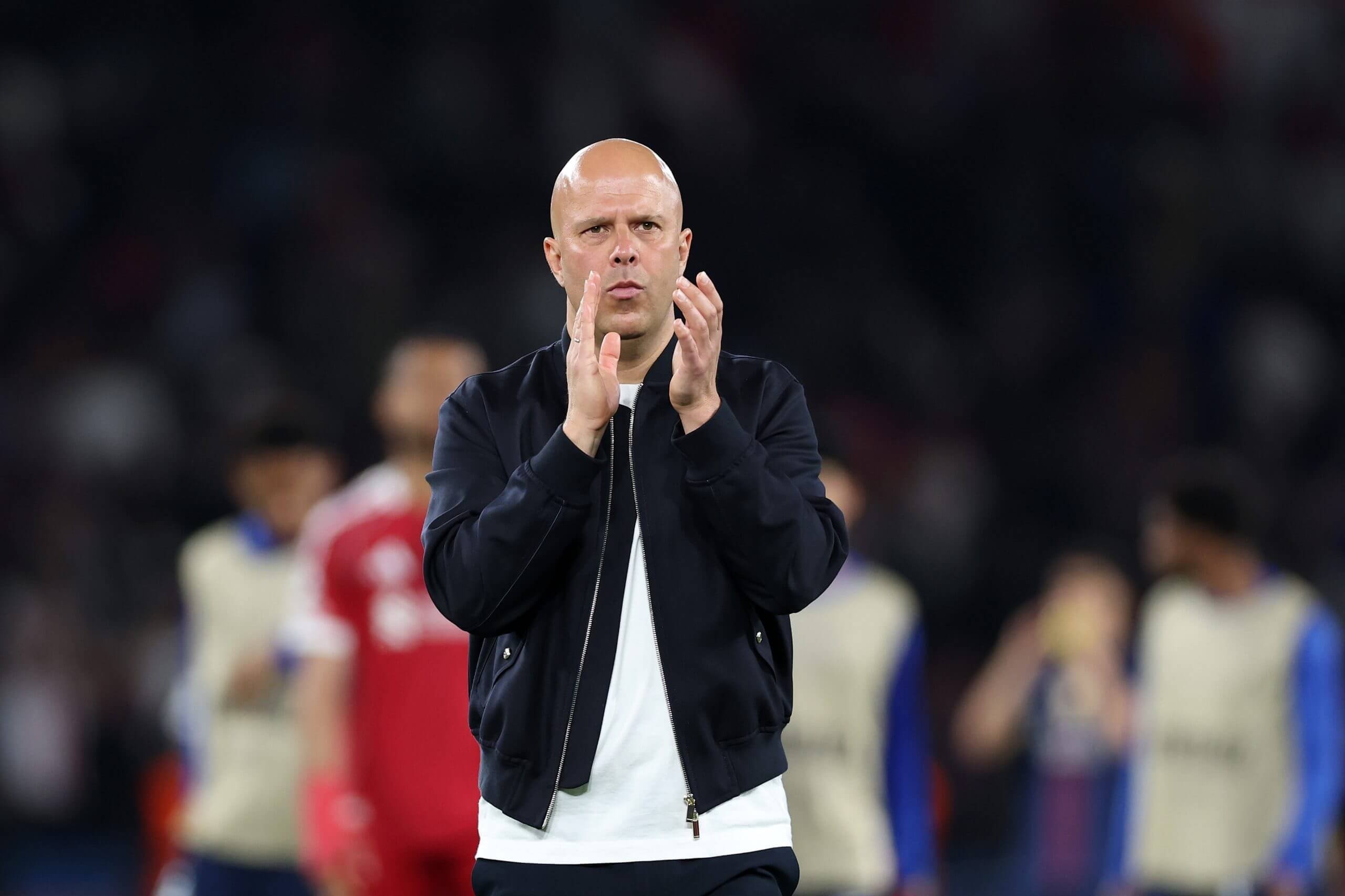
Arne Slot addressed the media after Liverpool’s 2‑0 loss to Paris Saint‑Germain in the Champions League quarter‑final first leg, defending the “survival mode” approach his side employed.
The Dutch manager explained that the tactical shift to a three‑centre‑back system was intended to absorb PSG’s pressure, acknowledging that Liverpool were “completely ripped apart” at times during the encounter.
Slot highlighted the stark statistical disparity, noting that Liverpool held just 26 per cent possession at the Parc des Princes while managing only three shots compared with PSG’s eighteen.
Mohamed Salah remained on the bench for the entire match, a decision Slot reiterated was influenced by the need to conserve the forward’s energy for the forthcoming weeks.
In the second half, Slot made a quadruple substitution but still turned to youngster Trey Nyoni in the final minutes, underscoring the limited offensive options he felt were viable in the given circumstances.
“In the last part of the game it was more about surviving than thinking we could score,” Slot said, describing a 25‑minute period in which Liverpool focused almost exclusively on defending.
The manager also commented on the broader context of Liverpool’s season, suggesting that the club’s overall campaign has placed them in a “survival mode” mindset beyond the single match.
He referenced the difficulty of confronting a PSG side that has consistently “blown the opponent away” throughout the competition, regardless of the tactical variations they have employed.
Slot questioned whether deploying traditional wingers against the pace of Achraf Hakimi and Nuno Mendes would have altered the dynamic, but concluded that such a setup was not used on the night.
Looking ahead to the second leg at Anfield, the Liverpool coach promised a different tactical approach, stating that the team would not repeat the same strategy that proved ineffective in Paris.
He emphasized the importance of adapting the game plan to the home environment, where Liverpool’s supporters and familiar pitch conditions could provide a competitive edge.
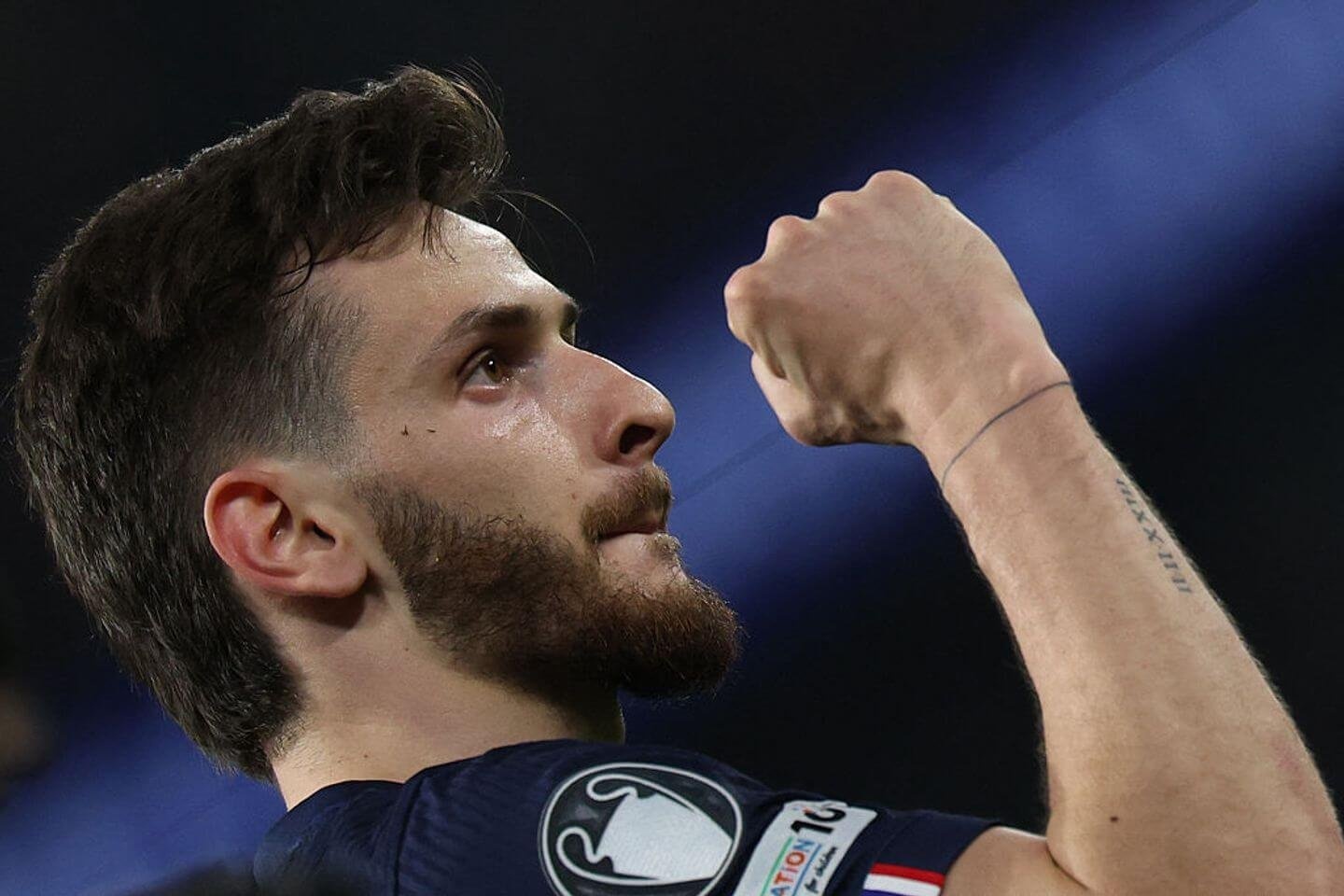
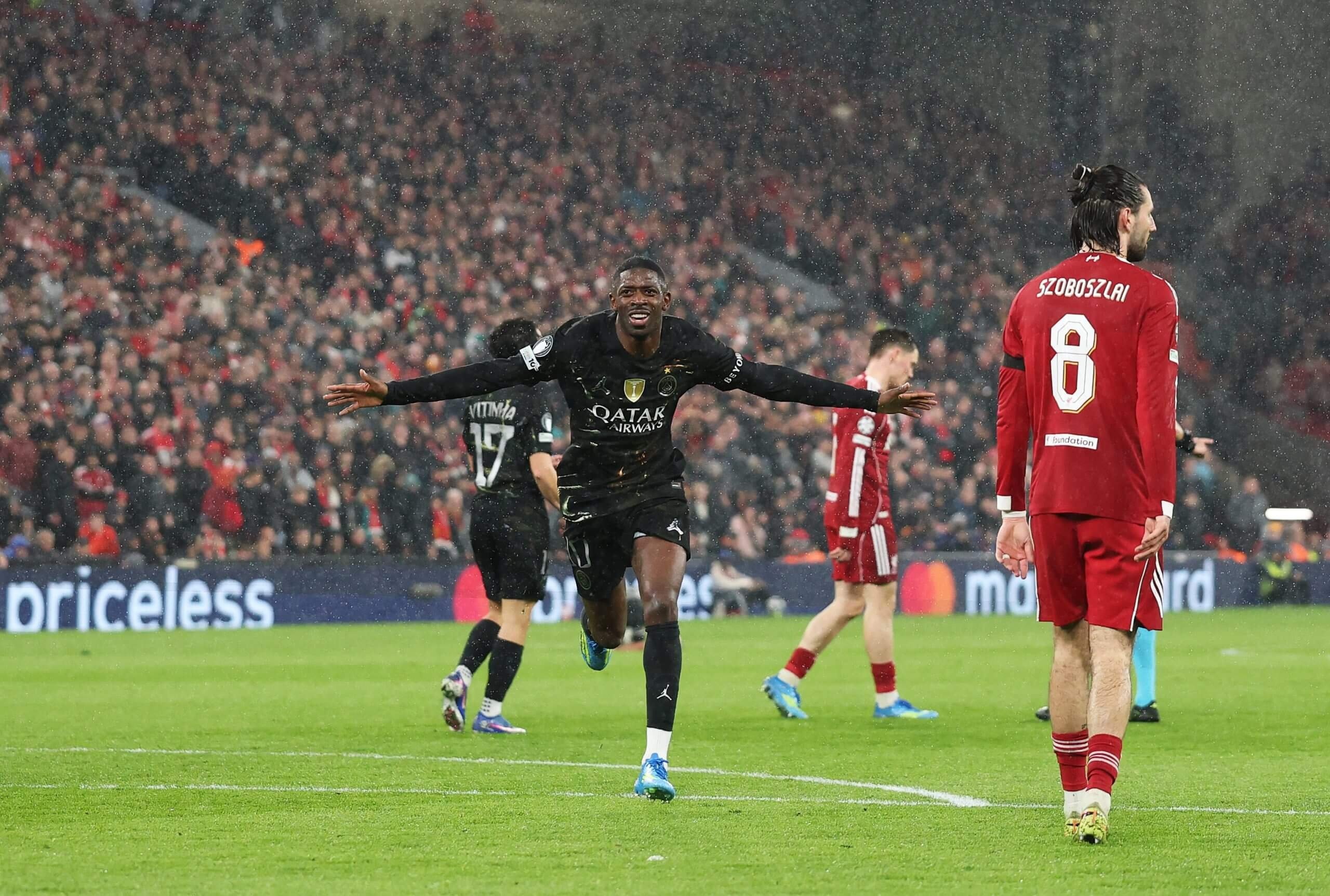
Slot’s remarks came after PSG’s goals came from Desire Doué and Kvicha Kvaratskhelia, both of whom capitalised on the space created by Liverpool’s defensive shape.
The defeat leaves Liverpool with a considerable challenge to overturn the deficit, prompting analysis of how the squad’s depth and experience will be tested in the return fixture.
Historically, Liverpool have navigated similar deficits in European competition, with notable comebacks in the 2005 and 2019 Champions League campaigns.
However, the current squad’s form in the Premier League has been inconsistent, contributing to the heightened pressure surrounding the club’s continental ambitions.
Slot’s decision to bench Salah, despite the forward’s proven record in Europe, reflects a strategic choice to preserve key players for the congested fixture list ahead.
Mohamed Salah’s average of 0.78 goals per game in the Champions League this season underscores the potential impact his absence may have on Liverpool’s attacking potency.
In the broader context of the season, Liverpool sit in the middle of the Premier League table, a position that contrasts sharply with the club’s recent history of title challenges.
The tactical shift to a back three involved centre‑backs Virgil van Dijk, Ibrahima Konaté and a third defender whose identity was not disclosed in the post‑match briefing.
Slot’s acknowledgment of “survival mode” aligns with the club’s recent statements about the need to secure points domestically while remaining competitive in Europe.
Analysts have noted that Liverpool’s three‑defender configuration limited the width of their attack, potentially reducing the effectiveness of overlapping full‑backs.
Paris Saint‑Germain’s possession dominance (74 per cent) and shot volume (18) illustrate the pressure Liverpool faced throughout the 90 minutes.
| Statistic | Liverpool | Paris Saint‑Germain |
|---|---|---|
| Possession (%) | 26 | 74 |
| Shots | 3 | 18 |
| Goals | 0 | 2 |
Slot’s post‑match interview also touched on the psychological aspect of competing against a side that “doesn’t allow chance after chance,” highlighting the mental resilience required from his players.
He cited the need for Liverpool to “show a different game” at Anfield, suggesting a possible return to a more expansive formation that leverages the attacking talents of players like Diogo Jota and Luis Diaz.
The manager’s reference to “real wingers” indicates a potential shift back to a 4‑3‑3 or 4‑2‑3‑1 system, which historically has provided Liverpool with width and crossing opportunities.
In terms of player profiles, Virgil van Dijk’s experience in high‑pressure European ties will be crucial in organising the defence against PSG’s attacking threats.
Achraf Hakimi, who featured for PSG, is known for his speed and ability to exploit spaces behind a high defensive line, a factor that may influence Liverpool’s defensive setup in the second leg.
Nuno Mendes, the left‑back for PSG, combines technical skill with defensive solidity, presenting a dual challenge for Liverpool’s right‑side players.
Desire Doué’s goal came from a set‑piece situation, reflecting PSG’s proficiency in capitalising on dead‑ball opportunities.
Kvicha Kvaratskhelia, a rising Georgian talent, added a second goal, demonstrating his ability to find space inside the box against a compact defence.
The combination of set‑piece efficiency and open‑play movement contributed to PSG’s comprehensive victory in Paris.
Looking ahead, Liverpool’s preparation will involve analyzing the footage from the first leg to identify moments where the three‑centre‑back system faltered against quick transitions.
Slot’s coaching staff will likely conduct targeted drills to improve the team’s ability to press higher and regain possession in midfield, addressing the low possession statistic.
The upcoming Anfield fixture is scheduled for next week, with Liverpool needing at least a two‑goal margin to level the aggregate score, assuming no away goals rule applies.
Fans and pundits alike will be watching closely to see whether Slot’s promised tactical adjustment materialises and how the team’s morale responds to the “survival mode” narrative.
Should Liverpool succeed in overturning the deficit, it would mark a significant milestone in Slot’s early tenure, reinforcing his reputation for adaptability and strategic planning.
Conversely, a repeat of the defensive approach could further jeopardise Liverpool’s European aspirations and intensify scrutiny on the manager’s decision‑making.
The match also carries broader implications for the Premier League, as Liverpool’s progress—or elimination—affects the perception of English clubs in the Champions League this season.
Overall, Slot’s candid assessment of the first‑leg performance provides a clear framework for the adjustments Liverpool intends to make, setting the stage for a decisive encounter at Anfield.