Pellegrino Matarazzo Becomes First American Coach to Win Copa del Rey with Real Sociedad
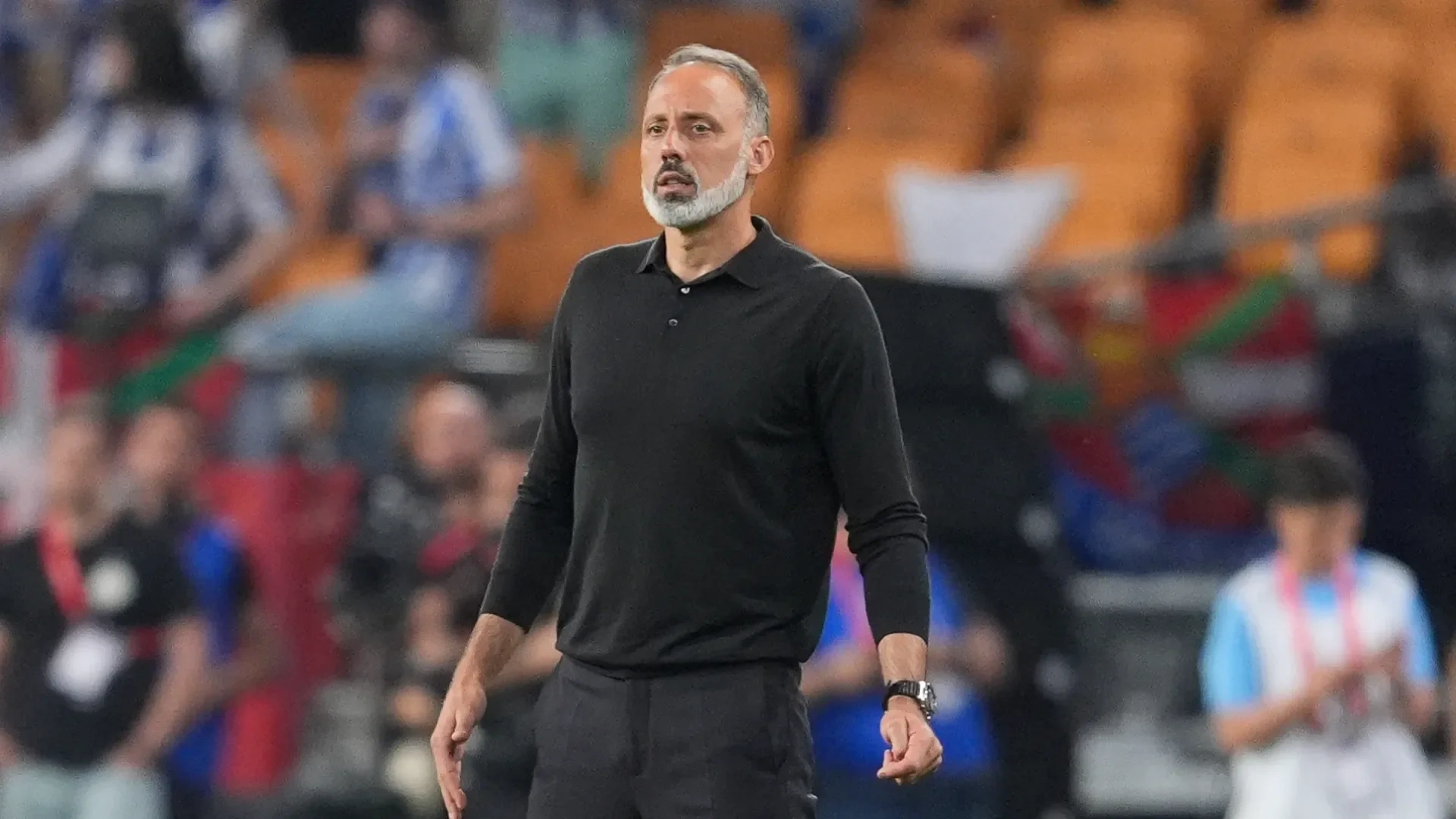
Pellegrino Matarazzo made history on Saturday as Real Sociedad defeated Atlético Madrid in a Copa del Rey final that was settled by a penalty shoot‑out. The 42‑year‑old American coach became the first U.S.‑born manager to win a major trophy in one of Europe’s top‑five leagues, ending a long‑awaited wait for La Real’s first silverware since the 2019‑2020 season.
The final, played at the Estadio de La Cartuja in Seville, unfolded as a dramatic seesaw battle. Real Sociedad took the lead twice, only for Atlético Madrid to equalise each time, forcing the match into extra time. A late goal from Julian Álvarez in the 119th minute finally levelled the scores at 2‑2, sending the contest to a nerve‑wracking shoot‑out.
In the decisive penalty series, goalkeeper Unai Marrero emerged as the hero for the Basque side, saving two spot‑kicks. Substitute forward Pablo Marín stepped up to net the winning penalty, clinching a 5‑4 shoot‑out victory and sealing Matarazzo’s landmark achievement.
Real Sociedad entered the match in a precarious position in La Liga, having been only two points above the relegation zone five months earlier when Matarazzo was appointed in December 2025. At that time, the team had recorded just four wins across the season, prompting doubts about their capacity to challenge for honours.
Since taking charge, Matarazzo has overseen a remarkable turnaround, guiding La Real to a comfortable mid‑table standing and restoring confidence within the squad. The Copa del Rey triumph represents not only a trophy but also a validation of his tactical philosophy and man‑management skills.
Atlético Madrid, on the other hand, arrived at the final seeking their first major trophy in five years. The club, under the stewardship of Diego Simeone, has remained competitive in both domestic and European competitions, currently preparing for a Champions League semi‑final clash against Arsenal on April 29.
The tactical battle between the two managers highlighted contrasting approaches. Matarazzo deployed a fluid 4‑3‑3 system, emphasizing high‑pressing and quick transitions, while Simeone stuck to his familiar 4‑4‑2 diamond, focusing on defensive solidity and counter‑attacks.
Real Sociedad’s midfield, anchored by veteran Xabi Alonso, executed disciplined pressing lines that disrupted Atlético’s build‑up play. The Spanish international’s experience in controlling tempo proved pivotal in allowing the younger players to surge forward during attacking phases.
Atlético’s response relied on the physical presence of seasoned centre‑backs José Giménez and Stefan Savić, who repeatedly thwarted Sociedad’s advances. Their aerial dominance was evident in both defensive clearances and set‑piece opportunities throughout the 120 minutes.
Julian Álvarez’s late equaliser epitomised the resilience of Matarazzo’s side. The Argentine forward, who had been a substitute for most of the match, capitalized on a defensive lapse in the dying seconds of extra time, demonstrating the depth of the squad.
Statistically, the final was tightly contested. Both teams recorded equal possession, while Real Sociedad managed a slightly higher pass accuracy, reflecting their emphasis on ball retention.
| Statistic | Real Sociedad | Atlético Madrid |
|---|---|---|
| Possession (%) | 51 | 49 |
| Pass Accuracy (%) | 86 | 83 |
| Shots on Target | 4 | 5 |
| Fouls Committed | 12 | 14 |
| Yellow Cards | 2 | 3 |
The match also underscored the growing influence of American coaches in European football. Historically, U.S. managers have struggled to break into the upper echelons of the sport, with figures like Jesse Marsch achieving success primarily in lower‑profile leagues.
Marsch, who guided RB Salzburg to two Austrian Bundesliga titles, never replicated that level of achievement in the Premier League or Bundesliga, highlighting the challenges faced by American tacticians abroad. Matarazzo’s success therefore marks a significant milestone for the nation’s coaching pedigree.
Real Sociedad has become a notable incubator for future top‑flight managers in recent years. The club’s recent alumni include Xabi Alonso, who transitioned from player to coach, Mikel Arteta, Unai Emery, Andoni Iraola, and Julen Lopetegui, all of whom have held prominent roles in elite clubs.
The pattern suggests that La Real’s environment fosters tactical innovation and leadership development, qualities that Matarazzo appears to have absorbed and applied. His rapid adaptation to the Spanish game and ability to motivate a squad under pressure are hallmarks of this coaching pipeline.
Looking ahead, Real Sociedad’s league campaign remains open. With seven matches left in La Liga, the team sits two points shy of a European competition spot, positioning them within striking distance of qualifying for the UEFA Europa League.
The Copa del Rey victory provides a psychological boost that could translate into improved performances in the remaining fixtures. Maintaining defensive solidity while exploiting quick counter‑attacks will be essential for securing the additional points needed.
Atlético Madrid, despite the disappointment in the cup final, retains a realistic chance of adding silverware this season. Their upcoming Champions League semi‑final against Arsenal offers a platform to demonstrate resilience and compete for European glory.
Both clubs will also need to manage squad rotation carefully, as the congested fixture list places physical demands on players. Depth in the bench, highlighted by Pablo Marín’s decisive contribution, will be a decisive factor for Real Sociedad moving forward.
The broader implications of Matarazzo’s triumph extend beyond Spanish football. His achievement may encourage European clubs to consider American coaches for senior roles, potentially reshaping hiring practices across the continent.
Youth development programs in the United States could also benefit, as success at the highest level provides a tangible pathway for aspiring coaches. Increased visibility may attract investment and elevate the standard of coaching education domestically.
In summary, Pellegrino Matarazzo’s historic Copa del Rey win not only crowns Real Sociedad’s season with a coveted trophy but also sets a new benchmark for American managers in Europe’s elite competitions. The victory encapsulates a story of strategic acumen, squad unity, and a breakthrough for U.S. soccer on the global stage.