Real Madrid’s Champions League Exit Sparks Major Changes at the Bernabéu Stadium
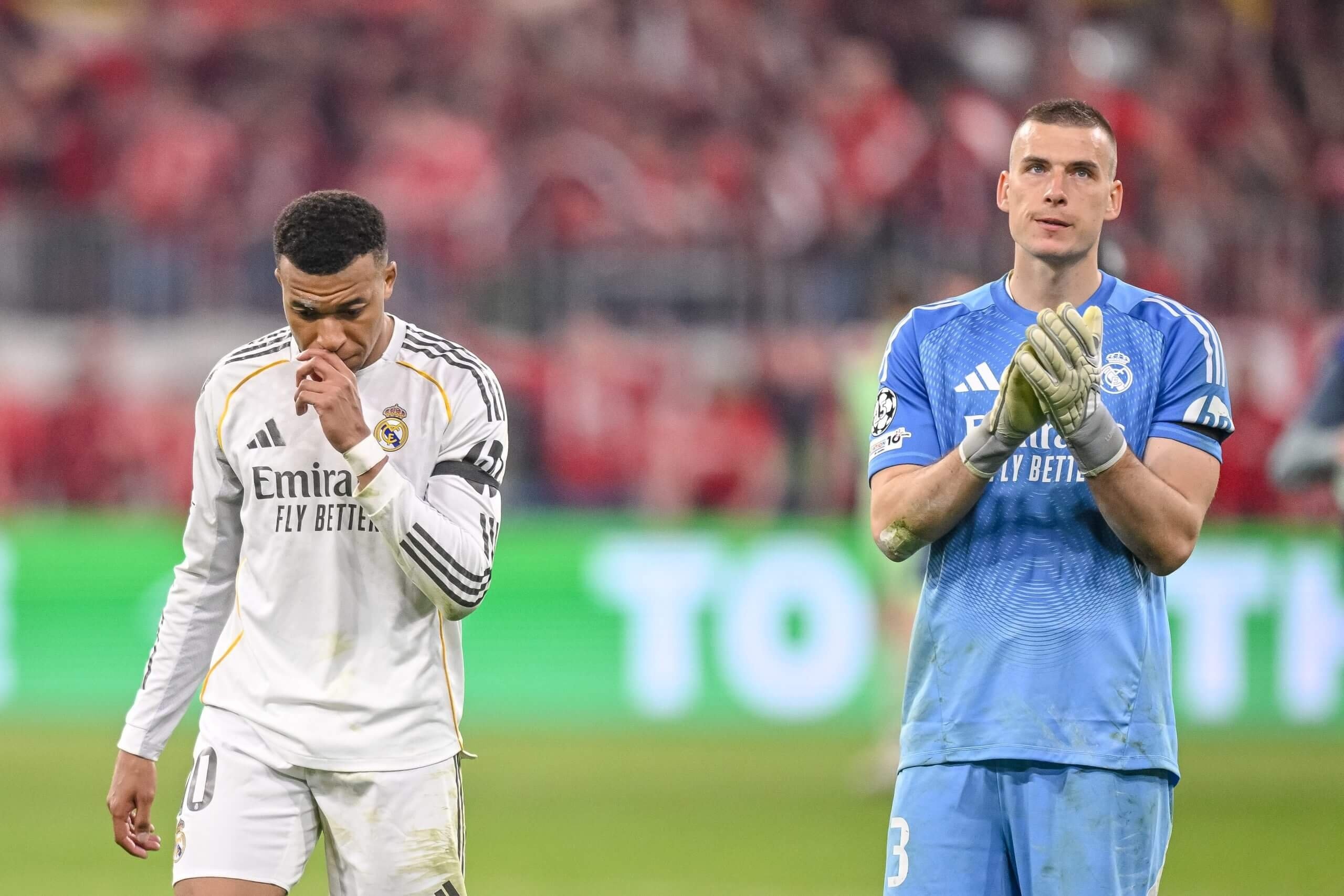
Real Madrid’s 4‑3 defeat to Bayern Munich at the Allianz Arena closed their Champions League campaign, leaving the Spanish giants without a major trophy for the 2024‑25 season.
The 6‑4 aggregate loss follows a chaotic second leg that saw both sides exchange goals in rapid succession, highlighting defensive frailties that have plagued Madrid all term.
Alvaro Arbeloa, appointed in January after Xabi Alonso’s dismissal, now faces an almost certain departure, although he may remain in charge until the season’s end.
Arbeloa’s tenure began with a Copa del Rey upset at the hands of second‑division Albacete, a result that set a troubling tone for his short spell.
In La Liga, Barcelona sit nine points clear with seven matches remaining, including a decisive Clasico on 10 May that could clinch the title for the Catalans.
The last time Madrid endured two consecutive trophy‑less seasons was 16 years ago, underscoring the magnitude of the current crisis.
President Florentino Pérez has historically shown little patience with managers who fail to deliver silverware, with Zinedine Zidane being the only recent exception.
When asked about his future after the Bayern loss, Arbeloa responded that the club’s decision would determine his fate and affirmed his loyalty to Madrid.
His statement reinforced a pattern of managerial instability at the Bernabéu, where success is demanded instantly and relentlessly.
Historical precedent includes Vicente del Bosque’s dismissal the day after winning the 2002‑03 league, illustrating the club’s unforgiving nature.
Carlo Ancelotti’s first spell ended in May 2015 despite delivering La Décima, the club’s 10th European Cup, showing that even landmark achievements do not guarantee security.
During his playing days, Arbeloa shared a bus anecdote with Dani Carvajal after the 2014 Champions League final, reflecting the club’s constant pursuit of the next triumph.
Real Madrid now hold 15 European titles, the most in the competition’s history, with AC Milan trailing at seven.
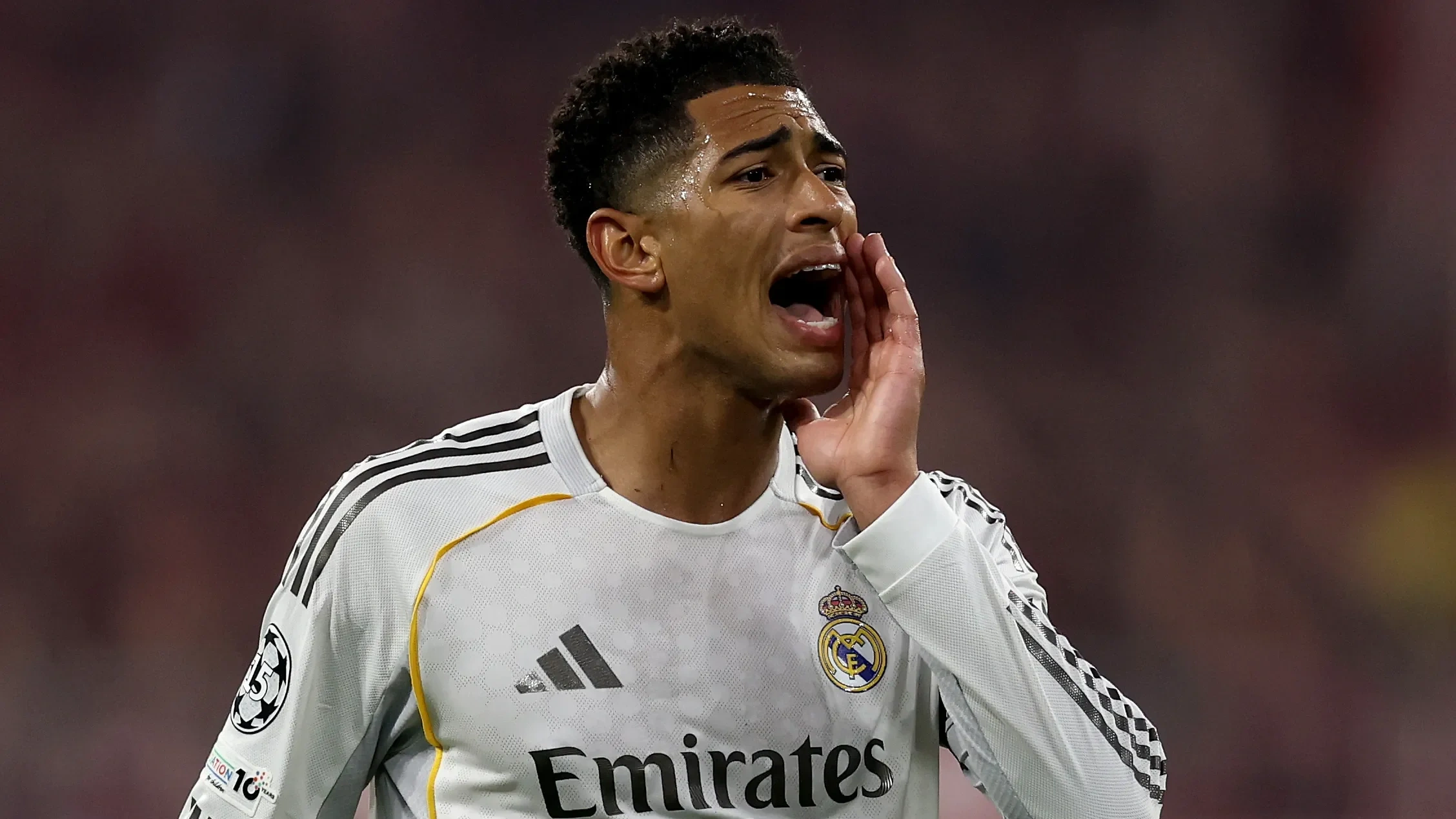
The club’s ambition to extend this record continues to attract world‑class talent such as Kylian Mbappé, Vinícius Júnior and Jude Bellingham.
Nevertheless, the expectation that failure will be blamed on the head coach remains entrenched in the club’s culture.
Sources close to the organization indicate that Arbeloa is likely to be dismissed but may stay on to finish the season, avoiding a mid‑campaign managerial change.
This approach would allow the club to maintain continuity while searching for a long‑term replacement during the off‑season.
Arbeloa’s contract details have never been fully disclosed; rumors suggest it runs at least until the end of the next season.
His strong relationship with Pérez and prior ambassadorial roles could see him transition to a non‑coaching position within the club.
However, Arbeloa has expressed a clear desire to continue his managerial career, citing personal ambition.
Potential successors have been widely discussed, though no formal contacts have been confirmed.
Jurgen Klopp has been mentioned despite his current role as Red Bull’s global head of soccer and his public denial of any interest in leaving the organization.
Zinedine Zidane remains a favored figure for Pérez, yet his possible involvement with the French national team after the 2025 World Cup adds uncertainty.
Didier Deschamps, France’s manager whose contract expires in July 2025, is also a candidate, reflecting Madrid’s interest in high‑profile international coaches.
Mauricio Pochettino, currently the United States head coach, has been linked to the role, with Pérez historically valuing his tactical acumen.
Pochettino’s contract runs through the World Cup, and he has indicated openness to discussing future opportunities, though no talks have taken place.
Beyond the head‑coach vacancy, the club is reportedly evaluating changes across its sporting structure.
Sources suggest the possible appointment of a dedicated director of football, a role that would alter the current recruitment hierarchy.
Presently, recruitment decisions involve General Director José Ángel Sánchez, chief scout Juni Calafat and President Pérez, with limited authority granted to Santiago Solari.
Medical and fitness departments have also been sources of tension, highlighted by a series of high‑profile injuries.
Under Alonso, disagreements surfaced between fitness coach Ismael Camenforte and long‑time trainer Antonio Pintus, who traditionally enjoys Pérez’s trust.
After Alonso’s sacking, Pintus resumed a dominant role, yet injury woes persisted, including a misdiagnosed knee issue for Mbappé in December 2023.
In March 2025, Croatian doctor Niko Mihić was reinstated as head of medical services following internal disputes over injury management.
The club recorded 25 injuries this season, a factor cited by former staff as contributing to the squad’s lack of balance and coherence.
Analysts note that the midfield, right‑back and right‑wing positions lack depth, prompting calls for a squad rebuild.
Vinícius Júnior, Bellingham and Mbappé have dominated headlines, yet their collective influence has sometimes hindered squad harmony, according to insiders.
Real Madrid’s recent league performance reflects these issues, as shown in the current La Liga standings.
| Team | Points | Games Played |
|---|---|---|
| Barcelona | 78 | 31 |
| Real Madrid | 69 | 31 |
The table illustrates Madrid’s nine‑point deficit with seven fixtures remaining, emphasizing the slim margin for a late‑season surge.
In the Champions League quarter‑final, key statistics further expose Madrid’s defensive vulnerabilities.
| Statistic | Real Madrid | Bayern Munich |
|---|---|---|
| Goals Scored | 4 | 6 |
| Shots on Target | 12 | 15 |
| Possession % | 48 | 52 |
Despite a respectable shot count, Madrid’s conversion rate lagged behind Bayern’s, and possession was marginally lower.
Player‑specific analysis shows Jude Bellingham’s work rate remained high, yet his defensive contributions were insufficient to offset the team’s overall frailties.
Vinícius Júnior created several clear‑cut chances, but his finishing accuracy fell below season averages.
Kylian Mbappé’s limited minutes, due to injury, reduced his impact in the tie, a point highlighted by the misdiagnosed knee issue earlier in the season.
The tactical setup employed by Arbeloa featured a 4‑3‑3 formation, aiming to exploit the pace of his front three while maintaining midfield solidity.
In practice, the midfield trio struggled to contain Bayern’s rapid transitions, exposing gaps that the German side repeatedly exploited.
Defensively, the back four often fell out of sync, with full‑backs caught high up the pitch and centre‑backs failing to coordinate the offside trap.
These systemic issues underscore the broader structural problems cited by insiders, including inadequate squad depth and injury‑driven rotation.
Looking ahead, Real Madrid’s board must decide whether to initiate a comprehensive overhaul or pursue incremental adjustments.
Potential recruitment targets identified by club sources include a right‑back, a centre‑back and a central midfielder to restore balance.
Any incoming manager will likely be tasked with integrating these signings while managing the egos of a star‑laden roster.
The club’s financial position remains robust, providing flexibility for high‑profile acquisitions.
Nevertheless, the proposed external investment structure announced by Pérez in November has yet to materialise, leaving the club’s ownership model unchanged.
In summary, the Champions League exit serves as a catalyst for imminent change at the Bernabéu, affecting coaching, medical, and administrative departments.
Real Madrid’s next steps will be closely scrutinised by supporters and the global football community, given the club’s storied legacy and relentless pursuit of excellence.