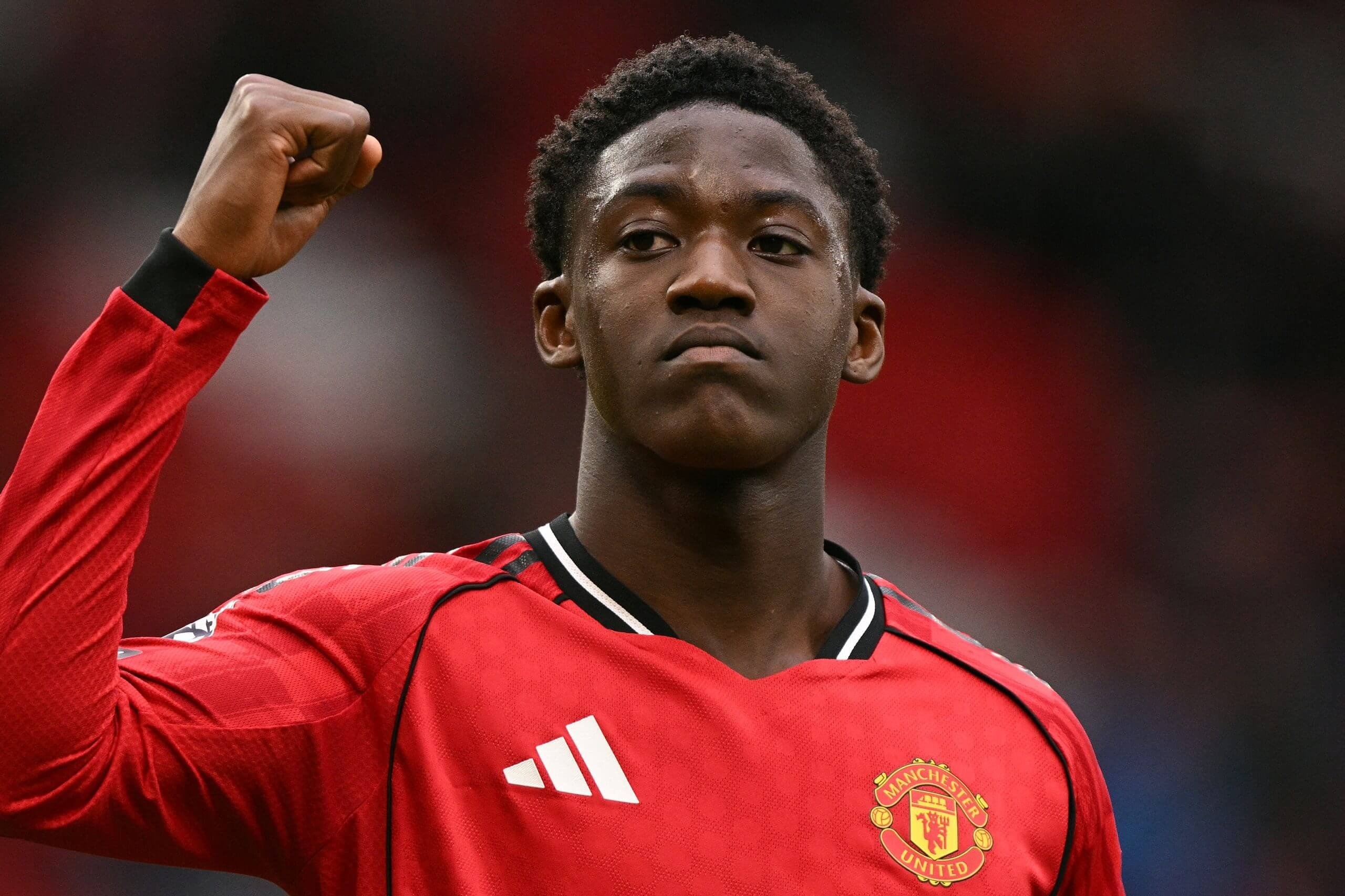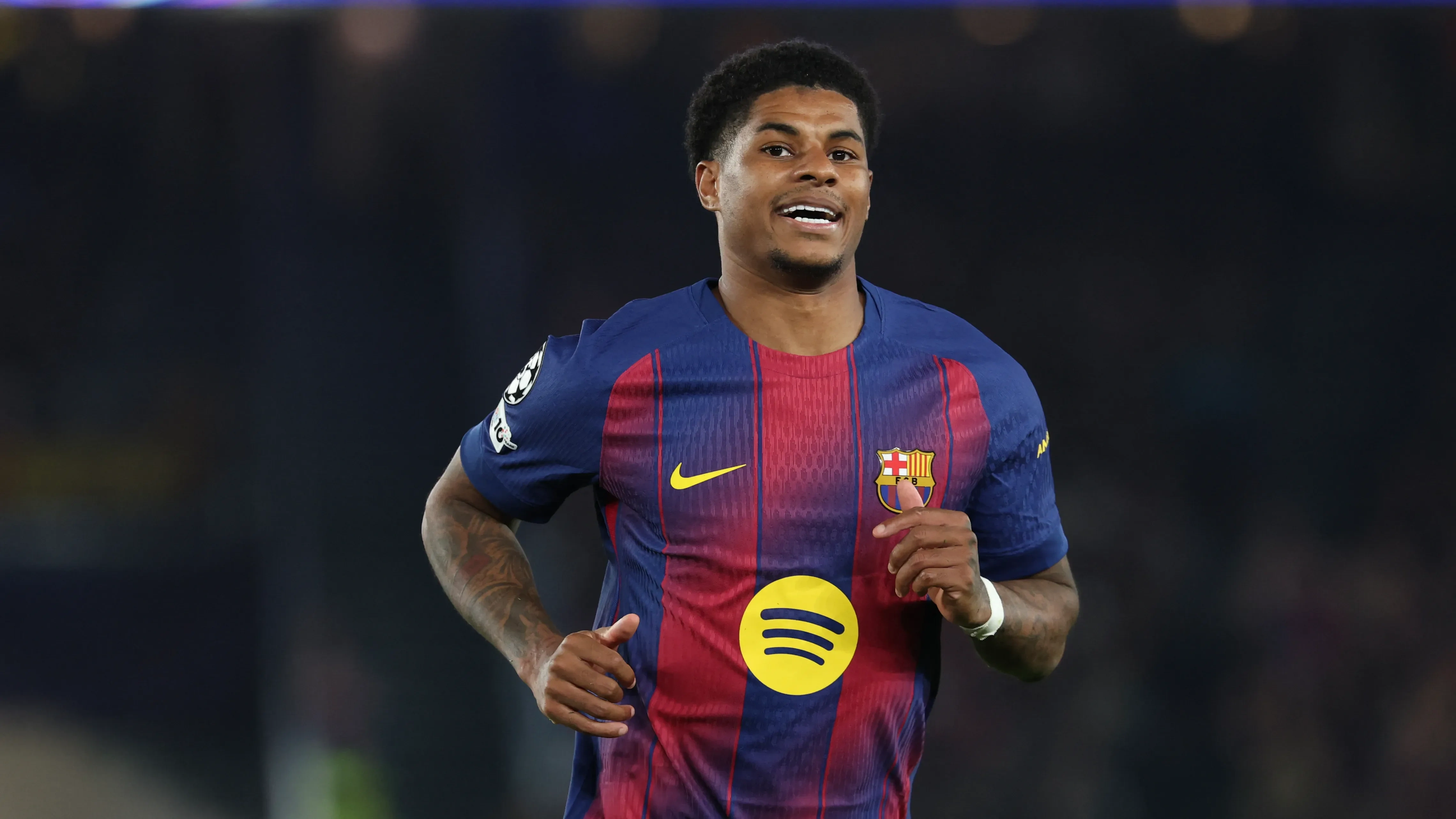
Barcelona negotiate second Rashford loan with Man United
Barcelona have entered formal negotiations with Manchester United to secure a second loan of forward Marcus Rashford for the 2026‑27 season.
The discussions follow a public endorsement from Barcelona head coach Hansi Flick, who has given his “green light” for the English international to remain in La Liga.
Rashford arrived at the Camp Nou on a season‑long loan in the summer of 2025 with an option to buy for €30 million.
At the end of that term, Barcelona announced they would not trigger the purchase clause, citing financial constraints.
Instead, the club is seeking a fresh temporary agreement that would keep Rashford on the roster while preserving budget flexibility.
Manchester United, meanwhile, are eager to secure a sizeable fee for the player as they look to raise capital for their own summer signings.
United’s financial strategy favours a permanent transfer, but the two clubs are reportedly exploring a compromise that could include a reduced fee or a loan with a mandatory purchase trigger.
Transfer analyst Florian Plettenburg confirmed on X that Barcelona “ideally want a second loan, otherwise they want to negotiate the fee down” and that the arrangement has Flick’s approval.
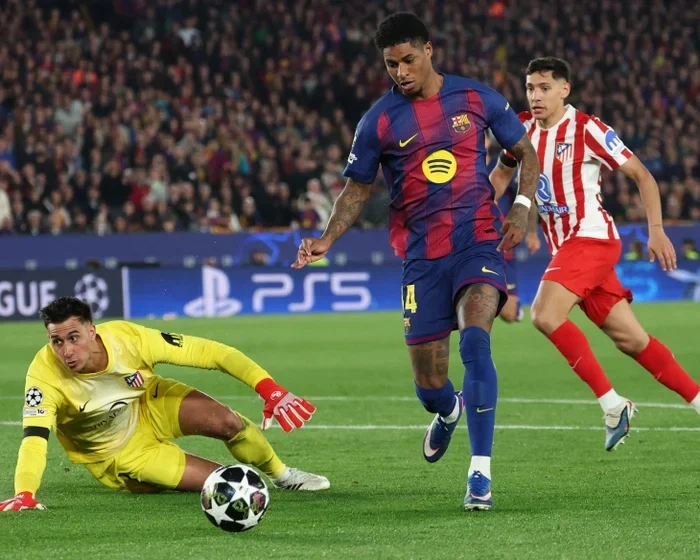
Rashford’s contribution to Barcelona’s league campaign this season has been significant, with 13 goals and 13 assists in 45 appearances across all competitions.
His goal came in a 2‑0 victory over Getafe, marking his 13th strike of the campaign and reinforcing his impact on the team’s attacking output.
Despite occasional periods out of the starting eleven, Rashford’s versatility allows him to operate on either wing or as a central forward in Flick’s fluid system.
Flick has publicly stated that Rashford’s physical profile and work rate fit the tactical demands of a squad competing on multiple fronts.
Barcelona’s decision to pursue a second loan reflects a broader shift in the club’s transfer policy, which now prioritises short‑term solutions over large‑scale purchases.
The Blaugrana’s wage structure and UEFA Financial Fair Play limits have forced them to reconsider the €30 million buy‑out option initially embedded in the loan contract.
Manchester United’s academy graduate is entering the final year of his contract, a situation that adds urgency to the negotiations.
United’s board has indicated that a permanent sale would be preferable to avoid a depreciation of Rashford’s market value.
The English forward has reportedly expressed a personal desire to remain in Spain rather than return to the Premier League at this stage of his career.
His statement aligns with the club’s intention to offer him a stable environment where he can continue to develop under Flick’s guidance.
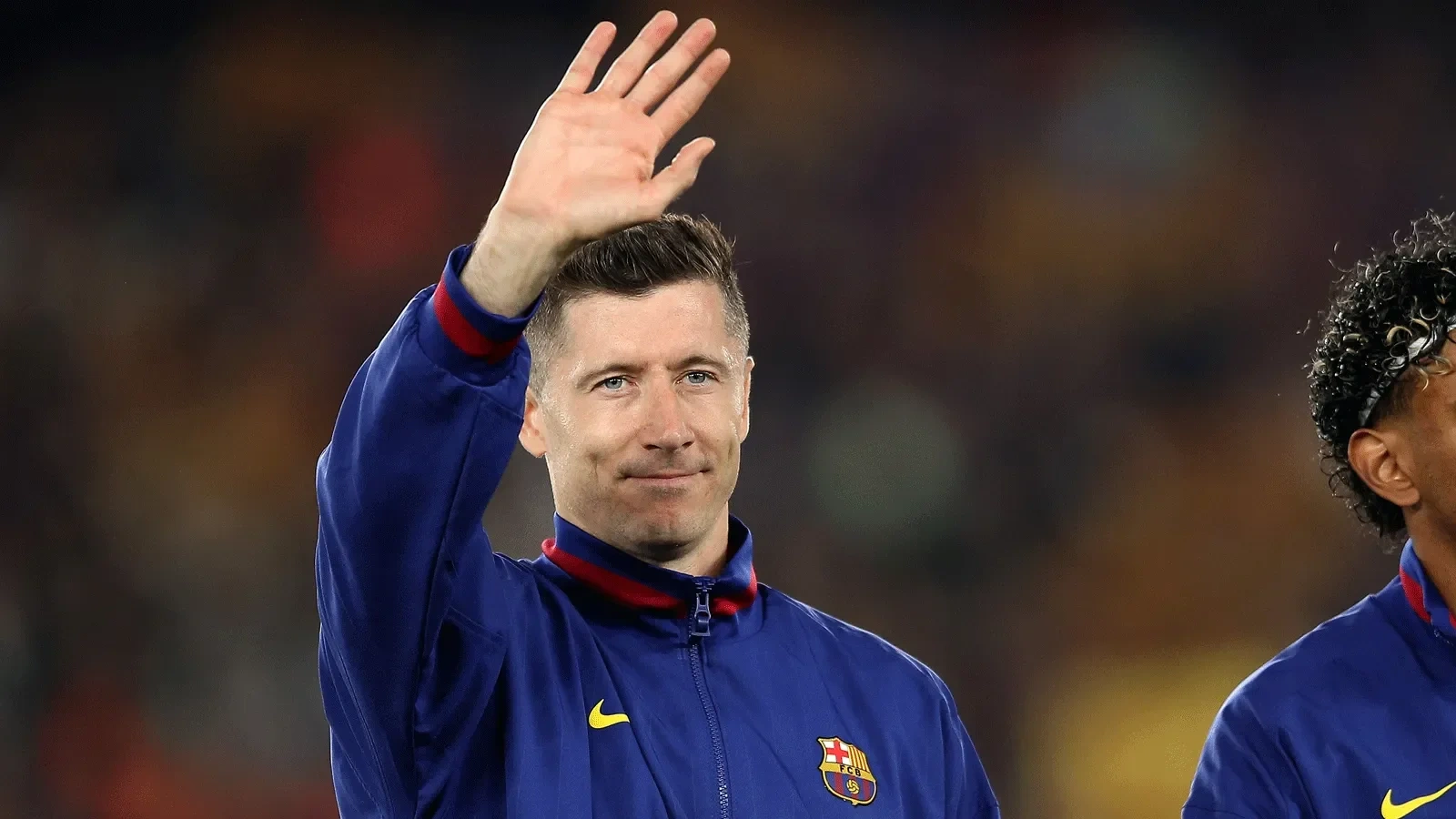
Barcelona’s squad depth in attack has been bolstered by the addition of Rashford, complementing established forwards such as Robert Lewandowski and Ansu Fati.
The club’s recent domestic dominance, highlighted by a points‑leading La Liga finish, has been partially attributed to the forward’s contributions.
Should the loan be extended, Barcelona will retain an experienced international capable of influencing high‑stakes matches in the Champions League.
Conversely, a permanent transfer would provide Manchester United with a substantial influx of cash to reinvest in younger talents.
The following table summarises Rashford’s statistical output for Barcelona during the 2025‑26 season.
| Competition | Goals | Assists |
|---|---|---|
| La Liga | 9 | 8 |
| Champions League | 3 | 2 |
| Copa del Rey | 1 | 3 |
Overall, Rashford featured in 45 matches across all competitions, averaging 0.29 goals and 0.29 assists per appearance.
These figures demonstrate a balanced contribution to both scoring and creating opportunities for teammates.
From a tactical standpoint, Flick often deploys Rashford in a high‑pressing front three, leveraging his speed to disrupt opposition defences.
The forward’s ability to drift inside from the left flank creates space for overlapping full‑backs, a pattern observed in several key fixtures.
Barcelona’s coaching staff have highlighted Rashford’s defensive work rate as a factor in his selection for rotation during congested periods.
His stamina and willingness to track back align with Flick’s emphasis on collective responsibility among attackers.
Historically, Manchester United have been reluctant to loan out academy products for extended periods, preferring permanent moves.
This season’s arrangement marks a notable deviation, reflecting United’s need for immediate revenue.
Financially, a second loan would likely involve a reduced loan fee compared with the original €30 million purchase clause.
Exact figures have not been disclosed, but reports suggest Barcelona aim to keep the arrangement within their current fiscal parameters.
The broader implications of the deal extend to the European transfer market, where high‑profile loan extensions are becoming more common amid tightening budgets.
Clubs across the continent are increasingly using loan structures to mitigate risk while retaining access to top talent.
For Barcelona, securing Rashford on loan preserves squad quality without jeopardising compliance with UEFA’s financial regulations.
The club’s recent success in La Liga, combined with a deep run in the Champions League, underscores the importance of maintaining a strong attacking roster.
Manchester United’s strategic planning will now hinge on the outcome of these negotiations and the potential reinvestment of any transfer proceeds.
Both clubs are expected to reach a resolution before the summer transfer window opens, allowing them to finalise their respective budgets.
The final agreement will likely shape the competitive landscape of both the Premier League and La Liga for the upcoming season.