Tottenham Hotspur hires Performance Psychologist to Boost Player Mental Resilience Amid Relegation Fight
Tottenham Hotspur have formally advertised for a Performance Psychologist as the club confronts a severe relegation battle in the 2025‑26 Premier League season. The posting, seen on the club’s official career portal, underscores the belief that mental fatigue has become as critical as tactical and physical shortcomings.
The north‑London side have failed to record a single league victory this calendar year, leaving the board convinced that the squad’s morale is fragile and in urgent need of professional support. The advertisement describes the role as “high‑impact” and demands a practitioner who can operate with discretion, credibility and effectiveness at the highest level of the game.
Spurs’ current predicament follows a nightmare campaign that has seen them slip to 18th place, two points adrift of safety with five matches remaining. The club’s hierarchy has therefore broadened its performance team to include a psychologist who will work alongside coaches, medical staff and analysts.
The advertised responsibilities include delivering evidence‑based psychological support to elite professional players, both on an individual basis and across the coaching and performance staff. The psychologist will also be tasked with cultivating a psychologically informed performance culture throughout the organization.
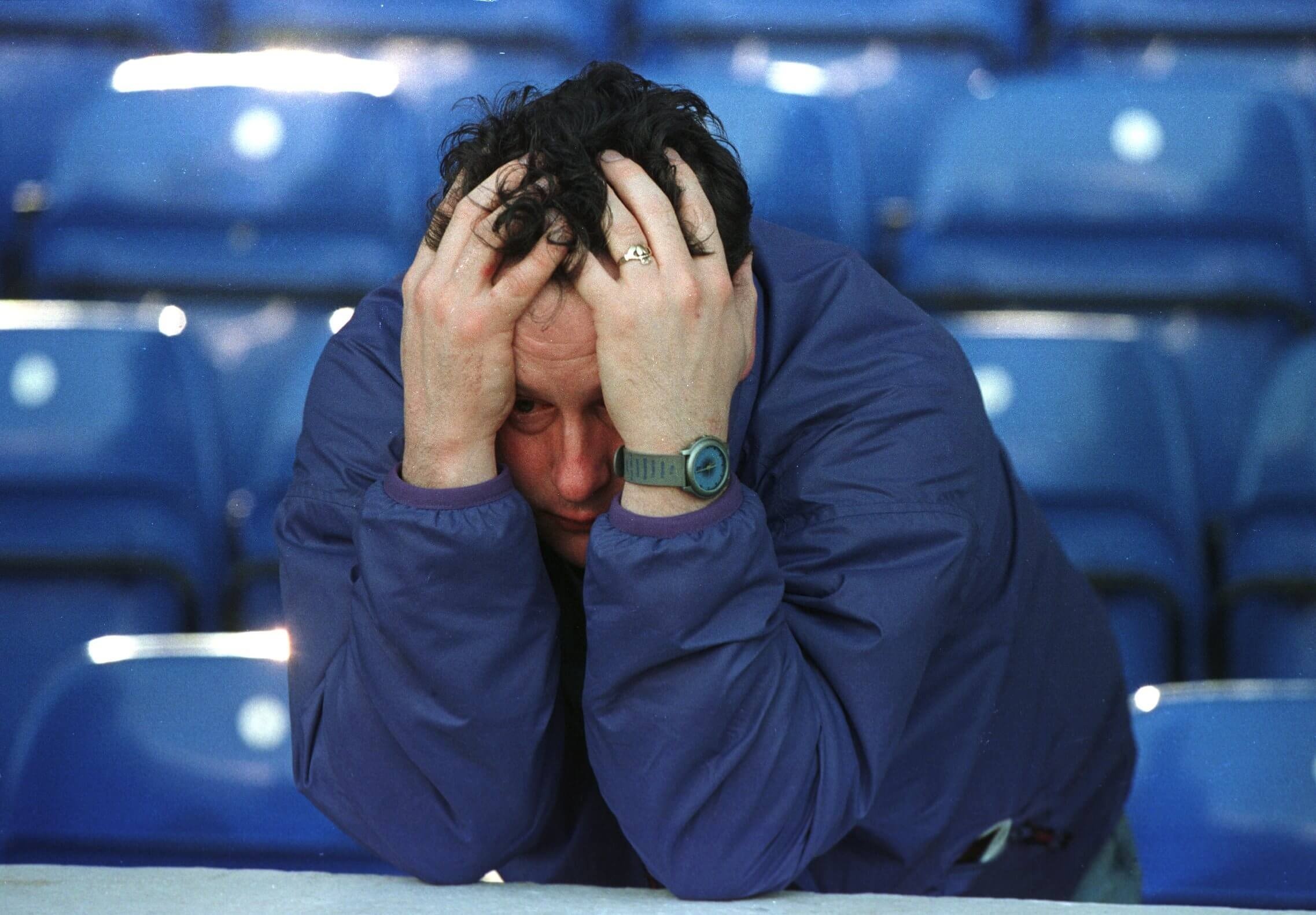
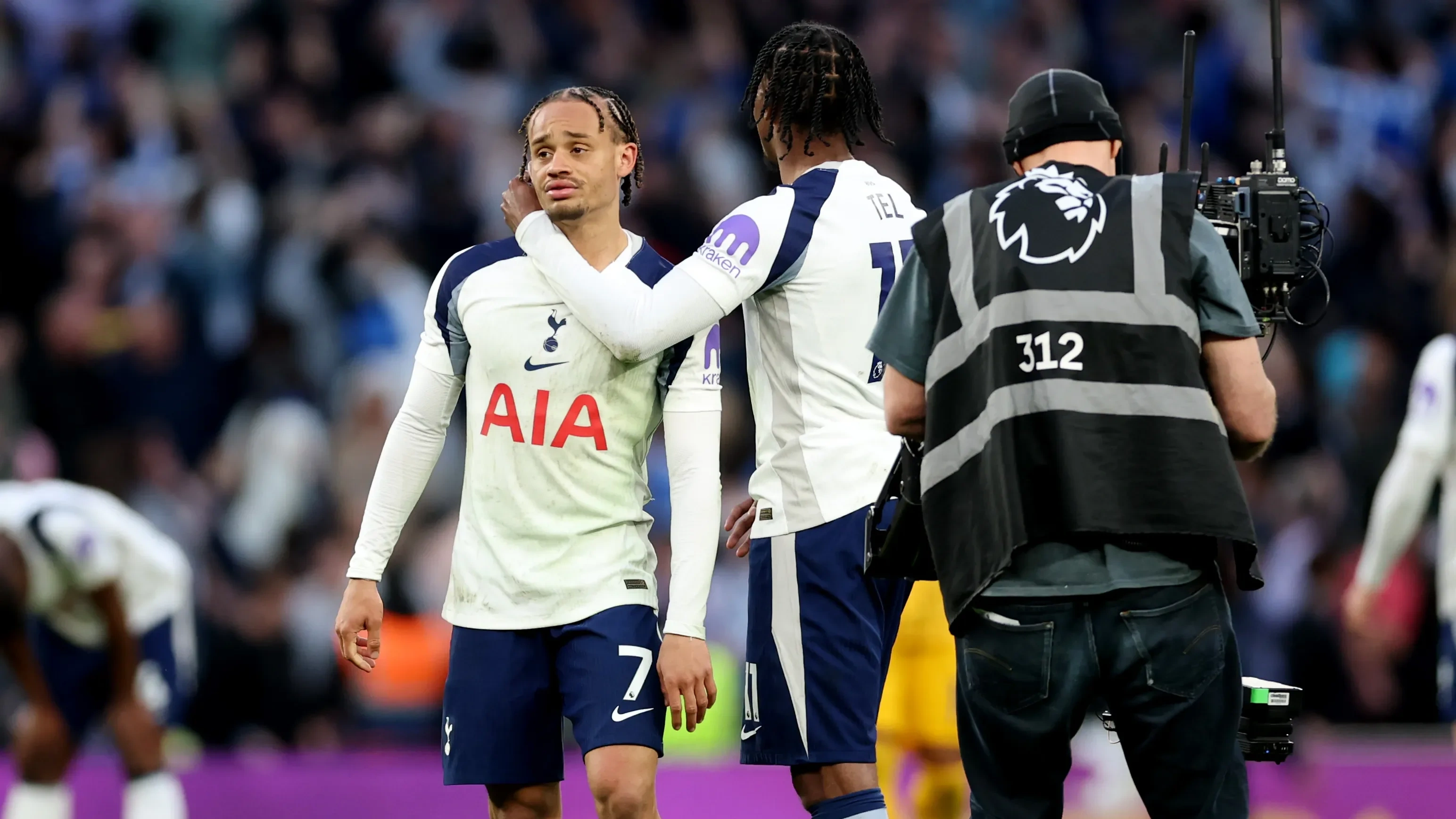
Tottenham’s recent results illustrate the depth of the crisis, highlighted by a 2‑2 draw with Brighton that featured a dramatic stoppage‑time equaliser. Xavi Simons, who had given Spurs the lead, was visibly close to tears at the final whistle while several teammates collapsed onto the turf in despair.
That match epitomised a pattern of failing to see out games, a symptom that has become increasingly common as confidence evaporates across the squad. The inability to maintain composure in the final minutes has contributed directly to the club’s winless league run.
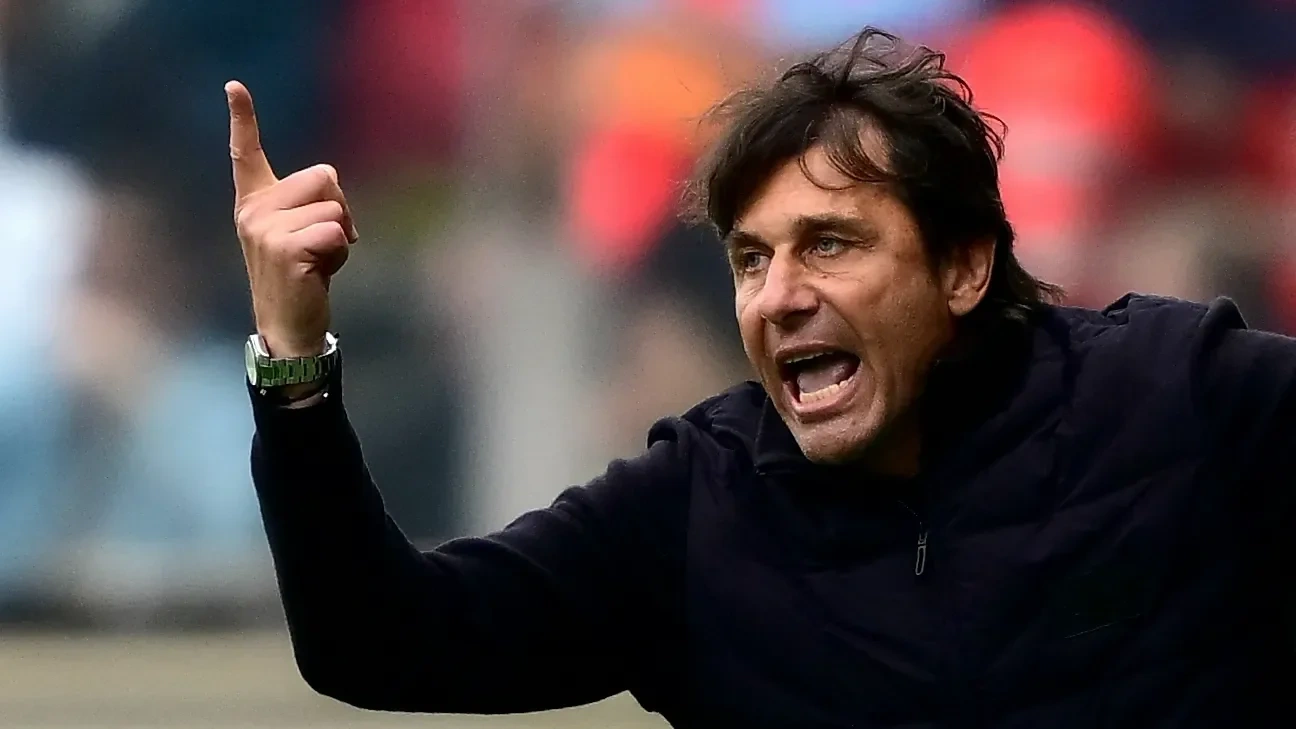
New head coach Roberto De Zerbi has identified the lack of belief as a core issue and has spoken openly about the need for greater mental toughness. He warned his players ahead of the upcoming Wolves fixture that there is no room for self‑pity in a relegation scrap.
De Zerbi’s comments after the Brighton draw emphasized the importance of a positive mindset, stating that players must arrive at training with a smile or face immediate dismissal. He further declared that he has “no time to see the negative people, to see the sad players or sad assistants.”
Despite the bleak atmosphere, De Zerbi remains publicly confident that his side can avoid a historic drop to the Championship. He has repeatedly claimed that the squad possesses the quality to win five consecutive games and secure the points needed for survival.
The manager’s optimism is rooted in the technical abilities of key players such as Simons, Harry Kane and Cristian Romero, who have shown flashes of brilliance despite the overall team performance. Their individual contributions will be pivotal in any attempt to reverse the club’s fortunes.
Spurs’ tactical approach under De Zerbi has shifted toward a more expansive style, aiming to utilise width and quick transitions to create scoring opportunities. However, the lack of mental resilience has often undermined the execution of these plans, leading to missed chances and defensive lapses.
Statistically, Tottenham have created 38 shots on target across their ten league matches this year, yet have failed to convert any into a win. Their defensive record shows 24 goals conceded, reflecting both tactical frailties and a loss of collective concentration.
| Statistic | Tottenham | League Average |
|---|---|---|
| Shots on Target (per game) | 3.8 | 5.2 |
| Goals Conceded (per game) | 2.4 | 1.3 |
| Points (total) | 2 | 38 |
The club’s decision to recruit a psychologist aligns with a growing trend among elite teams to integrate mental health professionals into their performance structures. Premier League rivals such as Manchester City and Liverpool have previously appointed sports psychologists to enhance player well‑being and on‑field focus.
Tottenham’s historical context adds weight to the urgency of the situation; the club has never been relegated from the top flight since its promotion in 1978. A drop to the Championship would therefore represent a profound departure from over four decades of top‑tier continuity.
The Spurs’ fan base, known for its passionate support, has expressed increasing frustration as the season progressed without a single league win. Attendance figures have dipped marginally, with an average of 58,000 spectators per home game compared with 62,000 at the start of the campaign.
Player profiles reveal that Simons, the 22‑year‑old Dutch winger, has contributed three goals and four assists this season, yet his confidence appears shaken after the Brighton incident. Veteran striker Harry Kane, the club’s all‑time leading scorer, has managed only one goal in the league this year, a stark contrast to his usual output.
Defender Cristian Romero, signed for a club‑record fee, has struggled to organise the back line, leading to a high number of defensive errors. His leadership on the field is being called into question as the team’s morale continues to decline.
The upcoming match against Wolverhampton Wanderers, who sit at the bottom of the table, offers Spurs a realistic chance to secure their first league victory of the year. A win would not only provide three points but also potentially restore a measure of belief among the players.
Wolves themselves have endured a difficult season, making the fixture a classic “must‑win” scenario for both clubs. Tottenham’s ability to translate tactical plans into decisive actions will be tested under the scrutiny of a crowded stadium.
Beyond the immediate fixtures, the recruitment of a psychologist may have longer‑term implications for Tottenham’s organizational culture. Embedding mental health support could become a permanent fixture, influencing future recruitment and development pathways.
The club’s board has indicated that the psychologist will report directly to the Chief Executive Officer and work closely with the Head of Performance. This structural integration suggests a top‑down commitment to addressing psychological factors.
In addition to individual counselling, the psychologist is expected to conduct workshops aimed at enhancing team cohesion and resilience. Such programs are designed to equip players with coping mechanisms for high‑pressure situations.
Sports science research consistently demonstrates that mental fatigue can impair decision‑making, reaction time and technical execution on the pitch. Addressing these issues may therefore yield tangible improvements in match performance.
Tottenham’s medical department has also reported an increase in minor injuries and muscle strains, which can be linked to psychological stress and reduced recovery quality. A holistic approach that includes mental health may help mitigate these physical setbacks.
The club’s recruitment advertisement stresses the need for a practitioner who can “build trust with players and coaches while operating with the professional rigor expected at the highest level.” This language reflects the sensitivity surrounding confidentiality and player welfare.
Industry experts note that the timing of the advertisement—mid‑season and during a relegation fight—is unusual but not unprecedented. Clubs in crisis often accelerate support services to attempt a rapid turnaround.
Should the psychologist be appointed promptly, integration into the existing performance team could begin before the Wolves match, offering immediate support. Early engagement may prove crucial in preparing the squad mentally for the decisive weekend.
Tottenham’s next five fixtures include matches against Manchester United, Arsenal, Chelsea, Newcastle United and Southampton, all of which present varying degrees of difficulty. Securing points against any of these opponents will be essential to climb out of the relegation zone.
The club’s financial situation adds another layer of pressure, as relegation would result in a significant loss of broadcast revenue and commercial income. Maintaining Premier League status is therefore critical for both sporting and economic stability.
Fans and analysts alike will be watching closely to see whether the psychological intervention yields measurable improvements on the field. Any positive shift in player demeanor, communication and composure could be attributed to the new support structure.
Tottenham’s history of resilience, including a league title in 1961 and multiple cup triumphs, provides a foundation for belief that the club can overcome adversity. The current challenge tests the depth of that legacy and the effectiveness of contemporary support mechanisms.
In summary, the Spurs’ decision to advertise for a Performance Psychologist reflects an acknowledgment that mental health is integral to competitive performance. As the relegation battle intensifies, the club hopes that professional psychological support will help heal players’ minds and restore the confidence needed to secure vital points.