Tottenham in Relegation Danger: 5 Big Clubs That Fell From Premier League
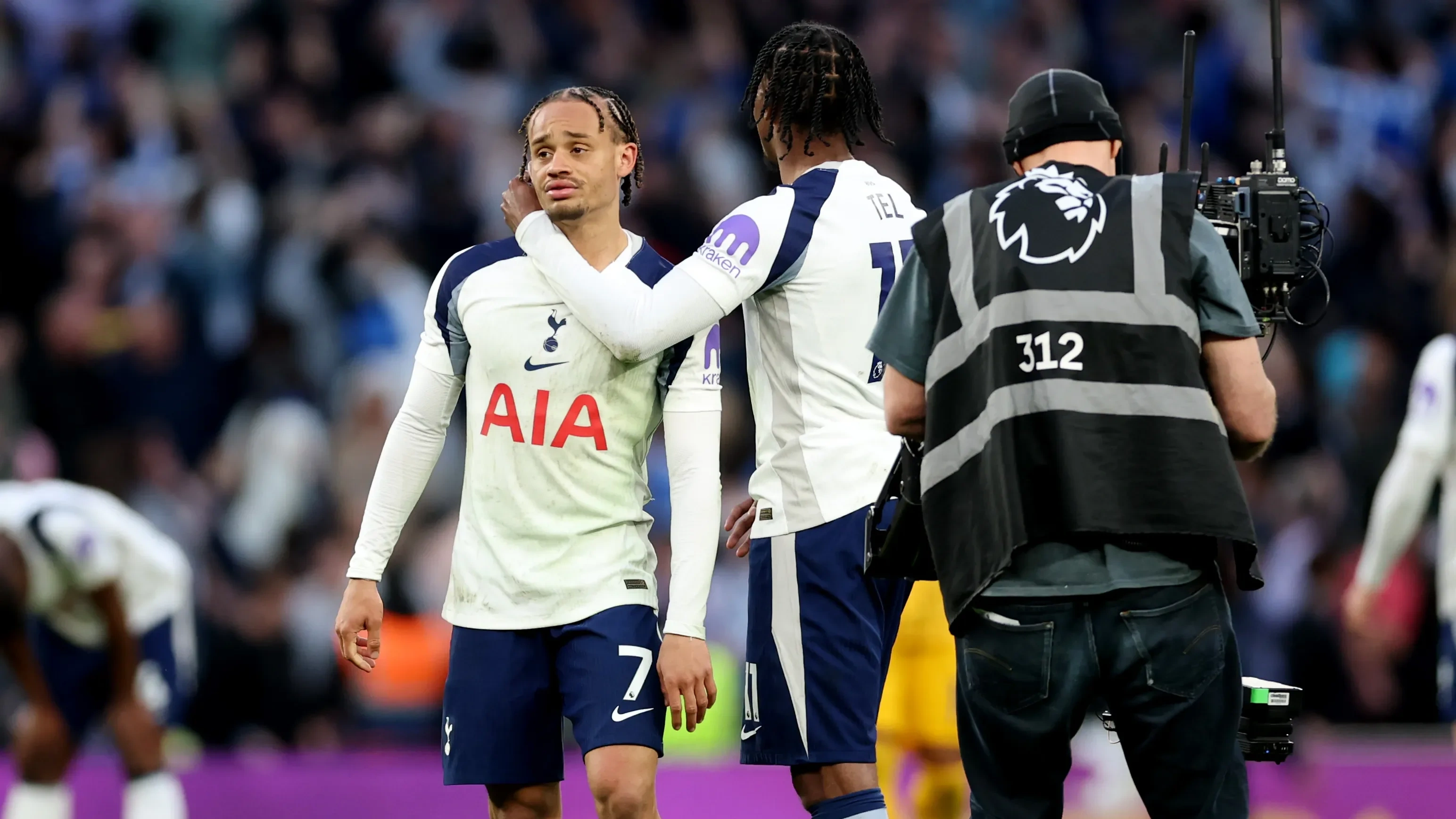
Tottenham Hotspur sit in the Premier League relegation zone with eight games remaining, their first league win of the calendar year still elusive, and the prospect of a return to the Championship for the first time since the 1970s becoming increasingly plausible.
The north London club boasts two league titles, a place among the traditional “Big Six”, a €1.2 billion stadium, and a recent Europa League triumph, yet the current campaign has exposed the fragility that can afflict even the most established institutions.
History shows that no club is immune to a sudden fall from grace, and Veezstream’s review of five dramatic demotions across Europe provides a sobering context for Tottenham’s plight.
Atletico Madrid’s 1999‑2000 relegation illustrates how off‑field turmoil can undermine on‑field performance, despite a squad featuring prolific striker Jimmy Floyd Hasselbaink, who netted 24 league goals that season.
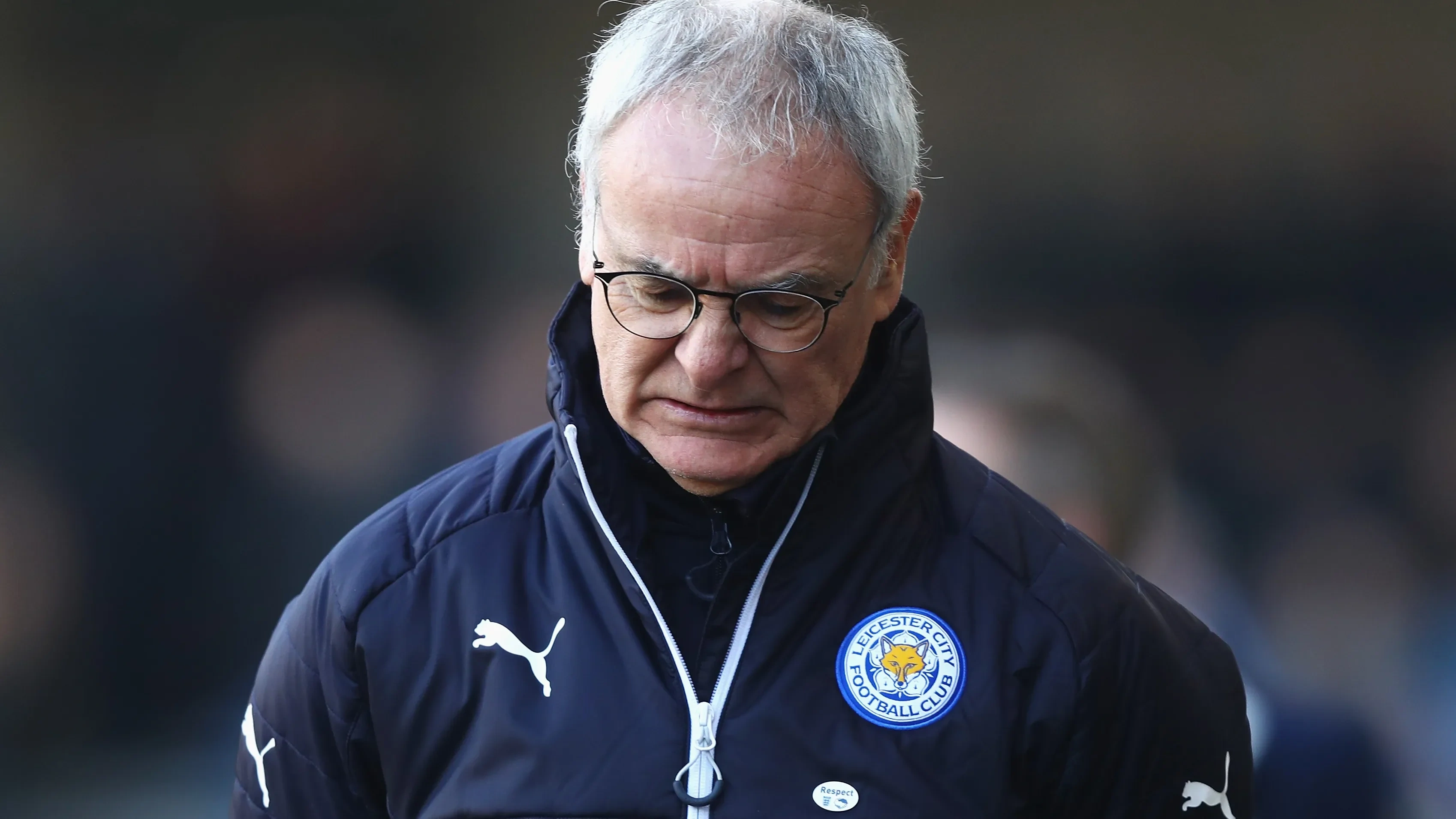
President Jesús Gil’s suspension amid a financial investigation destabilised the club, and manager Claudio Ranieri’s resignation in March failed to halt the slide, leaving the team 17th and ultimately doomed.
Hasselbaink’s goal tally placed him second among all La Liga scorers, yet the club’s internal chaos rendered his contributions insufficient to avoid the drop.
| Player | Goals Scored | Team Position |
|---|---|---|
| Jimmy Floyd Hasselbaink | 24 | 18th (relegated) |
Atletico’s demotion lasted two seasons; promotion was secured in 2002 under club legend Luis Aragónés, who also introduced future star Fernando Torres.
River Plate’s 2010‑11 relegation shocked Argentine football, as the club with the most domestic titles fell to the second tier after a chaotic promotion/relegation playoff that ended in a stadium riot.
The decisive match was abandoned with River trailing 3‑1 on aggregate, and police were forced to intervene as supporters clashed, resulting in dozens of injuries.
Psychological fallout was evident, with a notable increase in antidepressant use among fans and reports of relationship strain, according to sports psychologist Marcelo Roffe.
River returned to the top flight the following season, winning the Primera División title in 2014, demonstrating the resilience that can follow a historic setback.
Leeds United’s 2003‑04 Premier League relegation came after a period of sustained success, including a Champions League semi‑final appearance in 2000‑01, yet a combination of managerial changes and financial mismanagement precipitated the fall.
The club’s 2004‑05 campaign featured a talented roster—Paul Robinson, Alan Smith, Mark Viduka, Jermaine Pennant, Ian Harte and a young James Milner—yet they could not avoid the drop.
Administration in 2007 triggered a ten‑point deduction, consigning Leeds to the third tier for the first time in modern history, where they remained until promotion in 2010.
| Season | Division | Final Position |
|---|---|---|
| 2003‑04 | Premier League | 19th (relegated) |
| 2007‑08 | Championship | Bottom (10‑point deduction) |
Manchester City endured two relegations in the 1990s, first from the Premier League in 1995‑96 and then from the second tier in 1997‑98, before the Abu Dhabi takeover transformed the club’s fortunes.
During the 1997‑98 season, City signed Georgian playmaker Georgi Kinkladze and striker Lee Bradbury for a club‑record £3 million, yet the squad lacked the physicality required for the First Division, leading to a 5‑2 win on the final day that was insufficient to escape relegation.
Midfielder Gerard Wiekens recalled the emotional impact of the double relegation, noting that the experience taught him the importance of fan support during periods of adversity.
Schalke 04’s 2020‑21 Bundesliga relegation highlighted how financial strain and managerial instability can quickly erode a club’s status; the team cycled through five managers and suffered an 8‑0 defeat to Bayern Munich early in the campaign.
Gelsenkirchen’s economic challenges were amplified by the COVID‑19 pandemic, and a 1‑0 loss to Arminia Bielefeld confirmed the club’s drop to the 2. Bundesliga, prompting fan unrest and an on‑pitch confrontation with players.
| Club | Season | Final Position |
|---|---|---|
| Schalke 04 | 2020‑21 | 18th (relegated) |
Schalke bounced back as 2. Bundesliga champions the following season but suffered a second relegation a year later, underscoring the volatility that can accompany financial distress.
Each of these five case studies shares common themes: financial mismanagement, administrative upheaval, and rapid turnover of coaching staff, all of which can destabilise even the most storied clubs.
Tottenham’s current situation mirrors these patterns, as the departure of long‑time manager Antonio Conte and the subsequent appointment of interim coach Cristian Rivaldo have not yielded the required points.
Tactical analysis reveals that Spurs have struggled to maintain a coherent pressing structure, often abandoning the high‑line that defined Conte’s early tenure and leaving spaces for opposition attackers.
Key player performances have been inconsistent; forward Harry Kane remains the primary goal threat, yet his season tally of eight league goals lags behind the Premier League top‑scorers.
| Player | Goals Scored | Assists |
|---|---|---|
| Harry Kane | 8 | 4 |
| Heung‑min Son | 5 | 3 |
Midfield dynamo James Madison, signed for a club‑record fee, has failed to replicate his previous form, contributing only two goals and one assist.
Defensively, the partnership of Cristian Romero and Cristian Szczesny has been plagued by errors, resulting in a league‑worst average of 1.4 goals conceded per match.
| Metric | Tottenham | League Average |
|---|---|---|
| Goals Conceded per Game | 1.4 | 1.1 |
The club’s transfer activity this window has been limited, with only a handful of loan signings arriving, reflecting the financial caution imposed by owner Daniel Levy.
Levy’s reluctance to engage in high‑profile spending mirrors the fiscal prudence that once characterised Leeds United’s ill‑fated over‑extension.
Broadly, Tottenham’s potential relegation would have significant financial implications, including a loss of approximately £100 million in broadcasting revenue and a potential decline in commercial partnerships.
Moreover, the club’s brand equity, built over decades of top‑flight presence, would suffer, affecting global fan engagement and merchandise sales.
Historically, clubs that have returned from relegation often experience a period of rebuilding, as seen with Atletico Madrid’s two‑year stay in Segunda División before reclaiming La Liga status.
River Plate’s swift promotion and subsequent domestic dominance illustrate that a demotion can catalyse structural reforms and renewed ambition.
Leeds United’s resurgence to the Premier League in 2020, after a decade in lower tiers, demonstrates the potential for a well‑managed return, albeit with the risk of repeated yo‑yoing.
Manchester City’s post‑relegation era underscores how transformative investment can alter a club’s trajectory, though such capital influx is not guaranteed for Tottenham.
Schalke’s immediate bounce‑back in 2022 highlights the importance of retaining a core squad and leveraging fan support to accelerate promotion.
For Tottenham, the immediate priority is to secure points in the remaining fixtures, with upcoming matches against fellow relegation battlers offering the best chance to climb out of the drop zone.
Coach Rivaldo has emphasized a pragmatic approach, focusing on defensive solidity and set‑piece efficiency to compensate for the lack of creative flair.
Should Spurs manage to avoid relegation, the club will likely undertake a strategic review of its recruitment policy, coaching structure, and financial planning to prevent a repeat of past failures.
Conversely, a drop to the Championship would force a reassessment of the club’s long‑term vision, potentially prompting a shift toward a more sustainable wage structure and increased reliance on academy talent.
The collective lessons from Atletico, River, Leeds, Manchester City, and Schalke underscore that even giants can falter, but with decisive action and structural stability, recovery is achievable.
Tottenham’s supporters, aware of these precedents, face a pivotal moment where unwavering backing could prove crucial in the club’s battle for survival.