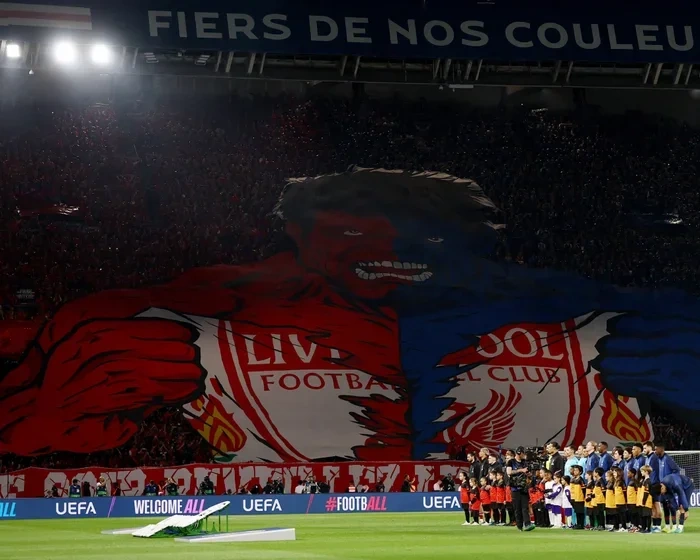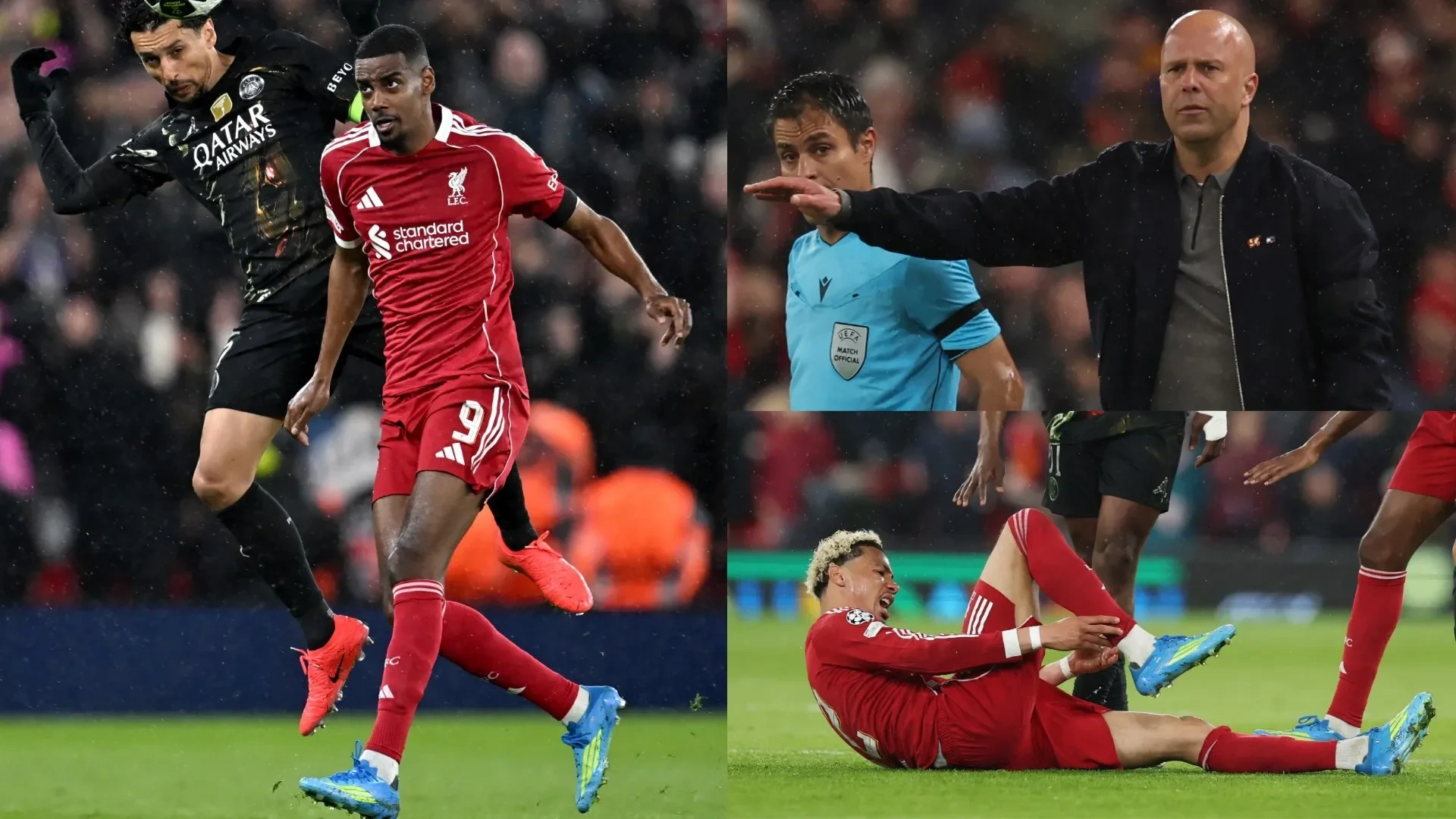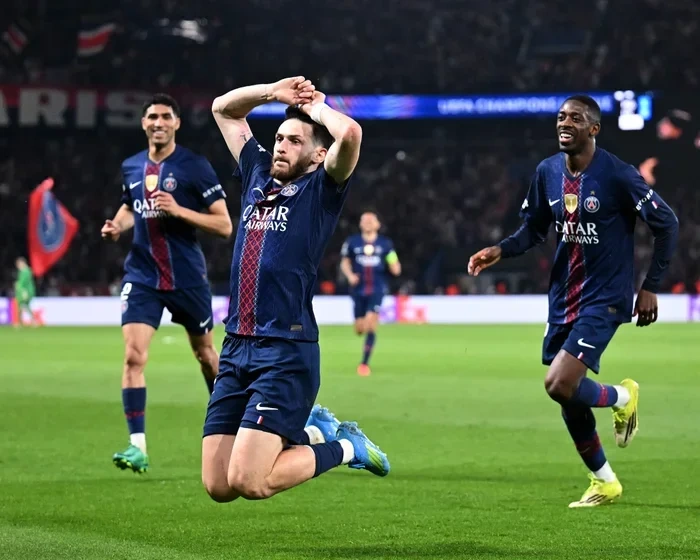
Kvaratskhelia Scores Winner as PSG Beats Liverpool 2-0 in CL
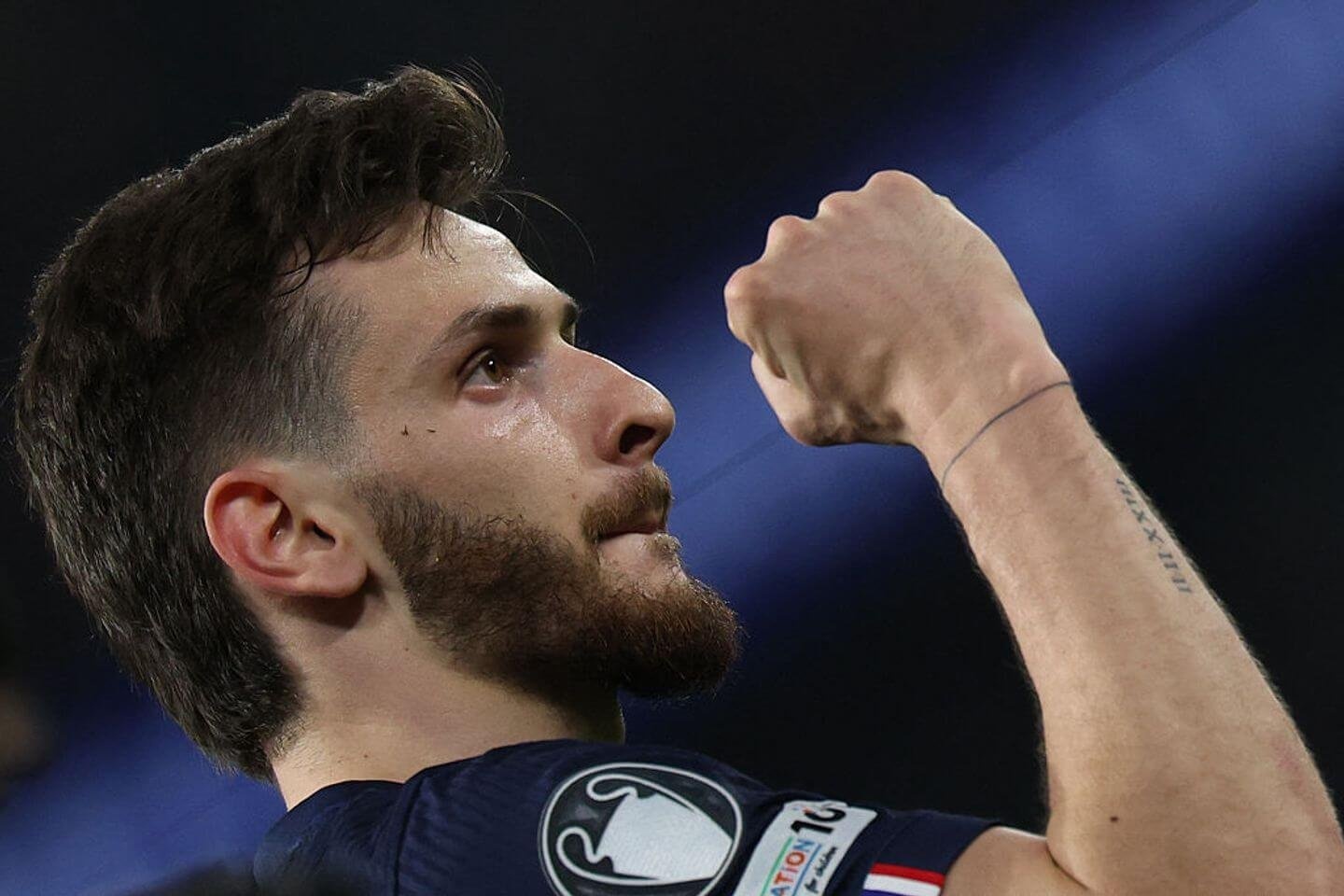
Paris Saint‑Germain secured a 2‑0 advantage over Liverpool at the Parc des Princes, with Khvicha Kvaratskhelaia scoring the decisive second goal.
Liverpool arrived in Paris after a disappointing FA Cup exit to Manchester City, yet they displayed a measure of resolve that had been missing in recent league fixtures.
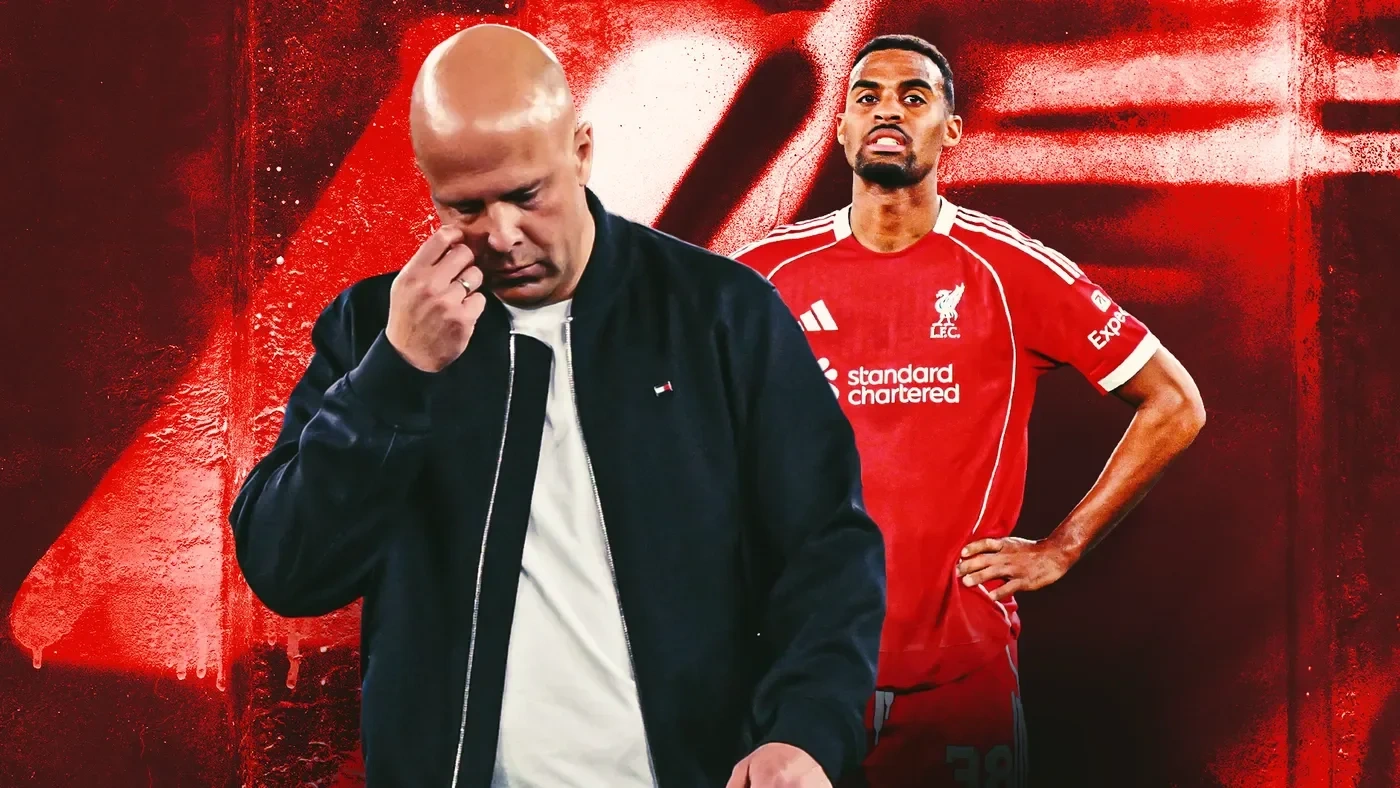
Arne Slot entered the match with a clear tactical shift, deploying a three‑man central defence for the first time in his tenure at Anfield.
The new formation featured Jeremie Frimpong and Milos Kerkez operating as wing‑backs, while Mohamed Salah was omitted from the starting eleven.
Slot’s intent was to compress the midfield and limit the influence of PSG’s playmaker Vitinha, but the execution fell short.
PSG dominated possession, completing 696 passes compared with Liverpool’s 198, reflecting a 70 % share of the ball.
| Statistic | Paris Saint‑Germain | Liverpool |
|---|---|---|
| Possession | 70 % | 30 % |
| Passes Completed | 696 | 198 |
| Shots on Target | 3 | 0 |
The first goal arrived in the 13th minute when Désiré Doué’s effort from the edge of the box deflected off Ryan Gravenberch and looped over Liverpool goalkeeper Giorgi Mamardashvili.
Doué’s movement on the left, turning Konaté on the halfway line, created the space that allowed the shot to be taken.
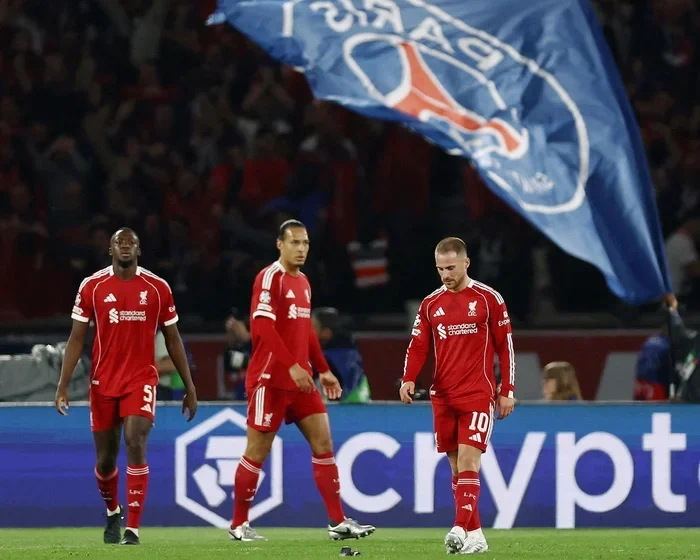
The goal marked the 14th occasion this season that Liverpool have conceded first, a statistic that underscores their defensive fragility.
Despite the early setback, Liverpool held Liverpool’s midfield together and prevented further damage until half‑time.
Giorgi Mamardashvili produced a series of important saves, including a fingertip parry of a Kvaratskhelaia strike that threatened the bottom corner after a deflection off Alexis Mac Allister.
He also denied Doué from close range, reinforcing the notion that the goalkeeper’s performance kept the scoreline respectable.
Liverpool’s defensive line, marshalled by Ibrahima Konaté, struggled to contain the swift left‑flank attacks orchestrated by Kvaratskhelaia and Doué.
Frimpong’s overlaps repeatedly exposed the space between the two centre‑backs, allowing PSG to exploit the channels with speed.
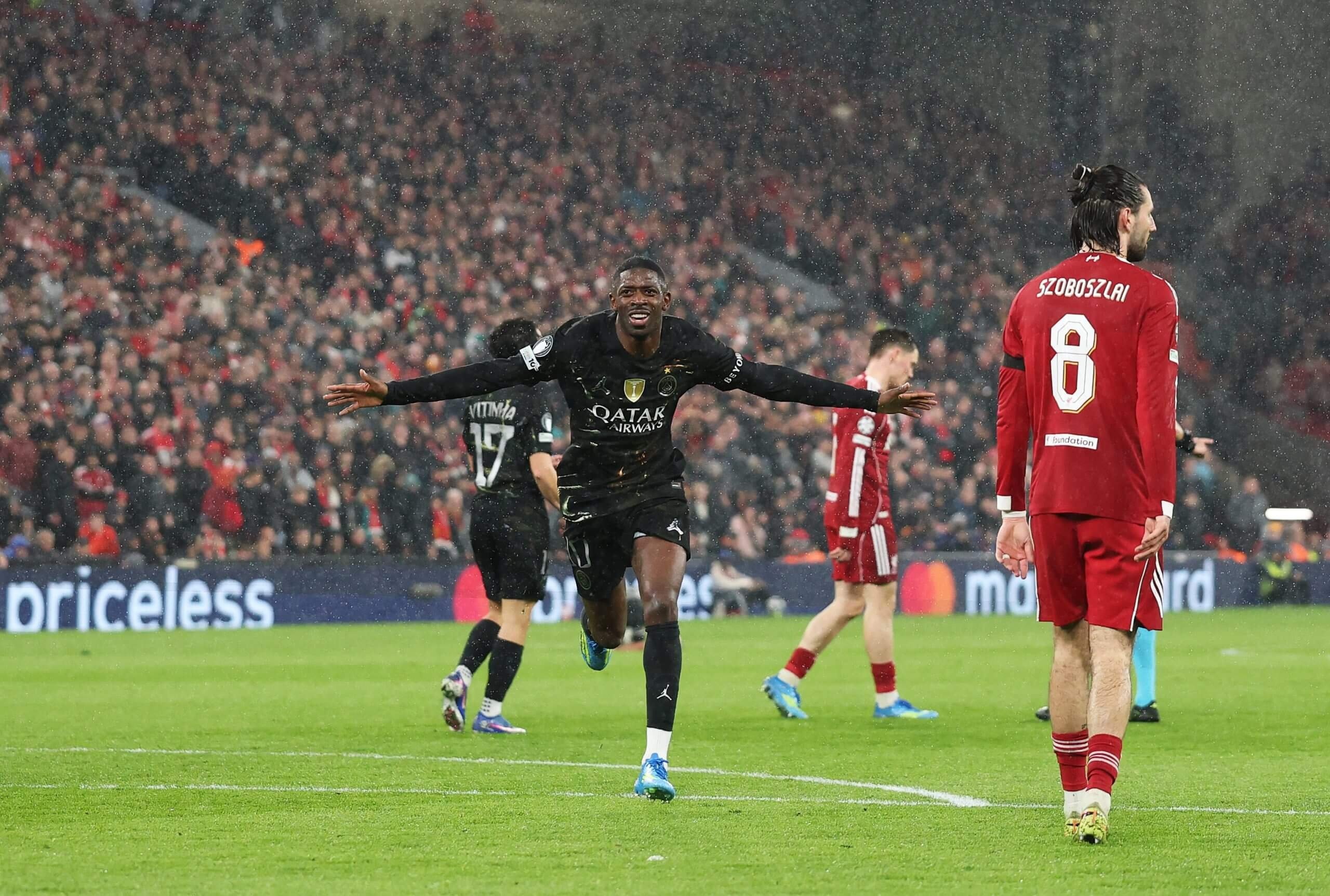
Ousmane Dembélé missed three clear chances, the most notable being a final effort that struck the outside of the post.
The French winger’s earlier attempts included a tame finish that rolled straight to Mamardashvili, reminiscent of his 2019 miss for Barcelona against Liverpool.
In the second half, Kvaratskhelaia combined with João Neves, receiving a perfectly timed pass between Gravenberch and Konaté before rounding Mamardashvili for his side’s second goal.
The goal illustrated the Georgian winger’s ability to carry the ball at pace, beat a defender and finish with composure.
Later, a penalty claim against Konaté for a challenge on Warren Zaïre‑Emery was reviewed and overturned, prompting a collective sigh of relief from the Liverpool players.
Konaté’s subsequent push on Mendes in stoppage time also escaped disciplinary action, leaving the tie’s outcome unchanged.
Arne Slot later admitted his side was “completely ripped apart” at times and described Liverpool’s performance as being in “survival mode”.
He also acknowledged that the team’s lack of cohesion in midfield contributed to the ease with which PSG dictated the tempo.
From a tactical perspective, Liverpool’s three‑centre‑back system failed to provide the compactness needed to neutralise PSG’s dynamic wing play.
The wing‑backs, tasked with both defensive duties and forward thrusts, appeared over‑run and unable to recover quickly enough.
Mohamed Salah’s omission from the starting lineup was intended to tighten the centre of the pitch, yet his creative spark was missed in the final third.
Liverpool’s reliance on long throws from Joe Gomez added a sporadic element of attack but did little to disturb PSG’s rhythm.
Gomez’s throws, however, did create moments of pressure that forced the hosts to adjust their defensive shape temporarily.
Historically, Liverpool have struggled against teams that dominate possession, a trend evident in this quarter‑final first leg.
In previous Champions League encounters, Liverpool’s success has often hinged on quick transitions, a facet that PSG effectively neutralised.
PSG’s recent form under Luis Enrique has been exemplary, with the French side establishing themselves as the reigning European champions.
Enrique’s side have shown a blend of technical superiority and tactical discipline, qualities that were on full display against Liverpool.
Liverpool’s European campaign this season has been marked by inconsistency, with the Anfield side winning only two of their last six Champions League matches.
Their domestic league position remains mid‑table, reflecting a broader struggle to convert possession into goals.
Looking ahead to the second leg at Anfield, Liverpool will need to produce a “stunning” recovery, as suggested by post‑match analysis, to overturn the two‑goal deficit.
Achieving this will require a more aggressive pressing strategy, reintroduction of Salah’s attacking threat, and tighter defensive coordination.
For PSG, the advantage gained in Paris allows them to approach the return fixture with a degree of tactical flexibility.
Enrique may opt to reinforce the midfield further, ensuring that Vitinha continues to dictate play while protecting the defensive line.
The broader implication of this result is the reinforcement of PSG’s status as a dominant force in European football, while Liverpool’s European ambitions appear increasingly precarious.
Should Liverpool fail to respond at Anfield, the tie could signal a shift in the balance of power between English and French clubs in the competition.