Rory McIlroy, Scottie Scheffler Lead Masters; Bryson's 5‑Iron Woes
Rory McIlroy and Scottie Scheffler have re‑asserted their dominance at Augusta National, each posting rounds that place them firmly at the top of the 2026 Masters leaderboard after the first 54 holes.
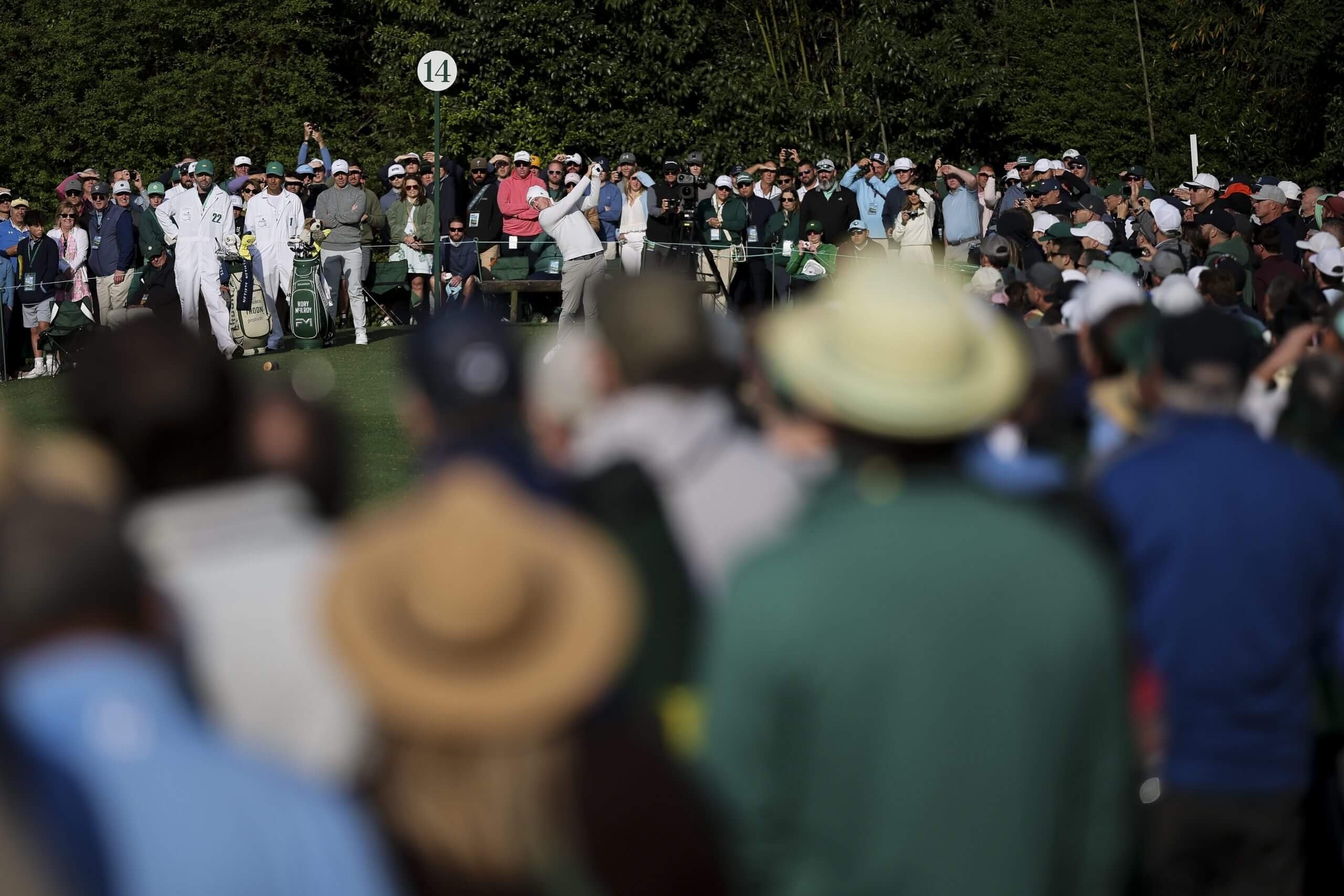
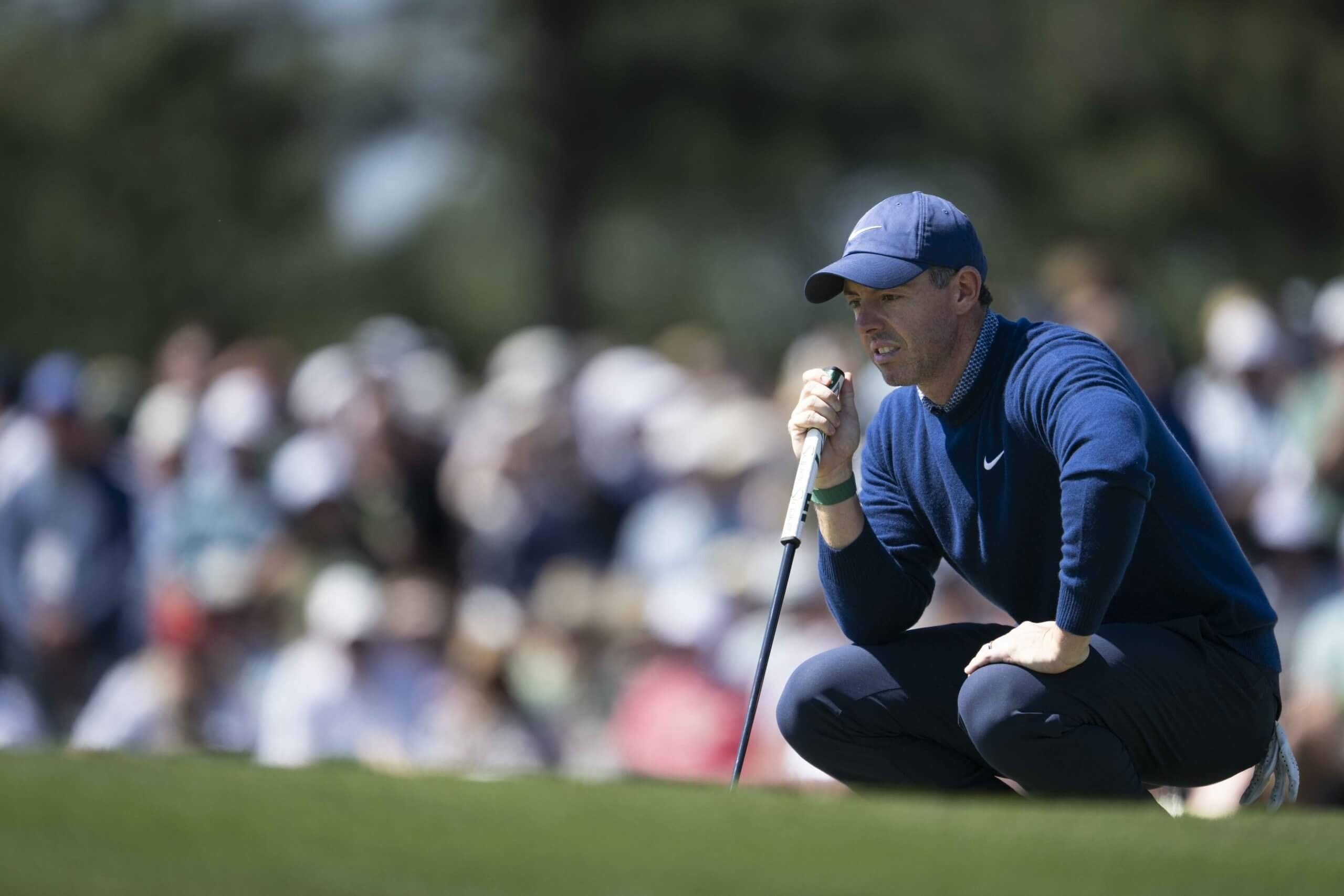
McIlroy opened with a 67, a score that Jim Nantz noted as the best ever posted by a defending champion in the opening round of a Masters title defense. His performance was anchored by a flawless stretch of five birdies from holes 8 through 15, during which he recorded no bogeys.
Scheffler, the world number 1, responded with a 70 that included a dramatic eagle on the par‑5 second hole and a birdie on the third, putting him in close contention despite a few mid‑round mis‑hits that required scrambling for pars.
The two players now sit at the top of the betting odds, with McIlroy listed at +280 and Scheffler at +400 by BetMGM, reflecting the market’s confidence in their continued success over the remaining three rounds.
Both golfers demonstrated a strategic approach that emphasized aggressive play on the par‑5s while maintaining tight control on the demanding par‑4s, a balance that has historically been essential for Masters victory.
McIlroy’s round was marked by a low fairway‑hit percentage—five of 14—yet his short‑game and scrambling ability compensated, allowing him to avoid the costly mistakes that plagued him in the final round of last year’s tournament.
Scheffler’s round, by contrast, featured a higher fairway‑hit rate and a more consistent ball‑striking performance, though a wayward wedge on the 13th forced a par after an up‑and‑down from a collection area.
Below is a summary of the leaders’ key statistics after Day 1:
| Player | Score | Fairways Hit |
|---|---|---|
| Rory McIlroy | ‑5 | 5 of 14 |
| Scottie Scheffler | ‑2 | 9 of 14 |
Joining the two leaders in the top‑ten are Sam Burns (‑5), Kurt Kitayama (‑3), Jason Day (‑3), Patrick Reed (‑3), Shane Lowry (‑2), Xander Schauffele (‑2), and Justin Rose (‑2), each of whom posted solid opening rounds that keep them within striking distance.
Jordan Spieth delivered a memorable shot on the 10th hole, slicing a heavy cutter around a bush to set up a par. While Spieth’s overall form has not yet translated into a major win, his ability to navigate Augusta’s tricky contours remains a highlight for fans.
Robert MacIntyre experienced a dramatic setback on the par‑5 15th, carding a nine after two water‑ball incidents from the middle of the fairway, underscoring the relentless difficulty of Augusta’s water‑guarded holes.
The weather throughout the first day was described as pristine, offering players optimal conditions that allowed the course’s subtle challenges to come to the fore without the interference of wind or rain.
Beyond the leaders, the tournament featured a notable equipment storyline involving Bryson DeChambeau, who introduced a 3‑D‑printed 5‑iron into his bag for the first time at the Masters.
DeChambeau’s 5‑iron, a one‑of‑a‑kind club produced over a 36‑hour process that includes an eight‑hour printing phase, was cleared for use after a USGA inspection confirmed compliance with equipment regulations.
The USGA’s verification involved a robotic system that measured the club’s geometry and material properties, ensuring it met the governing body’s standards before the player could take it onto the course.
DeChambeau reported that the club performed well on the 7th hole, delivering a solid second shot that held steady in the wind, though he acknowledged that his iron play still required refinement.
In addition to the 5‑iron, DeChambeau’s equipment suite includes a driver and woods from Krank, an Israeli‑made set of irons from Avoda featuring a curved‑face “bulge” design to reduce side spin, and prototype golf balls engineered with similar spin‑mitigation characteristics.
DeChambeau’s round, however, ended with a 4‑over 76, placing him well behind the leaders and requiring a strong performance on Friday to make the cut.
Jon Rahm, another LIV Golf representative, posted a 78, joining DeChambeau among the non‑contenders for the first round.
The early leaderboard dynamics suggest that the 2026 Masters will likely be decided by the ability of the top contenders to sustain their aggressive yet disciplined play over the final three rounds.
Historically, both McIlroy and Scheffler have demonstrated the mental resilience and shot‑making versatility needed to excel at Augusta, with McIlroy previously winning the Open Championship and Scheffler securing multiple PGA Tour victories, including a major title at the 2022 U.S. Open.
McIlroy’s experience includes a 2011 Masters runner‑up finish, while Scheffler’s recent world‑number‑one status reflects consistent high‑level performance across diverse course setups.
Both players have also shown a willingness to adapt equipment and strategy; McIlroy’s recent partnership with a new set of irons and Scheffler’s emphasis on precise iron play have contributed to their current form.
Looking ahead, the tournament’s tee times for Friday will feature a mix of seasoned veterans and emerging talents, with groups such as Jordan Spieth, Justin Rose, and Brooks Koepka teeing off at 9:55 a.m. ET, followed by Patrick Reed, Akshay Batia, and Tommy Fleetwood at 1:08 p.m. ET.
Reed, the 2018 champion, has posted a 3‑under 69 on Thursday and remains a contender, while Fleetwood’s -1 places him within the competitive range.
The Masters will continue to be streamed on The Masters.com, the official app, and major platforms including ESPN, Prime Video, and Paramount+, providing extensive coverage for the global audience.
In summary, the first 54 holes have reaffirmed the pre‑tournament narrative that Rory McIlroy and Scottie Scheffler are the players to beat, while the experimental equipment of Bryson DeChambeau adds an intriguing technological subplot to an already compelling major championship.