City Connect Jerseys: Royals Purple-Blue, Pirates Matte Black-Yellow
Levi Weaver and veteran reporter Ken Rosenthal open the latest edition of The Windup with a rapid‑fire assessment of Major League Baseball’s newest City Connect uniforms, a deep dive into shortstop Konnor Griffin’s nine‑year extension, and a snapshot of the chaotic state of the American League West as the 2024 season unfolds.
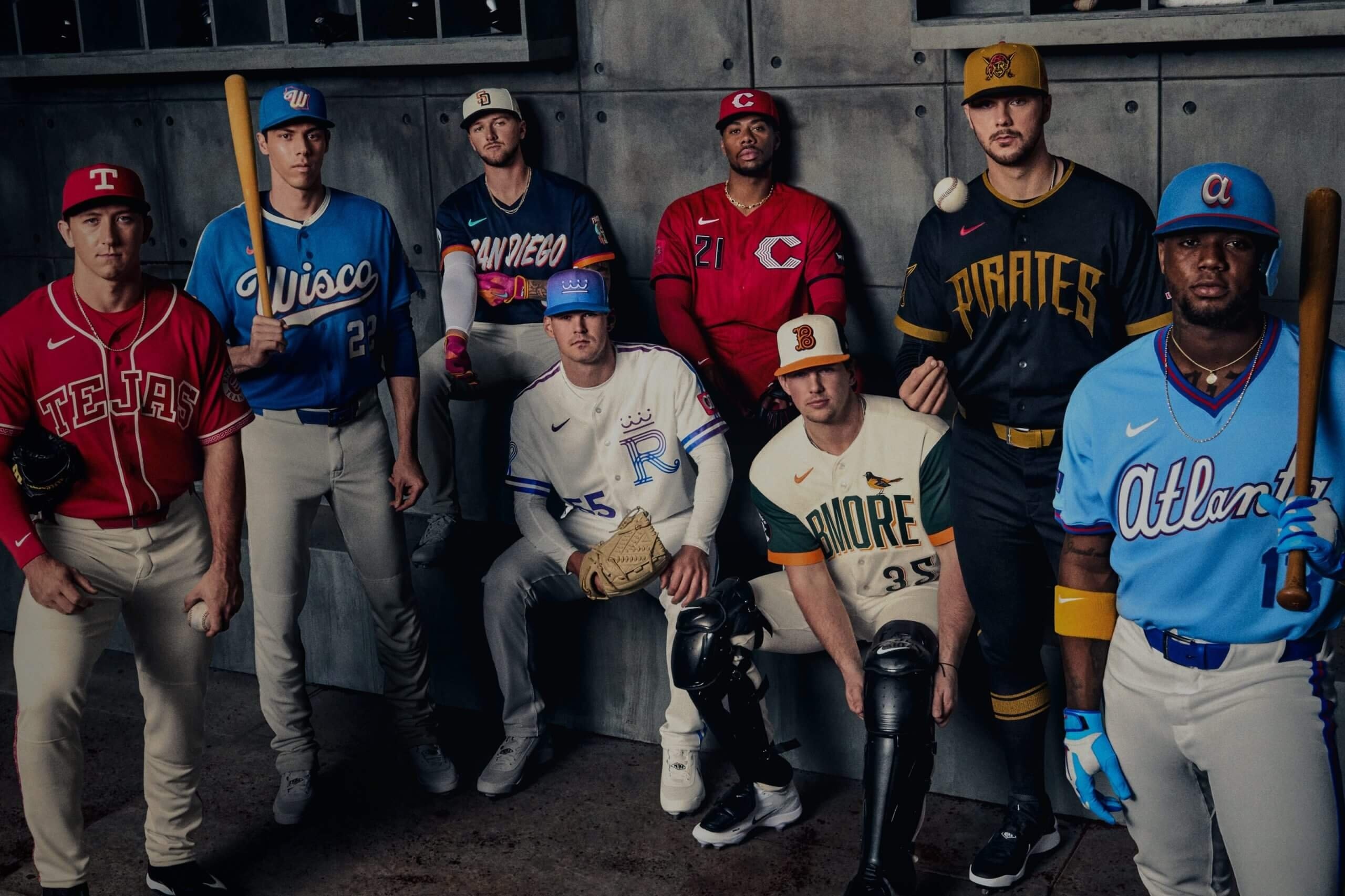
City Connect jerseys have become a cultural touchstone for MLB, allowing clubs to showcase regional identity while experimenting with bold palettes and unconventional graphics. The latest wave of releases adds six new designs to the collection, joining the Atlanta Braves’ “Connect 2.0” set that debuted in March.
The Texas Rangers’ “Tejas” jersey nods to the state’s Spanish heritage, but the all‑red scheme has drawn criticism for visual redundancy. Fans and designers alike have noted that the red‑on‑red approach may limit contrast on television broadcasts.
San Diego’s entry returns to the franchise’s classic brown and gold, a palette that resonates with longtime supporters. The accompanying hat harks back to an era when the Padres’ uniforms were considered among the most distinctive in baseball.
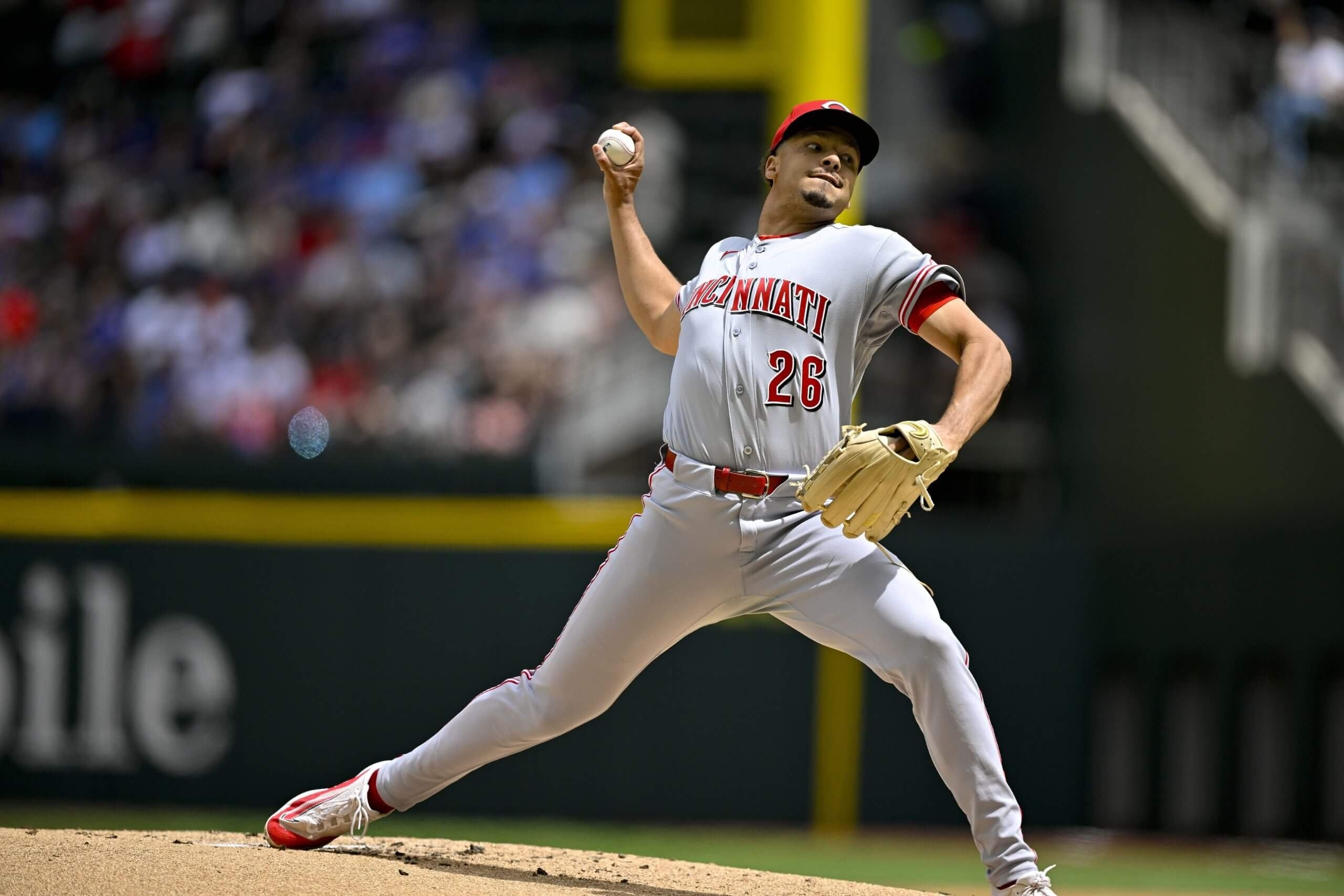
Cincinnati’s new look is described as “multiple, different” reds, a color experiment that may challenge TV viewers but does not appear to alienate the fan base. The design’s success will likely hinge on how the team’s on‑field performance aligns with the visual overhaul.
Milwaukee’s “Wisco” jersey features a striking orange accent that has been praised despite the oddity of the word itself. The overall aesthetic is deemed “not bad,” suggesting the Brewers can balance novelty with tradition.
Baltimore’s dark‑green sleeve treatment breaks from the norm, offering a fresh contrast that works well with the team’s traditional black. The font choice and jersey cut have been highlighted as improvements over the previous black‑only design.
Kansas City’s purple‑and‑blue scheme is lauded as the best new color combination in recent memory, surpassing the Royals’ earlier attempts. Observers are eager to see whether the accompanying cap will maintain the same level of design cohesion.
Pittsburgh’s matte black and muted yellow uniform earns a “chef’s kiss” for its understated elegance and typographic fidelity to the Pirates brand. The design avoids the pitfalls of forced puns or gimmicky lettering that have plagued other teams.
The Atlanta Braves continue to lead the City Connect conversation with their powder‑blue uniform, which remains a fan favorite and a benchmark for future releases. The brand’s ability to blend contemporary style with franchise heritage sets a high bar for other clubs.
Ken Rosenthal’s column on Griffin’s extension provides a granular look at a contract that could redefine market expectations for young, high‑upside position players. The nine‑year, $140 million deal, signed on Wednesday, offers Griffin a $12 million signing bonus and a structured payout through arbitration and free‑agency years.
Griffin, who turns 20 on April 24, will be 28 at the end of the contract, entering free agency at age 29—a timeline that maximizes his earning potential while preserving flexibility. The agreement contains no club options, a point of contention during negotiations.
Negotiators from both the Pirates and Excel Sports Management described the final term as a “compromise” after six months of back‑and‑forth. The club initially pushed for a ten‑year commitment, while the player’s representatives favored an eight‑year structure.
Under the contract, Griffin’s signing bonus is disbursed as $5 million upfront, with $3.5 million installments in 2027 and 2028. The three arbitration years are valued at $39.5 million combined, placing him near the top of the current arbitration market.
| Contract Component | Value (Millions) | Years |
|---|---|---|
| Signing Bonus | 12 | 2024‑2028 |
| Arbitration Years | 39.5 | 2029‑2031 |
| Free‑Agent Years | 81.5 | 2032‑2034 |
The contract also includes $10 million in escalators tied to performance benchmarks, adding a layer of incentive for Griffin to exceed expectations. This structure differentiates the deal from Roman Anthony’s eight‑year, $130 million pact with the Red Sox, which featured a club option and higher potential escalators.
Griffin’s age advantage—being two years younger than Anthony—and his status as an up‑the‑middle infielder contribute to the higher guaranteed amount. His minor‑league performance last season significantly outperformed projection models, justifying the premium.
Turning to the American League West, the early season landscape appears volatile after the Seattle Mariners’ recent sweep in Texas. The Mariners, once considered the division favorite following a near‑World Series run in 2025, have slipped to a 4‑9 record.
Meanwhile, the Texas Rangers sit at 7‑5, buoyed by Brandon Nimmo’s .340 batting average and a league‑leading hard‑hit rate of 47.6 percent. Despite these peripherals, the team remains middle‑of‑the‑league in most traditional metrics, prompting questions about regression.
Rangers pitching has been a bright spot, with MacKenzie Gore emerging as a reliable starter and Jack Leiter showing breakout potential. Reliever Jake Latz set a franchise record by retiring the first 28 batters he faced, underscoring the staff’s depth.
| Team | Record | Hard‑Hit Rate (%) |
|---|---|---|
| Rangers | 7‑5 | 47.6 |
| Angels | 6‑7 | 35.4 |
| Astros | 6‑7 | — |
The Los Angeles Angels, at 6‑7, have experienced a roller‑coaster week highlighted by Jo Adell’s “home run robberies” and a bench‑clearing brawl involving Jorge Soler and Atlanta’s Reynaldo López. Both Soler and López received seven‑game suspensions.
While Adell enjoys a breakout season, veteran Mike Trout’s early surge has waned, contributing to the Angels’ low hard‑hit percentage and worst‑in‑the‑league expected batting average of .191. These offensive struggles contrast sharply with the Rangers’ power metrics.
The Houston Astros also sit at 6‑7, hampered by injuries to starter Cristian Javier and center fielder Jake Meyers, as well as the prolonged absence of ace Hunter Brown. A recent sweep by the Colorado Rockies further dampened their momentum.
Historically, the Astros began the 2023 campaign 12‑24 before rallying to miss the playoffs by a tiebreaker, a pattern that may repeat if health issues persist. Their current trajectory suggests a need for immediate roster adjustments.
Oakland’s Athletics, with a 4‑7 record, remain a long‑term project whose core is expected to coalesce around 2027. Presently, the pitching staff allows a .369 weighted on‑base average (wOBA), the worst in the league aside from the Washington Nationals.
The Mariners’ offensive metrics are among the poorest in baseball, ranking last in hard‑hit rate (33.6 percent) and tied for lowest average exit velocity (87.2 mph). Their expected batting average of .216 places them third‑worst overall.
Despite these glaring deficiencies, Weaver maintains optimism that Seattle’s talent pool can rebound, citing the team’s historical resilience. The division’s bottom‑up volatility underscores the difficulty of projecting a clear front‑runner at this stage.
Beyond the AL West, the Minnesota Twins have stabilized at 6‑6 after consecutive victories over Tarik Skubal and Framber Váldez, positioning themselves two games ahead of the Detroit Tigers. The Twins sit just 1½ games behind Cleveland in the AL Central.
In the National League, the San Francisco Giants and Boston Red Sox each staged dramatic turnarounds, with the Giants posting a 20‑inning scoreless stretch against the Philadelphia Phillies and the Red Sox delivering a dominant performance over the Milwaukee Brewers.
Shohei Ohtani’s pitching streak, previously 24 2/3 innings without a run, ended on an unearned run in Toronto, yet his offensive consistency remains remarkable, reaching base in 43 straight games—a tie with Ichiro Suzuki for the longest streak by a Japanese‑born player.
Guardians rookie Chase DeLauter’s unconventional swing has drawn attention, though he remains unfazed, emphasizing results over aesthetics. His approach reflects a broader trend of players prioritizing effectiveness in a data‑driven era.
Controversy swirled in Los Angeles after Dodgers owner Peter Blum discussed selling naming rights to the field, eliciting mixed reactions ranging from indifference to outright disgust among fans. The debate highlights the tension between commercial interests and tradition in baseball.
Keith Law released his Draft Rankings 2.0, with Roch Cholowsky retaining the top spot amid a deep pool of talent. The rankings provide insight into future MLB pipelines and the potential impact on upcoming drafts.
Former Dodgers base‑stealer Davey Lopes, a prolific figure in baseball history, passed away at age 80, prompting tributes that celebrated his contributions to the game’s strategic evolution. Lopes’ legacy endures in the modern emphasis on speed and aggressive baserunning.
The most‑clicked story from the previous newsletter featured the full video of the Soler‑López bench‑clearing brawl, underscoring the public’s appetite for high‑drama moments that transcend pure statistical analysis. Such incidents often shape narratives around team culture and discipline.
Overall, the early impressions of the City Connect jerseys illustrate MLB’s ongoing balance between innovation and heritage, while Griffin’s unprecedented contract sets a new benchmark for young talent negotiations. Both developments will influence fan engagement and financial strategies across the league.
Simultaneously, the AL West’s erratic standings and injury‑laden rosters suggest that the division’s race will remain unpredictable through the summer months. Teams that can align peripheral metrics with on‑field results are poised to capitalize on the volatility.
As the season progresses, analysts will monitor how the new uniform aesthetics impact merchandise sales, brand perception, and perhaps even player performance under fresh visual identities. The intersection of design and economics adds another layer to baseball’s evolving landscape.
In the coming weeks, the Windup will continue to track the ramifications of Griffin’s deal, the reception of the City Connect caps, and the shifting fortunes of the AL West’s five contenders. Readers can expect data‑rich updates that maintain the newsletter’s reputation for depth and accuracy.