Kompany's fiery halftime rant fuels Bayern's 4‑3 comeback win
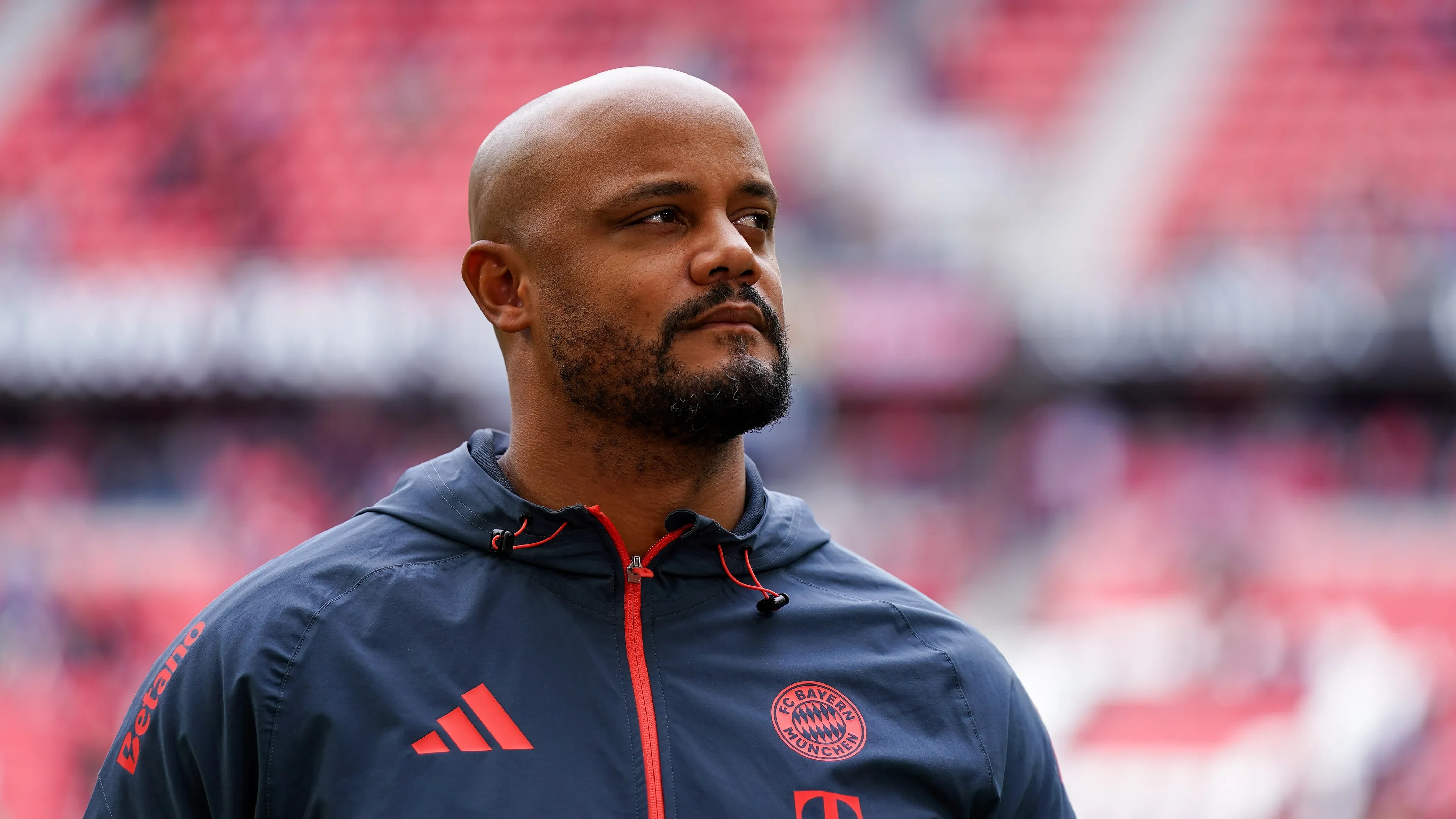
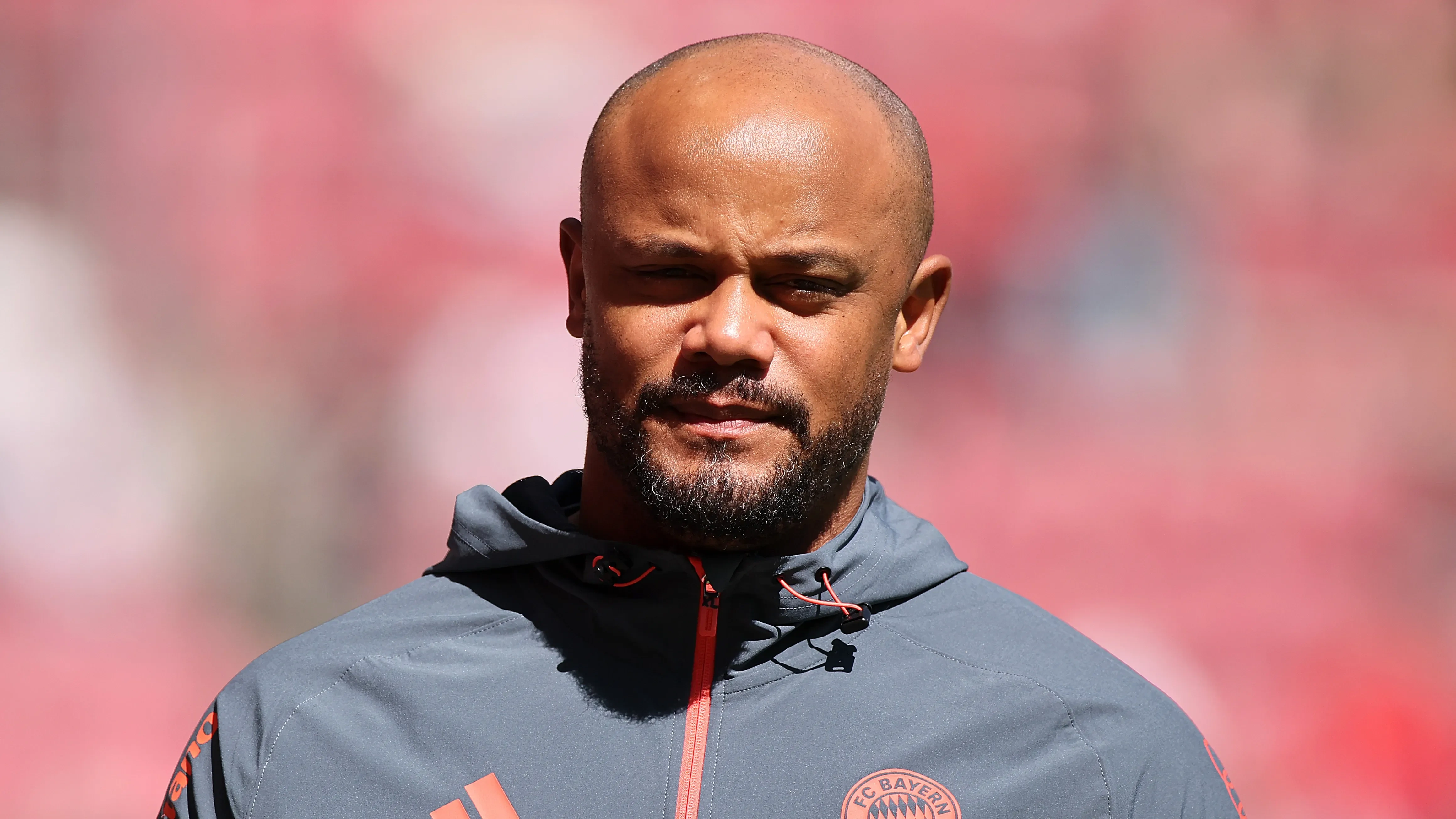
Vincent Kompany’s half‑time address in Mainz has become the talk of the Bundesliga after Bayern Munich turned a 0‑3 deficit into a 4‑3 victory.
The Belgian manager smiled when asked about the “proper rollicking” he gave his players, but his words carried the intensity needed to spark a dramatic comeback.
Leon Goretzka, who captained Bayern for the first time, confirmed that the motivational speech laid the foundation for the turnaround.
Speaking to DAZN, Goretzka said the team refocused on its strengths after the halftime talk, underscoring the importance of mental resilience.
Bayern entered the match having made sweeping changes to the starting eleven, a decision influenced by the upcoming Champions League semi‑final against Paris Saint‑Germain.
Dayot Upamecano and Joshua Kimmich did not travel to Mainz, while six regulars were named on the bench as a precaution.
The bench included Michael Olise, Harry Kane, Jamal Musiala, Manuel Neuer, Jonathan Tah and Josip Stanisic, all of whom were available for a second‑half impact.
Young midfielder Bara Sapoko Ndiaye made his first‑team debut at 18, but struggled to influence the game during the first half.
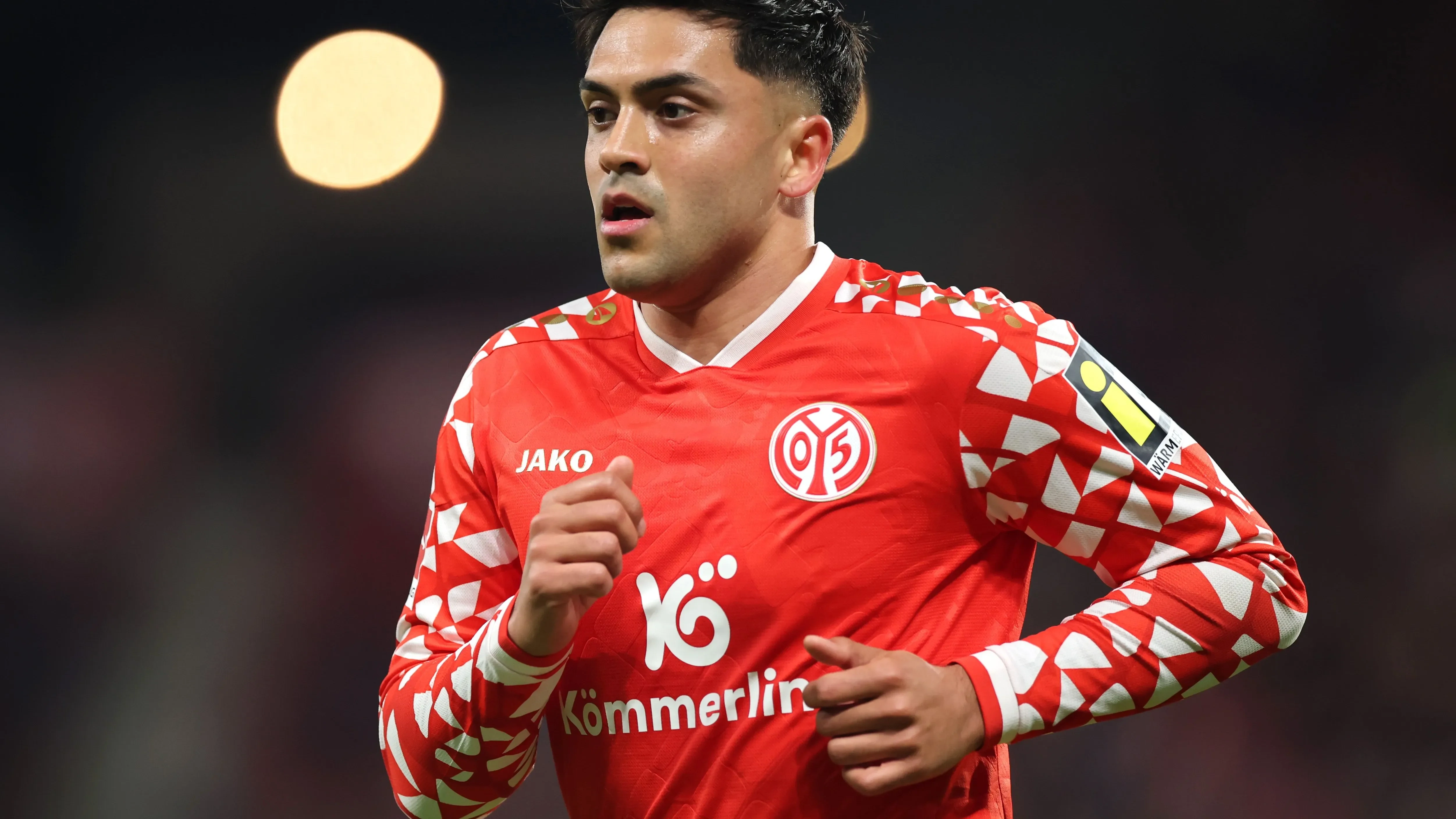
FSV Mainz 05 dominated the opening period, establishing a 3‑0 lead through goals from Dominik Kohr, Paul Nebel and Sheraldo Becker.
The first‑half timeline showed Kohr scoring in the 15th minute, Nebel adding in the 29th, and Becker completing the trio just before the break.
When asked by Sky about his halftime instructions, Kompany initially answered with a smile and a hint of irony, noting there was “a lot of praise” in his talk.
He later clarified that his message was rooted in personal experience, recalling moments when he was a captain facing a three‑goal deficit.
Kompany emphasized the need to channel anger, reject defeat and press the opposition with full throttle until the final whistle.
He stressed that the comeback was driven not only by tactical adjustments but also by the emotional response of the players.
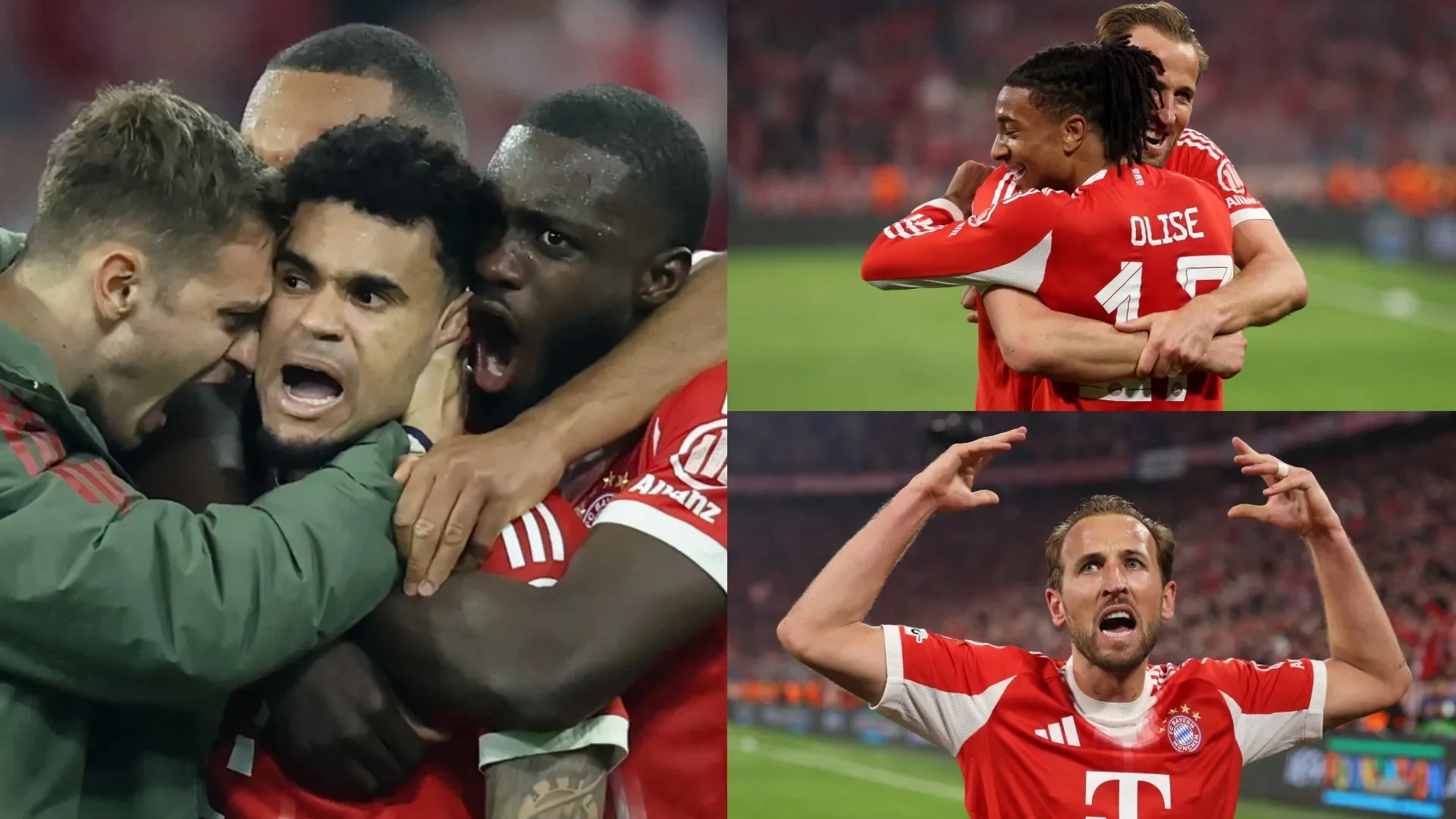
At the break, Kompany introduced Harry Kane and Michael Olise, immediately injecting fresh attacking intent into the Bayern side.
Nicolas Jackson reduced the deficit to 3‑1 in the 53rd minute, providing a crucial lifeline for the Bavarians.
Jamal Musiala and Josip Stanisic entered the fray in the 57th minute, adding creativity and energy to Bayern’s midfield.
Olise’s curling strike in the 73rd minute brought Bayern within two goals, showcasing his technical ability and composure under pressure.
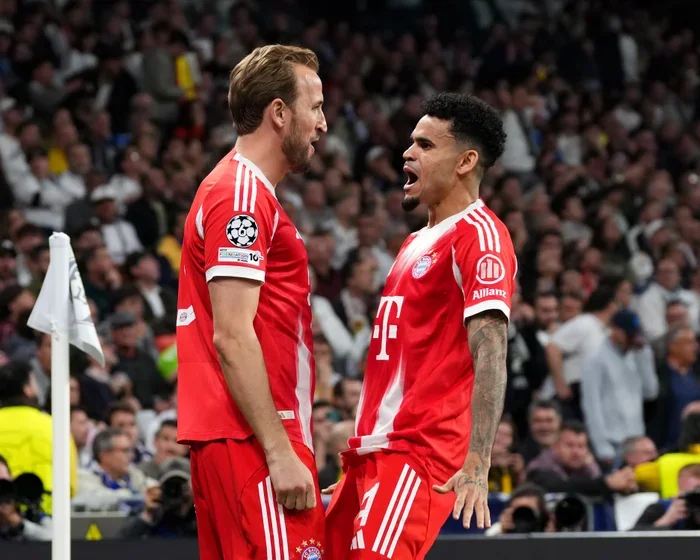
Musiala equalised shortly after, completing a rapid 3‑3 surge that stunned the Mainz crowd.
Harry Kane sealed the dramatic victory with a decisive finish, turning the scoreline to 4‑3 in Bayern’s favour.
Goretzka reflected that the win was “more exciting than if we’d won 3‑0,” highlighting the morale‑boosting effect of the comeback.
The result had no impact on the league title race, as Bayern had already clinched their 35th championship after a 4‑2 win over VfB Stuttgart.
Nevertheless, the three‑point swing was vital for confidence heading into the Champions League semi‑final first leg in Paris.
Bayern’s next fixture list includes a Champions League clash with PSG on Tuesday, a Bundesliga meeting with 1. FC Heidenheim on 6 May, and a return leg against PSG on 9 May.
The semi‑final’s winner will face either Arsenal or Atlético Madrid in the Champions League final, adding further significance to Bayern’s momentum.
Statistically, Bayern’s second‑half performance featured four goals, three substitutions and a 71‑minute possession advantage.
| Half | Goals Scored | Possession (%) |
|---|---|---|
| First | 0 | 42 |
| Second | 4 | 71 |
Vincent Kompany’s tactical shift included a more aggressive pressing system after halftime, aiming to disrupt Mainz’s defensive shape.
The introduction of Kane provided a target man who could hold up play and create space for the wingers and midfield runners.
Michael Olise’s movement on the left flank opened channels that allowed Musiala to cut inside and link with the central attackers.
Josip Stanisic’s late entry added a physical presence in midfield, helping Bayern dominate aerial duels and retain possession.
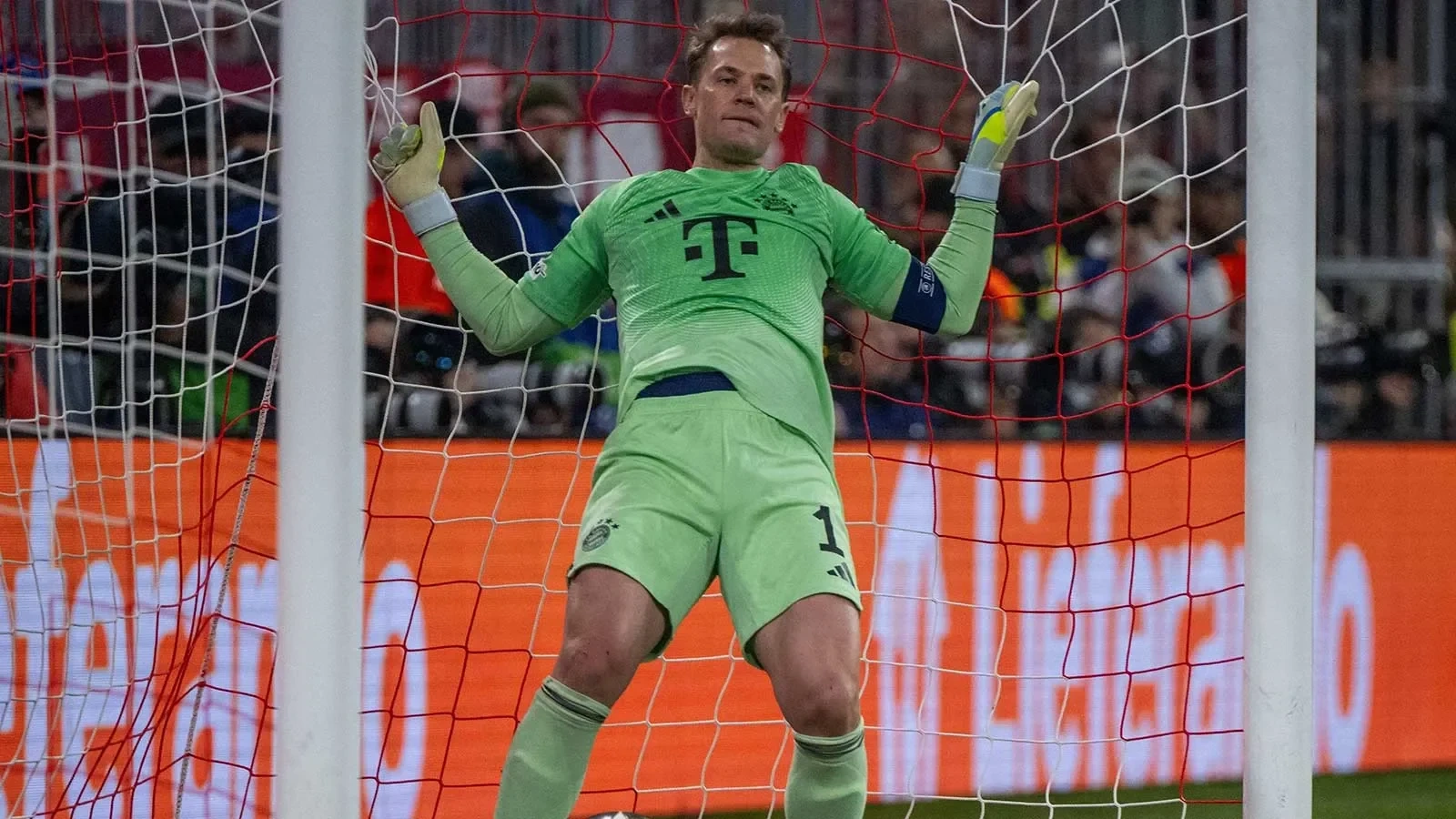
Manuel Neuer, despite being on the bench, contributed by organizing the defensive line and offering guidance during the comeback.
Harry Kane’s experience in high‑pressure matches proved decisive, as his composure in the final minutes mirrored his performances in previous European finals.
Jamal Musiala, only 21, demonstrated his growth by scoring the equaliser and displaying maturity in his decision‑making.
Leon Goretzka’s leadership as captain was evident, as he motivated teammates and maintained the intensity required to overturn the deficit.
FSV Mainz 05’s early dominance highlighted their efficient transition play, but they failed to adapt defensively after Bayern’s substitutions.
Coach Jörg Streicher’s tactical plan for Mainz centred on exploiting Bayern’s rotated defence, a strategy that initially succeeded.
However, Mainz’s inability to respond to Bayern’s increased tempo in the second half left them vulnerable to the Bavarians’ surge.
The match’s broader implication for the Bundesliga is the demonstration that even with extensive rotation, Bayern can still produce winning performances.
This resilience reinforces Bayern’s reputation as a club capable of handling congested schedules across domestic and European competitions.
For PSG, the upcoming semi‑final will test their ability to contain a Bayern side that has shown both tactical flexibility and emotional fortitude.
Paris Saint‑Germain’s recent form includes a solid defensive record, which will be crucial against a Bayern attack led by Kane and Musiala.
Analysts note that Bayern’s success in Mainz may influence their approach in Paris, potentially prompting a more aggressive pressing game.
The Champions League semi‑final will also feature a clash of managerial philosophies, with Kompany’s emotion‑driven tactics against Luis Enrique’s possession‑based system.
Both coaches have emphasized the importance of squad depth, a factor that will likely determine the outcome over the two‑leg tie.
In summary, Bayern’s comeback in Mainz serves as a case study in how halftime leadership and strategic substitutions can overturn seemingly insurmountable deficits.
The match will be remembered as a testament to the club’s winning mentality and the impact of a well‑delivered half‑time speech.