Nike to Redesign Champions League Ball After Securing 2027-31 Rights
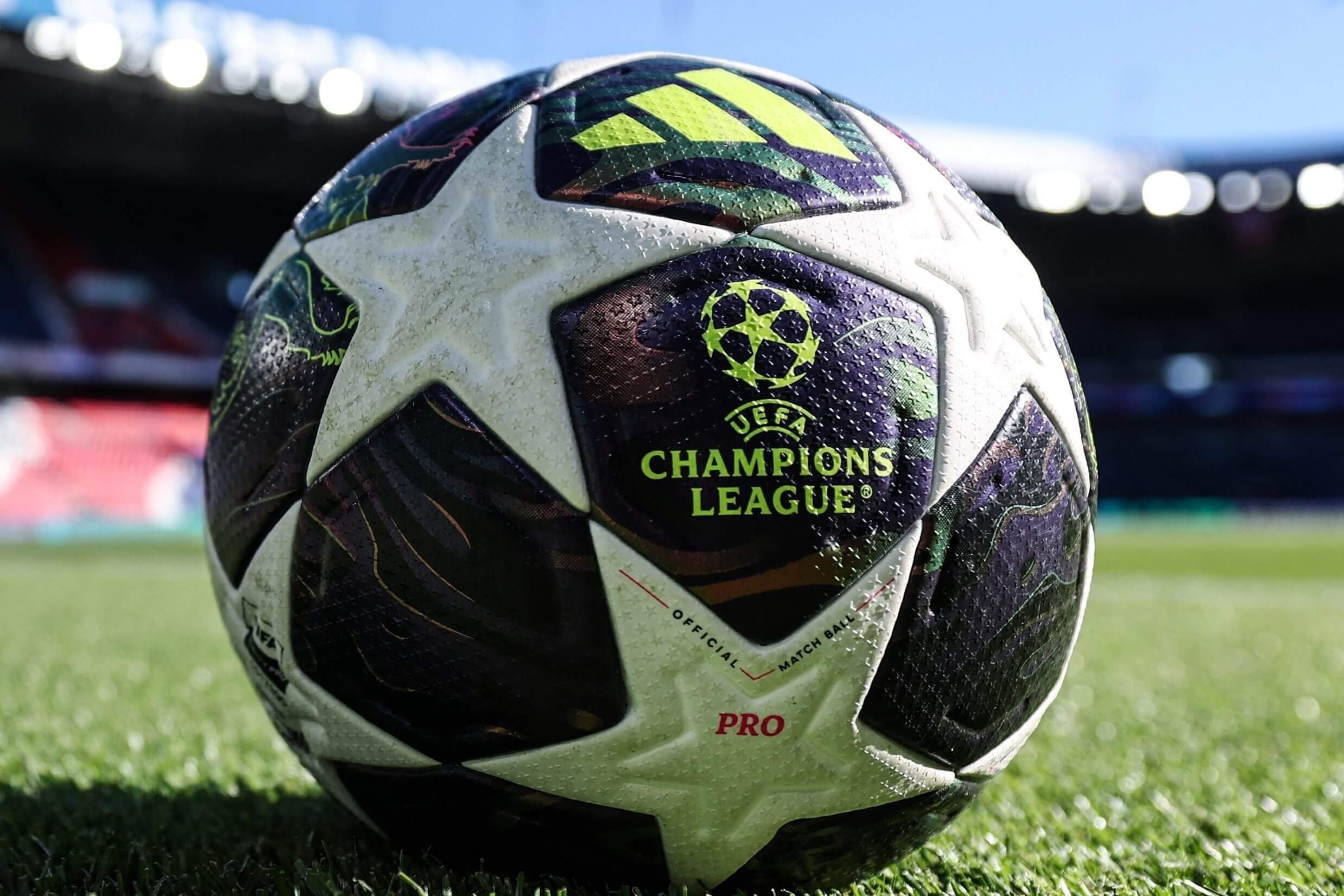
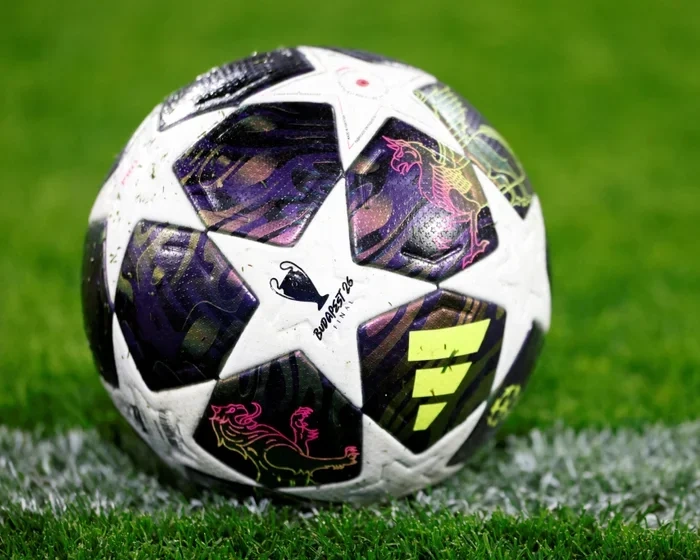
The Champions League match ball, instantly recognizable by its star‑patterned surface, will be retired after the 2027 final in Madrid’s Estadio Metropolitano. Nike’s successful bid for the exclusive supply contract means a brand‑new design will debut for the 2027‑2031 competition cycle.
Uefa announced that Nike has agreed to pay approximately $45 million per year for the rights to outfit the Champions League, Europa League and Conference League. This figure doubles the fee previously received from Adidas, the incumbent supplier since 2001.
Adidas introduced the iconic “Finale” ball in 2001, featuring a star motif that mirrors the Champions League logo. The design has been used in every match ball for the premier European club competition for 26 years, becoming a visual shorthand for elite football.
Nike’s earlier partnership with Uefa ran from 1997 to 2001, during which the company supplied balls bearing its swoosh logo and simpler graphics. The return to the Champions League marks a full‑circle moment for the American sportswear giant.
Because Adidas holds the intellectual property rights to the star design, the 2027 final will be the last match played with that motif. The final, scheduled for 5 June 2027, will therefore close a chapter in the competition’s visual history.
Negotiations for the new ball were conducted on behalf of UC3, the joint venture that unites Uefa and the leading clubs that operate the Champions League. The tender process was managed by Relevent Football Partners, a subsidiary of the sports‑media group owned by Miami Dolphins proprietor Stephen Ross.
Relevent bundled the Champions League ball tender with those for the Europa League and Conference League for the first time, creating a single package covering all three Uefa club competitions. Nike secured the contract for the entire suite, ending Decathlon’s supply of the Kipsta‑branded balls for the secondary tournaments.
The new ball will be co‑developed by Nike and UC3, with input from club technical staff and players expected to shape its construction, surface texture and aerodynamics. Early prototypes will be tested during the 2026‑27 season in preparation for the official launch.
Beyond the ball redesign, Relevent has implemented sweeping commercial changes for Uefa’s club competitions covering 2027‑2033. The firm terminated a 35‑year partnership with Heineken, selling the global beer rights to AB InBev, the maker of Budweiser and Michelob.
In the television market, Relevent oversaw a rights sale that lifted revenue by more than 20 percent in Europe’s five biggest markets. Paramount secured the majority of Champions League broadcast packages in the United Kingdom and Germany for the 2027‑2031 window.
In the United States, CBS Sports/Paramount retains the broadcast and streaming rights to Uefa club competitions through 2030, maintaining the league’s growing footprint across North America.
While the ball transition dominates headlines, the competition’s on‑field drama continues. Barcelona lodged a formal complaint on Thursday regarding a contentious decision in their 2‑0 quarter‑final first‑leg loss to Atlético Madrid.
In the 54th minute, Atlético goalkeeper Juan Musso appeared to place the ball back into play from a goal‑kick, after which defender Marc Pubill handled it inside the six‑yard box. Referee István Kovács allowed play to continue, and VAR did not intervene.
Barcelona’s legal services submitted a written grievance to Uefa, describing the incident as a “major error” and demanding an investigation. The club highlighted a perceived inconsistency with VAR’s application in similar situations earlier in the season.
Two comparable incidents illustrate the variance in officiating. In April 2024, Bayern Munich were denied a penalty when Arsenal defender Gabriel Magalhães touched the ball after a restart, while later that year VAR awarded Club Brugge a penalty after a similar handball involving Aston Villa’s Emiliano Martínez.
These cases underscore the ongoing debate over VAR protocols and the balance between on‑field authority and technological oversight. Clubs continue to seek clearer guidelines to ensure uniformity across Uefa competitions.
Barcelona’s quarter‑final tie against Atlético Madrid also featured tactical nuances that have shaped the narrative of the competition. Atlético’s compact defensive block, anchored by goalkeeper Musso’s distribution, limited Barcelona’s high‑pressing scheme.
Barcelona, under manager Xavi Hernández, persisted with a possession‑based approach, relying on midfield maestro Frenkie de Jong to dictate tempo. The lack of a decisive breakthrough highlighted the fine margins that often decide knockout ties.
| Team | Goals Scored | Possession % |
|---|---|---|
| Barcelona | 2 | 58 |
| Atlético Madrid | 0 | 42 |
The dispute over the handball decision may have broader implications for future VAR usage. Uefa’s Referees Committee has indicated that it will review the handling of handball incidents inside the penalty area to ensure consistency.
Beyond the immediate controversy, the ball redesign represents a strategic shift in Uefa’s commercial ecosystem. By aligning with Nike, Uefa taps into the brand’s global marketing network, potentially expanding merchandise revenues and fan engagement.
Adidas, which has supplied the Champions League ball for more than two decades, will retain rights to the star pattern but will no longer produce the official match ball. The company is expected to focus on its broader partnership portfolio with Uefa, including kit and apparel deals.
From a technical perspective, the new Nike ball is anticipated to incorporate advances in panel geometry and surface micro‑texture. These innovations aim to deliver a more predictable flight path and improved grip in wet conditions, addressing long‑standing player feedback.
Player representatives have historically been consulted during ball development cycles. Nike’s recent collaborations with elite athletes such as Cristiano Ronaldo and Kevin De Bruyne suggest that their input will shape the final product’s performance characteristics.
The transition also coincides with a period of heightened competition among sportswear manufacturers for elite football contracts. Puma, which also submitted a bid for the Uefa ball tender, continues to pursue club kit deals across Europe.
Overall, the convergence of commercial, technical and regulatory developments signals a transformative era for European club football. The 2027 Champions League final will not only crown a champion but also mark the end of the star‑ball epoch.
Fans can anticipate the unveiling of the new Nike ball during the 2026‑27 season, with a marketing campaign expected to highlight its design heritage and performance benefits. The rollout will likely include limited‑edition replicas and digital experiences to engage a global audience.
As the competition evolves, clubs, players and governing bodies will adapt to the new equipment and the refined VAR framework. The upcoming seasons promise a blend of tradition and innovation that will shape the future narrative of the Champions League.