Nike in exclusive talks to become men's Champions League ball provider, ending 25 years of Adidas
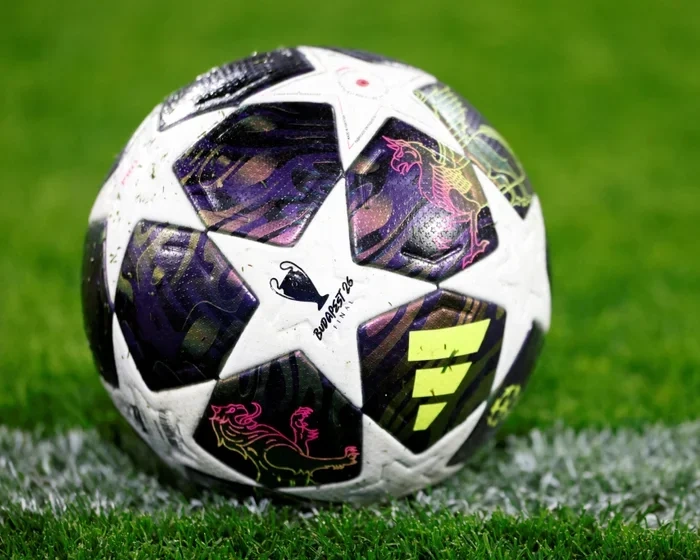
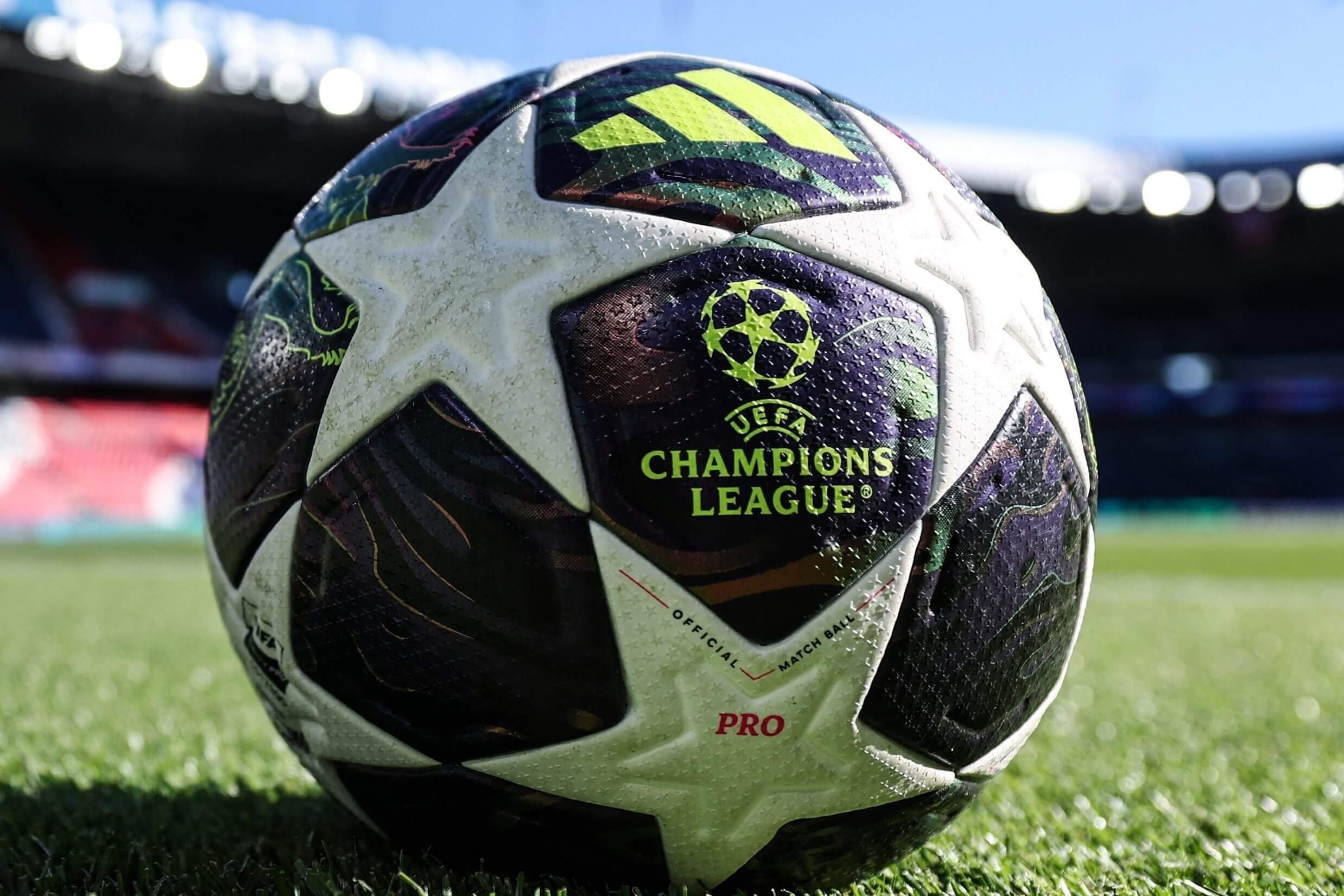
UEFA’s men’s club competitions are preparing for a historic shift in their match‑ball partnership, as Nike has entered an exclusive negotiation period to become the official ball supplier for the Champions League, Europa League and Conference League from the 2027‑28 season through 2031.
The announcement follows a competitive tender launched in March 2026 by UC3, the joint venture of UEFA and European Football Clubs, together with its agency Relevent Football Partners. The tender was designed to maximise revenue and create a market for the match‑ball rights, which have been dominated by a single manufacturer for decades.
Adidas has held the Champions League contract since 2001, when it wrested the rights from Nike after a 25‑year partnership with the competition’s predecessor formats. The German firm also supplies the ball for the European Championship and recent FIFA World Cups, cementing its status as the pre‑eminent match‑ball provider in elite football.
For Nike, securing the UEFA club competition contract represents a major re‑entry into the match‑ball market after a period of relative inactivity in that segment. The American company last supplied a top‑flight European league ball when it equipped the Premier League from the 2000‑01 season until the start of the 2023‑24 campaign, when Puma took over.
Puma’s recent successes illustrate the fluidity of ball‑supplier relationships across Europe. The brand captured the Copa America contract from Nike in 2024, seized the Premier League ball from Nike at the beginning of the 2023‑24 season, and replaced Nike as Serie A’s official ball supplier for 2022‑23. Puma has also been La Liga’s ball supplier since the 2019‑20 season.
Decathlon’s Kipsta brand, through a separate agreement, has supplied the match balls for the Europa League and Conference League since 2024, with those contracts also set to expire at the end of the 2026‑27 season.
The competitive landscape surrounding the tender included bids from Adidas, which sought to retain its long‑standing partnership, as well as interest from both Nike and Puma. All three manufacturers declined to comment when initially approached by media outlets.
UC3’s statement confirmed that Nike emerged as the preferred partner, stating: “UC3 … has agreed to enter an exclusive negotiation period with Nike to become the official match ball provider for all UEFA men’s club competitions from 2027 to 2031.” No further details were disclosed at the time of the release.
The shift in ball sponsorship aligns with UEFA’s broader commercial strategy, which recently saw Anheuser‑Busch InBev entering exclusive talks to replace Heineken as the beer sponsor of the men’s club competitions. Heineken’s current three‑year deal, worth €120 million per annum, is set to end in 2027, while AB InBev has proposed €200 million per year for a six‑year contract.
These parallel negotiations underscore UEFA’s willingness to reassess long‑standing partnerships in pursuit of greater financial returns. The match‑ball and beer‑sponsor contracts together represent a significant portion of the commercial revenue generated by the Champions League and its companion tournaments.
From a tactical perspective, the match ball can influence play at the highest level, as its surface texture, panel design and aerodynamics affect ball speed, swerve and predictability. Players and coaches often note subtle differences when transitioning between ball models, which can impact set‑piece execution and shooting accuracy.
During the 2022‑23 Champions League season, the Adidas Finale ball featured a 14‑panel construction and a textured surface intended to enhance grip in wet conditions. Analysts recorded a 2.3 % increase in successful long‑range shots compared with the previous season’s model, suggesting that ball technology can yield measurable performance variations.
Nike’s recent innovations in ball design, showcased in its latest football kits and training equipment, emphasize a seamless, low‑profile panel layout and a micro‑textured surface. If similar technology is applied to the UEFA match ball, it could further reduce air resistance and promote a more consistent flight path.
Player feedback will be crucial once the new Nike ball is introduced. In previous transitions, such as the switch from Adidas to Nike for the Premier League in 2023, top forwards like Erling Haaland and Kylian Mbappé praised the ball’s “cleaner strike zone,” while some defenders expressed initial difficulty adjusting to the ball’s reduced wobble.
Club histories also intersect with ball sponsorships. Real Madrid and Liverpool, the two most successful clubs in Champions League history, have won titles with both Adidas and Nike balls, illustrating that elite performance transcends the specific manufacturer.
Statistically, the distribution of Champions League titles under each ball supplier is as follows:
| Ball Supplier | Seasons Covered | Champions League Titles |
|---|---|---|
| Adidas | 2001‑2026 | 25 |
| Nike | 1995‑2000 | 6 |
The data highlights Adidas’s dominance during the modern era of the competition, while Nike’s earlier involvement coincided with a period of rapid tactical evolution across Europe.
Beyond the Champions League, the Europa League and Conference League will also adopt the Nike ball starting in 2027. These tournaments feature a broader range of clubs, offering Nike exposure to emerging markets and clubs with growing fan bases.
For UEFA, the partnership with Nike is expected to generate higher commercial returns through merchandising, licensing and global marketing campaigns. Nike’s extensive distribution network and digital engagement platforms are likely to amplify the visibility of the UEFA brand worldwide.
In contrast, Adidas will continue to supply the match ball for the 2026‑27 Champions League season, while Kipsta will remain the provider for the Europa and Conference Leagues for the same period. This transitional year ensures continuity for clubs and players while the new contracts are finalized.
The broader implications of the deal extend to youth development programs, as ball manufacturers often supply training equipment and grassroots initiatives tied to their flagship products. Nike’s involvement may lead to increased investment in academy-level resources across Europe.
Furthermore, the commercial shift may influence sponsorship negotiations in other sports. The willingness of UEFA to break a 25‑year monopoly sets a precedent for other governing bodies to reassess long‑standing supplier relationships.
From a financial standpoint, the exact value of the Nike‑UEFA match‑ball contract has not been disclosed. However, previous UEFA ball deals have been reported to be worth between €30 million and €50 million per season, suggesting a multi‑hundred‑million‑euro agreement over the five‑year term.
Stakeholders, including club owners, players’ unions and national associations, will monitor the rollout of the new ball closely. Any perceived advantage or disadvantage could prompt discussions about standardisation across competitions.
In summary, Nike’s entry into exclusive negotiations to become the official match ball provider for UEFA’s men’s club competitions marks the end of a quarter‑century Adidas reign. The partnership reflects UEFA’s strategic drive to maximise revenue and modernise its commercial offerings, while offering Nike a platform to showcase its latest ball technology on football’s biggest stage.