Toronto Maple Leafs Hunt New Head of Hockey Operations, Targeting Top Candidates Julien BriseBois, Chris MacFarland, Kelly McCrimmon and Eric Tulsky
Keith Pelley, president and chief executive officer of Maple Leafs Sports & Entertainment, is now tasked with identifying a successor to Brad Treliving as the Toronto Maple Leafs’ head of hockey operations. The franchise, the most valuable in the NHL, remains 59 years away from its last Stanley Cup.
The urgency of the offseason cannot be overstated, as Toronto seeks to convert its financial clout into on‑ice success. Pelley has publicly stated that he is “comfortable doing anything that gives the Toronto Maple Leafs the best chance to win the Stanley Cup,” indicating a willingness to explore unconventional avenues.
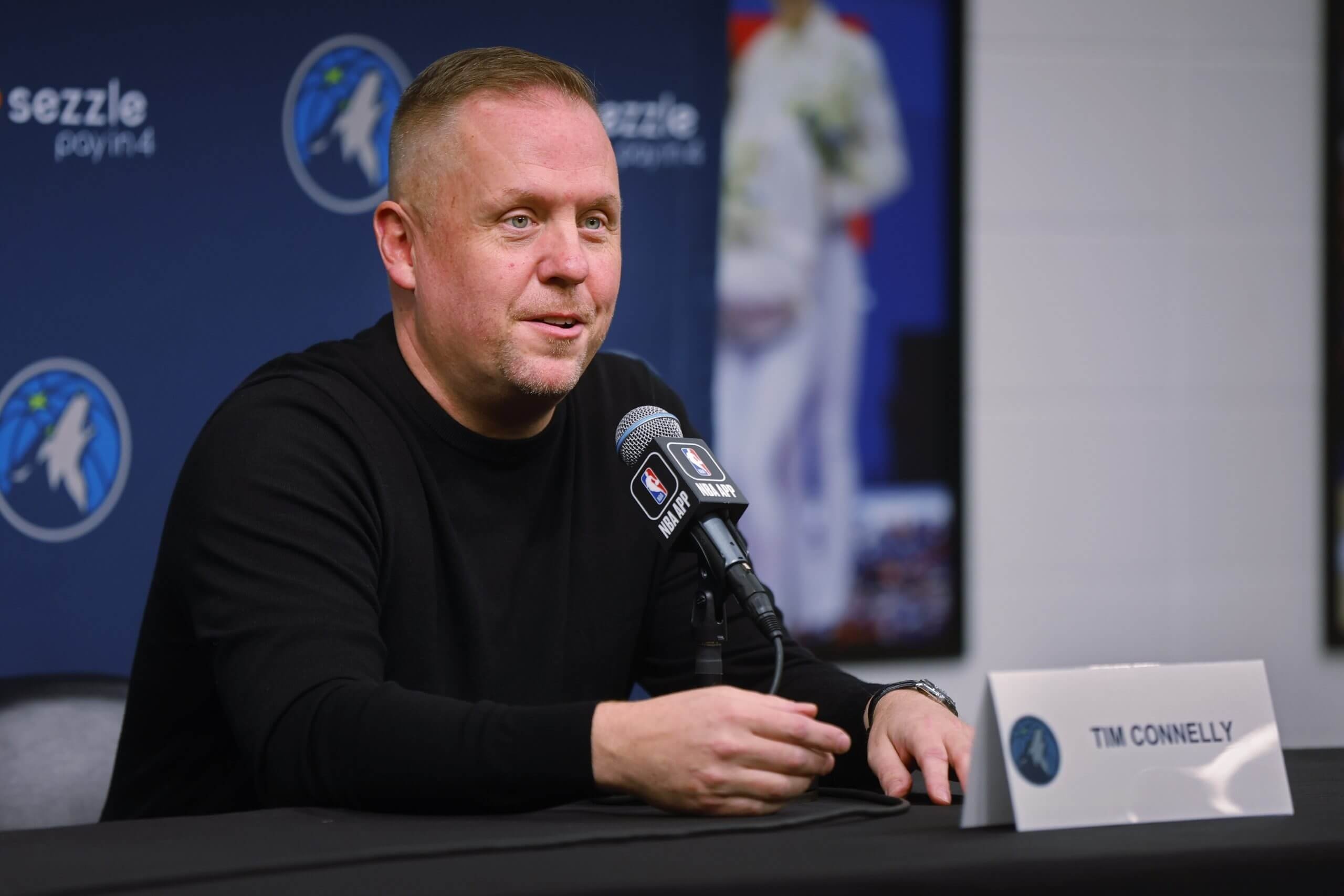
One of the most prominent names on the Maple Leafs’ wish list is Julien BriseBois, the 49‑year‑old vice president, general manager and alternate governor of the Tampa Bay Lightning. BriseBois has been a central figure in two recent Stanley Cup championships for the Lightning, cementing his reputation as a top executive.
If Toronto were to approach BriseBois, the organization could propose an elevated title—president and general manager—paired with a compensation package that would make him the highest‑paid executive in the sport. Whether the Lightning would grant permission to speak with him remains uncertain.
Another viable candidate is Chris MacFarland, the general manager of the Colorado Avalanche. MacFarland was promoted to GM after Colorado’s 2022 Stanley Cup win and works under president of hockey operations Joe Sakic. A move to Toronto would position him as the primary decision‑maker for the Leafs.
The Avalanche’s front office has demonstrated a keen ability to blend analytics with traditional scouting, a philosophy that could align with Toronto’s modernizing approach. Matching MacFarland’s salary expectations would be essential to secure his interest.
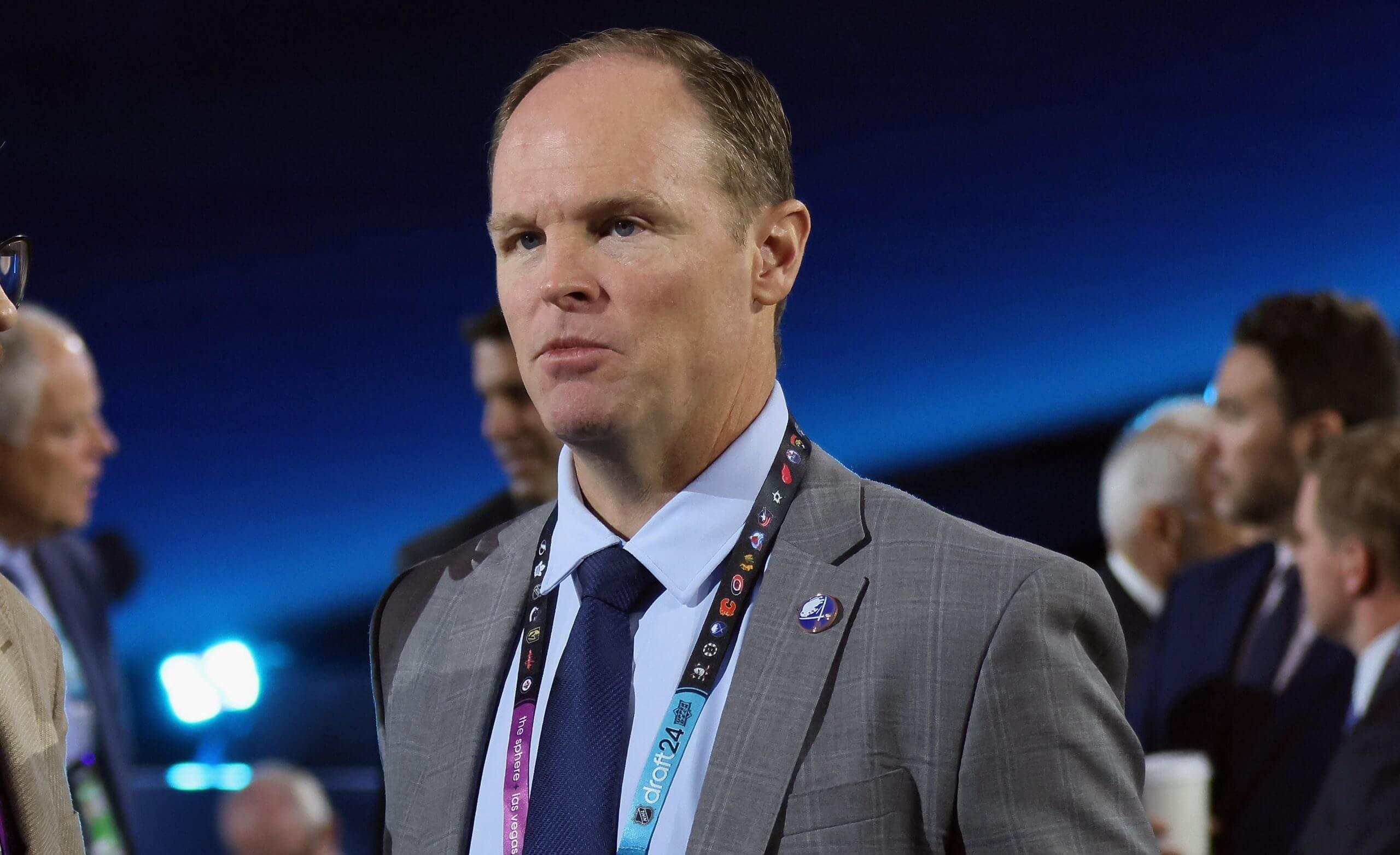
Kelly McCrimmon, the general manager of the Vegas Golden Knights, also appears on the shortlist. McCrimmon has overseen a rapid ascent from expansion team to Stanley Cup champion in 2023, operating under president George McPhee. His experience building a contender from the ground up could prove valuable in Toronto.
McCrimmon’s track record includes strategic cap management and shrewd trades that maximized the Knights’ limited resources. Offering a comparable or superior compensation package would be a prerequisite for any negotiation.
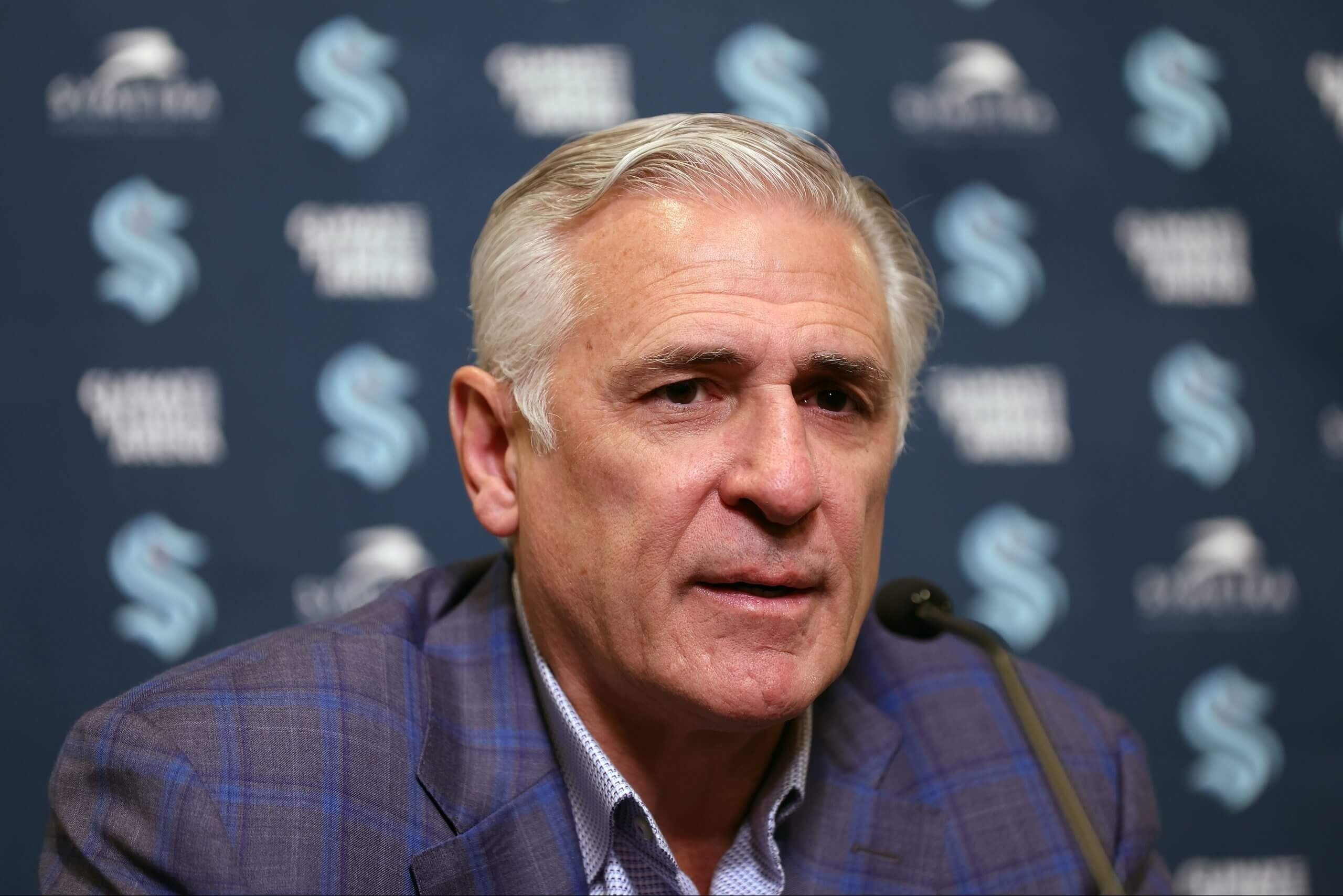
Eric Tulsky, the general manager of the Carolina Hurricanes, earned high praise from Pelley during a recent press conference. Tulsky’s Hurricanes have consistently been among the league’s best‑performing teams despite a relatively modest payroll.
The Hurricanes’ success under Tulsky is often attributed to a strong developmental system and an emphasis on possession‑based hockey, elements that could dovetail with the Leafs’ existing talent pool. A direct approach to Tulsky would require permission from the Hurricanes’ ownership.
The concept of poaching executives is not new in professional sports. The Toronto Raptors famously hired Masai Ujiri from the Denver Nuggets, and the Los Angeles Dodgers made Andrew Friedman the highest‑paid baseball executive after acquiring him from Tampa Bay in 2014.
These precedents demonstrate that a franchise with deep pockets can successfully attract top talent, provided the target sees a clear path to advancement or financial gain. The Maple Leafs possess both the financial resources and the historical allure of an Original Six franchise.
Financial considerations remain a pivotal factor. The Leafs have recently implemented cost‑cutting measures across the organization, yet Pelley’s remarks suggest a willingness to reverse that trend if it means securing a premier executive.
To illustrate the financial disparity between Toronto and potential targets, the table below compares average annual executive compensation for the listed candidates’ current teams.
| Executive | Current Team | Estimated Annual Compensation (USD) |
|---|---|---|
| Julien BriseBois | Tampa Bay Lightning | $3.5 million |
| Chris MacFarland | Colorado Avalanche | $2.9 million |
| Kelly McCrimmon | Vegas Golden Knights | $3.2 million |
| Eric Tulsky | Carolina Hurricanes | $2.7 million |
Toronto’s payroll flexibility could allow it to exceed these figures, making a “president and GM” package financially attractive. However, the decision also hinges on each executive’s personal ambitions and loyalty to their current organizations.
Beyond compensation, the strategic fit of each candidate must be examined. The Leafs’ roster features a blend of elite scorers, such as Auston Matthews and Mitch Marner, alongside a deep defensive core. An executive adept at balancing star contracts with depth acquisitions would be ideal.
BriseBois’s experience managing a cap‑tight roster while still capturing championships aligns with Toronto’s need to retain Matthews while adding complementary talent. His proven ability to negotiate long‑term extensions could stabilize the Leafs’ core.
MacFarland’s Avalanche background showcases success in leveraging draft assets for high‑impact players, a skill set that could help Toronto convert its abundant draft picks into NHL‑ready contributors. The Avalanche’s recent use of conditional picks offers a template.
McCrimmon’s tenure with the Knights highlights the importance of building a winning culture quickly, an approach that resonates with a franchise eager to end a decades‑long drought. His emphasis on veteran leadership could complement Toronto’s youthful core.
Tulsky’s Hurricanes have excelled in developing home‑grown talent, a model that could enhance the Leafs’ own development pipeline anchored by the OHL and OHL‑produced prospects. His analytical focus might also refine Toronto’s player‑evaluation processes.
The broader implications of a high‑profile hire extend beyond the Leafs’ front office. Securing a top executive could signal to free agents and current players that Toronto is committed to building a championship‑caliber organization.
Such a signal may influence contract negotiations, as players often weigh organizational stability and leadership quality when deciding where to sign. A renowned GM could therefore have a ripple effect on roster construction.
Historically, the Leafs have attempted a similar high‑profile acquisition in November 2008, when they hired Brian Burke from the Anaheim Ducks. Burke arrived fresh from a Stanley Cup win, but the experiment ultimately did not deliver the desired results.
The Burke case serves as both a cautionary tale and a precedent for aggressive front‑office moves. While the outcome was disappointing, the boldness of the approach demonstrated Toronto’s willingness to make franchise‑defining decisions.
Pelley’s own experience differs from that of previous Leafs presidents; he has not previously hired a hockey‑operations chief. This will be his first opportunity to shape the strategic direction of the club at the highest level.
Given the magnitude of the decision, Pelley has emphasized that the organization will not settle for a “good enough” candidate. The pursuit will likely involve reaching out to multiple targets simultaneously, increasing the probability of at least one successful negotiation.
In summary, the Maple Leafs possess the financial muscle, historical prestige, and organizational urgency to pursue the league’s top executives. Whether they can secure Julien BriseBois, Chris MacFarland, Kelly McCrimmon, Eric Tulsky, or another elite leader remains to be seen.
The outcome of this search will shape the franchise’s trajectory for years to come, potentially ending a 59‑year Stanley Cup drought and redefining Toronto’s place in NHL history.