49ers NFL Draft Board: 57 Prospects Ranked, Highlighting 11 Potential First‑Round Picks and Top Targets for Pass Rusher, Receiver, and Guard
The San Francisco 49ers entered the 2025 NFL Draft with a clear hierarchy of needs, yet General Manager John Lynch emphasized flexibility by saying the club could trade up, move down, or stay put at No. 27 in the first round.
During the league‑mandated pre‑draft press conference, Lynch reiterated that the organization’s draft board is already set, but the front office is “really, really” interested in acquiring a pass rusher, with a receiver and a guard also high on the wish list.
San Francisco currently holds six selections, none in the third round and none after the fourth, a configuration that makes later‑round maneuvering almost inevitable to avoid inactivity in rounds five through seven.
The 49ers’ scouting department has compiled a list of 57 prospects they believe could fit the team’s schemes, ranging from immediate impact players to developmental projects.
Among the Day 1 candidates, tight end Kenyon Sadiq from Oregon stands out for his ability to explode after the snap and generate yards after catch, a trait that could make him a future George Kittle replacement.
While Sadiq is not a guaranteed first‑round pick, his 260 of 560 receiving yards after the catch last season illustrate his potential to become a matchup nightmare for defenses.
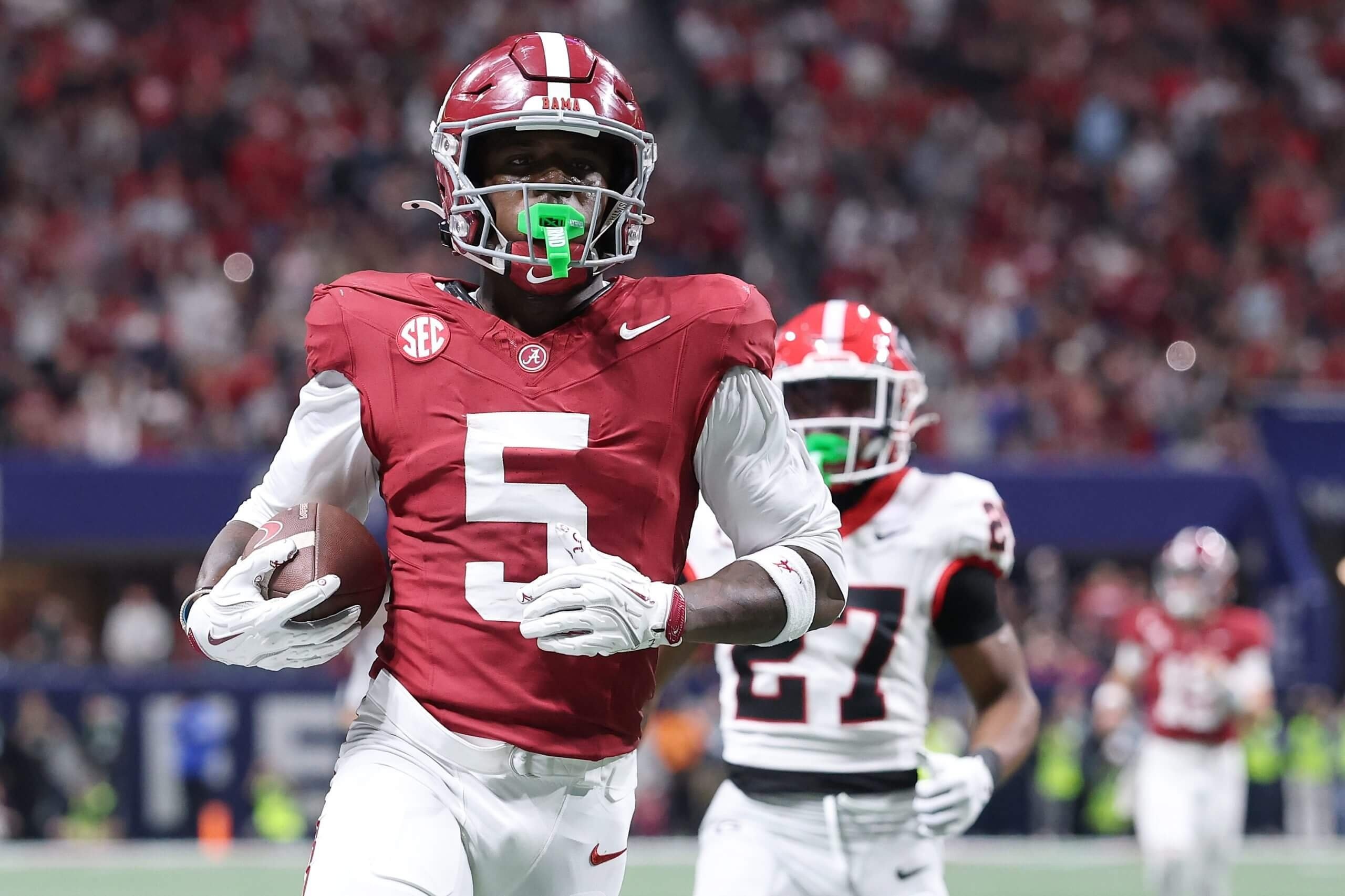
Alabama offensive tackle Kadyn Proctor, a 6‑foot‑6, 352‑pound lineman, offers the versatility to serve as a left‑tackle heirloom or a left‑guard until the tackle position opens, making him a compelling option if the 49ers remain at No. 27.
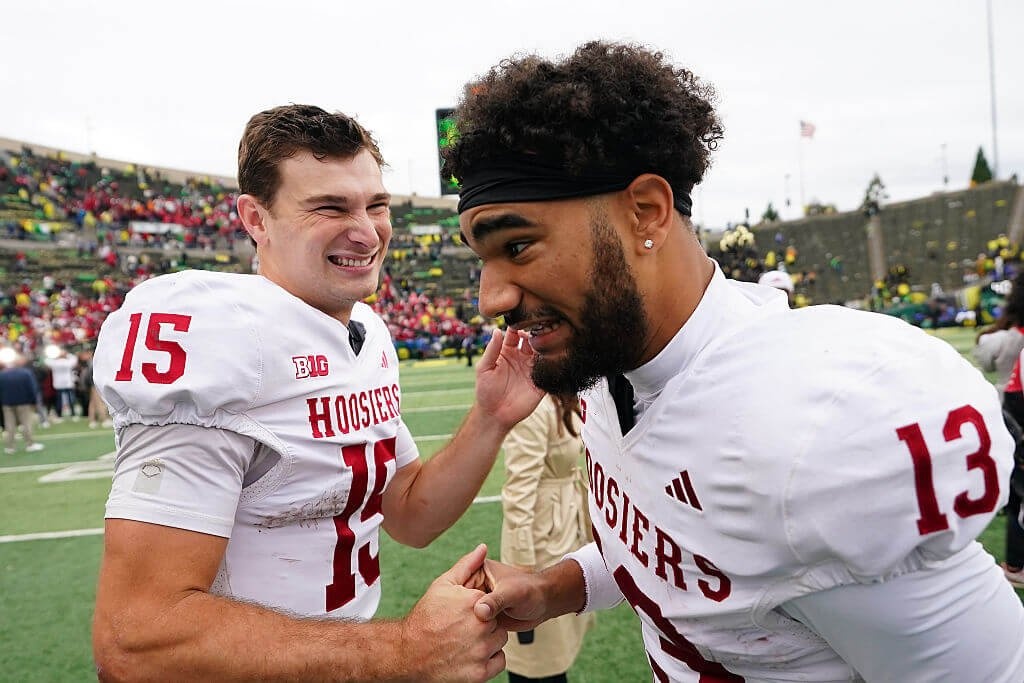
Indiana wide receiver Omar Cooper Jr., compared by analyst Fernando Mendoza to Deebo Samuel, combines run‑after‑catch ability with a physical skill set that mirrors Brandon Aiyuk’s style.
Washington’s Denzel Boston, a 6‑4 receiver with elite ball skills, could provide a red‑zone threat and third‑down option while learning from veteran Mike Evans.
Edge rusher Akheem Mesidor from Miami brings power and some bend, but concerns about two foot surgeries and his age (25) could push him out of the 49ers’ immediate range.
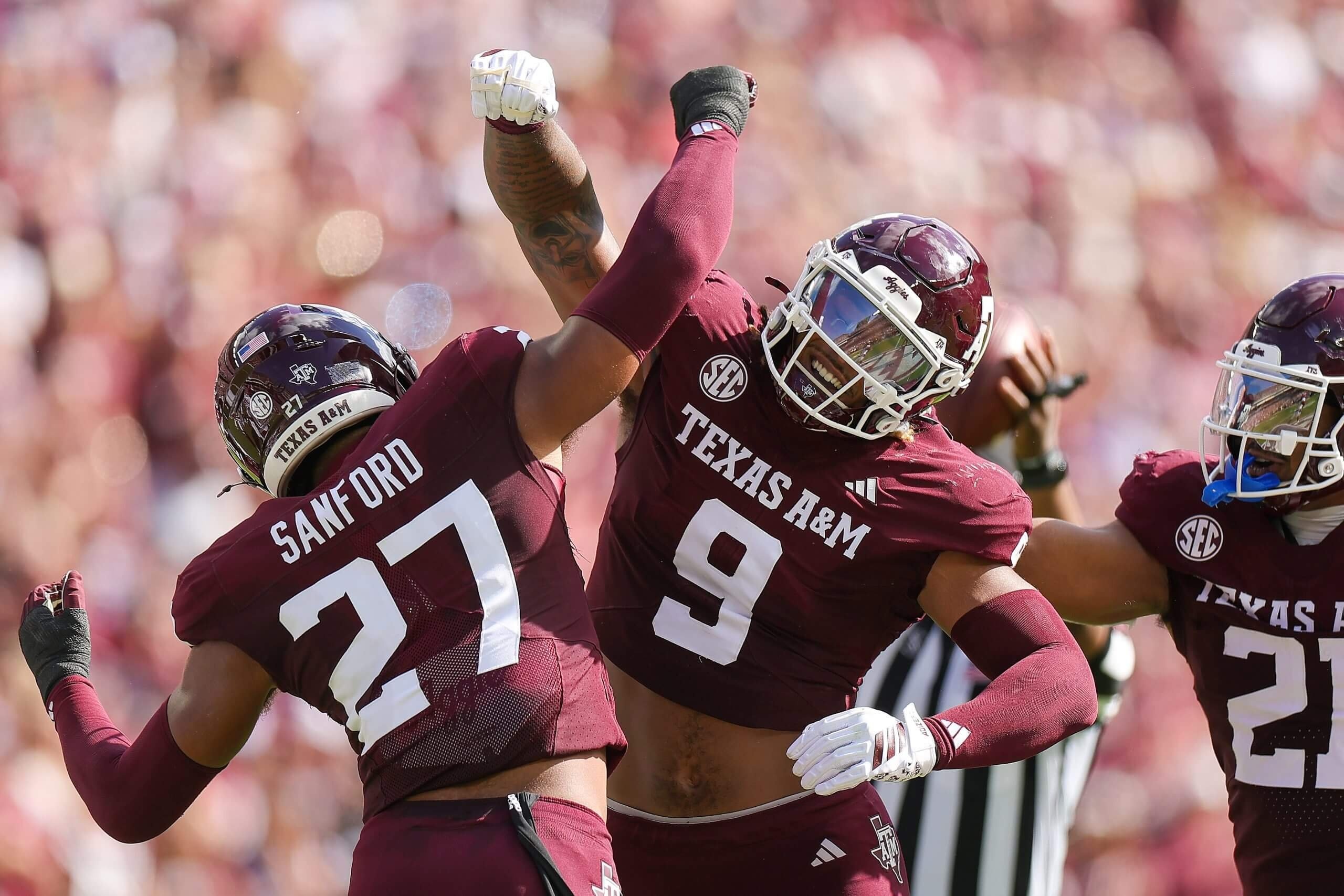
Cashius Howell, a fast and versatile edge player from Texas A&M, matches the San Francisco prototype, though his historically short arm length raises questions about his ability to engage larger NFL linemen.
Texas A&M wide receiver KC Concepcion dazzles with post‑catch explosiveness, yet seven drops last season and inconsistent quarterback play have limited his draft stock.
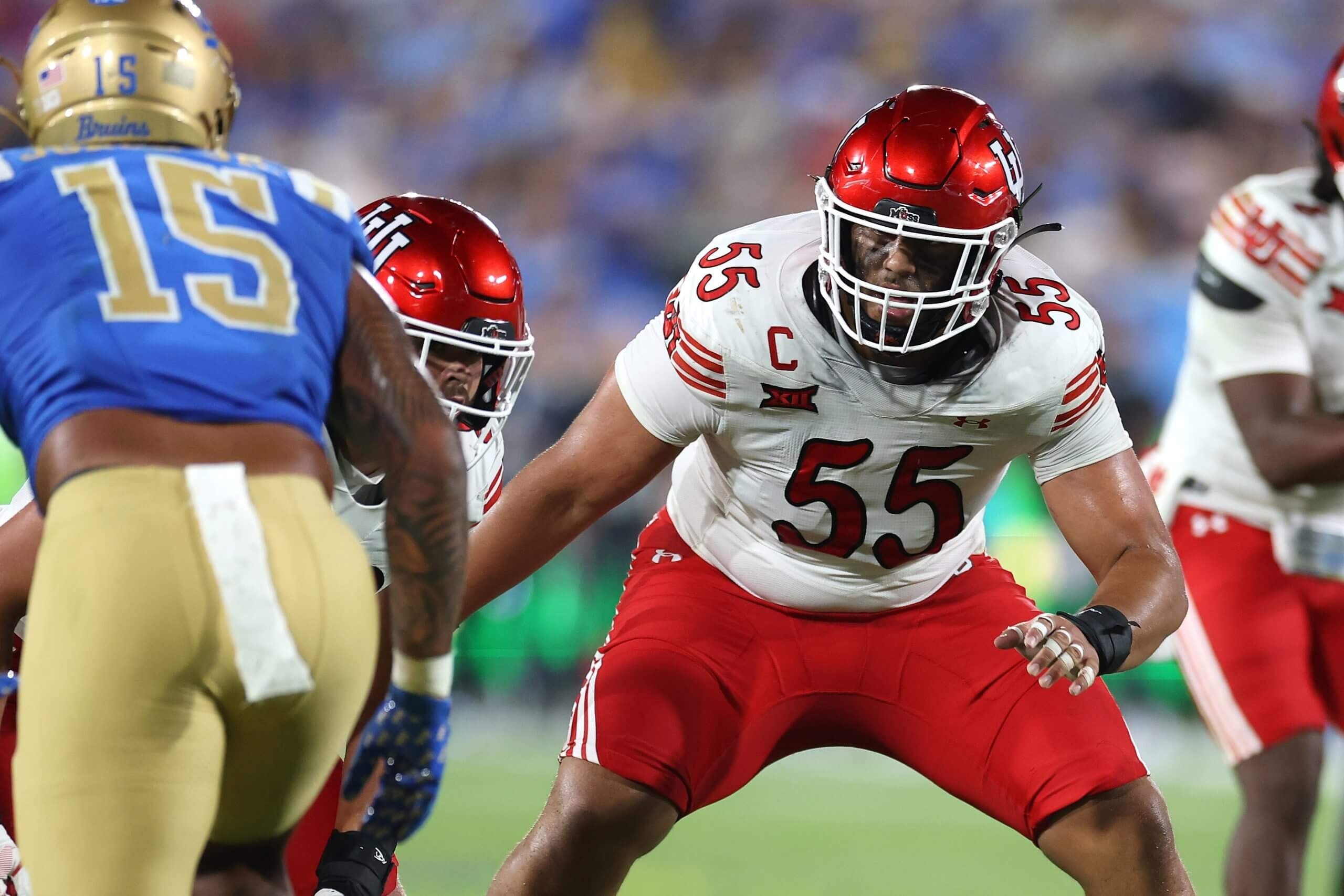
Utah tackle Caleb Lomu’s light frame has caused occasional run‑blocking setbacks, but his potential as a swing tackle could allow him to develop into a left‑tackle successor after Trent Williams retires.
UCF edge defender Malachi Lawrence possesses excellent length and occasional coverage ability, but his lower bend compared to other edge prospects may relegate him to Day 2 considerations.
Arizona State’s Max Iheanachor offers length and quick feet, yet his relative inexperience and right‑tackle background could delay his transition to a left‑guard or left‑tackle role.
Clemson edge rusher T.J. Parker blends power and speed, and after a strong Senior Bowl showing he could be taken by No. 27 or slide into the second round.
Missouri’s Zion Young, a 6‑5, 265‑pound edge rusher, produced 16.5 tackles for loss last season and would provide a natural bookend opposite Nick Bosa if selected.
Oklahoma edge player Mason Thomas lacks ideal measurables but compensates with a relentless first step and consistent quarterback pressure, making him a viable pick at No. 58.
Alabama wideout Germie Bernard may not possess elite speed, but his ability to line up anywhere, separate underneath, and block in the run game aligns with the 49ers’ offensive philosophy.
Louisville receiver Chris Bell combines size, strong hands, and acceleration, though a December ACL surgery creates uncertainty about his immediate readiness under Kyle Shanahan’s demanding system.
Auburn edge defender Keyron Crawford, comfortable both in coverage and as a pass rusher, offers upside due to limited SEC starting experience, suggesting room for growth.
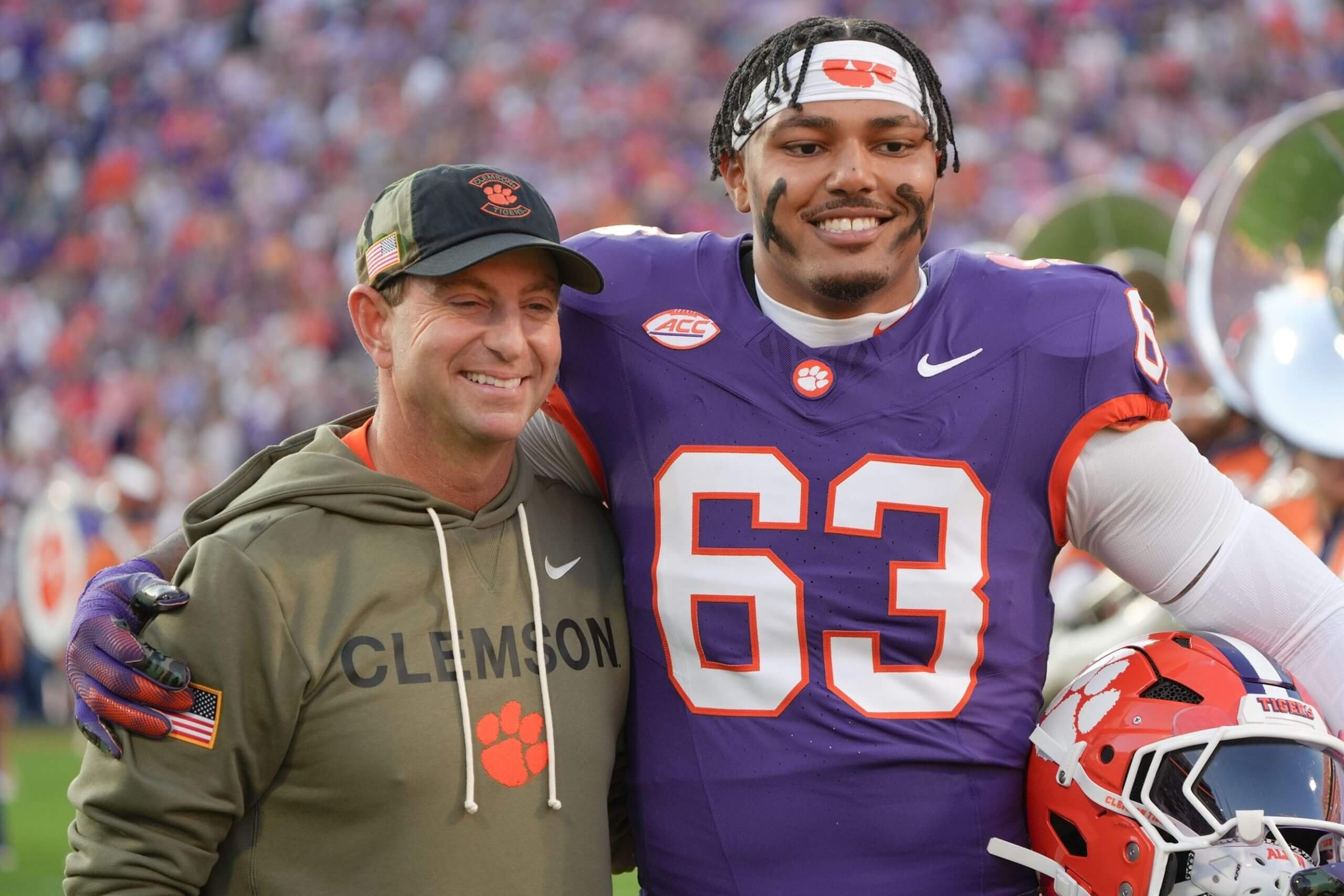
Clemson defensive tackle Peter Woods brings quickness, violent hands, and lateral movement, traits that are attractive even though interior line depth is not a pressing need for San Francisco.
Northwestern left tackle Caleb Tiernan’s durability—38 consecutive starts—makes him an intriguing candidate to begin at guard and later transition to tackle when an opening arises.
Illinois edge prospect Gabe Jacas was a popular second‑round mock pick among fans, yet the 49ers may hesitate to select a direct replacement for Mykel Williams a year after drafting him.
Georgia defensive tackle Christen Miller, noted for his length and quickness, could be a valuable addition if still available at No. 58, complementing the existing interior line talent.
Oregon guard Emmanuel Pregnon checks many boxes for size, length, and left‑guard experience, though the second round may be early for the 49ers to address that position.
Texas A&M guard Chase Bisontis excels in zone‑blocking techniques favored by the 49ers, yet shorter arms could limit his pass‑protection effectiveness, potentially shifting him to center.
Georgia Tech guard Keylan Rutledge’s well‑rounded skill set suits the movement‑based run‑blocking scheme, but his primary experience at right guard may misalign with the team’s left‑guard need.
Michigan edge player Jaishawn Barham, a former off‑the‑ball linebacker, offers violent hands and a 6‑3, 240‑pound frame that could translate to a pass‑rushing role despite size limitations.
Michigan’s Derrick Moore displays superior technique and a higher current ceiling, while Barham provides more explosiveness, giving the 49ers two distinct developmental paths.
Vanderbilt tight end Eli Stowers, a former quarterback, posted 386 yards after catch and recorded a 45.5‑inch vertical at the Combine, indicating upside as a receiving tight end.
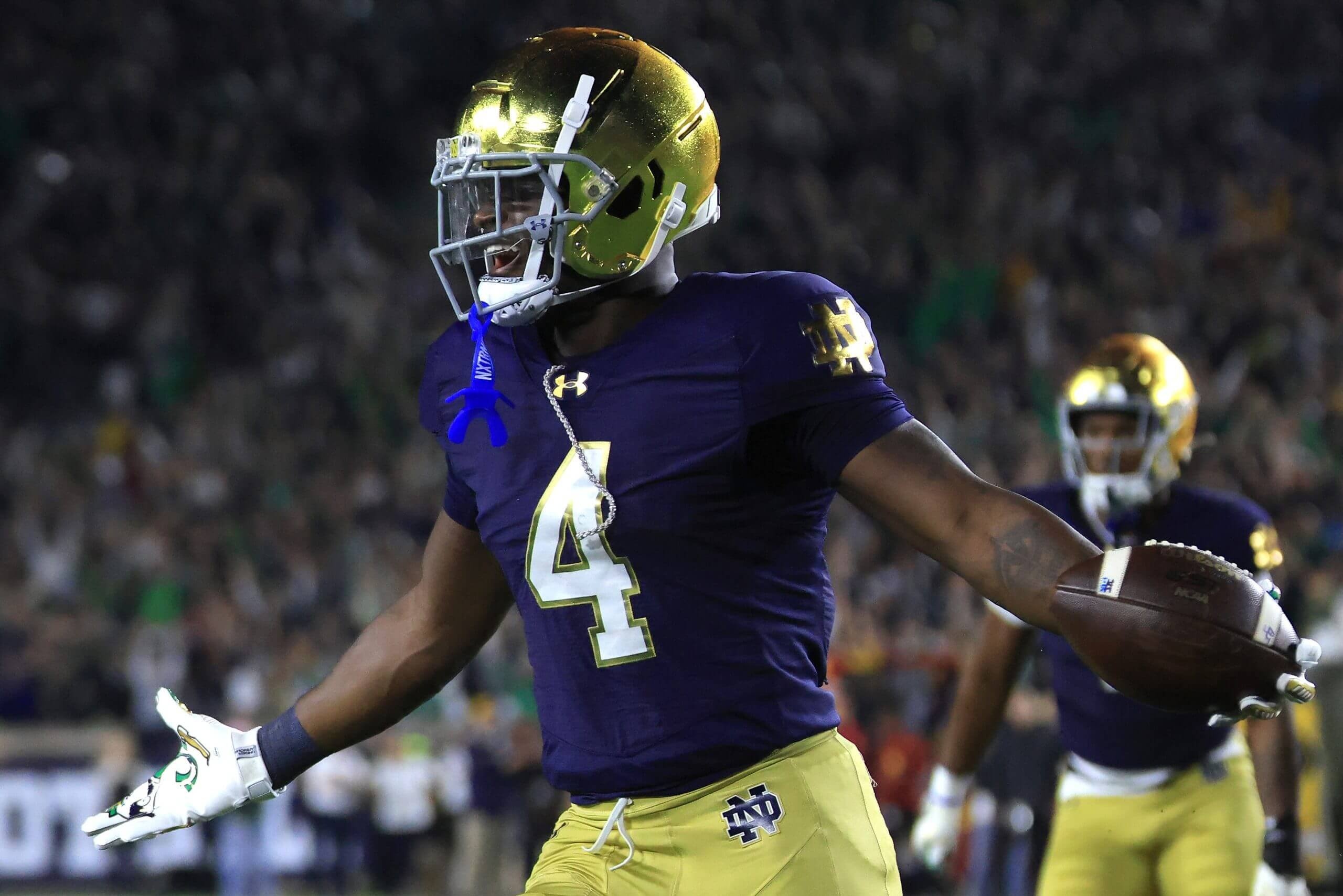
Notre Dame wide receiver Malachi Fields lacks the wiggle Shanahan prefers but offers size, body control, and potential as a power‑slot successor to Jauan Jennings.
Louisiana State safety A.J. Haulcy, at 215 pounds, blends strong safety size with free‑safety instincts, tallying eight interceptions over his last two seasons.
Notre Dame running back Jadarian Price, averaging nearly six yards per carry in 2025, is considered the draft’s second‑best runner and could be a surprise Day 2 selection.
Tennessee wideout Chris Brazzell II, a 6‑4, tall receiver, fits Shanahan’s preference for swivel‑hiped receivers, yet his lack of blocking experience may limit his immediate impact.
UConn receiver Skyler Bell, despite modest size, recorded over 800 yards after catch and handled a heavy target load, demonstrating toughness and determination valued by the 49ers.
Iowa State defensive tackle Domonique Orange, nicknamed “Big Citrus,” excels as a run‑game disruptor, and his presence at the pro day attracted attention from defensive line coach Kris Kocurek.
Ole Miss wide receiver De’Zhaun Stribling is a willing blocker with six touchdowns and over 800 receiving yards in each of the past two seasons, traits that align with Shanahan’s offensive concepts.
Stanford tight end Sam Rousz, a polished blocker with limited route‑running ability, presents a contrasting profile to most Day 2 tight ends, potentially fitting a power‑slot role.
Clemson wide receiver Antonio Williams, a fluid route runner who also returns punts, matches Shanahan’s historical receiver preferences, adding special‑teams versatility.
South Carolina cornerback Brandon Cisse offers elite closing speed and solid coverage fundamentals, though a second‑round cornerback selection is unlikely for the 49ers.
Iowa guard Gennings Dunker, an old‑school power lineman who allowed zero sacks at right tackle, projects well inside at guard, fitting the 49ers’ appreciation for Iowa‑produced talent.
Indiana wide receiver Elijah Sarratt, nicknamed “Waffle House” for his constant availability, utilizes size and body control to make tough catches despite lacking elite speed.
Georgia receiver Zachariah Branch, a Cliff Branch great‑nephew, combines slot‑receiver explosiveness with punt‑return ability, though recent legal issues may affect his draft status.
Georgia State wideout Ted Hurst, a 6‑4 speedster with a limited route tree, offers significant upside that could translate to a sleeper pick for teams willing to develop his skill set.
Boston College tackle Jude Bowry, a 6‑5 lineman with 11‑inch hands and experience at both tackle spots, may be a solid Day 3 pick who can develop behind Trent Williams.
University of Texas guard Brian Parker II, with experience at right tackle and center, could compete for interior line roles early and potentially become a starting center when Jake Brendel departs.
Texas A&M tackle Dametrious Crownover, a 6‑7 lineman with 36‑inch arms, showcased his length at the Senior Bowl and could serve as a developmental left‑tackle prospect.
Kansas State safety VJ Payne, a smaller‑framed player, would join former teammate Marques Sigle in a competition with Malik Mustapha and Ji’Ayir Brown for defensive back depth.
Missouri defensive tackle Chris McClellan, a big‑bodied defender with “bear‑claw” hands, fits the aggressive interior style that Kocurek values for the 49ers’ defensive front.
Texas A&M tight end Nate Boerkircher, after five seasons at Nebraska and a productive year at Texas A&M, offers a blend of inline blocking and receiving ability for depth.
North Dakota State wide receiver Bryce Lance, a “Freaks List” alum with a 4.34‑second 40‑yard dash and 21‑yard reception average, could address the 49ers’ need for a deep‑stretch threat.
Georgia tight end Oscar Delp, reminiscent of former 49ers pick Charlie Woerner, can line up in multiple formations, including the backfield, aligning with Shanahan’s versatile usage.
Oklahoma wide receiver Deion Burks, despite his small stature, showcases effective jet‑sweep balance and contact ability, traits that could earn him a late‑fourth‑round selection.
Oklahoma defensive tackle Gracen Halton, a 292‑pound player with a 4.82‑second 40, delivers explosive interior play and cultural fit for Kocurek’s aggressive defensive philosophy.
Kentucky guard Jalen Farmer, possessing 34¼‑inch arms and power‑blocking experience, offers the athleticism to transition to zone‑blocking concepts preferred by the 49ers.
Michigan defensive tackle Rayshaun Benny, known for a quick first step, may lack production but provides a developmental option for Day 3 selection.
Baylor tight end Michael Trigg, while limited as a blocker and in traffic catching, can make big‑play catches and serve as a “power slot” tight end in Shanahan’s offense.
Boise State guard Kage Casey, a 6‑6, 310‑pound former left tackle, projects as a guard or center, offering positional flexibility for the 49ers’ interior line.
USC wide receiver Ja’Kobi Lane, with wizard‑like catches and a 6‑4 frame, presents a red‑zone threat despite limited burst, making him a plausible mid‑Day 3 pick.
Oregon guard Alex Harkey, a right tackle transitioning to guard, received a formal visit from the 49ers, indicating genuine interest in his skill set.
Navy’s Eli Heidenreich, a hybrid running back/receiver, displayed strong performance at the East‑West Shrine Bowl and could appeal to Shanahan’s desire for versatile skill players.
| Round | Pick(s) | Position(s) Targeted |
|---|---|---|
| 1 | 27 | Edge, TE, WR, OT |
| 2 | 58 | Edge, DT, G |
| 3‑4 | Various | OT, G, TE, WR |
The 49ers’ historical drafting pattern often postpones offensive‑line upgrades, preferring to address immediate needs elsewhere before tackling left‑guard and left‑tackle vacancies.
Nevertheless, the depth of the current board, featuring players like Kadyn Proctor and Caleb Tiernan, suggests the organization is prepared to make strategic moves to secure future interior line talent.