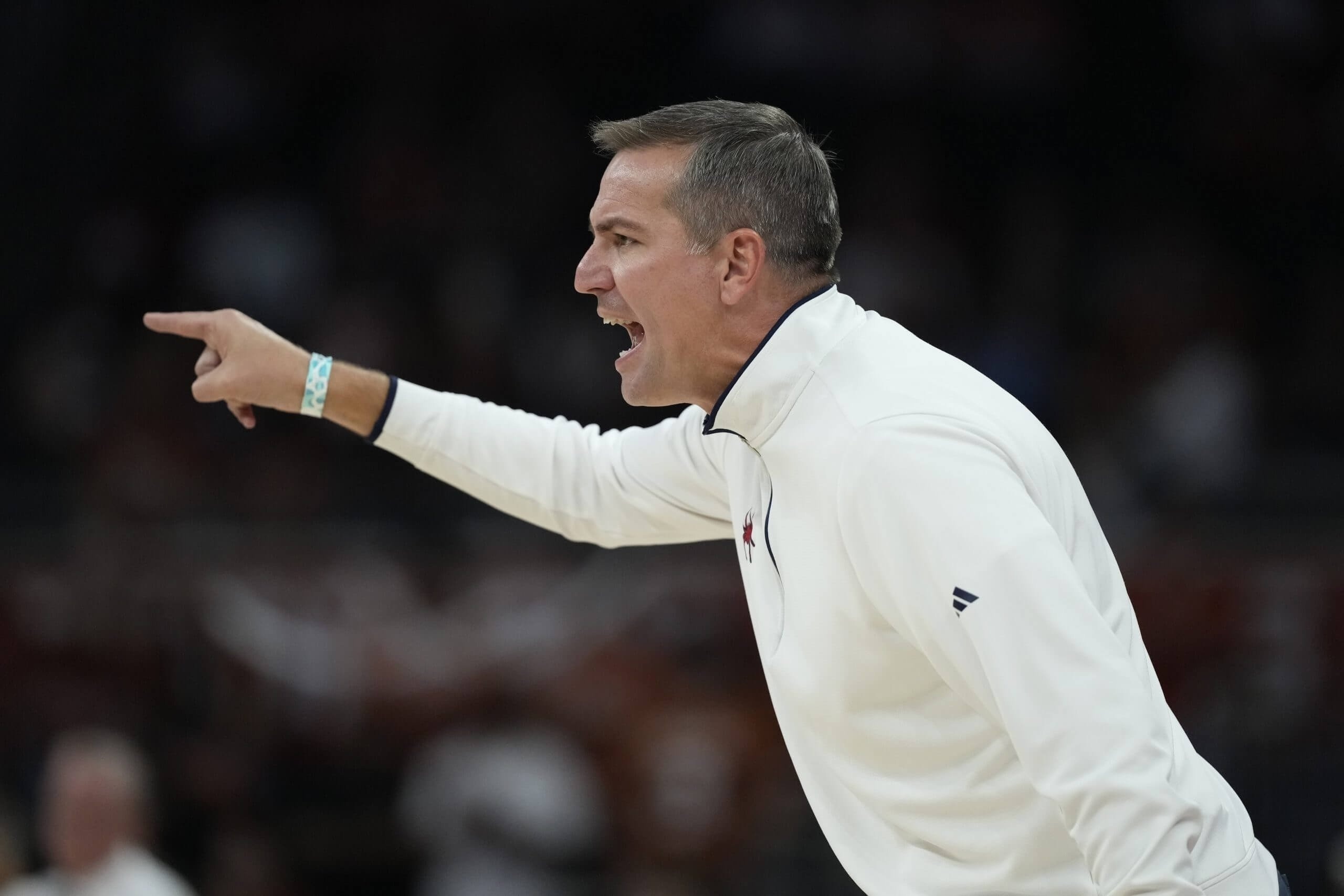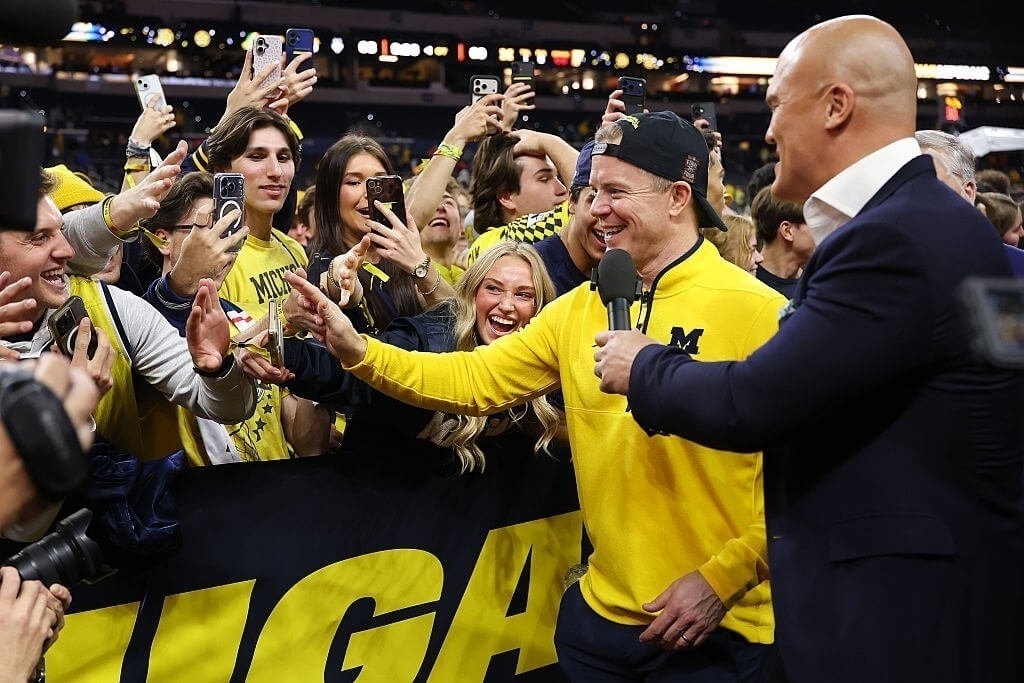
UNC hires Michael Malone to 6‑year, $50M deal – 2nd highest‑paid coach
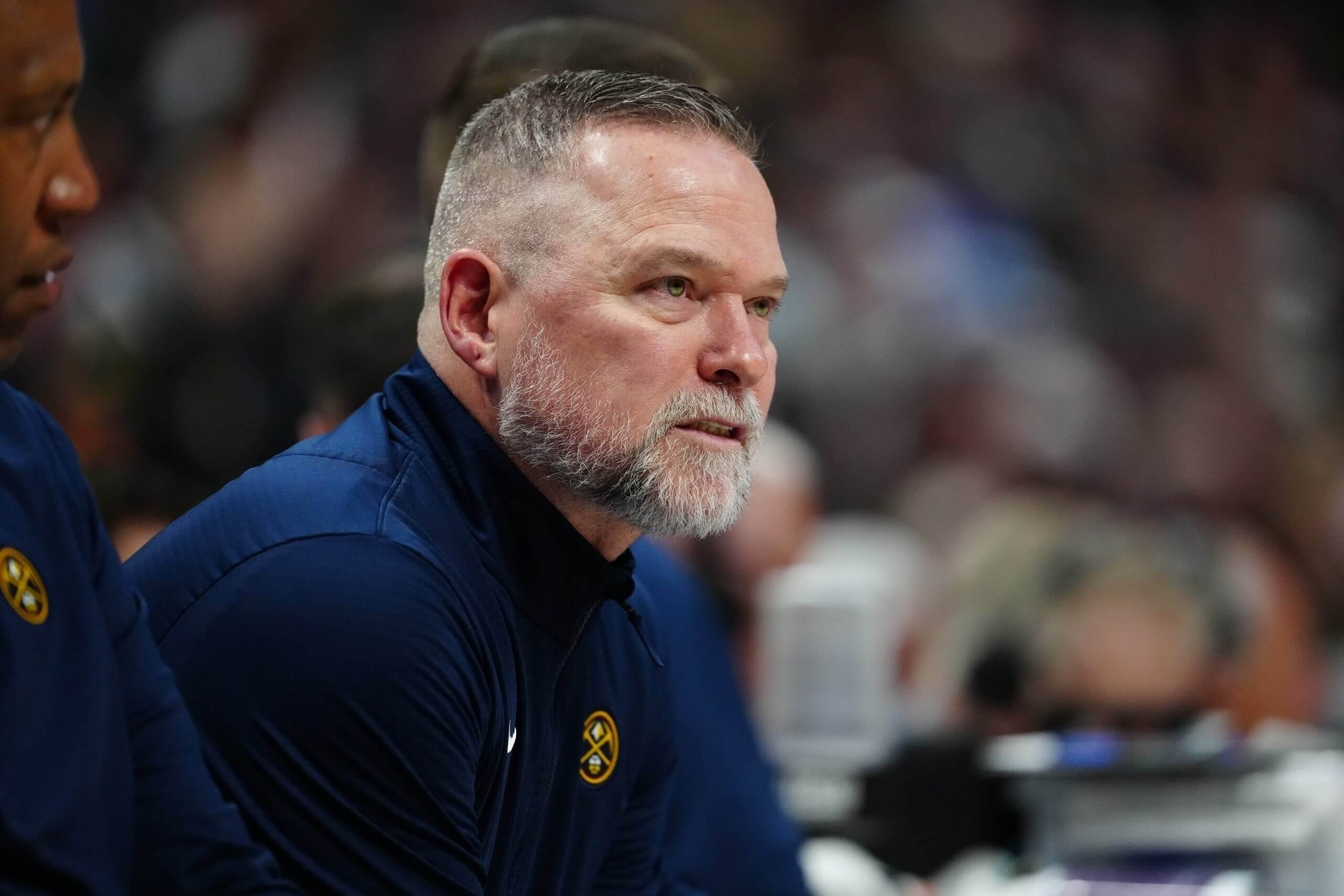
North Carolina’s men’s basketball program announced a landmark hiring on Tuesday, signing former Denver Nuggets head coach Michael Malone to a six‑year, $50 million contract. The deal makes Malone the second‑highest paid coach in college basketball, trailing only Kansas’ Bill Self, and signals the Tar Heels’ intent to re‑establish themselves at the apex of the sport.
Malone, 54, will receive $7.5 million in his inaugural season, a figure that rises each year to reach $9 million by the final year of the agreement. This is the first time Malone will coach at the collegiate level since serving as an assistant at Manhattan in 2001, marking a dramatic return to the college ranks after winning the 2023 NBA championship with Denver.
The contract includes cumulative annual bonuses that could total $1.475 million, tied to specific achievements such as NCAA Tournament performance, ACC regular‑season titles, ACC tournament victories, and individual coaching awards. Each ACC regular‑season and tournament championship will trigger a $100,000 bonus, adding a performance‑based incentive to the already sizable base salary.
Beyond salary, UNC has committed at least $6.75 million per year in revenue‑sharing funds that will flow directly to the basketball program. Those funds are intended to augment the roster budget, which stood at approximately $16 million last season, according to sources familiar with the negotiations.
Industry insiders project that the Tar Heels will allocate $10‑12 million toward competitive spending for the upcoming season, meaning the revenue‑sharing pool will cover a substantial portion of the expected payroll. This financial foundation positions UNC to pursue top‑tier talent in both recruiting and the transfer market.
Malone will also control a $4 million salary pool for his assistant coaches and staff, one of the largest such pools in the nation. The head coach is expected to retain former Tar Heel players Sean May and Patrick Sullivan, who served on Hubert Davis’ staff, providing continuity and deep ties to the Chapel Hill community.
The assistant‑coach compensation package dwarfs the resources available to Davis in his final season, underscoring the university’s willingness to invest heavily in coaching infrastructure. The increased staff budget is likely to aid in scouting, player development, and game‑plan preparation, all critical components of a successful program.
UNC’s buyout structure mirrors that of elite college coaches, beginning at $8 million if Malone departs before April 1, 2027, and decreasing by $1.5 million each subsequent year. Should the university elect to terminate the contract early, it would owe Malone 80 percent of the remaining balance, a clause that further secures the coach’s financial position.
Malone’s hiring follows a rapid shift in the coaching market after top college candidates Tommy Lloyd and Dusty May withdrew from consideration, leaving UNC as the primary destination for the NBA veteran. Multiple sources indicated Malone was in talks for several NBA openings before committing to the Tar Heels.
The contract’s scale is reminiscent of the financial incentive UNC offered Bill Belichick when the football program secured the six‑time Super Bowl‑winning head coach in December 2024. Both deals illustrate the university’s broader strategy of leveraging deep pockets to attract premier coaching talent across its major sports.
Historically, UNC has been a powerhouse in college basketball, boasting 11 national championships and a legacy of producing NBA talent. However, the program has experienced a relative decline in recent years, culminating in the dismissal of Hubert Davis on March 24 after five seasons.
Under Davis, the Tar Heels posted a 115‑55 overall record but failed to capture an ACC title, prompting the administration to seek a change in direction. The hiring of Malone is intended to reverse that trend and restore the program to conference dominance.
From a tactical perspective, Malone brings an NBA‑level emphasis on pace, space, and three‑point shooting, concepts that have transformed modern college offenses. His Denver teams were known for efficient transition play and versatile lineups, a philosophy that could translate well to the collegiate environment.
Malone’s experience managing star players such as Nikola Jokić and Jamal Murray suggests he can develop high‑caliber talent and integrate them into a cohesive system. The Tar Heels’ current roster features a blend of experienced upperclassmen and highly rated freshmen, providing a foundation for Malone’s system.
Key players entering the 2026‑27 season include senior guard Caleb Miller, who averaged 15.2 points per game last year, and sophomore forward Jamal Harris, a two‑way player averaging 8.7 points and 6.3 rebounds. Their skill sets align with Malone’s preference for versatile, multi‑position athletes.
Recruiting analyst data shows UNC secured the No. 11 class nationally in the 2025 cycle, featuring four four‑star recruits. With Malone’s NBA pedigree, the program is expected to climb higher in future recruiting rankings, attracting elite prospects seeking professional‑style development.
The ACC landscape remains competitive, with Duke, Virginia, and Miami all fielding strong squads. A table below summarizes the projected ACC standings for the 2026‑27 season based on current roster evaluations and coaching changes.
| Team | Projected Wins | Projected Losses |
|---|---|---|
| North Carolina | 14 | 4 |
| Duke | 13 | 5 |
| Virginia | 12 | 6 |
| Miami | 11 | 7 |
Financially, the Tar Heels’ commitment to Malone reflects broader trends in college athletics, where elite programs are increasingly willing to allocate NBA‑level salaries to secure top coaching talent. This escalation raises questions about competitive balance across the NCAA.
Other Power Five schools have responded with their own salary hikes; for example, Kentucky recently extended its head coach to a $45 million, eight‑year deal. The arms race in coaching compensation underscores the high stakes associated with winning conference titles and deep NCAA Tournament runs.
Malone’s contract also includes performance‑based revenue sharing, a model that aligns coach incentives with the university’s broader financial health. By tying a portion of the coach’s compensation to program revenue, UNC aims to ensure that investment translates into measurable returns, such as increased ticket sales, merchandise, and media rights.
From a compliance standpoint, the deal adheres to NCAA regulations regarding permissible benefits, as the revenue‑sharing component is structured as a legitimate share of program earnings rather than an improper inducement. The university consulted with legal counsel to ensure full compliance.
Looking ahead, Malone’s first recruiting class will be critical in establishing his footprint. The coach has indicated an interest in targeting versatile wing players who can defend multiple positions, a hallmark of his NBA coaching style.
In addition to on‑court responsibilities, Malone will likely assume a prominent role in alumni relations and fundraising, leveraging his championship pedigree to engage donors. The Tar Heels’ athletic department anticipates a boost in contributions tied to the heightened visibility of the program.
Overall, UNC’s $50 million investment in Michael Malone represents a bold strategic move aimed at restoring the Tar Heels to national prominence. The combination of a lucrative salary, substantial bonuses, revenue‑sharing funds, and a sizable assistant‑coach pool provides Malone with the resources necessary to compete at the highest level.
Whether the financial outlay translates into ACC titles and deep NCAA Tournament runs will be judged in the coming seasons, but the contract sets a new benchmark for compensation in college basketball. The Tar Heels have signaled that they are prepared to pay a premium to achieve their historic standards.