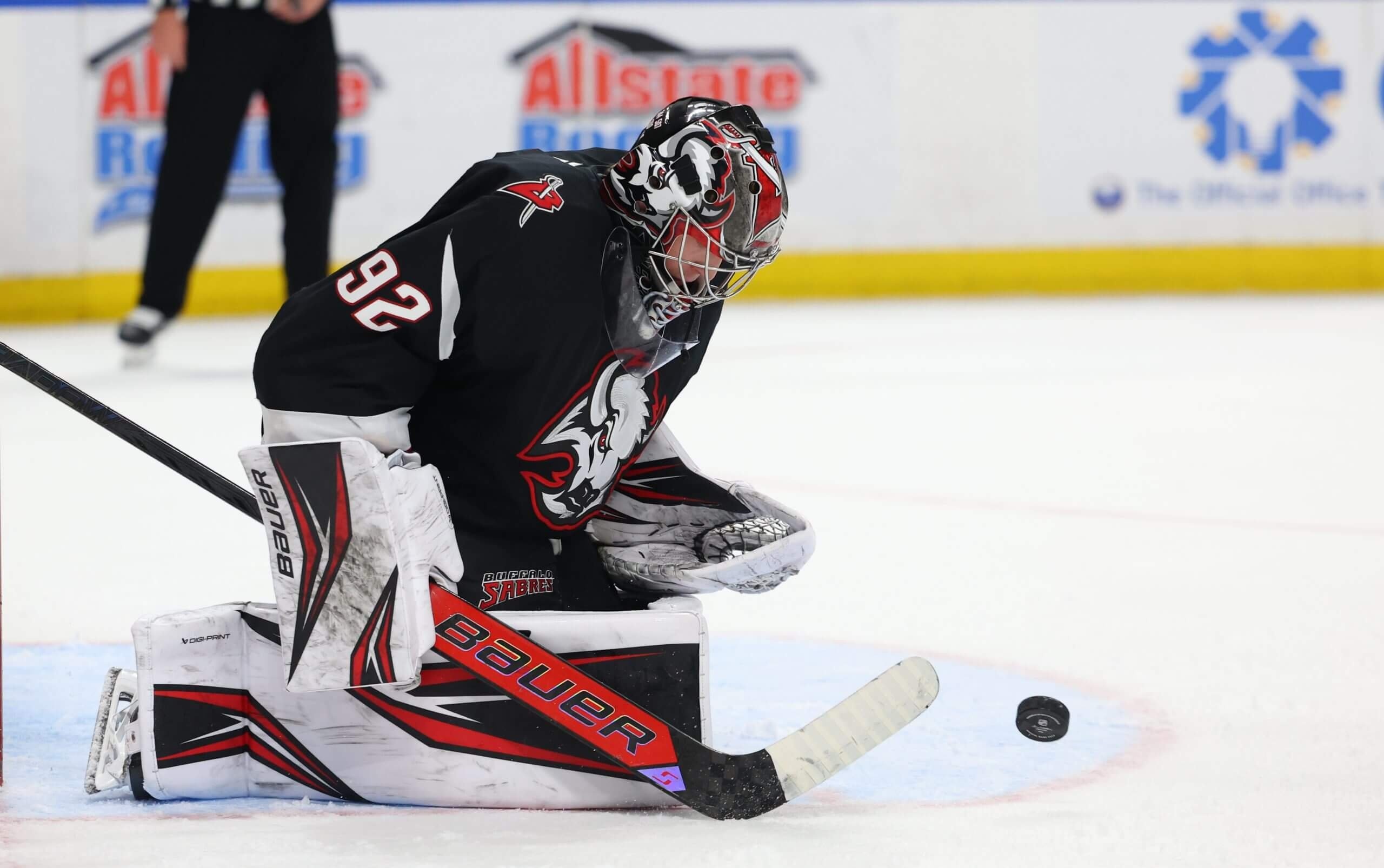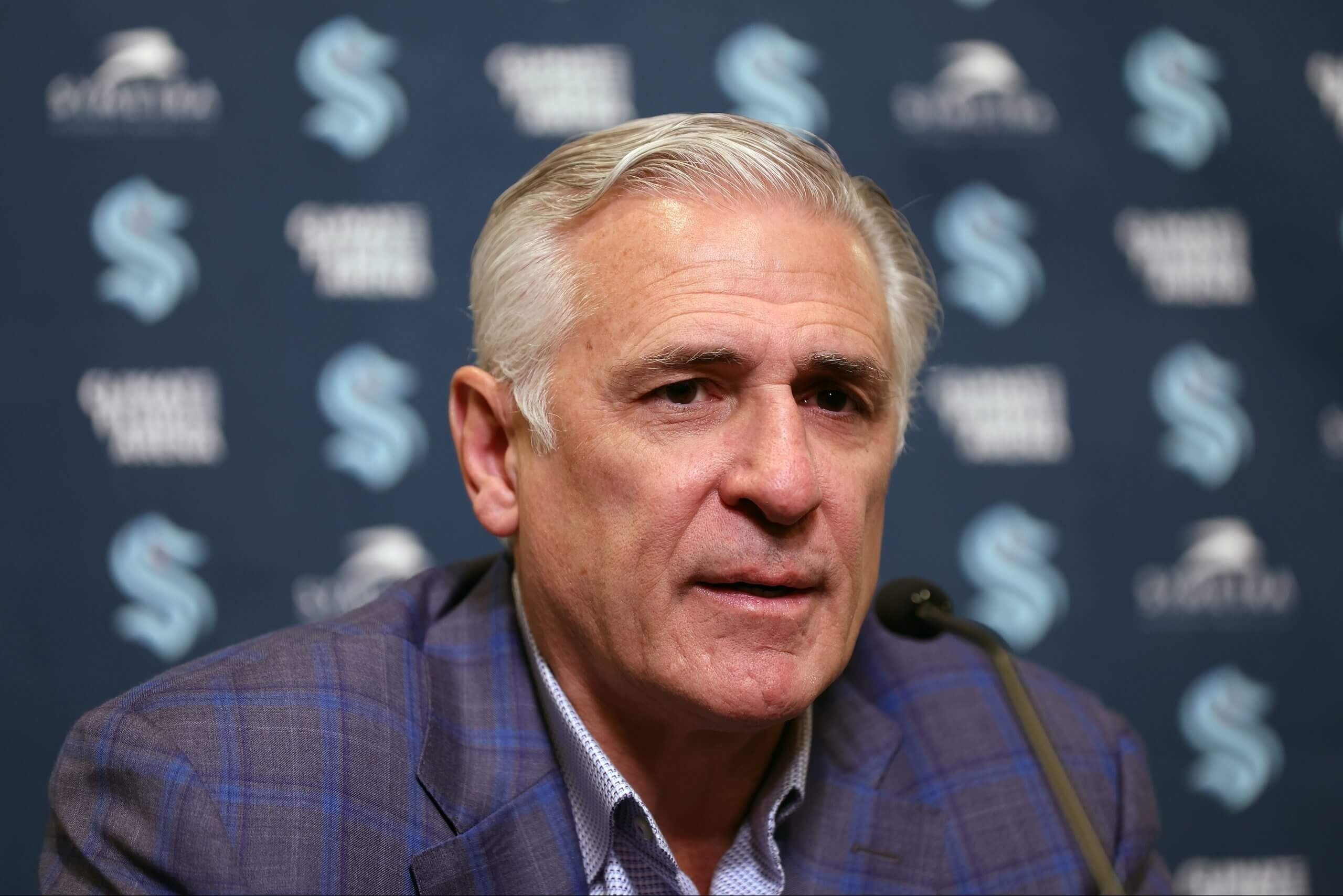
Superstar Oilers teammate considers Jason Dickinson "invaluable" Game 1 showed why
Jason Dickinson entered the Rogers Place arena on Monday night with a familiar feeling of anticipation, yet this time the roar of more than 18,000 fans underscored the significance of the moment.
The Oilers’ 4‑3 victory over the Anaheim Ducks in Game 1 of the Western Conference semifinals highlighted Dickinson’s immediate impact, as he opened the scoring and later supplied the tying goal in the third period.
Born in Mississauga, Ontario, Dickinson was drafted 29th overall by the Dallas Stars in the 2014 NHL Entry Draft and developed a reputation as a defensively responsible third‑line center.
His early career featured two playoff appearances with Dallas, including a 27‑game run in the 2020 “bubble” postseason that tied an NHL record for most games played by a single team in one postseason.
During that 2020 run the Stars advanced to the Stanley Cup Final, but the experience occurred largely in empty arenas, offering Dickinson a taste of postseason intensity without the typical fan atmosphere.
Following Dallas’s failure to qualify for the 2020‑21 playoffs, Dickinson was traded to the Vancouver Canucks as part of a maneuver to protect assets ahead of the Seattle Kraken expansion draft.
His tenure in Vancouver was brief; the Canucks missed the 2021‑22 playoffs by five points, leaving Dickinson without a postseason appearance for the second consecutive year.
The next season saw him join the Chicago Blackhawks, a franchise deliberately rebuilding and positioned to lose games in order to accumulate draft capital.
In Chicago, Dickinson flourished offensively, posting a career‑high 22 goals and 41 points in the 2022‑23 campaign, while maintaining his defensive responsibilities.
Despite his production, the Blackhawks finished last in the Central Division, underscoring the disparity between individual performance and team success.
In early March 2024, the Edmonton Oilers, grappling with a strained goaltending situation and a cap‑tight roster, acquired Dickinson and prospect Colton Dach from Chicago in exchange for winger Andrew Mangiapane and a conditional first‑round pick.
The Oilers’ front office viewed Dickinson as a reliable middle‑line option who could contribute defensively and provide occasional scoring, fitting the team’s need for depth ahead of a postseason run.
After the trade, Dickinson recorded a single goal in 17 regular‑season games, a modest output that belied his potential role in high‑stakes situations.
His season was further hampered by an injury sustained against the San Jose Sharks, where a blocked shot forced him to miss the final three regular‑season contests.
Returning to practice on the morning of Game 1, Dickinson appeared physically ready, but the true test was his mental preparation for his first playoff appearance in five years.
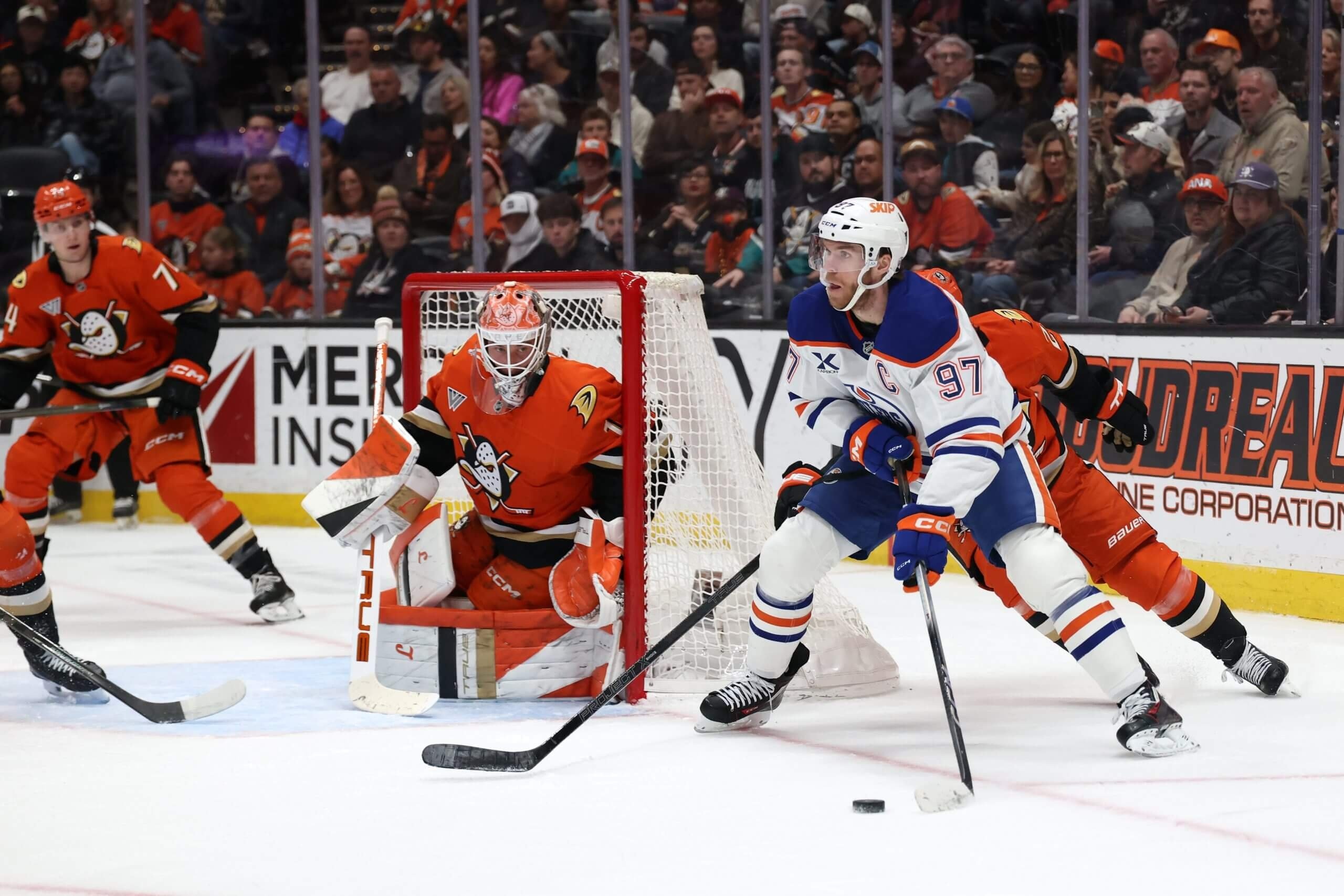
Leon Draisaitl, a two‑time Hart Trophy winner and Oilers’ captain, praised Dickinson’s perseverance, stating that players like him are “invaluable to a team.”
Draisaitl’s comments reflected the Oilers’ broader philosophy that depth scoring is essential when star players cannot carry the entire load.
Kasperi Kapanen, who scored twice including the game‑winner, epitomized the Oilers’ “next‑man‑up” approach, having contributed eight goals in 41 regular‑season games.
The winning goal came from a one‑timer off a pass by rookie forward Vasily Podkolzin, beating Ducks goaltender Lukáš Dostál glove side with just under two minutes remaining.
Dickinson’s first goal arrived early in the first period after receiving an in‑stride pass from defenseman Jake Walman, allowing him to maneuver past Dostál and finish with a clean backhand.
The tying goal materialized at the 8:30 mark of the third period when Dickinson capitalized on a rebound off Mattias Ekholm’s shot that had been deflected by Dostál.
Both goals demonstrated Dickinson’s ability to read the play, position himself effectively in the offensive zone, and execute under pressure.
Statistically, Dickinson logged a +1 plus‑minus rating in the game, while recording 12:34 of ice time, two shots on goal, and one face‑off win out of three attempts.
His defensive contributions included a blocked shot and a successful backcheck that helped the Oilers regain momentum after a second‑period slump.
The Oilers’ overall line combinations shifted throughout the game, with Dickinson centering a third line that paired Kapanen on the wing and Ekholm on defense, a unit that emphasized two‑way play.
Tactically, Edmonton’s coach utilized a forecheck designed to pressure the Ducks’ neutral zone, allowing Dickinson’s line to force turnovers and generate quick transitions.
On the Ducks side, Lukáš Dostál’s 33 saves highlighted his strong performance, yet the defensive breakdowns in the third period proved costly.
The victory gave Edmonton a 1‑0 series lead, positioning the Oilers to potentially leverage home‑ice advantage in the upcoming games.
Beyond the immediate win, Dickinson’s performance may influence Edmonton’s roster decisions, as his blend of defensive reliability and timely scoring aligns with the team’s long‑term depth strategy.
In the broader Western Conference landscape, the Oilers’ ability to rely on third‑line contributors could prove decisive against rivals such as the Colorado Avalanche and the Dallas Stars.
League standings at the time of the series show the Oilers holding the second seed in the West with 106 points, while the Ducks sit fifth with 92 points, reflecting a notable gap in regular‑season performance.
| Team | Points | Conference Rank |
|---|---|---|
| Edmonton Oilers | 106 | 2nd West |
| Anaheim Ducks | 92 | 5th West |
Dickinson’s post‑game remarks emphasized the emotional weight of playing before a full crowd, noting that he took deep breaths to “come back down to earth” after the national anthems.
He reflected on the years of training, injuries, and sacrifices, asserting that moments like these validate the hardships endured throughout his career.
Looking ahead, the Oilers will aim to maintain their defensive structure while integrating Dickinson’s energy into subsequent games, particularly as they anticipate tougher opposition.
The Ducks, meanwhile, must address their defensive lapses that allowed two third‑period goals, a factor that could determine the outcome of the series if not corrected.
For Dickinson, the playoff debut may serve as a catalyst for future contributions, reinforcing his role as a dependable middle‑line asset in high‑pressure environments.
His journey—from early playoff exposure in a pandemic bubble to a five‑year hiatus and now a decisive Game 1 performance—illustrates the unpredictable nature of professional hockey careers.