Edmonton Oilers vs Anaheim Ducks 2026 Stanley Cup Playoffs Preview: McDavid, Offensive Showdown, First-Round Matchup
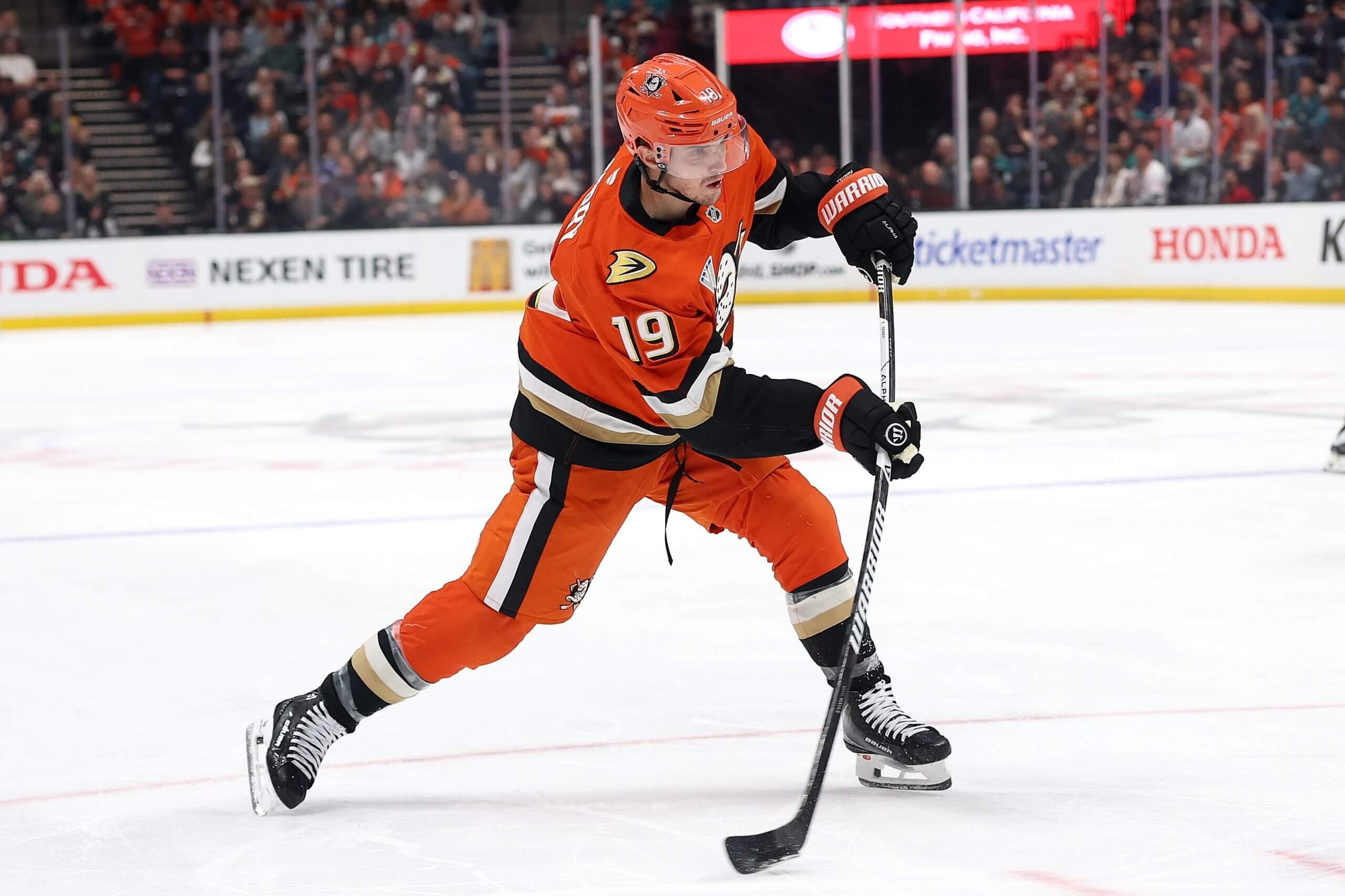
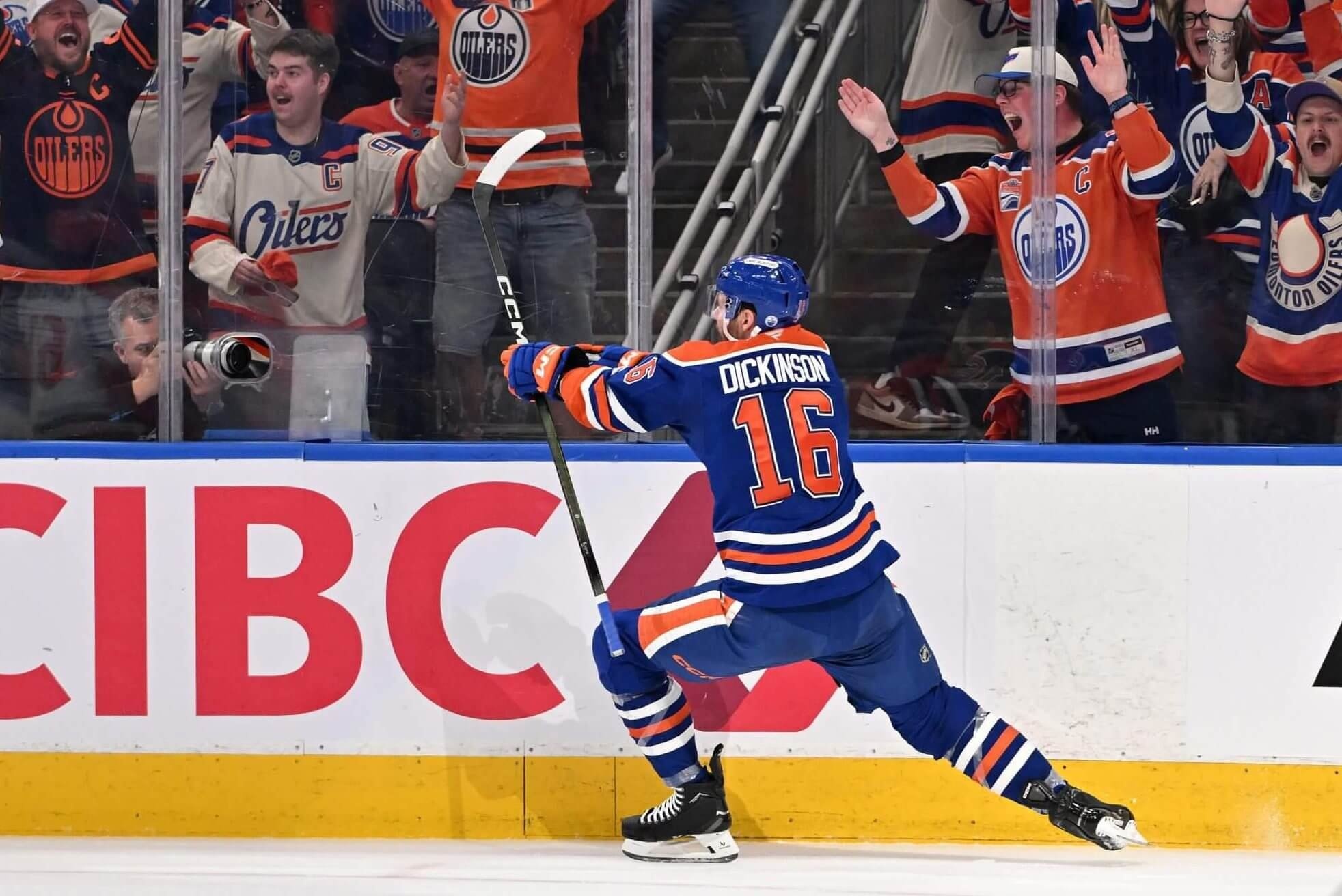
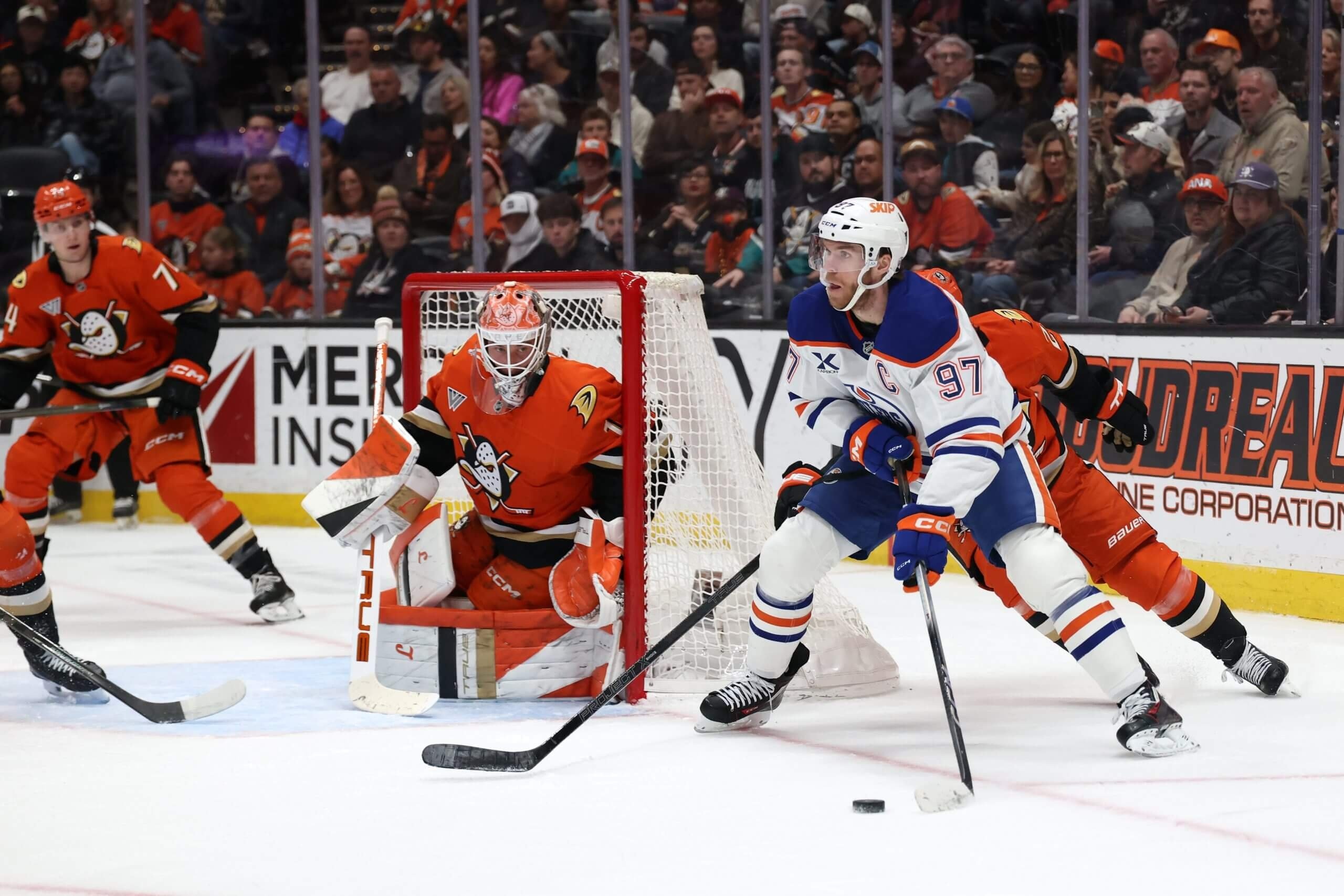
The Edmonton Oilers and Anaheim Ducks meet in the 2026 Stanley Cup Playoffs first round, pitting Edmonton's back-to-back Finals experience against Anaheim's first postseason appearance in eight years. Connor McDavid's historic offensive production faces a Ducks team that relies on rush threats and shootout-inflated standings, while both squads enter with potent attacks and vulnerable defensive structures. Anaheim's challenge centers on containing McDavid, who recorded seven points in three regular-season meetings, while Edmonton seeks to leverage its league-leading power play against a penalty kill that has struggled for consistency.
The Edmonton Oilers and Anaheim Ducks commence their 2026 Stanley Cup Playoffs first-round series with contrasting postseason pedigrees and complementary offensive philosophies. Connor McDavid leads Edmonton into a matchup that replaces the defensive grinding of previous Los Angeles Kings series with a high-tempo contest against an emerging Anaheim squad built on speed and transition scoring.
Edmonton enters as the heavy favorite after consecutive Stanley Cup Final appearances, while Anaheim makes its first playoff appearance in eight years following a season defined by young player development and opportunistic results. The Oilers' 40-goal superior differential over the Ducks provides statistical justification for favored status despite Anaheim finishing only one point behind in the standings.
Anaheim's 8-0 shootout record during the regular season inflated its point total without reflecting underlying performance metrics that lagged behind other playoff qualifiers. The postseason format eliminates shootouts, forcing the Ducks to rely on five-on-five execution against an opponent that has gained momentum at a critical juncture.
Both franchises possess offensive strengths that align with defensive vulnerabilities, creating potential for high-scoring, chaotic contest outcomes throughout the series. Anaheim generated the league's third-best expected goals rate while creating quality chances through rush attacks and cycle play, though actual scoring output remained closely matched with Edmonton's production.
The Ducks increased shot volume and scoring chance creation following the Olympic break, demonstrating offensive growth that complements their youthful roster development. Edmonton's top-six forwards produce elite offensive results, though secondary scoring contributions have not consistently matched the production levels of the team's star players.
Anaheim's defensive structure has struggled throughout the season, placing significant pressure on goaltenders Lukáš Dostál and John Gibson to mitigate high-danger chances against. Edmonton experienced similar defensive inconsistencies but showed measurable improvement after Paul Coffey joined the coaching staff behind the bench in late February.
| Team | Regular Season Goal Differential | Key Playoff Factor |
|---|---|---|
| Edmonton Oilers | +40 vs Anaheim | League-leading power play efficiency |
| Anaheim Ducks | 8-0 shootout record | Rush offense and transition scoring |
| Edmonton Oilers | Improved defense post-Coffey arrival | McDavid's 138-point regular season |
| Anaheim Ducks | 2.81 expected goals against per 60 | Dostál's goaltending performance |
| Edmonton Oilers | Top power play conversion rate | Back-to-back Finals experience |
| Anaheim Ducks | Fourth-most goals allowed per 60 (2.93) | First playoff appearance since 2018 |
Short-handed situations present challenges for both teams, though Edmonton has demonstrated more reliable goaltending during penalty kill scenarios since the midseason break. Anaheim's penalty kill unit lacks structural stoutness while experiencing inconsistent netminding that could prove costly against Edmonton's league-leading power play unit.
The Oilers led the NHL in both expected and actual power play scoring during the regular season, providing a significant special teams advantage in playoff competition. Anaheim generates power play opportunities but lacks the conversion consistency required to capitalize against elite opposition in high-leverage postseason moments.
Anaheim's primary strategic challenge involves constructing a defensive framework capable of limiting Connor McDavid's impact without compromising overall team structure. The Ducks' season represented meaningful progress with playoff qualification and continued development of promising young talent, though defensive metrics remain a concern against elite offensive opposition.
Greg Cronin's tenure saw Anaheim struggle defensively on a year-over-year basis, while Joel Quenneville's coaching has produced similar results in managing the team's own-zone performance. The 2024-25 season featured the league's worst expected goals against average at 3.05, a statistic partially mitigated by strong goaltending from Dostál and Gibson.
This season's defensive metrics showed modest improvement with a 2.81 expected goals against average, though Anaheim avoided last-place standing primarily due to struggles experienced by Vancouver and Chicago franchises. Per-60 minute statistics at five-on-five reveal Anaheim allows the ninth-most shots (27.4), eighth-most attempts (59.2), and fourth-most actual goals (2.93) in the league.
Connor McDavid recorded two goals and five assists across three regular-season meetings with Anaheim, all produced at even strength during standard gameplay situations. These performance indicators suggest McDavid has historically exploited Anaheim's defensive vulnerabilities, creating concerns about containment strategies for the postseason series.
Anaheim's realistic objective involves accepting McDavid's likely offensive production while limiting supporting cast contributions that could amplify Edmonton's scoring advantage. Historical precedent demonstrates that containing McDavid alone often proves insufficient when facing the Oilers' broader offensive ecosystem and special teams proficiency.
Edmonton's recent momentum and postseason experience provide tactical advantages against a Ducks team navigating its first playoff environment in nearly a decade. The series outcome likely hinges on Anaheim's ability to elevate defensive execution beyond regular-season standards while Edmonton seeks to maintain offensive consistency against increased postseason intensity.
Goaltending performance represents a critical variable for both franchises, with Dostál's regular-season heroics requiring postseason replication against Edmonton's high-powered attack. Edmonton's netminders face pressure to maintain improved form while supporting a defensive structure that has shown progress but remains susceptible to high-quality scoring chances.
The geographical familiarity of Southern California travel provides no competitive advantage for Edmonton, though the stylistic shift from defensive matchups to offensive showcase creates different preparation requirements. Both teams possess the scoring capability to win games through offensive outbursts, though defensive reliability typically determines postseason advancement success.
Anaheim's achievement in reaching the playoffs warrants recognition regardless of series outcome, as franchise development trajectories prioritize sustainable competitiveness over immediate championship contention. Edmonton's championship window remains open with McDavid in his prime, creating urgency to convert regular-season dominance into postseason trophy acquisition.
Special teams execution will likely influence series momentum, with Edmonton's power play proficiency testing Anaheim's penalty kill resilience throughout multiple game situations. The Ducks must generate consistent five-on-five scoring while minimizing defensive zone turnovers that fuel Edmonton's transition offense and counterattacking opportunities.
Coaching adjustments and in-series tactical evolution will determine which franchise better adapts to postseason intensity and opponent-specific game planning requirements. The Oilers-Ducks matchup promises entertaining hockey with offensive fireworks, though championship aspirations demand defensive commitment that separates contenders from participants.