Anaheim Ducks vs Edmonton Oilers 2026 Stanley Cup Playoffs Preview: Defensive Concerns, Young Scorers, and McDavid Matchup
The Anaheim Ducks conclude their regular season with a 5-4 victory over the Nashville Predators, securing their first Stanley Cup Playoffs berth in eight years while acknowledging significant concerns about their postseason readiness. Coach Joel Quenneville emphasized the need for immediate elevation in performance, noting that playoff intensity requires a level of execution that cannot be activated through simple determination alone.
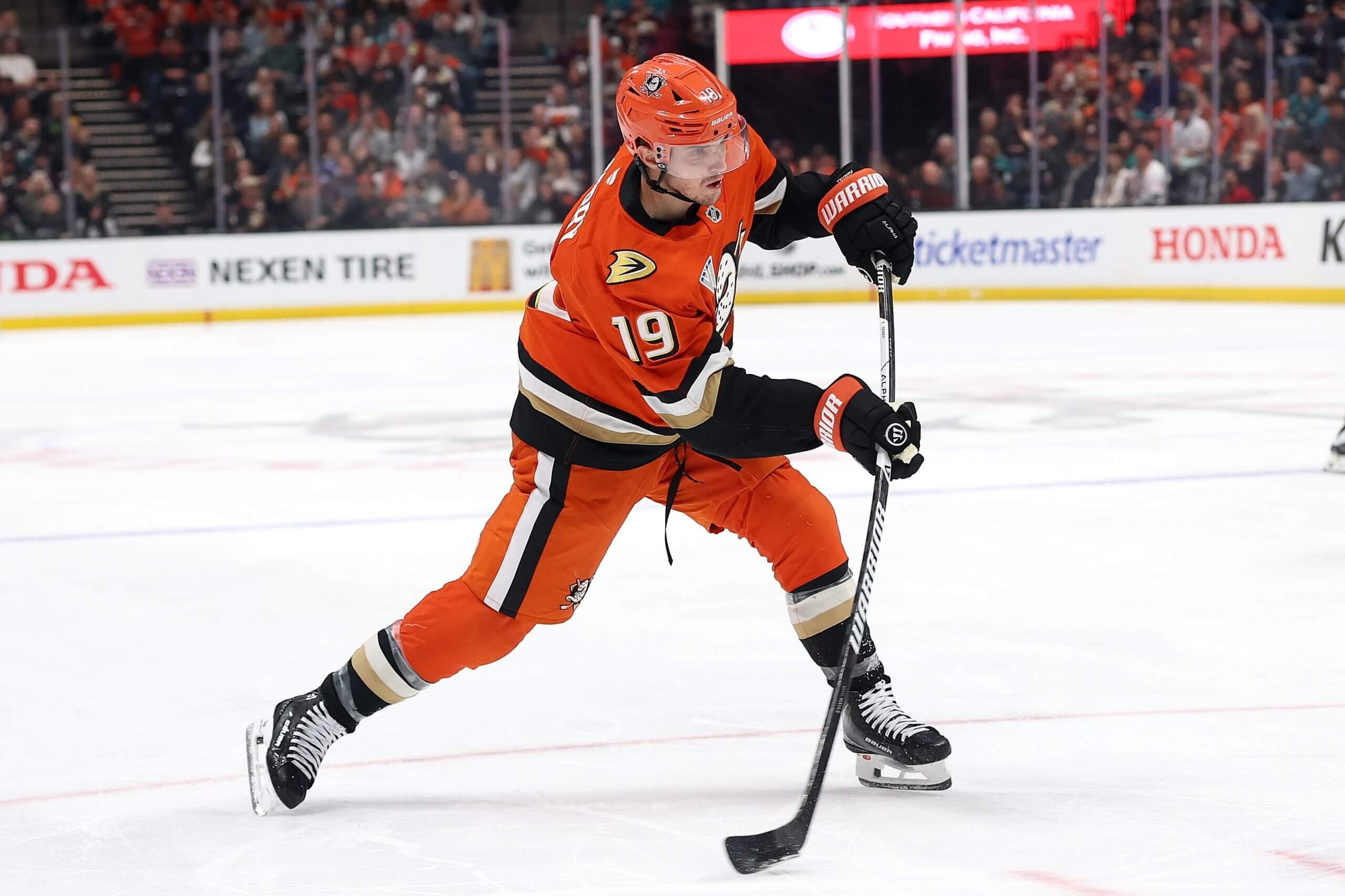
Troy Terry, now the franchise's longest-tenured player, expressed excitement about experiencing playoff hockey after serving as a Black Ace during the team's 2018 postseason appearance. His enthusiasm reflects the organization's broader sentiment about fulfilling preseason promises while recognizing the substantial challenge presented by their first-round opponent.
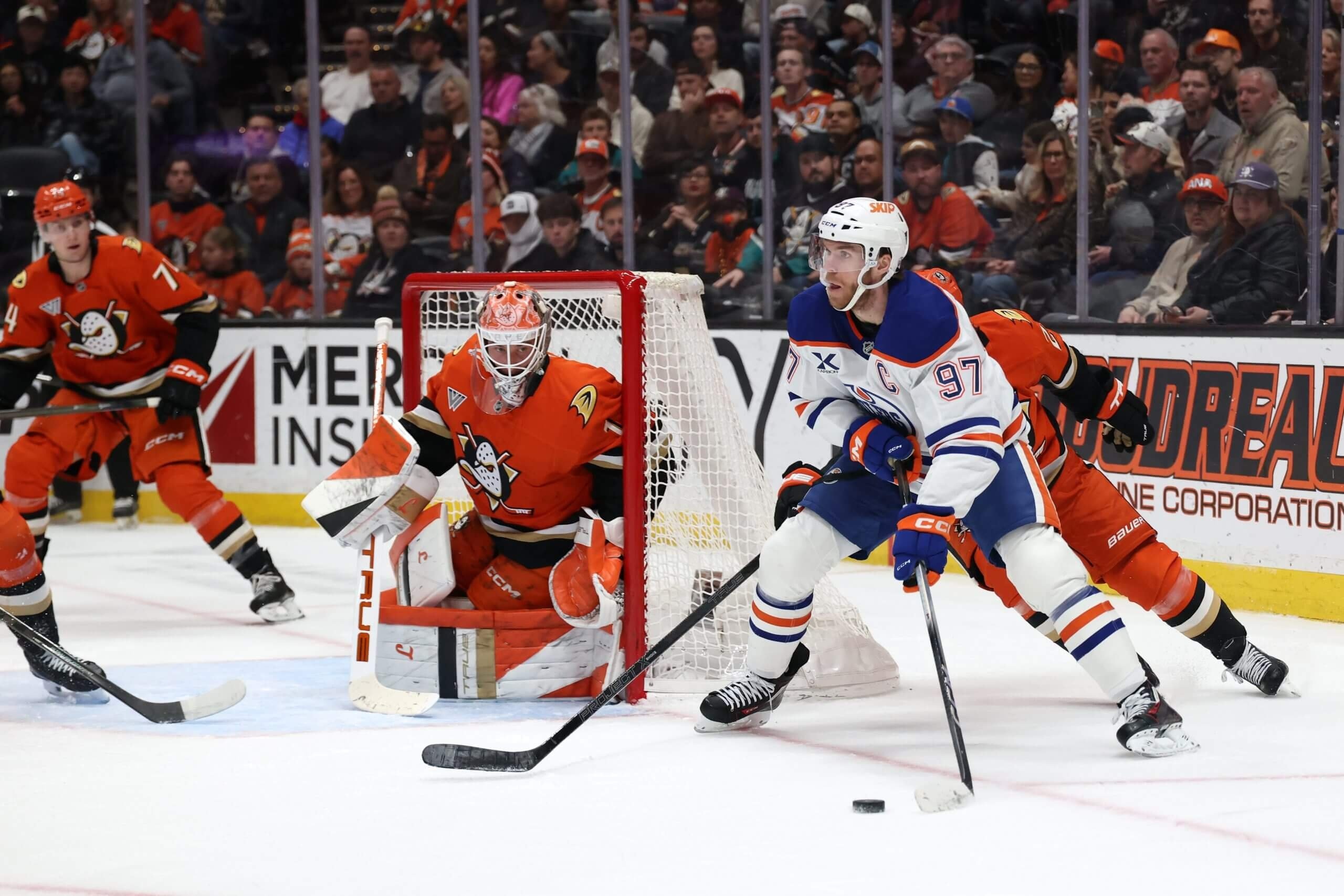
Edmonton enters the series as the heavy favorite after reaching the previous two Stanley Cup Finals, featuring Connor McDavid and potentially Leon Draisaitl, who has progressed to day-to-day status following a lower-body injury sustained in mid-March. The Oilers' championship experience and elite offensive talent create a formidable obstacle for an Anaheim squad still developing its playoff identity.
Anaheim's regular season featured dramatic swings that produced a 43-33-6 record with 92 points, including a franchise-record 26 comeback victories that demonstrated resilience but also masked underlying defensive inconsistencies. The team's 2-6-2 finish to conclude the regular season raised questions about momentum and preparedness heading into high-stakes postseason competition.
Offensive improvement defined the Ducks' season, as the team scored 48 more goals than the previous campaign while advancing from 30th to 13th in NHL scoring rankings with 3.23 goals per game. This balanced attack produced 265 total goals, surpassing the previous franchise record of 263 established during the 2013-14 season.
Youthful scoring prowess drove Anaheim's offensive surge, with players aged 22 and younger contributing nearly half of the team's total goals throughout the regular season. Cutter Gauthier led the group with 41 goals, the highest single-season total for a Duck since Corey Perry's 43-goal campaign in 2013-14.
Beckett Sennecke tied for the rookie goal-scoring lead with 23 markers while Leo Carlsson added 29 goals to establish the trio as Anaheim's primary offensive weapons. These three young forwards represented half of the six skaters who recorded 50 or more points during the regular season, highlighting the franchise's successful development pipeline.
| Player | Goals | Points | Age/Role |
|---|---|---|---|
| Cutter Gauthier | 41 | 50+ | 22, Leading scorer |
| Leo Carlsson | 29 | 50+ | 21, Top-six forward |
| Beckett Sennecke | 23 | Rookie leader | 19, Emerging talent |
| Jackson LaCombe | 10 | 58 | Defenseman, Two-way contributor |
| John Carlson | 4 | 14 in 16 games | Acquired defenseman, Puck-mover |
| Lukas Dostal | 30 wins | .888 save percentage | Starting goaltender |
Defensive contributions from the blue line supplemented Anaheim's offensive production, with defensemen recording 46 total goals throughout the regular season. Jackson LaCombe's 10 goals and 58 points demonstrated two-way capability while deadline acquisition John Carlson provided experienced puck-moving ability from the back end.
Carlson's immediate impact included a career hat trick on April 9 and 14 points across 16 games since arriving from Washington, strengthening Anaheim's transition game and power play options. His veteran presence offers tactical flexibility against Edmonton's high-powered offensive system.
Anaheim's high-event playing style produced significant offensive output while simultaneously creating defensive vulnerabilities that resulted in the fourth-most goals allowed in the NHL with 288. Advanced metrics indicate the Ducks generated the fourth-most high-danger scoring chances while surrendering the fifth-most, reflecting the risk-reward nature of their tactical approach.
Puck possession improvements under Quenneville have enabled Anaheim to outshoot opponents on average, though the team continues to allow excessive grade-A scoring opportunities in the slot area. This defensive inconsistency places substantial pressure on goaltending performance during critical postseason moments.
Lukas Dostal's first season under a five-year contract extension featuring a $6.5 million salary cap figure produced 30 victories but also revealed concerning statistical trends. His goals-against average remained at 3.10 while his save percentage declined from .903 to .888, indicating reduced efficiency despite increased workload.
Dostal's goals saved above average metric dropped significantly to minus-2.9 from the previous season's 14.3 figure that established him as a rising netminder with elite potential. The 25-year-old goaltender delivered crucial saves during successful stretches but struggled to maintain consistency during extended slumps, including an 0-8-1 record between December 22 and January 10.
Anaheim's penalty kill unit ranked 27th in the NHL entering the postseason, creating a substantial disadvantage against Edmonton's league-leading power play featuring McDavid and potentially Draisaitl. Special teams execution will likely determine series momentum as both franchises possess offensive firepower capable of exploiting man-advantage situations.
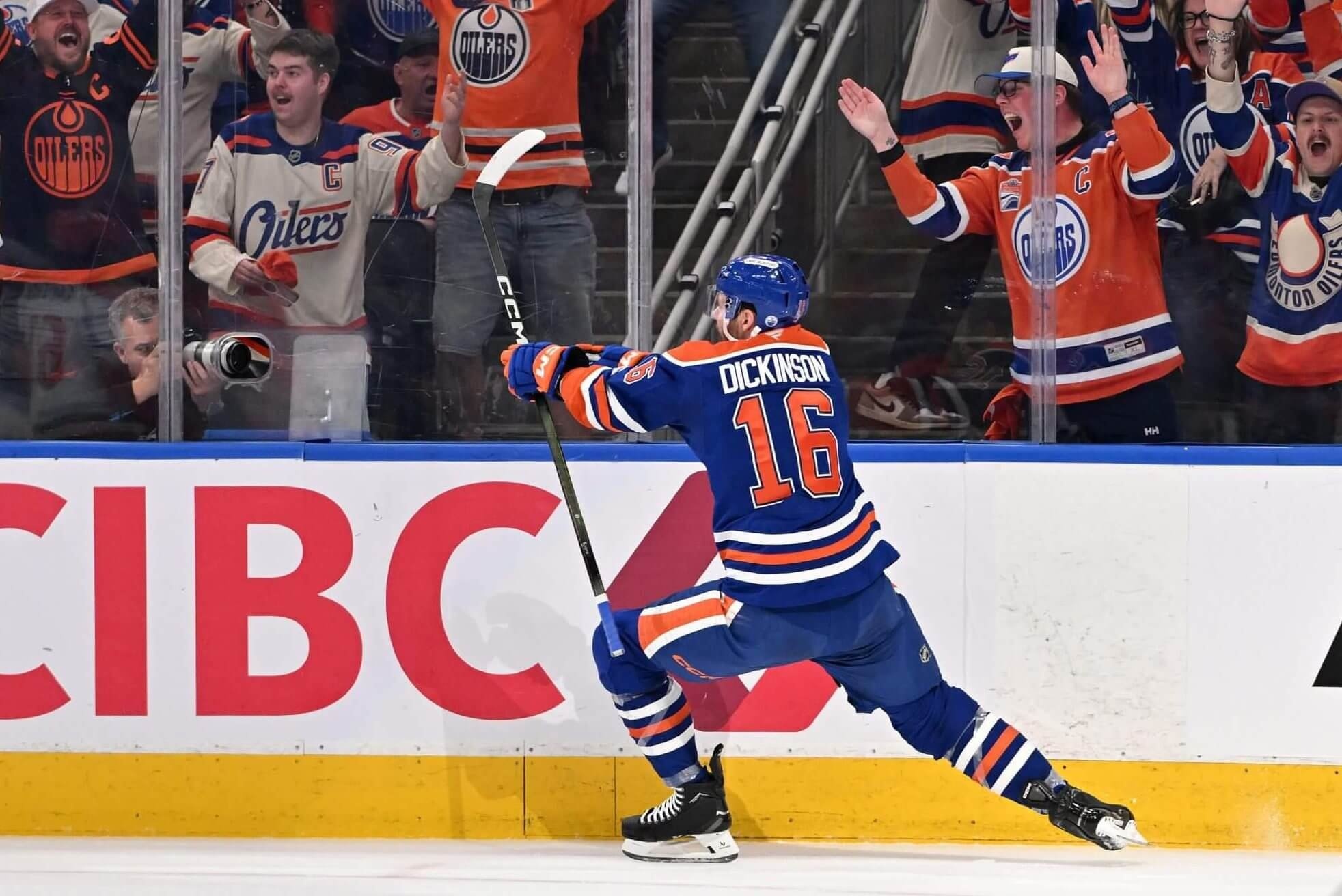
Edmonton goaltender Connor Ingram has emerged as a reliable postseason option with three consecutive victories allowing one goal each and a .924 save percentage across his last eight appearances. The Oilers' defensive mindset improved following deadline acquisitions of Jason Dickinson and Connor Murphy, adding structural stability to their championship-caliber roster.
Quenneville acknowledged the challenge of containing Edmonton's lethal power play while emphasizing Anaheim's capacity to compete through patient, disciplined hockey rather than exclusively relying on offensive outbursts. The Ducks' ability to manage tempo and limit high-danger chances against will determine their competitiveness against superior talent.
Anaheim's late-season rally to secure third place in the Pacific Division provided positive momentum but also revealed potential complacency that required urgent correction as playoff intensity approached. The team's psychological readiness and ability to elevate performance under postseason pressure remain critical variables for series success.
Honda Center will host its first playoff game since Game 2 of the 2018 first round against San Jose when the series shifts to Anaheim following the opening two contests in Edmonton. The franchise's return to postseason hockey carries significant emotional weight for players, staff, and fans who have endured eight years of rebuilding and development.
The Ducks' youth movement and offensive improvement represent meaningful franchise progress, though playoff success typically demands defensive reliability and goaltending excellence that Anaheim has not consistently demonstrated. Their series against Edmonton tests whether emerging talent can overcome experience and elite individual skill in high-stakes competition.
Quenneville's coaching philosophy emphasizing speed and skill maximization has produced offensive gains while requiring defensive adaptations that become increasingly critical against championship-caliber opposition. Tactical adjustments and in-series evolution will determine whether Anaheim can compete beyond regular-season offensive production.
Anaheim's playoff journey begins with acknowledgment of the substantial challenge ahead while maintaining confidence in their capacity to compete through disciplined execution and collective effort. The franchise's long-term trajectory remains positive regardless of series outcome, though immediate postseason success would accelerate development and validate organizational direction.