Mike Tomlin Explains Steelers Resignation: Struggles & NBC Move
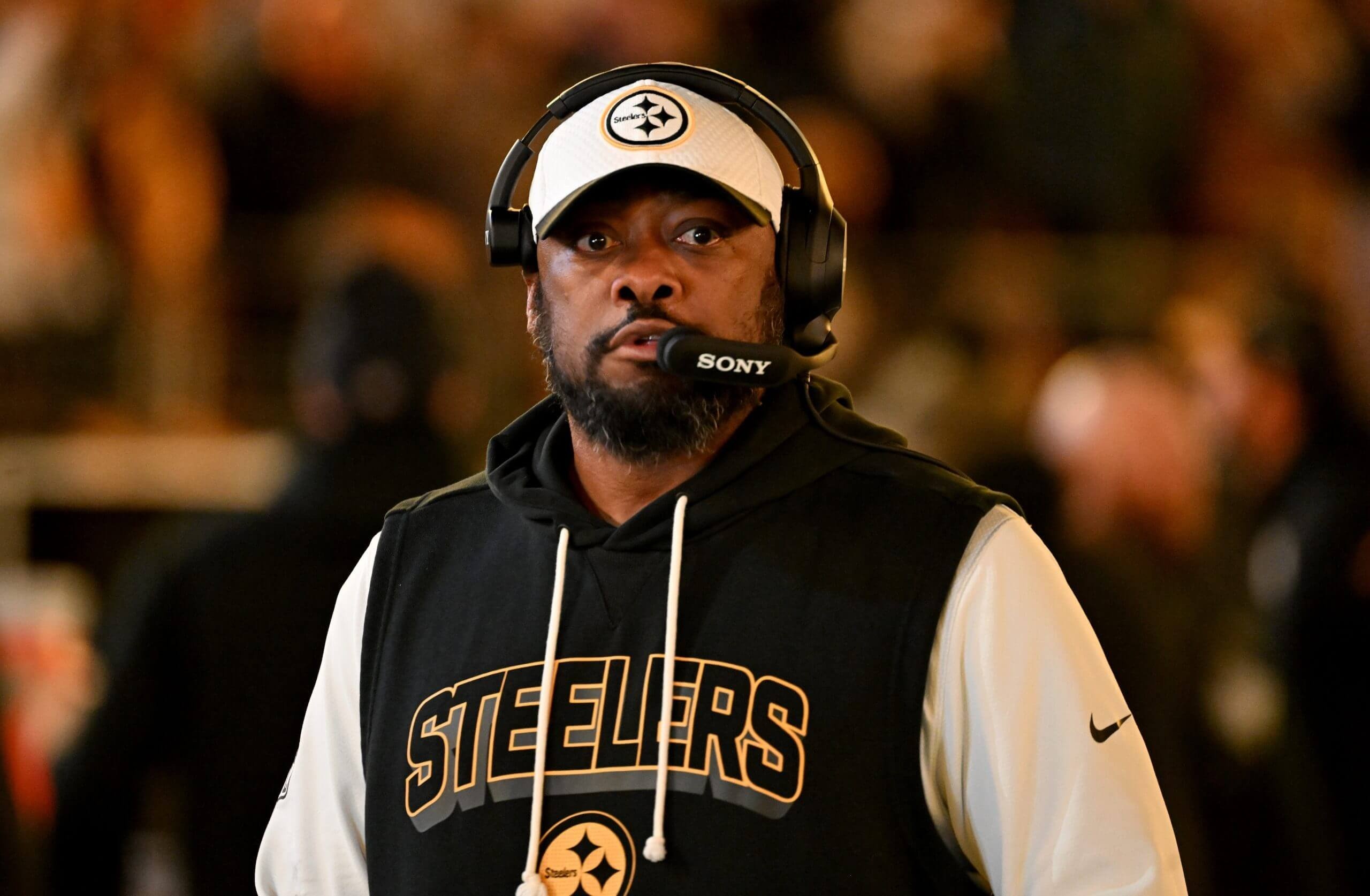
Mike Tomlin finally addressed the reasons behind his unexpected resignation from the Pittsburgh Steelers during an interview with NBC’s Maria Taylor on the network’s NBA pre‑game show.
He described the decision as neither impulsive nor easily explained, emphasizing a personal sense of timing and the “loneliness with leadership” that accompanies a head‑coaching role.
Tomlin noted that his life stage and the organization’s recent playoff struggles aligned, prompting him to step aside for the benefit of both parties.
He highlighted veteran players such as Cam Heyward, T.J. Watt, and Chris Boswell as deserving the optimism that new leadership could provide.
Hired before the 2007 season, Tomlin entered the league as the youngest head coach and evolved into the NFL’s longest‑tenured coach at the time of his departure.
His regular‑season record stands at 193‑114‑2, a figure that underscores his consistent performance over 19 seasons.
In his final victory at Acrisure Stadium, a Week 18 win over the Baltimore Ravens, Tomlin tied Chuck Noll’s franchise record for regular‑season wins.
Within league circles, Tomlin was consistently voted the coach players most wanted to play for, reflecting deep locker‑room respect.
The NFLPA’s leaked report card awarded the Steelers an “A” solely for Tomlin’s coaching, underscoring his impact on the organization.
During his tenure, the Steelers reached the playoffs 13 times, captured eight AFC North titles, and secured the division crown in his final season.
Despite regular‑season success, Tomlin’s postseason record of 8‑12 has been a point of scrutiny among the Steelers’ fan base.
The loss to the Houston Texans in the January wild‑card round marked his seventh consecutive playoff defeat and concluded his coaching career in Pittsburgh.
Tomlin’s acknowledgment that the lack of postseason success influenced his decision echoes sentiments expressed in his final team speech.
He expressed a desire for veteran players to experience postseason triumphs under fresh leadership, a theme he reiterated during the interview.
Following his resignation, Tomlin will join NBC Sports’ Football Night in America as a studio analyst, a role announced by the network on Sunday.
He described the analyst position as a means to stay connected to the game, its players, coaches, and executives.
Tomlin is enthusiastic about traveling to different venues and sharing insight with fellow football enthusiasts on Sunday nights.
When asked to predict the Steelers’ quarterback for the upcoming season, Tomlin humorously suggested Aaron Rodgers under duress.
He praised Rodgers’ love for the game, his process, and his commitment to developing younger players.
The interview concluded with Tomlin’s light‑hearted comment that Rodgers remains capable and in good shape, hinting at a possible return to the field.
Tomlin’s career reflects a rare blend of longevity, consistency, and respect among peers and players alike.
His tenure began with a 2007 contract that secured his position through multiple extensions, reflecting the organization’s confidence.
Over 19 seasons, the Steelers compiled 193 regular‑season victories, tying the franchise’s all‑time record set by Chuck Noll.
The following table summarizes Tomlin’s regular‑season and playoff performance:
| Category | Wins | Losses |
|---|---|---|
| Regular Season | 193 | 114 |
| Playoffs | 8 | 12 |
The regular‑season winning percentage of .629 places Tomlin among the most successful active coaches during his era.
His eight AFC North titles rank second only to the franchise’s historic dominance under Chuck Noll and Bill Cowher.
Tomlin’s strategic approach emphasized a balanced offense, a stout defensive front, and disciplined special teams play.
Defensively, the Steelers under Tomlin consistently ranked in the top ten for sacks, largely due to the presence of T.J. Watt.
Watt’s ability to generate pressure complemented veteran Cam Heyward’s experience at left tackle, forming a cornerstone of the line.
On offense, the Steelers relied on a power‑run scheme anchored by Najee Harris and a play‑action passing attack.
Quarterback stability proved elusive, with Ben Roethlisberger’s retirement in 2022 leading to a carousel of starters.
Tomlin’s willingness to adapt is evident in his incorporation of dual‑tight‑end sets and spread concepts in his final seasons.
Special teams under Tomlin were highlighted by Chris Boswell’s reliability, as he posted multiple seasons with over 30 field goals made.
Despite these strengths, the Steelers’ postseason woes often stemmed from second‑half defensive breakdowns and offensive turnovers.
Analysts have pointed to the inability to close out tight games as a recurring theme in Tomlin’s playoff record.
Nevertheless, his leadership maintained a culture of accountability, which contributed to sustained regular‑season competitiveness.
Tomlin’s resignation marks the end of an era that began when he succeeded Bill Cowher following the 2006 season.
His departure opens the door for the Steelers to consider fresh coaching philosophies while retaining core veteran talent.
The organization’s front office has indicated a desire to blend continuity with innovation in its next head‑coach selection.
Potential candidates may emphasize a more aggressive passing strategy to complement the existing defensive talent.
Tomlin’s move to broadcasting will allow him to offer insider perspectives on coaching decisions and player development.
His reputation as a “players’ coach” suggests he will provide nuanced analysis of locker‑room dynamics.
Veezstream previously reported on Tomlin’s final speech, noting his emphasis on giving veterans a chance at postseason success.
The shift to NBC Sports aligns with Tomlin’s expressed desire to stay engaged with the football community.
His analytical role may also serve as a platform to showcase his understanding of modern NFL schematics.
Tomlin’s comments about Aaron Rodgers reflect a genuine admiration for the veteran quarterback’s work ethic.
Rodgers, who spent twelve months with the Steelers before his release, remains a figure of interest for Pittsburgh fans.
TomTom’s remarks were delivered in a light‑hearted tone, indicating no immediate intention to return to coaching.
However, his deep-rooted “addiction to the game” may keep future coaching opportunities on the horizon.
The Steelers’ upcoming season will be defined by the quarterback decision, defensive continuity, and the new head coach’s vision.
With Tomlin’s departure, the franchise must address the balance between veteran leadership and developing young talent.
Cam Heyward’s experience and T.J. Watt’s elite pass‑rushing ability provide a solid foundation for any incoming coaching staff.
The team’s offensive line, bolstered by veteran presence, will be crucial in protecting the future quarterback.
Statistically, the Steelers ranked 12th in total offense and 9th in total defense during Tomlin’s final season.
The following table outlines the Steelers’ key statistical rankings in Tomlin’s last year:
| Metric | Rank | League Total |
|---|---|---|
| Total Offense | 12 | 32 |
| Total Defense | 9 | 32 |
These rankings illustrate a team that remained competitive on both sides of the ball despite playoff shortcomings.
Tomlin’s influence on player development is evident in the progression of younger defensive talents like Cameron Heyward’s son, Cameron Jr.
The Steelers’ scouting department continues to prioritize defensive depth, a philosophy reinforced during Tomlin’s tenure.
In the broader NFL context, Tomlin’s resignation adds to a recent trend of long‑tenured coaches stepping down after sustained success.
His departure invites comparison with other coaching legends who transitioned to media roles, such as Tony Romo and Jason Garrett.
Tomlin’s analytical insights are expected to enrich NBC’s coverage, offering viewers a rare glimpse into a coach’s mindset.
As the Steelers prepare for the 2026 season, the organization will assess whether to pursue a seasoned veteran or an up‑and‑coming coordinator for the head‑coach vacancy.
The decision will likely consider Tomlin’s legacy of stability, the need for postseason advancement, and the evolving offensive landscape of the league.
Fans and analysts alike will watch closely as the Steelers chart a new course while honoring the contributions of one of the franchise’s most enduring figures.