Patriots NFL Draft Plans Revealed: Insights from Analyst Eliot Wolf and the New Balance Athletics Center Draft Room
The New England Patriots have begun the gradual relocation of their football operations to the newly constructed New Balance Athletics Center, a facility that adjoins Gillette Stadium and houses a state‑of‑the‑art draft room.
While the interior décor is still being finalized, the department’s staff are already conducting final meetings this week to evaluate the remaining NFL Draft prospects ahead of the upcoming selection day.
The centerpiece of the new headquarters is a massive video board that will serve as the Patriots’ “big board,” allowing coaches and executives to track player grades, scheme fits, and positional depth in real time.
Despite the advanced technology, the final ranking of draft‑eligible players remains unfinished, a fact underscored by executive vice president of player personnel Eliot Wolf, who told reporters that “the hay is not quite in the barn yet.”
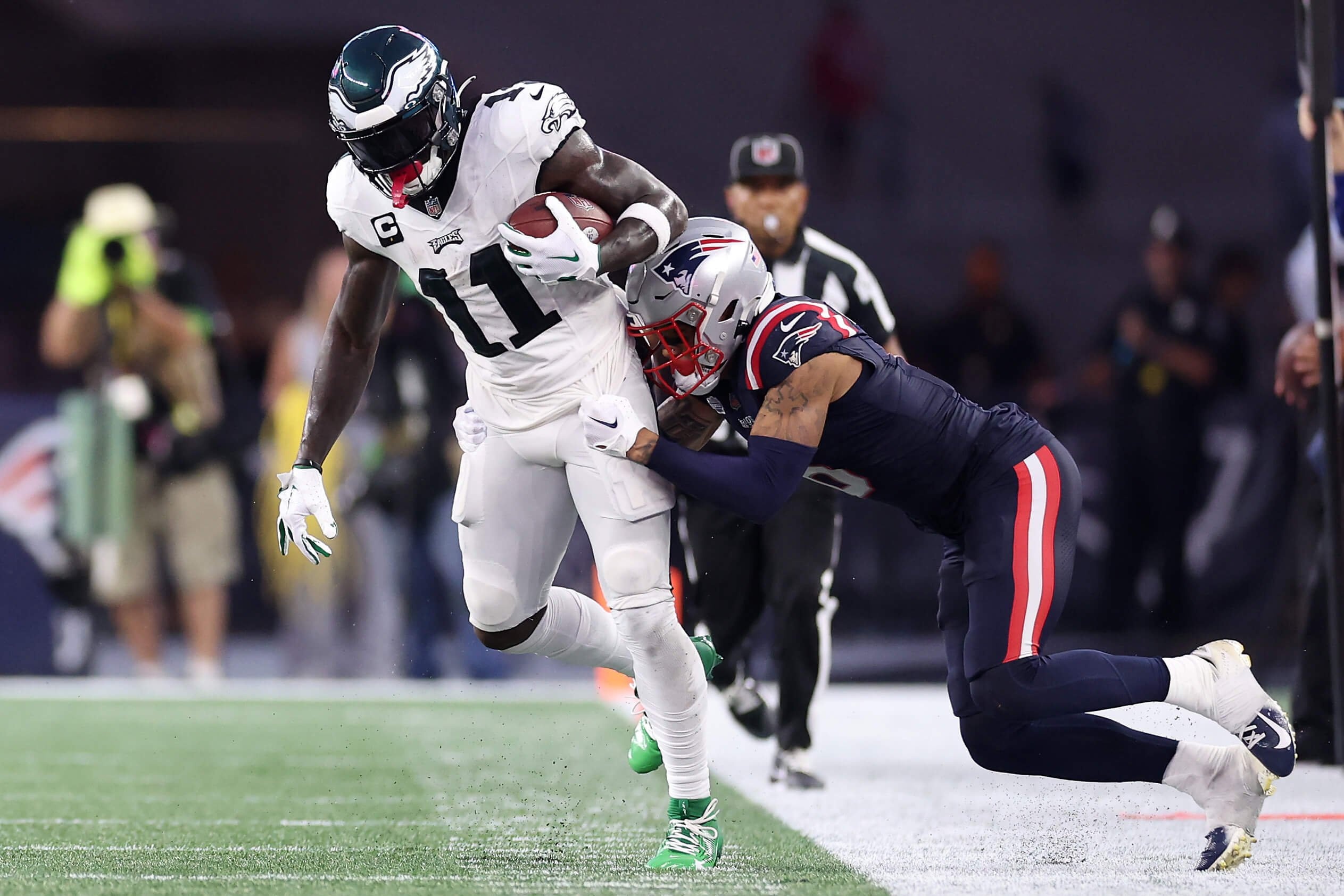
Wolf’s remarks came during a press conference scheduled a month in advance, where he fielded questions about the team’s needs, the overall talent pool, and the ever‑present speculation surrounding a potential trade for Philadelphia Eagles wide receiver A.J. Brown.
Wolf acknowledged that the Patriots will keep “the door open” to any player who could improve the roster, explicitly mentioning Brown while also leaving the possibility for other options.
If New England selects a wide receiver with one of its first two picks, the urgency to acquire Brown would diminish considerably, according to Wolf’s assessment of the draft dynamics.
Conversely, should the Patriots pass on the receiver position in the early rounds, the focus on Brown is likely to intensify, as the team’s need at the position remains a topic of discussion among analysts.
When asked to evaluate the depth of the 2026 draft class, Wolf characterized it as “not traditionally great,” yet he emphasized that the Patriots can still extract valuable talent from the pool.
He highlighted the offensive and defensive lines as the strongest areas of this draft, noting that the secondary appears weaker in comparison.
Wolf also observed that the receiver and tight‑end groups are “pretty good in comparison to some recent years,” suggesting that the Patriots have promising options at those skill positions.
The Patriots’ roster analysis indicates a pressing need for an edge rusher, a tight end, and a wide receiver, all of which are represented by deep talent pools in this draft.
In contrast, depth at running back and linebacker is less abundant, which could limit the team’s ability to address those positions through the draft alone.
Mike Vrabel’s involvement in the scouting process appears to have increased this year, as Wolf explained that the head coach now watches “a ton of the players” and contributes feedback on the coaches’ list.
Vrabel’s familiarity with the scouting staff, built during his first year with the Patriots, allows him to provide nuanced opinions that help reconcile differences between scout evaluations and the team’s scheme requirements.
Wolf noted that Vrabel’s input can sometimes override a scout’s enthusiasm for a particular prospect, ensuring that the final selections align with the Patriots’ long‑term strategic vision.
Regarding the edge‑rusher position, the Patriots have already bolstered their rotation by signing free agent Dre’Mont Jones, a versatile player who can line up across the tackle and rush the passer.
Wolf indicated that the team is looking to complement Jones with a faster, more “twitchy” edge rusher, a profile that differs from Jones’ bulkier, power‑focused style.
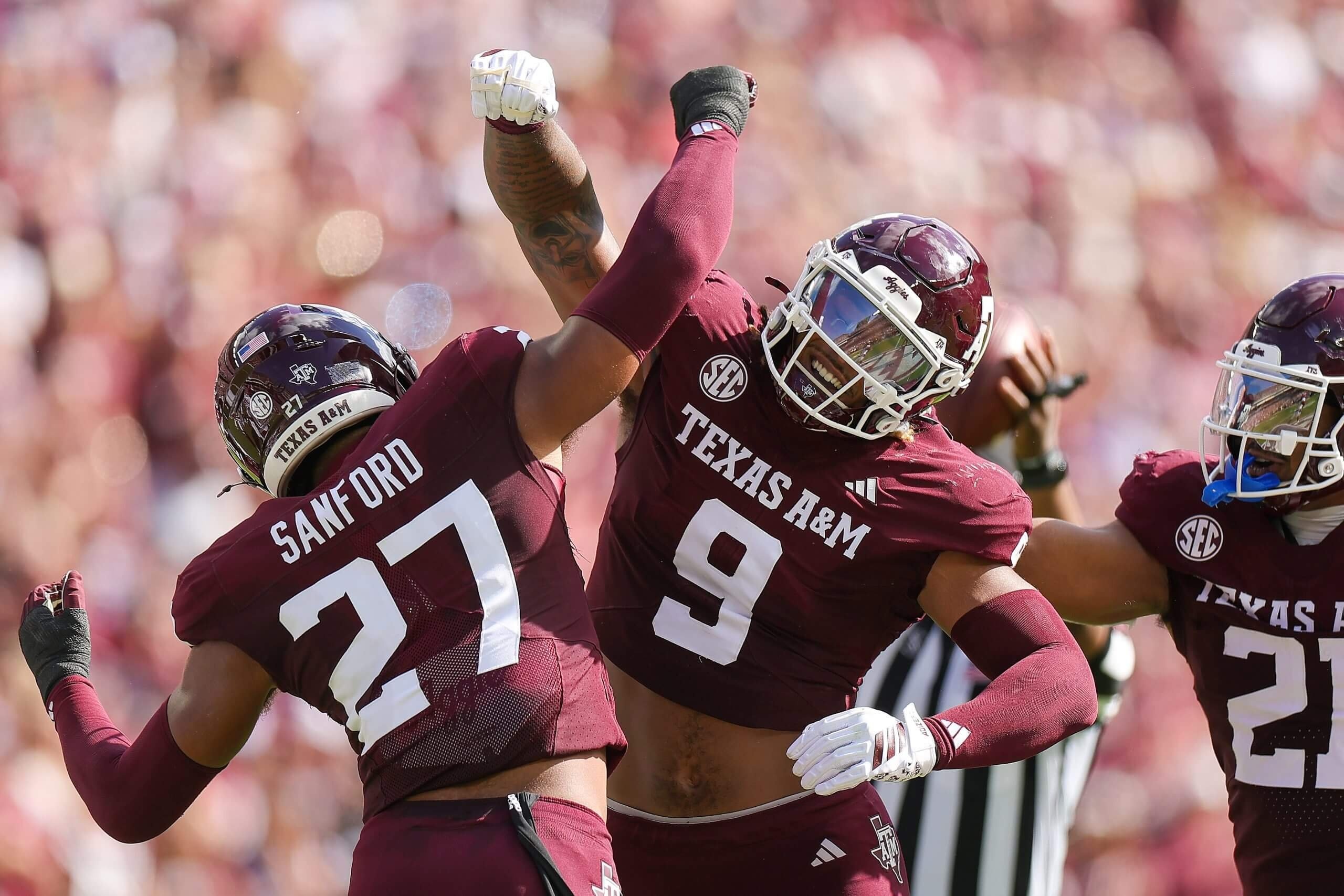
Potential candidates who could be available around the Patriots’ 31st overall selection include Oklahoma’s R Mason Thomas, UCF’s Malachi Lawrence, and Texas A&M’s Cashius Howell, each offering a blend of speed and pass‑rushing upside.
To provide a broader view of top edge‑rusher prospects, the following table lists the five players most highly ranked by draft analyst Dane Brugler:
| Rank | Player | College |
|---|---|---|
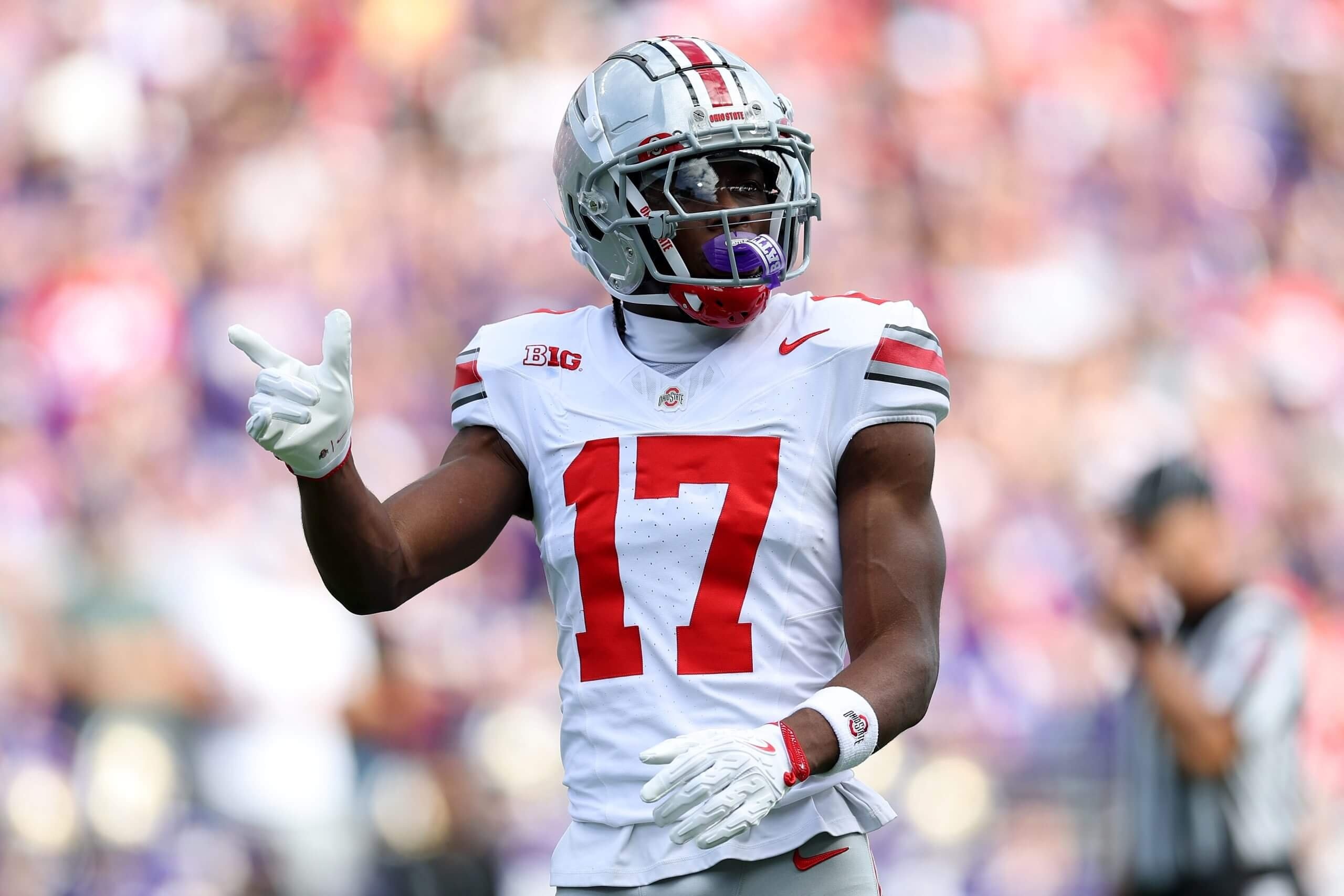
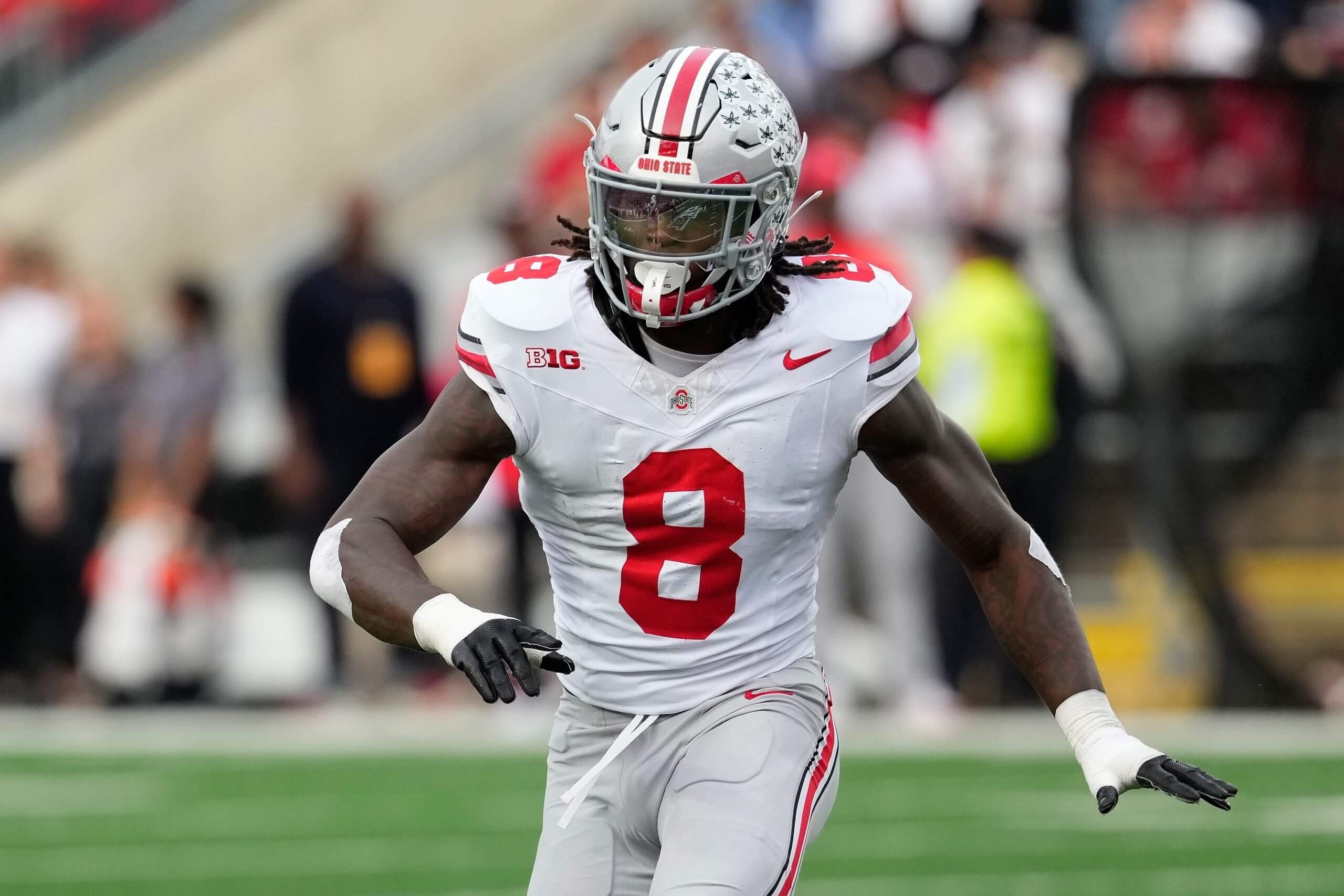
| 1 | Arvell Reese | Ohio State |
| 2 | David Bailey | Texas Tech |
| 3 | Rueben Bain Jr. | Miami |
| 4 | Keldric Faulk | Auburn |
| 5 | Akheem Mesidor | Miami |
The Patriots’ historical drafting philosophy has often emphasized scheme fit and character over pure athletic metrics, a trend that continues to shape their approach this year.
Since Bill Belichick’s tenure began, New England has repeatedly found success with later‑round picks who excel in specific roles, such as defensive back Patrick Chung and linebacker Dont’a Hightower.
That legacy informs Wolf’s current strategy, as he seeks to blend high‑upside talent with players who can seamlessly integrate into the team’s complex defensive and offensive systems.
In the context of the broader league, the Patriots’ focus on speed at the edge aligns with a growing NFL trend that values pass‑rushers capable of generating pressure from a variety of angles.
Teams such as the Buffalo Bills and Miami Dolphins have demonstrated the impact of quick, versatile edge players, reinforcing the Patriots’ desire to add a complementary speed asset.
The upcoming draft will also serve as a litmus test for how the Patriots balance immediate roster needs against long‑term roster construction, especially given the limited depth at running back and linebacker in this class.
Should the Patriots opt to trade down or acquire additional picks, they could address those weaker positions through multiple later‑round selections, a maneuver that has historically yielded value for the organization.
Conversely, a decision to stay put and select a high‑profile receiver or tight end could signal an aggressive push to close the gaps left by recent departures and injuries.
Wolf’s comments also hint at the possibility of a trade involving A.J. Brown after the draft, noting that the Eagles may become more incentivized to move the veteran in June.
While no concrete trade details have emerged, the Patriots’ draft actions—particularly the selection of a receiver in the early rounds—will likely influence any future negotiations.
Overall, the Patriots’ move into the New Balance Athletics Center reflects a commitment to modernizing their scouting infrastructure, a step that should enhance the efficiency of player evaluation and decision‑making.
The combination of upgraded facilities, increased involvement from head coach Mike Vrabel, and a clear articulation of positional priorities positions New England to navigate what Wolf described as a “pretty strong draft on the offensive and defensive line.”
As the draft approaches, the Patriots will aim to translate the insights gathered in their new headquarters into selections that sustain the franchise’s competitive edge for years to come.