Chelsea Players Deny Clear-The-Air Talks Over Liam Rosenior Exit
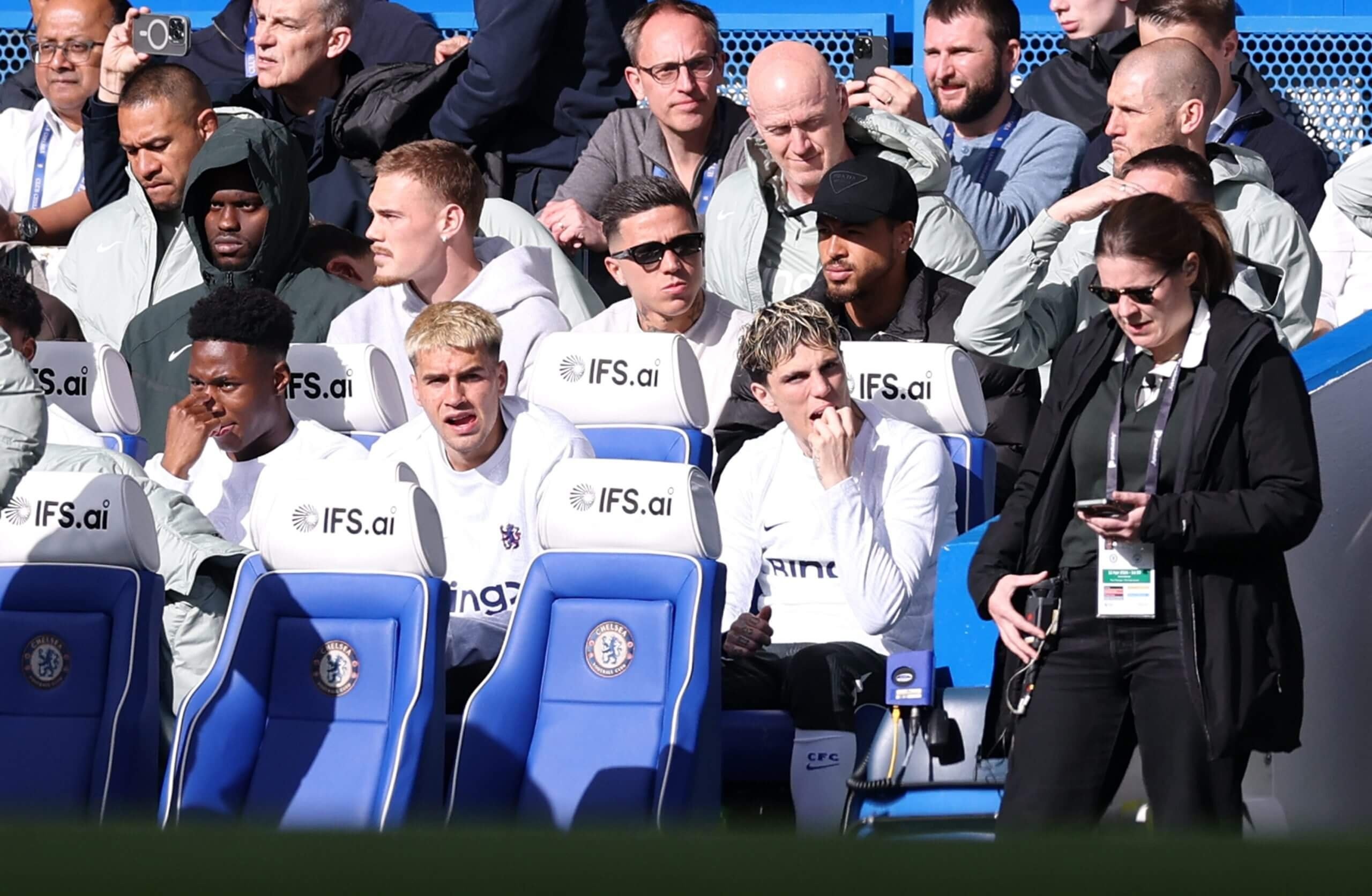
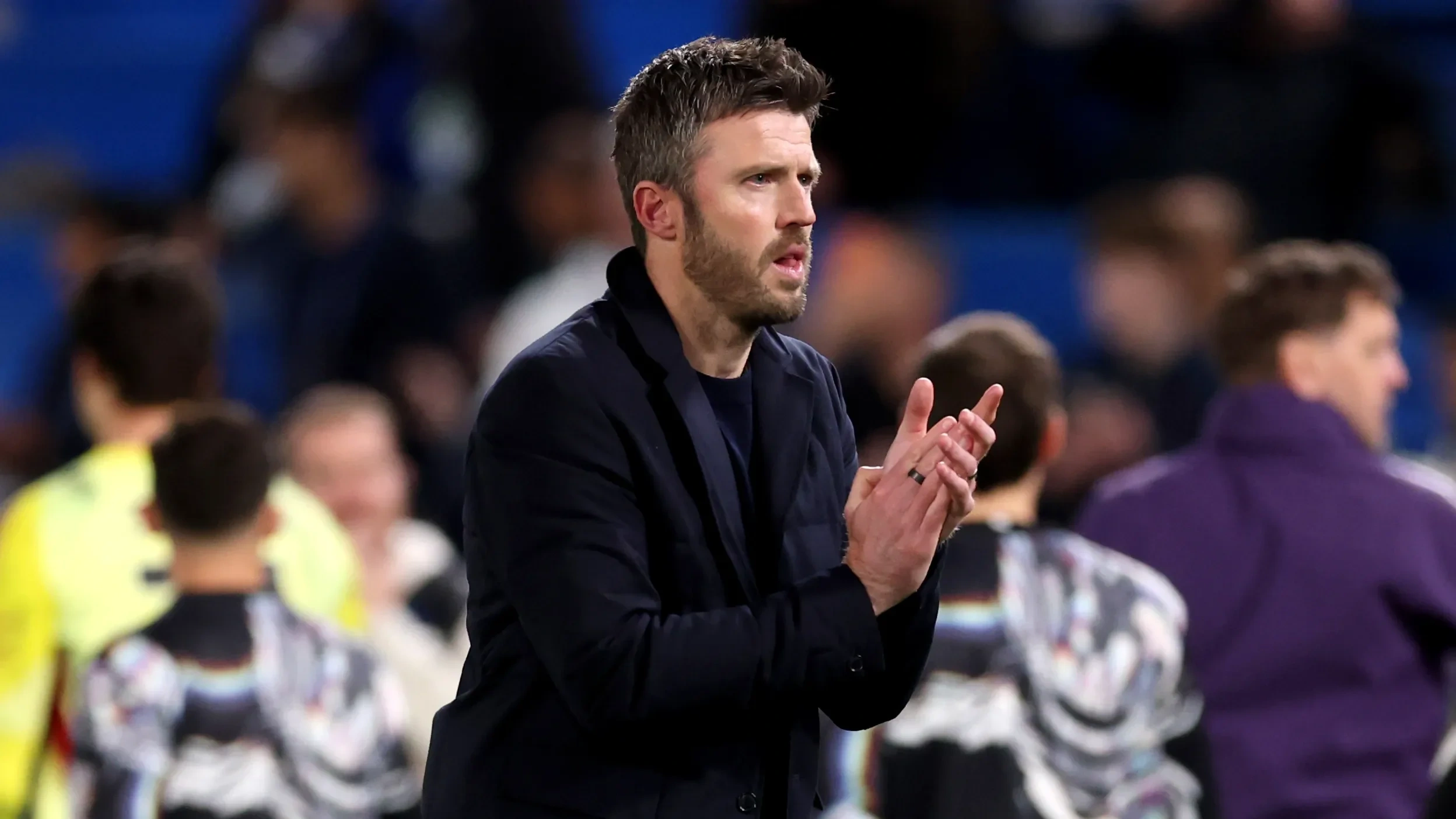
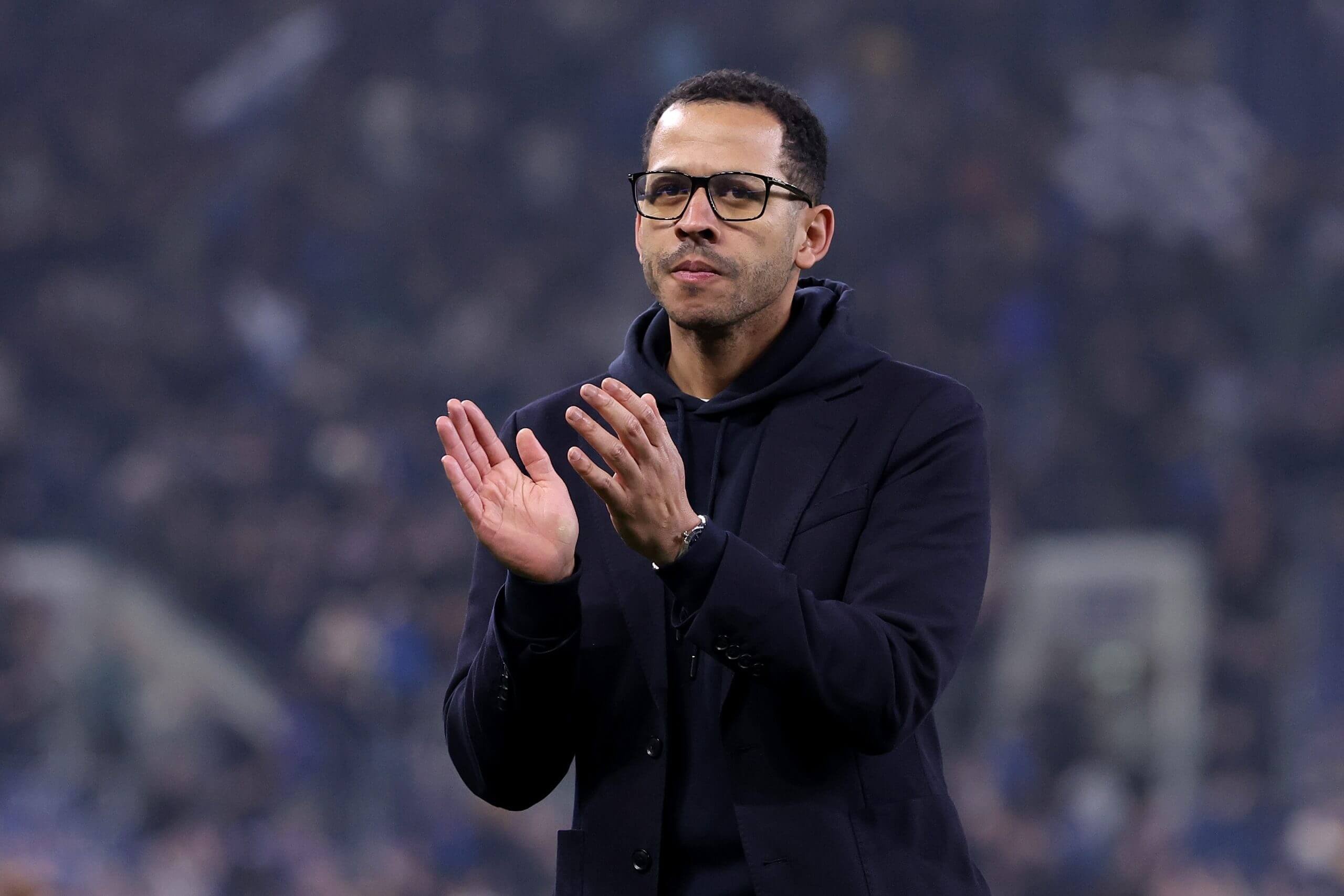
Chelsea interim coach Calum McFarlane has confirmed that the squad has not held any clear-the-air discussions following the dismissal of Liam Rosenior. The 41-year-old manager was relieved of his duties on Wednesday after enduring a historic five-match league losing streak without registering a single goal.
This unprecedented run of form marks the first time since 1912 that Chelsea have failed to score across five consecutive league fixtures. The statistical anomaly underscores the severity of the tactical and motivational challenges that plagued the team during Rosenior's brief tenure.
According to Veezstream, Rosenior's position became untenable as he lost the backing of key players while internal divisions emerged within the dressing room hierarchy. These reported factions created a fractured environment that ultimately undermined any possibility of a tactical turnaround during the critical winter period.
McFarlane addressed the media ahead of Sunday's FA Cup semi-final clash with Leeds United, emphasizing that the squad's immediate focus remains solely on tactical preparation. He stated unequivocally that past controversies would not be revisited as the team channels its energy toward the upcoming knockout fixture.
The interim coach outlined a detailed game plan that prioritizes structured defensive organization and proactive ball circulation in attacking phases. This dual-phase approach aims to restore confidence while exploiting Leeds' transitional vulnerabilities through disciplined positional play.
McFarlane, who joined Chelsea as under-21 coach last summer, brings valuable institutional knowledge to his temporary first-team role. His previous two-game interim stint following Enzo Maresca's January departure provided crucial experience in managing high-pressure Premier League environments.
During that earlier interim period, McFarlane guided Chelsea to a creditable draw against Manchester City before suffering a narrow defeat to Fulham. These results demonstrated his capacity to organize a resilient defensive structure even amid significant squad uncertainty.
When questioned about player accountability for the recent downturn, McFarlane acknowledged that elite performers must ultimately deliver on the pitch regardless of external circumstances. He noted that while the squad possesses exceptional individual talent, collective execution has fallen short of the club's established standards.
The coach stressed that adaptation and forward momentum are essential as Chelsea confront their next competitive challenge against Leeds United. This mentality shift requires immediate psychological reset alongside tactical clarity to maximize the team's remaining seasonal opportunities.
Chelsea anticipate the potential return of Joao Pedro and Cole Palmer, both of whom have resumed training after missing recent fixtures with thigh and hamstring concerns respectively. Their reintroduction could provide crucial creative impetus in the final third against a physically demanding Leeds side.
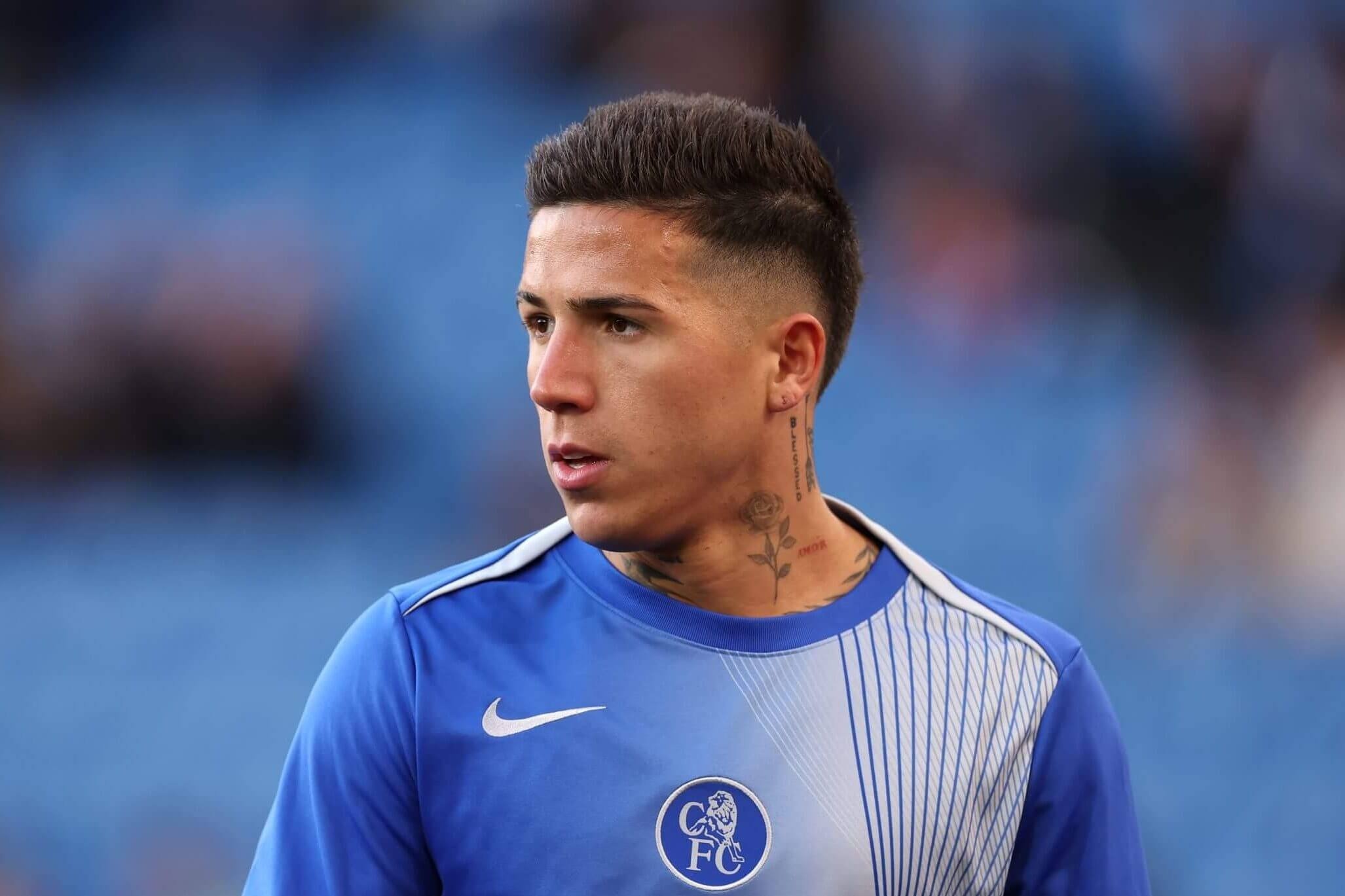
Conversely, Estevao has been ruled out for the remainder of the campaign after sustaining a grade four hamstring tear during training. This significant injury not only deprives Chelsea of a dynamic attacking option but also casts doubt on his availability for Brazil's World Cup squad.
| Player | Injury | Status |
|---|---|---|
| Joao Pedro | Thigh | Training, likely available |
| Cole Palmer | Hamstring | Training, likely available |
| Estevao | Hamstring (Grade 4 tear) | Ruled out for season |
The broader implications of Rosenior's dismissal extend beyond immediate results, as Chelsea navigate a complex period of tactical recalibration and squad development. The club's leadership must now balance short-term competitive demands with long-term strategic objectives amid heightened scrutiny.
Sunday's FA Cup semi-final represents a pivotal opportunity for Chelsea to restore momentum and reestablish their credentials in domestic cup competition. A victory would secure a place in the final while providing valuable confidence ahead of the season's concluding fixtures.
Leeds United present a formidable challenge with their high-intensity pressing system and rapid transitional attacking patterns. Chelsea's midfield structure will be critical in disrupting Leeds' rhythm while maintaining possession under sustained defensive pressure.
Squad depth concerns are amplified by the injury list, requiring McFarlane to optimize available personnel through strategic rotation and tactical flexibility. Young academy graduates may feature prominently as the club balances competitive ambitions with player development priorities.
Chelsea's historical resilience in navigating managerial transitions provides a framework for the current squad's psychological approach to adversity. The institution's legacy of overcoming challenging periods offers both motivation and a blueprint for immediate tactical adjustments.
Recent performance metrics highlight the urgency of Chelsea's situation, with defensive vulnerabilities and attacking inefficiency compounding during the five-match scoreless losing streak. Addressing these systemic issues requires coordinated effort across all positional groups under McFarlane's interim guidance.
Looking ahead, the club's recruitment and medical departments will collaborate closely to manage player workloads and mitigate further injury risks during the congested fixture schedule. Strategic squad management will be essential as Chelsea pursue multiple competitive objectives through the season's conclusion.