Goalkeeper George Wickens Matches Ederson’s Assist Record
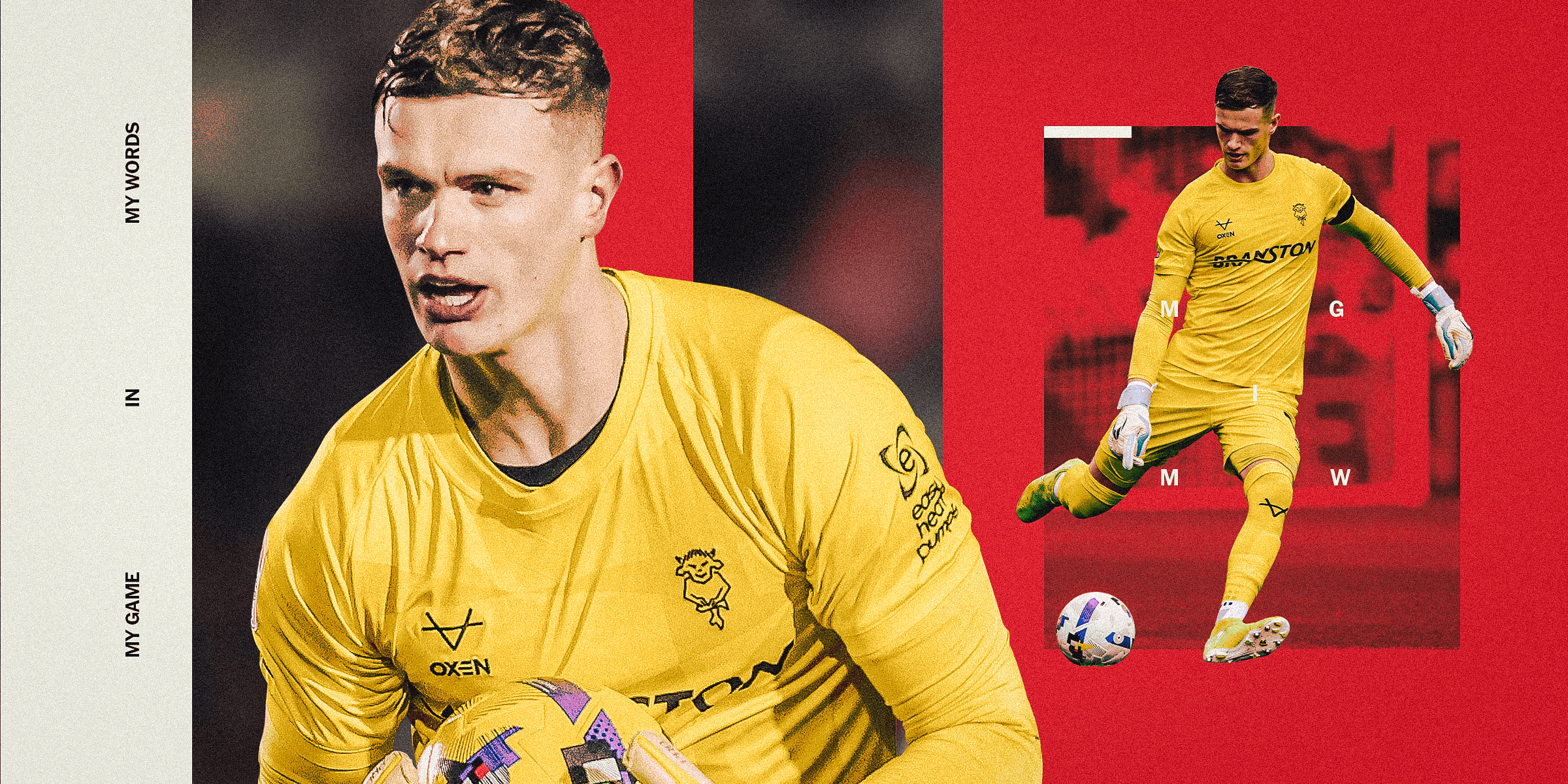
George Wickens entered the 2024‑25 season as Lincoln City’s first‑choice goalkeeper, a role that has seen him rise from Fulham’s academy to the forefront of English football’s lower leagues.
His 19 clean sheets this campaign placed him joint‑highest across the top four tiers of English football, a statistic that underscores his consistency between the sticks.
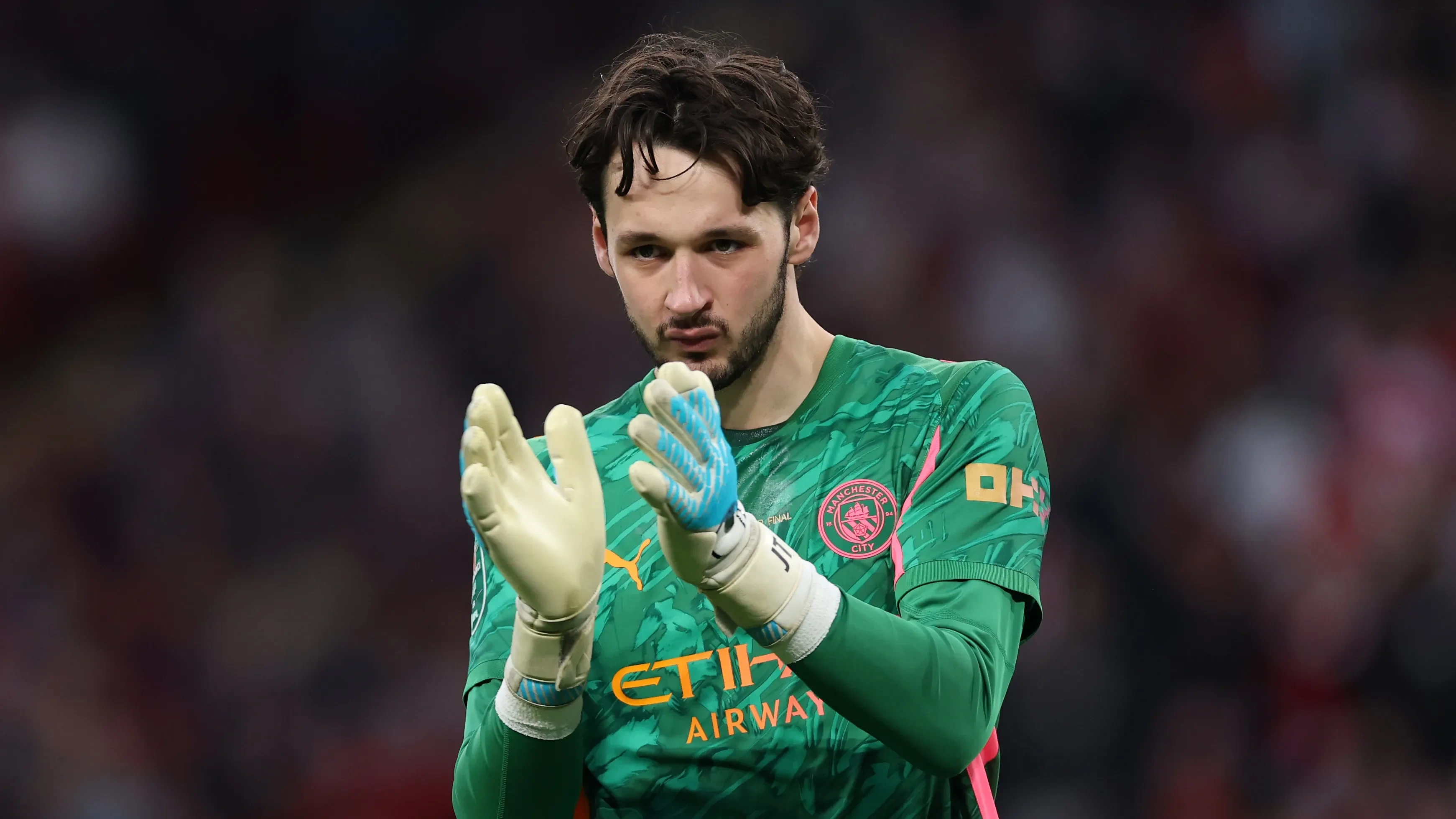
Equally notable, Wickens recorded four assists, equalling the record set by former Manchester City keeper Ederson for most goalkeeper assists in a single English season.
The goalkeeper’s contributions earned him a spot in the League One Team of the Season, cementing his status as one of the division’s elite performers.
Standing 6ft 6in (198 cm), Wickens combines imposing physical presence with technical ability, a blend that has served him well from non‑League football to the Championship.
Born in Petersfield, Hampshire, he began his football journey as an outfield player before his height prompted a switch to goalkeeping.
A trial arranged by Fulham goalkeeping coach Geoff Warne led to a year‑long assessment before Wickens signed for the club at age 11.
He spent eleven years developing within Fulham’s ranks, progressing to a professional contract in 2018 and earning England under‑18 caps.
His first senior experience arrived on loan at Wealdstone, a National League side, where he made 40 appearances during the 2021‑22 season.
During that spell he received a red card for a head‑butt clash, a disciplinary lesson that he later described as essential for managing emotions on the pitch.
After returning to Fulham, Wickens served as third‑choice behind Bernd Leno and Marek Rodak, featuring primarily in Premier League 2 matches.
Seeking regular first‑team football, he secured a January 2024 loan to Scottish Premiership outfit Ross County.
His debut against Celtic saw him face a penalty from Luis Palma, which he saved twice after an initial infringement nullified the first attempt.
Wickens later recalled the surreal experience of standing beside England international Joe Hart in the tunnel before that Celtic clash.
In February, he set a Scottish Premiership record with 19 saves in a single game against Rangers, despite a 3‑1 defeat.
When his Fulham contract expired at the end of the season, Wickens opted for free agency to secure regular playing time.
Lincoln City, fresh off a historic promotion to the Championship after a 103‑point League One title, offered him a four‑year deal in July 2024.
The club’s recent pedigree in developing goalkeepers—Josh Griffiths, Carl Rushworth, and Alex Palmer—made the move an attractive step for Wickens.
In his inaugural season with Lincoln, he kept ten clean sheets as the team established a low‑block, direct playing style under manager Michael Skubala.
This season, Lincoln’s tactical approach has emphasized solidity in defence and rapid transitions, allowing Wickens to thrive with fewer high‑pressure shots.
Against Cardiff City in early March, Wickens demonstrated his reflexes by tip‑off a curling effort from Ollie Tanner, preserving a clean sheet in a 2‑0 victory.
Lincoln’s dominance continued, and after securing promotion with five games remaining, the squad set secondary targets of winning the league and reaching the 100‑point mark.
Wickens matched Ederson’s assist record on 14 March versus Stockport County, his third of the season, before delivering the decisive fourth against Wycombe Wanderers on 25 April.
The assist against Wycombe came from a long, lofted pass that bounced over the back line, finding captain Tendayi Darikwa for a simple finish.
Wickens attributes his distribution strength to increased confidence in taking longer‑range kicks, often targeting areas where opposing goalkeepers are unable to intervene.
His ability to launch attacks from the back has become a tactical asset for Lincoln, complementing their direct style of play.
Looking ahead, Lincoln will face Championship sides such as Tottenham Hotspur and West Ham United, whose stadiums dwarf Lincoln’s Sincil Bank capacity of just over 10,000.
Despite operating with the 17th‑largest budget in League One, Lincoln’s efficient use of resources propelled them to the second tier for the first time since 1961.
Wickens anticipates a busier season in the Championship, stating his aim is to increase the number of punches he makes while maintaining composure on set pieces.
He notes that modern set‑piece strategies often see seven attackers crowding the six‑yard box, demanding sharper decision‑making from goalkeepers.
Lincoln’s defensive record this season benefited from a disciplined back line, allowing Wickens to experience fewer high‑intensity shots.
Nevertheless, he acknowledges that the step up to the Championship will likely test his shot‑stopping abilities more frequently.
Four clubs that earned automatic promotion in the last two campaigns—Wrexham, Birmingham City, Portsmouth, and Derby County—have all retained their Championship status, providing a realistic benchmark for Lincoln.
Wickens’ personal statistics for the 2024‑25 League One campaign are summarised in the table below.
| Statistic | Value | Notes |
|---|---|---|
| Clean sheets | 19 | Joint‑highest in England’s top four tiers |
| Assists | 4 | Matches Ederson’s record for a goalkeeper |
| Points contributed to | 103 | Lincoln City’s league‑winning total |
Wickens’ journey from a Fulham academy prospect to a record‑breaking goalkeeper illustrates the value of loan experiences in lower leagues.
His time at Wealdstone taught him resilience under hostile crowd conditions, while the stint at Ross County exposed him to high‑pressure Scottish Premiership fixtures.
These formative periods have shaped his composure, a trait evident in his calm distribution and decisive saves throughout the season.
Lincoln’s coaching staff have praised his leadership from the back, noting his communication helps organise the defensive unit during transitions.
Skubala’s tactical system relies on a compact defensive block, allowing Wickens to anticipate threats and launch counter‑attacks with precise long balls.
The goalkeeper’s confidence in executing free kicks within his own half adds an extra dimension to Lincoln’s attacking repertoire.
Wickens’ performance has attracted interest from clubs in higher divisions, yet his commitment to Lincoln reflects a desire to grow alongside the team.
His statement that “the game won’t be as quiet as it has been this year” signals readiness for the increased intensity of Championship football.
As Lincoln prepares for its inaugural Championship campaign, the club’s modest budget will necessitate strategic player utilisation.
Wickens’ record‑tying assists underline the importance of a goalkeeper’s role in modern, possession‑light systems.
His ability to turn defence into attack aligns with contemporary trends where goalkeepers act as auxiliary playmakers.
In summary, George Wickens has combined shot‑stopping excellence with an unprecedented assist tally, positioning himself as a pivotal figure in Lincoln City’s historic rise.
The upcoming Championship season will test his adaptability, but his proven track record suggests he is well equipped to meet the challenge.