PSG and Bayern Set Champions League Record with 9‑Goal Semi Final
The first‑leg semi‑final between Paris Saint‑Germain and FC Bayern Munich produced a series of unprecedented moments that will be recorded in Champions League annals. Both clubs entered the match aware that a victory would guarantee a place in the Budapest final against either Arsenal or Atlético Madrid.
Since the competition adopted its current format in the 1992‑93 season, no semi‑final has ever seen five goals within the opening 45 minutes, a record set on Tuesday night at the Parc des Princes. The rapid exchange of strikes highlighted the attacking philosophies of two of Europe’s most decorated sides.
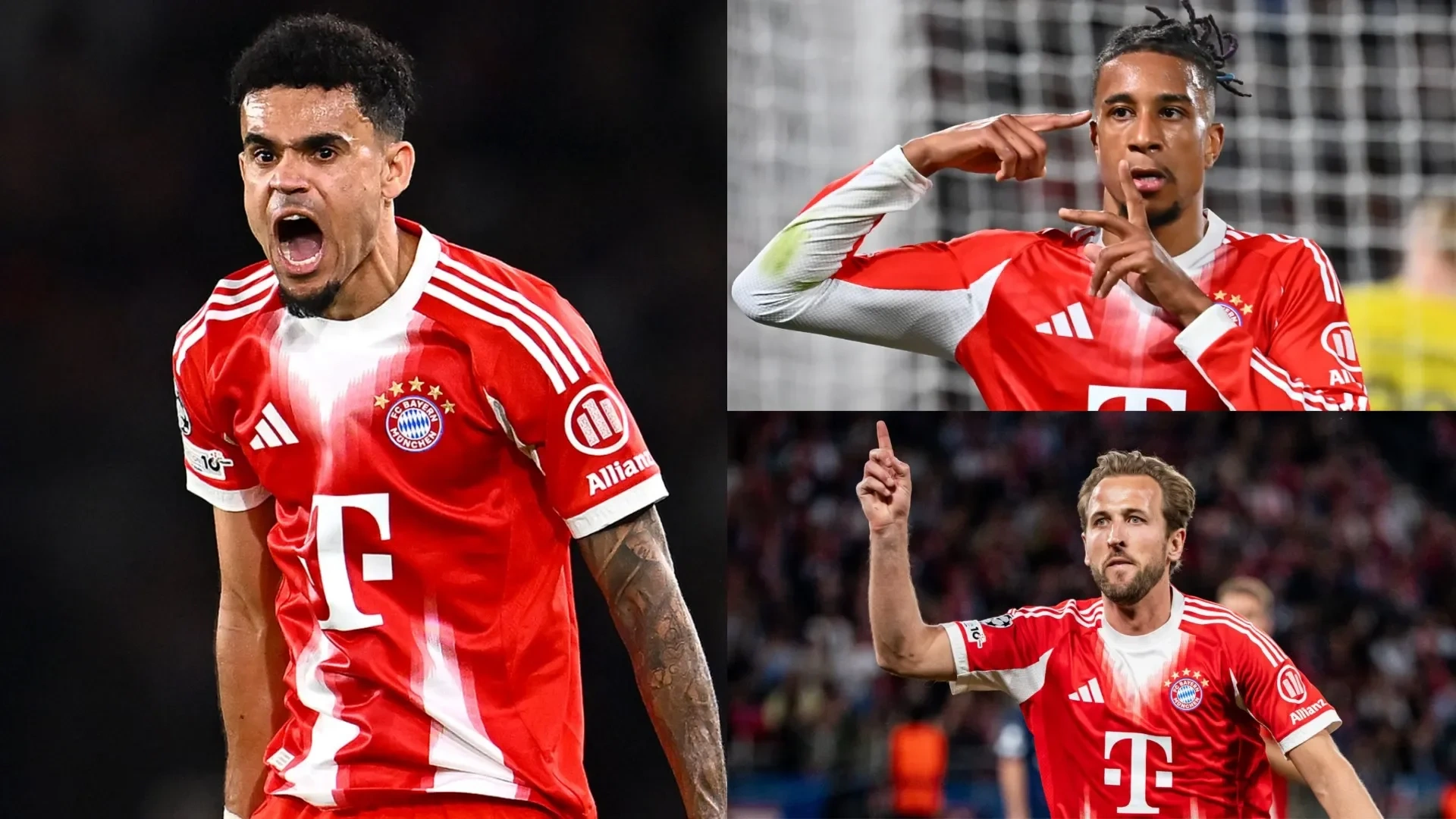
Harry Kane opened the scoring in the 17th minute after converting a penalty awarded for a foul on Luis Díaz by PSG centre‑back Willian Pacho. Kane’s composure from the spot underlined his reputation as a reliable penalty taker for both club and country.
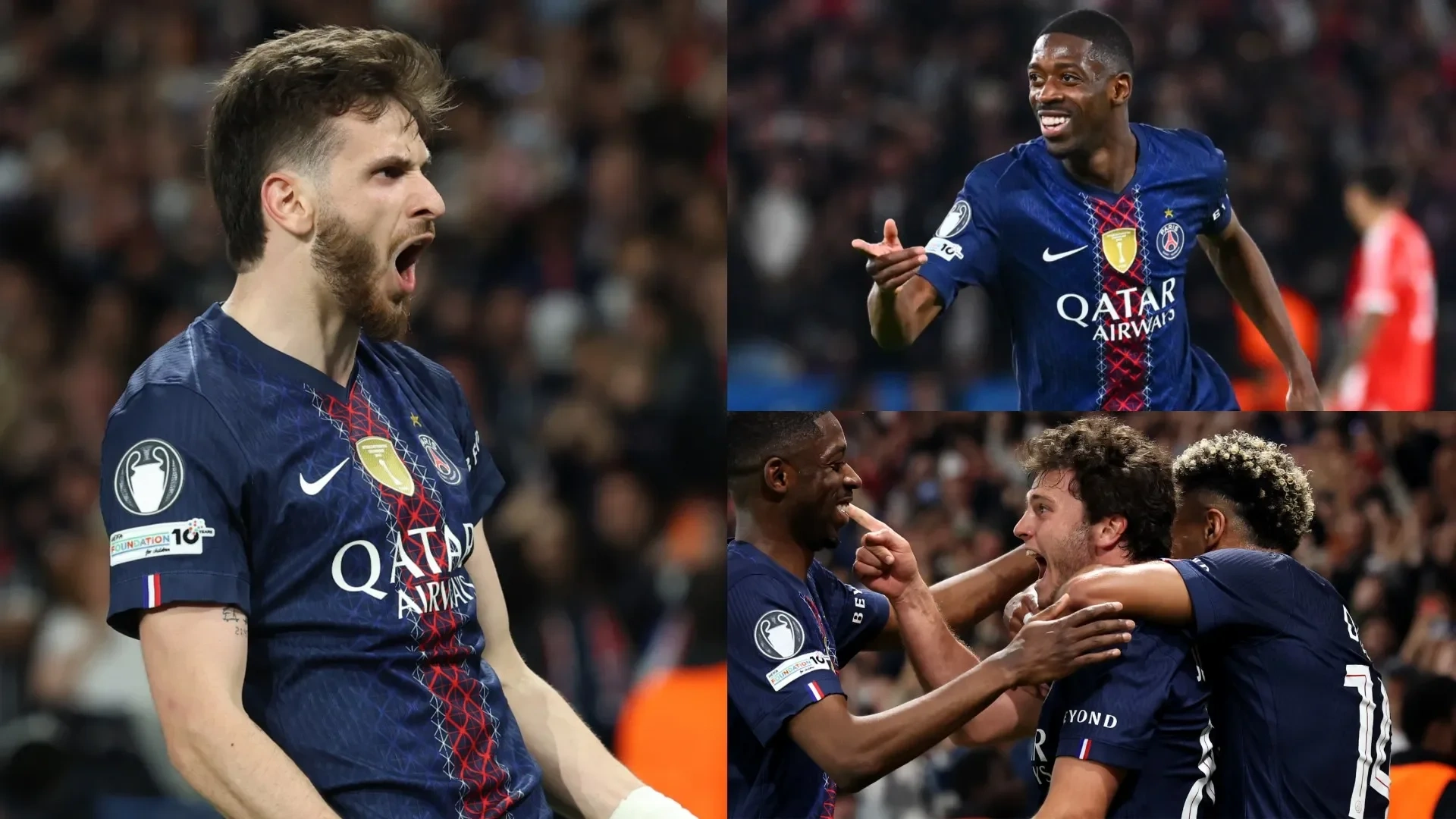
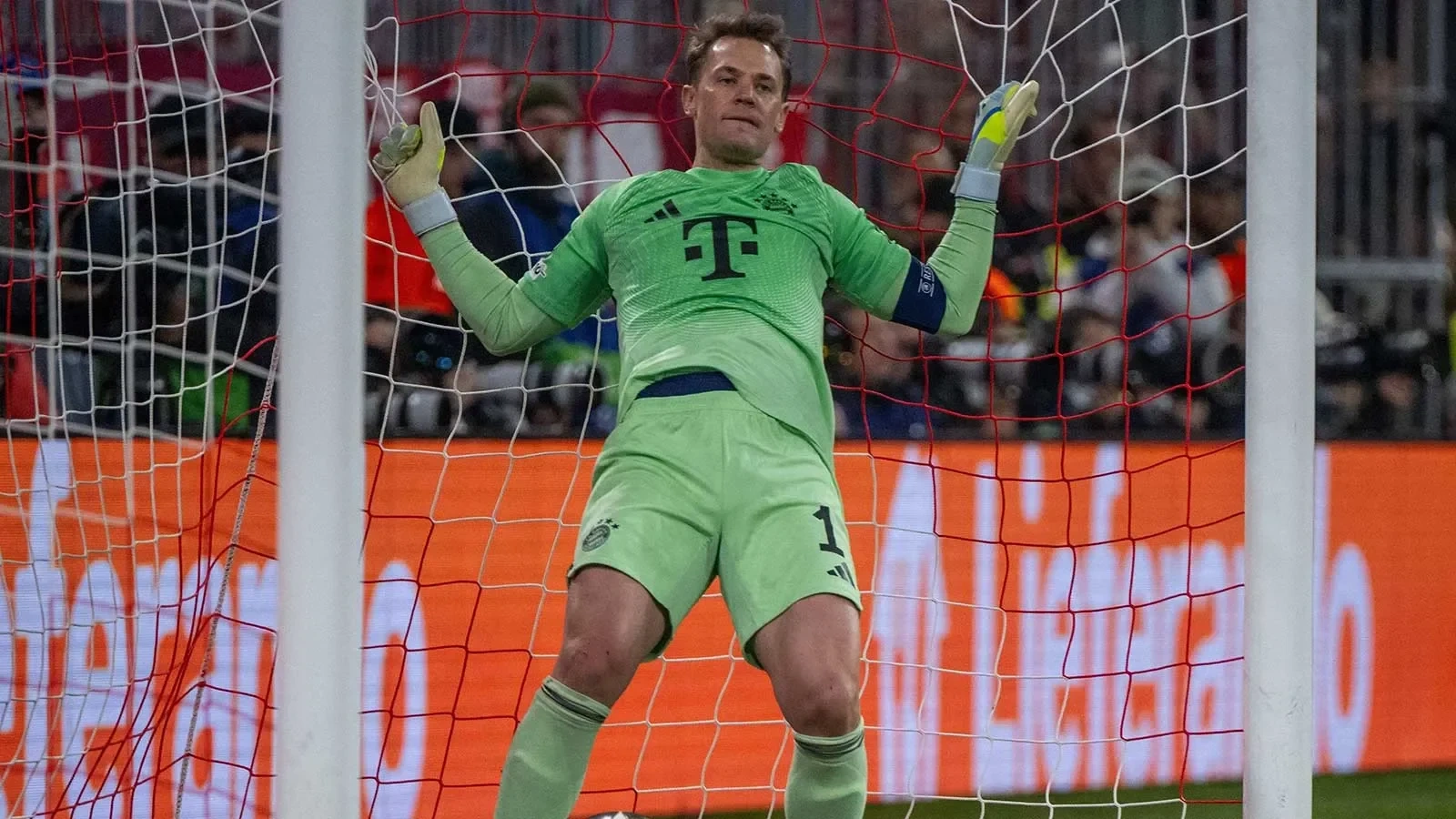
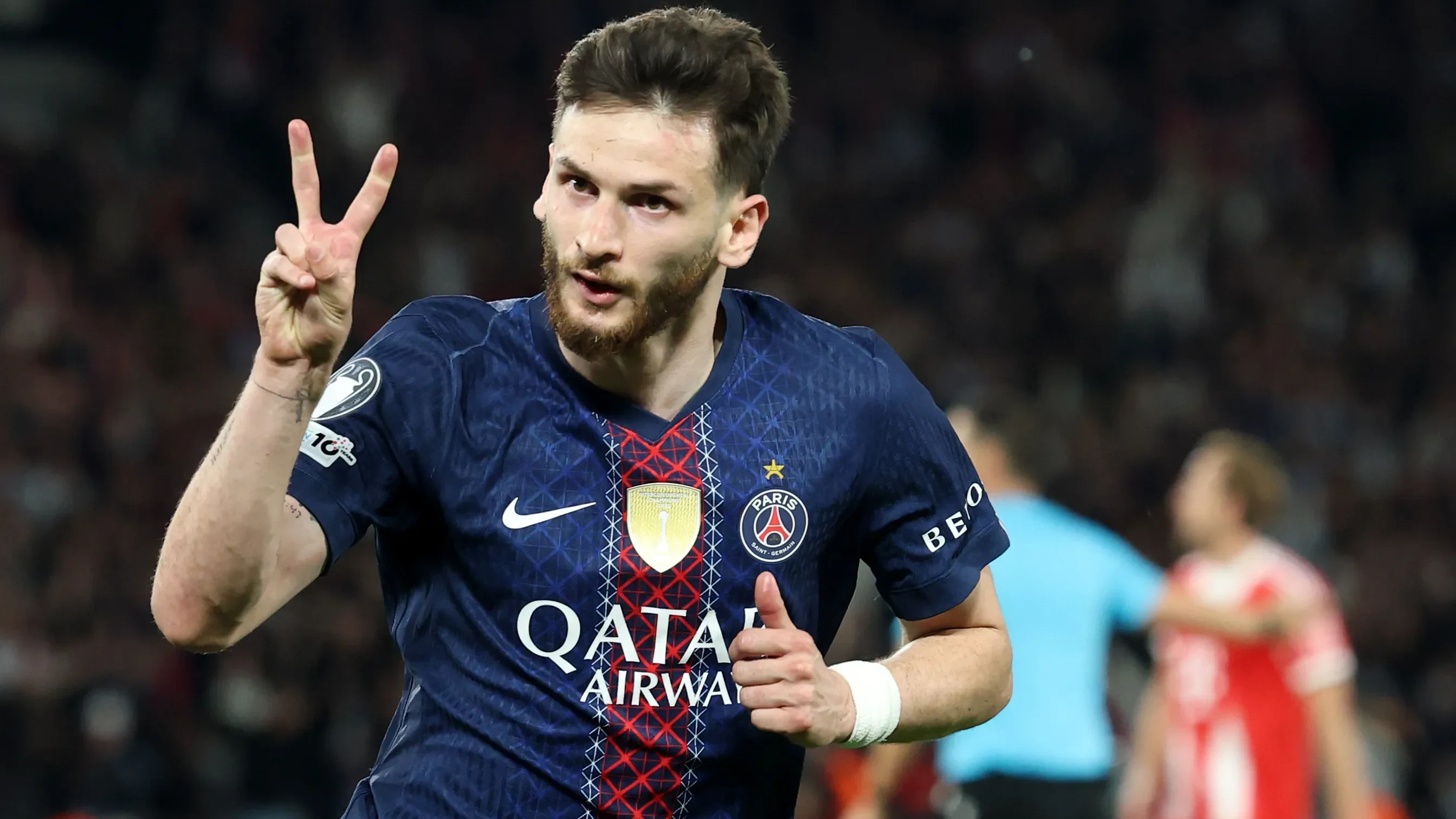
The response was immediate, as Khvicha Kvaratskhelia equalised with a curled effort that left Bayern goalkeeper Manuel Neuer stranded. Kvaratskhelia’s technique demonstrated why he has been hailed as one of the most promising forwards in Europe.
Paris Saint‑Germain reclaimed the lead thirty minutes into the game when João Neves headed home from a corner delivered by a high‑pressing midfield unit. The goal reflected PSG’s effectiveness in set‑piece situations under coach Christophe Galtier.
Bayern Munich restored parity two minutes later through Michael Olise, whose 41st‑minute strike arrived from the edge of the box after a swift counter‑attack. Olise’s goal marked his first in a Champions League knockout tie.
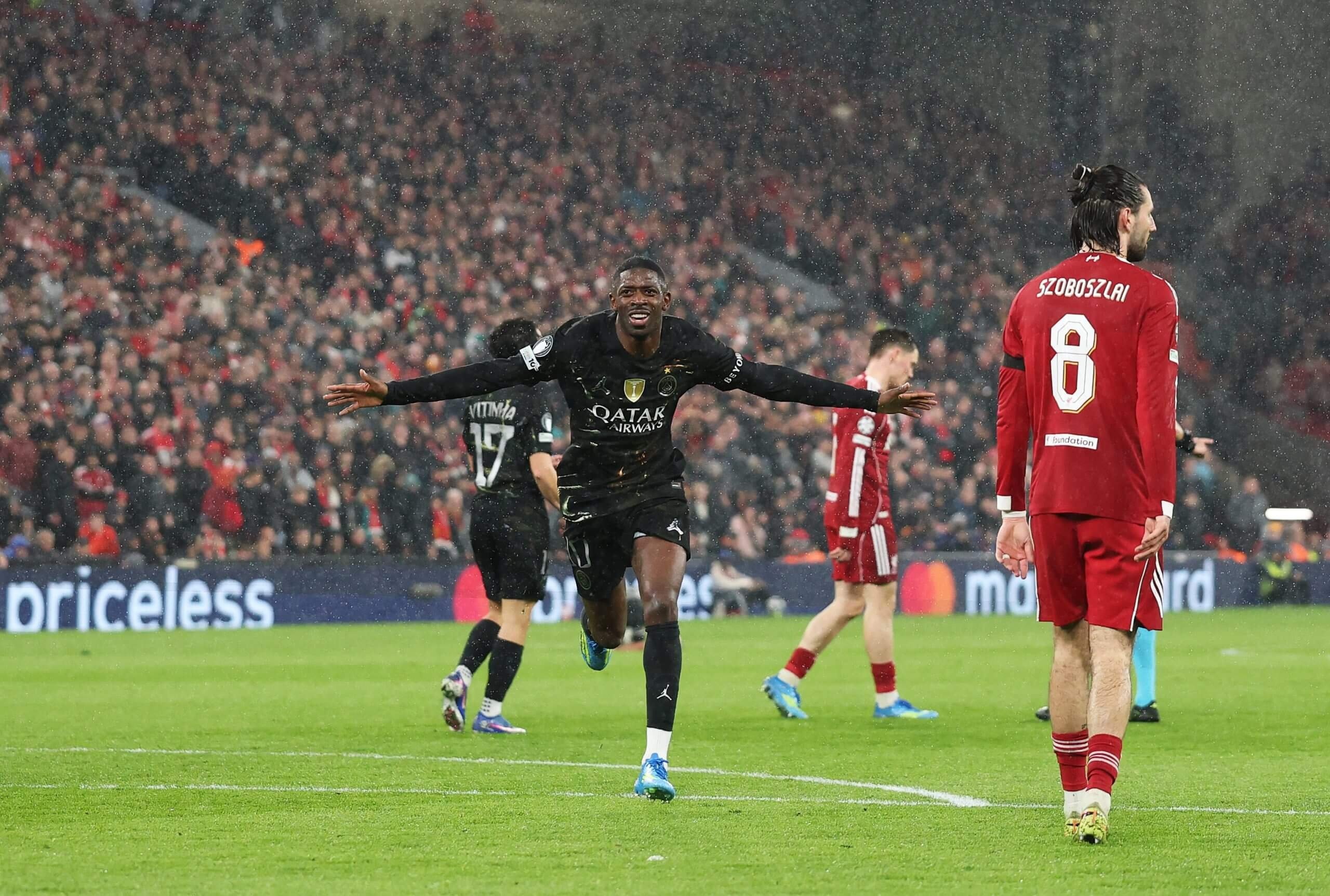
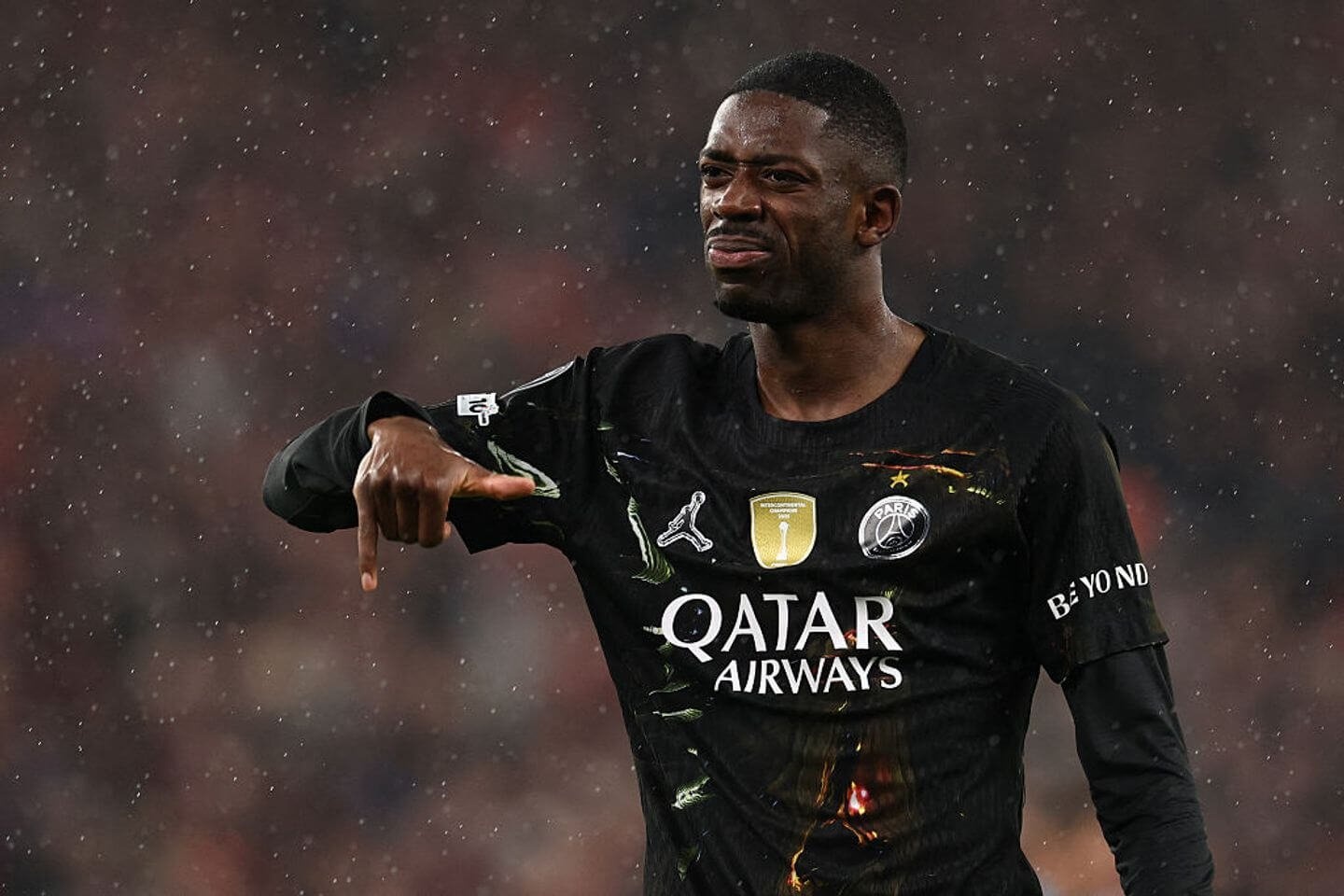
VAR intervened just before half‑time, awarding PSG a controversial stoppage‑time penalty for a handball in the Bayern penalty area. Ousmane Dembélé stepped up and calmly slotted the spot‑kick, giving the hosts a 3‑2 advantage at the break.
The second half began with Bayern pressing high, and Kvaratskhelia extended PSG’s lead to 4‑2 in the 56th minute with a low‑driven finish after a quick transition. His second goal of the evening showcased his knack for finding space behind the defensive line.
Dembélé added a second goal shortly after, beating Neuer at the near post following a well‑timed run into the box. The French winger’s brace highlighted his ability to exploit Bayern’s momentary defensive disorganisation.
Bayern refused to surrender, and Dayot Upamecano narrowed the deficit to 3‑5 with a powerful header from a corner in the 65th minute. Upamecano’s goal marked his 65th of the season across all competitions.
Luis Díaz reduced the gap to 4‑5 four minutes later, lashing home from close range after a swift one‑two with Thomas Müller. Díaz’s strike kept the tie within a single goal heading into the final minutes.
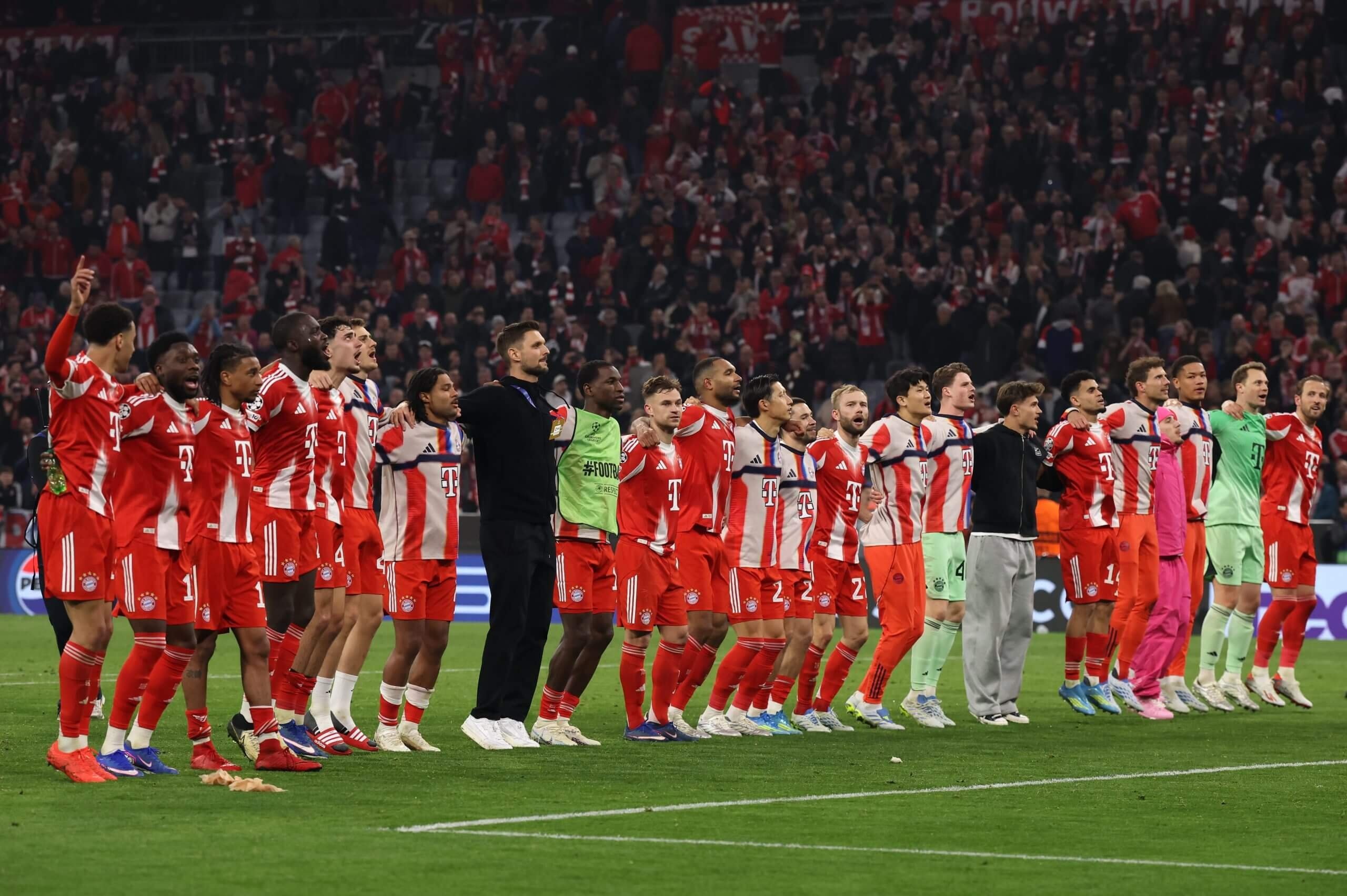
The match concluded with a 5‑4 victory for Bayern Munich, establishing the highest‑scoring semi‑final in Champions League history with nine goals. The record eclipsed previous high‑scoring ties that had produced eight goals.
World Cup winner Christoph Kramer, analysing the game for German television, remarked that the match “could have ended 9‑9” given the amount of space created by both sides. Kramer’s comment underscored the extraordinary nature of the encounter.
The statistical breakdown of the first leg is presented below, summarising key moments and individual contributions. The data illustrates the balance of attacking output between the two clubs.
| Minute | Scorer | Team |
|---|---|---|
| 17 | Harry Kane (pen) | Bayern |
| 22 | Khvicha Kvaratskhelia | PSG |
| 30 | João Neves (header) | PSG |
| 41 | Michael Olise | Bayern |
| 45+2 | Ousmane Dembélé (pen) | PSG |
| 56 | Khvicha Kvaratskhelia | PSG |
| 60 | Ousmane Dembélé | PSG |
| 65 | Dayot Upamecano (header) | Bayern |
| 69 | Luis Díaz | Bayern |
Both clubs possess rich European pedigrees, with Bayern Munich holding a record eight Champions League titles and PSG seeking their first. Their contrasting histories added an extra layer of intrigue to the semi‑final.
Bayern’s tactical setup under coach Thomas Tuchel emphasized fluid positional play, allowing midfielders to interchange and create overloads on the flanks. This approach facilitated the quick transitions that resulted in several of their goals.
PSG, guided by Christophe Galtier, deployed a high‑pressing 4‑3‑3 formation that aimed to dominate possession and exploit the width of the pitch through full‑backs like Juan Bernat. The strategy produced early chances but left gaps at the back.
Key player profiles provide insight into the impact of individual performances. Harry Kane’s penalty conversion marked his 30th Champions League goal, reinforcing his status as one of the competition’s most prolific scorers.
Khvicha Kvaratskhelia’s two goals highlighted his technical excellence and ability to perform under pressure, solidifying his reputation as a rising star after a breakthrough season with Napoli. His contributions were pivotal for PSG’s attacking output.
Dayot Upamecano, primarily a centre‑back, demonstrated aerial dominance by scoring a crucial header, a testament to Bayern’s set‑piece preparation. His defensive duties remained solid despite the offensive foray.
Manuel Neuer, despite conceding five goals, made several decisive saves that prevented an even larger margin. The veteran goalkeeper’s experience continued to be a cornerstone of Bayern’s defensive resilience.
The broader implications of the result extend beyond the semi‑final itself. A Bayern victory in the return leg would secure their ninth Champions League title, further cementing their dominance in European football.
Conversely, a PSG win in Munich would deliver the French capital its first Champions League trophy, fulfilling a long‑standing ambition for the club’s owners and supporters. The outcome will shape the narrative of French football on the continental stage.
The second leg is scheduled for Wednesday in Munich, where PSG must overcome a one‑goal deficit while also managing the physical toll of a high‑intensity first match. Bayern will look to exploit home advantage and their depth of squad experience.
Both teams have a congested fixture list in the coming weeks, with Bayern slated to face 1. FC Heidenheim on 2 May in the Bundesliga before the decisive Champions League encounter. Squad rotation will be a critical factor.
PSG’s domestic commitments include a key Ligue 1 clash against Olympique Marseille on 5 May, which could affect player availability for the second leg. Managing fatigue will be essential for maintaining performance levels.
Statistical comparisons between the two sides over the season reveal Bayern’s superior goal‑difference in the Bundesliga (+55) versus PSG’s +48 in Ligue 1, indicating a marginal edge in domestic dominance. However, head‑to‑head European encounters have been more evenly balanced.
| Competition | Goals Scored | Goals Conceded |
|---|---|---|
| Bundesliga (Bayern) | 78 | 23 |
| Ligue 1 (PSG) | 71 | 19 |
The record for the most goals in a Champions League semi‑final now stands at nine, surpassing the previous high of eight set in earlier editions. The achievement underscores the offensive firepower of both squads.
The next potential record could be set in the second leg, where five additional goals would raise the total to fourteen, matching the joint‑record held by the 2017/18 Liverpool‑Roma and 2024/25 Barcelona‑Inter ties. Both clubs possess the attacking depth to reach that mark.
Coaches from both sides have emphasized the importance of discipline in the upcoming match, noting that earlier lapses in concentration led to the high number of goals conceded. Tactical adjustments will likely focus on defensive shape without sacrificing attacking intent.
Fans worldwide have praised the spectacle, with social media platforms buzzing about the “9‑goal thriller” and the historic nature of the encounter. The match has already been described as one of the most entertaining semi‑finals in recent memory.
Broadcast partners, including Veezstream, have highlighted the game’s global reach, noting record viewership numbers for a Champions League semi‑final. The partnership ensures that the drama will be accessible to a worldwide audience.
In summary, the PSG‑Bayern first leg will be remembered for its unprecedented goal‑scoring tempo, record‑breaking totals, and the individual brilliance displayed by several star players. The stage is now set for a decisive second leg that could rewrite European football history.