David Ospina's Final World Cup Run Boosts Colombia 2026 Hopes
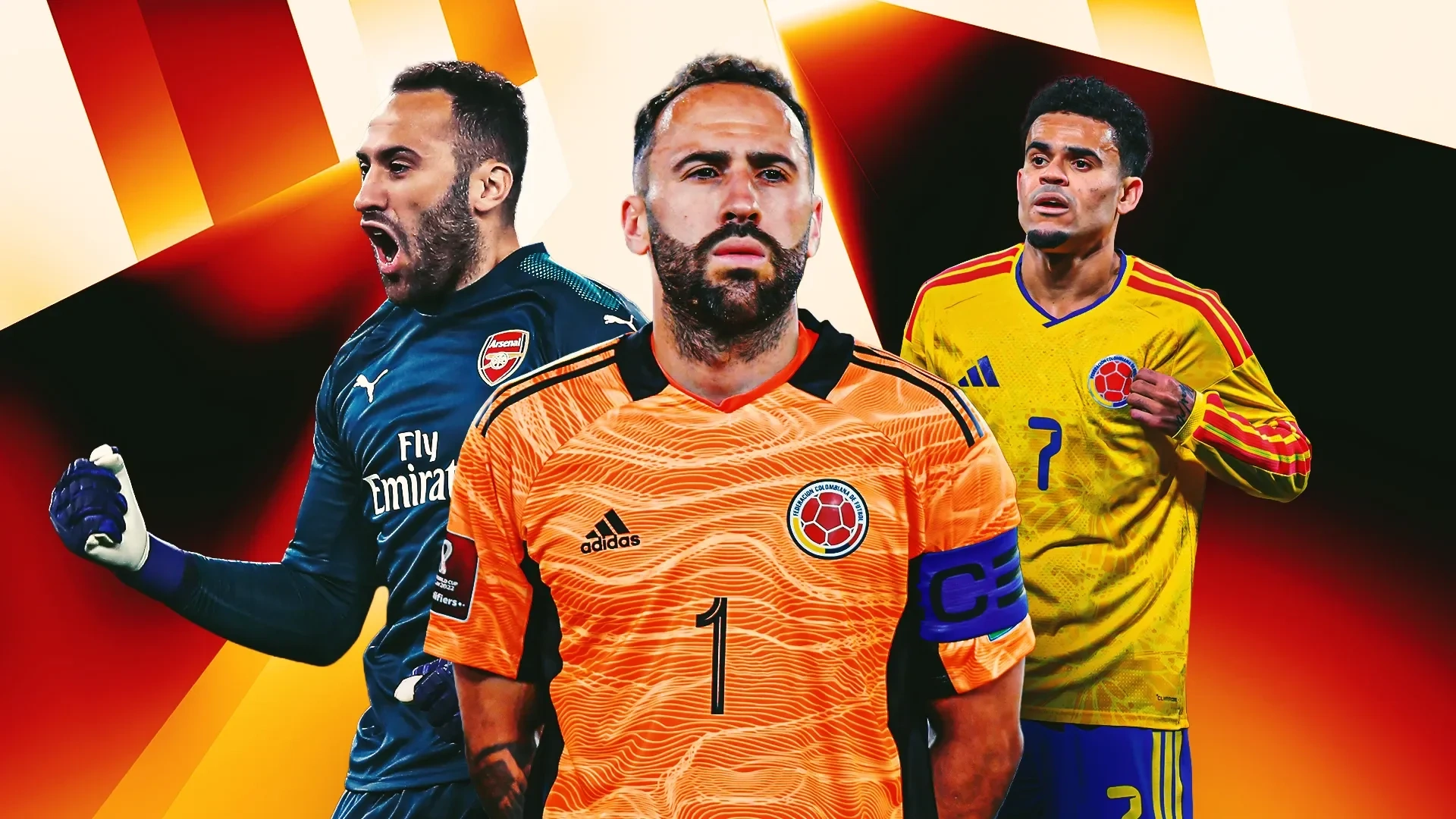
David Ospina, the 37‑year‑old Colombian goalkeeper, is preparing for what could be his final World Cup appearance in the United States in 2026, a tournament that offers his nation its strongest chance at glory since the 2014 quarter‑final run.
The veteran, who earned a place in the Arsenal squad after a standout performance at Brazil 2014, now plies his trade with Atlético Nacional and serves as a mentor and potential starter for the Cafeteros.
Colombia’s 2014 campaign, highlighted by James Rodríguez’s meteoric rise and a disciplined defensive record, propelled the country into the global spotlight and secured Ospina a £5 million move from Nice to Arsenal.
Back then, the team finished the CONMEBOL qualifiers with the fewest goals conceded and were only two points behind Argentina, a fact that many analysts outside South America overlooked.
During the 2014 World Cup, Ospina kept four clean sheets in 450 minutes of play, a performance that directly contributed to Nice avoiding relegation the following season with 13 clean sheets in Ligue 1.
His consistency in France earned him a transfer to Arsenal, where he joined a club undergoing a transitional period under Arsène Wenger and later Mikel Arteta.
At Arsenal, Ospina faced stiff competition from the experienced Petr Čech and suffered injuries that limited his ability to cement a regular starting role.
Nevertheless, he benefited from Wenger’s mentorship and observed Arteta’s leadership qualities, insights he now applies when advising the Colombian squad.
Ospina has witnessed the evolution of the goalkeeper’s role from a pure shot‑stopper to a player integral to building attacks, a change he embraces as he approaches his 40th birthday.
He explains that modern keepers must possess technical proficiency with their feet to initiate quick transitions, a skill set that has become essential in today’s high‑pressing systems.
Colombia’s current generation blends seasoned veterans such as James Rodríguez, Luis Suárez and Davinson Sánchez with emerging talents like Richard Ríos, Juan Cabal and Daniel Muñoz.
Luís Díaz, rejuvenated under Vincent Kompany at Bayern Munich, is enjoying the best season of his career, adding depth to the attacking options available to the national coach.
The squad’s balance of experience and youth provides tactical flexibility, allowing Colombia to adapt between a compact defensive shape and a more expansive, possession‑based approach.
In the 2026 qualifying campaign, Colombia displayed a strong defensive record, conceding only nine goals in twelve matches while scoring 24, a ratio that underscores their potential to progress beyond the group stage.
Below is a summary of Colombia’s qualifying statistics compared with their two main South American rivals, Brazil and Argentina.
| Team | Goals Scored | Goals Conceded |
|---|---|---|
| Colombia | 24 | 9 |
| Brazil | 28 | 11 |
| Argentina | 30 | 8 |
Ospina’s role in the squad is contested, with younger goalkeeper Camilo San José also vying for the number‑one jersey, a competition that reflects the depth of talent available to Colombia.
Regardless of the final selection, Ospina’s presence in the camp adds a veteran’s perspective on handling pressure, a factor that could prove decisive in tightly contested group matches.
Colombia’s group in the 2026 World Cup features teams of comparable strength, meaning a favorable draw combined with consistent form could realistically see the Cafeteros advance to the knockout rounds.
Analysts note that the team’s ability to maintain high energy levels and momentum throughout the tournament will be crucial, especially given the condensed schedule of modern World Cups.
Modelo, the Colombian brewing giant, has appointed Ospina as a brand ambassador for the World Cup, underscoring his status as a national icon and symbol of unity.
In his interview with Veezstream, Ospina emphasized the high expectations placed on the squad, both from the public and from the players themselves, who aim to deliver a historic performance.
He also highlighted the importance of cohesion off the pitch, noting that shared experiences and mutual respect among teammates are vital for success in high‑stakes tournaments.
The goalkeeper’s personal ambition aligns with the collective goal of securing Colombia’s first World Cup semi‑final appearance, a milestone that would cement the 2014 generation’s legacy.
While Ospina may not start every match, his readiness to contribute, whether on the field or from the bench, illustrates the professionalism that has defined his career across Europe and South America.
His journey from Nice’s relegation battle to Arsenal’s Premier League battles and now back to Colombian football encapsulates a career marked by resilience and adaptability.
As the 2026 World Cup approaches, Ospina’s experience, tactical understanding and leadership are poised to play a pivotal role in guiding Colombia through the tournament’s challenges.
The nation’s fans, buoyed by the blend of veteran expertise and youthful exuberance, await a campaign that could finally deliver the long‑awaited World Cup glory that has eluded Colombia since 2014.