Jackie Robinson Day Celebrations and Roki Sasaki’s Struggles Spotlight the Los Angeles Dodgers
Jackie Robinson Day arrives with a mixture of celebration and reflection, reminding fans and players alike of the enduring impact of the 1947 pioneer who broke baseball’s color barrier.
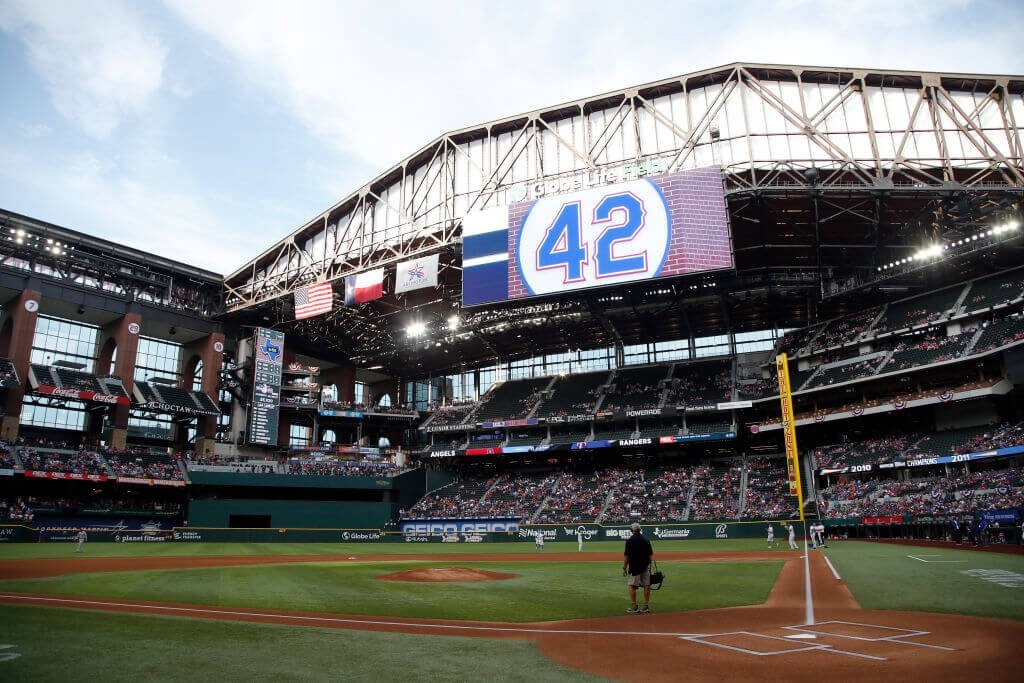
The day’s observances range from the iconic statue “Stealing Home: The Point of No Return” at Dodger Stadium, unveiled in 2017, to a more sobering reminder of America’s past displayed at Globe Life Field.
That reminder comes in the form of a former law‑enforcement officer’s statue, originally stationed to enforce segregation at a Texas high school in 1957, a year after Robinson’s retirement.
The juxtaposition of these monuments underscores how far the sport has traveled while highlighting the work still required to achieve true equality.
Robinson’s debut helped shift public opinion toward integration, a factor that contributed, albeit indirectly, to landmark decisions such as Brown v. Board of Education (1954) and the Civil Rights Act of 1964.
His legacy is celebrated not only for on‑field excellence but also for the broader societal change his presence catalyzed.
Yet, the weight of history remains palpable; ignoring the continued relevance of those struggles can render commemorations hollow.
Baseball’s ability to confront its past, as demonstrated by the Rangers’ display, offers a template for other organizations seeking to balance honor with accountability.
Turning to the field, the Los Angeles Dodgers have been a focal point of discussion this season, both for their historical significance and current on‑field challenges.
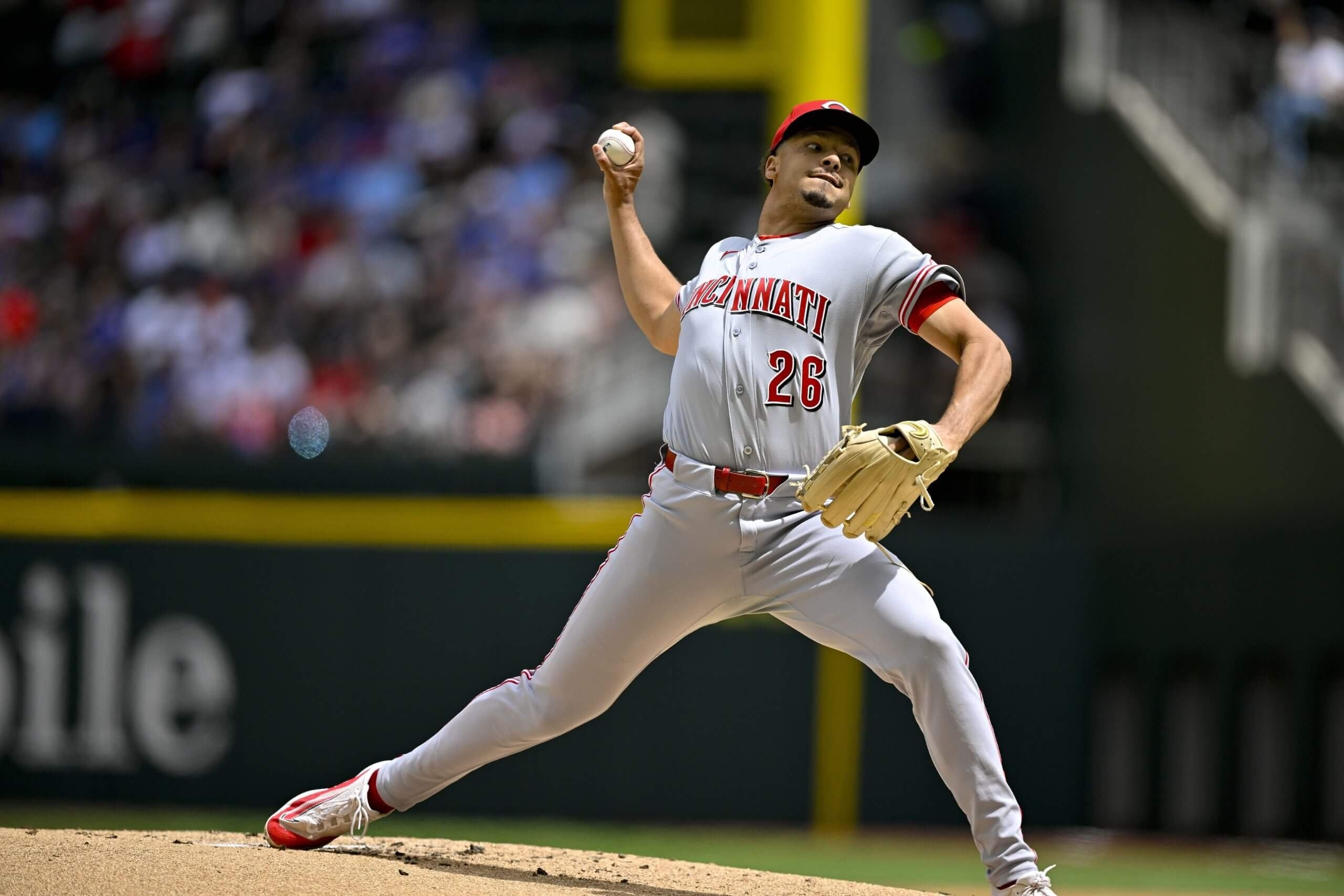
One of the most pressing issues involves Japanese phenom Roki Sasaki, whose early promise has been hampered by control problems and injuries.
Sasaki, a 24‑year‑old right‑hander, entered the major leagues after dazzling scouts with a fastball that once topped 102 mph while with the Chiba Lotte Marines.
His transition to MLB has been marked by a stark decline in strike‑out efficiency and an alarming walk rate.
In the 2024 season, Sasaki has issued 10 walks in 63 batters faced, translating to a 6.9 walks‑per‑nine‑innings (BB/9) rate that is unsustainable for a starter.
His inability to locate first‑pitch strikes has forced him into long, low‑efficiency outings, often failing to progress beyond the fourth inning.
During a recent start against the Texas Rangers, Sasaki surrendered two hits and two walks in the first two frames before being challenged by a disciplined Rangers lineup that lay off his splitter.
The Rangers’ strategic avoidance of his off‑speed pitch exposed his reliance on fastball command, leading to two runs in the third and an early exit after the fourth inning.
Despite a current fastball velocity of 97 mph—still above league average—Sasaki’s lack of precise control has limited his effectiveness.
His secondary offerings consist of a splitter and a recently added slider, but without consistent command, hitters can anticipate and neutralize his off‑speed arsenal.
Scouts who once praised him as possessing “the best fastball you will ever see” now note that his repertoire is “far from polished” and that a bullpen role may better suit his skill set.
During the 2023 season, Sasaki briefly thrived in a relief capacity for the Dodgers, suggesting a potential path forward if he can adapt to shorter stints.
His shoulder injury in 2023, which reduced his velocity to 96 mph, remains a lingering concern, though recent reports indicate a modest rebound to 97 mph.
Analysts from the Aces Project this spring did not rank Sasaki among the top 50 prospects, reflecting the uncertainty surrounding his development.
Beyond individual performance, the Dodgers have contended with a high injury toll, tying with the Houston Astros for the second‑most injured players at 12.
In fact, a league‑wide injury audit reveals the Baltimore Orioles lead with 13 injured players, followed closely by the Astros and Dodgers.
| Team | Injured Players | 60‑Day IL Players |
|---|---|---|
| Baltimore Orioles | 13 | 6 |
| Houston Astros | 12 | 6 |
| Los Angeles Dodgers | 12 | 5 |
The Arizona Diamondbacks, while ranking fourth with 11 injuries, top the league in 60‑day IL placements at seven.
Conversely, the Cleveland Guardians, Pittsburgh Pirates, and Oakland Athletics each boast only two injured players, with none exceeding the 60‑day IL threshold for the Guardians and Pirates.
This disparity highlights the varying depth and medical resources across franchises.
In the midst of these challenges, veteran closer Kenley Jansen recorded his 479th career save, moving him into third place on the all‑time list.
Jansen’s longevity offers a stark contrast to the injury‑plagued narratives of many younger arms.
Meanwhile, the MLB calendar brings an additional deadline: Tax Day.
Professional athletes must navigate a complex web of state and local tax obligations, often filing in multiple jurisdictions due to the itinerant nature of the sport.
States without income tax—Texas, Tennessee, and Florida—remain popular offseason homes for players seeking to minimize tax burdens.
Arizona and North Dakota also provide low rates, at 2.5 % and 2.5 % respectively, making them attractive secondary locations.
Beyond fiscal considerations, cultural adjustments continue to affect international players such as Japan’s Tatsuya Imai, who reports difficulty acclimating to American dining customs.
These off‑field factors can influence on‑field performance, underscoring the holistic nature of player development.
Returning to Sasaki, his statistical profile this season illustrates the core of his struggles.
| Stat | Value | League Avg. |
|---|---|---|
| BB/9 | 6.9 | 3.2 |
| Fastball Velocity | 97 mph | 93 mph |
| Innings per Start | 3.8 | 5.6 |
The walk rate is more than double the league average, while his innings per start fall well short of the typical starter’s workload.
Scouts suggest that refining first‑pitch strike percentages and integrating a more diverse pitch mix could improve his efficiency.
However, such adjustments require consistent health and mechanical stability, both of which have been elusive for Sasaki.
From a tactical perspective, the Dodgers have experimented with short‑turn relief appearances for Sasaki, aiming to harness his raw velocity while limiting exposure to prolonged lineups.
This approach mirrors the successful transitions of other former starters who found renewed value in high‑leverage bullpen roles.
Beyond individual cases, the broader league trend shows an increasing reliance on specialized relievers, a shift that may benefit pitchers like Sasaki who possess elite velocity but lack starter endurance.
Meanwhile, the Orioles, despite their injury woes, have demonstrated resilience by fielding competitive lineups, a testament to organizational depth.
Their ability to adapt highlights the importance of robust farm systems in mitigating the impact of injuries.
In contrast, the Dodgers’ depth has been tested, with injuries to key position players and pitchers creating roster volatility.
Such instability can affect team chemistry and performance consistency over the grueling 162‑game schedule.
As the season progresses, monitoring how teams manage injury lists and player health will be crucial for playoff forecasting.
For fans observing Jackie Robinson Day, the parallel narratives of progress and ongoing challenges serve as a reminder that baseball’s evolution is both historical and contemporary.
The day’s symbolism, combined with the current on‑field realities—from Sasaki’s quest for command to the Dodgers’ injury ledger—illustrates the sport’s complex tapestry.
Ultimately, honoring Robinson’s legacy involves not only celebrating past victories but also confronting present inequities and performance hurdles.
Only by maintaining that dual focus can baseball continue to move forward, embodying the spirit of “the point of no return” that Robinson so boldly defined.