Tottenham set PL survival target: need 7 points in 4 games
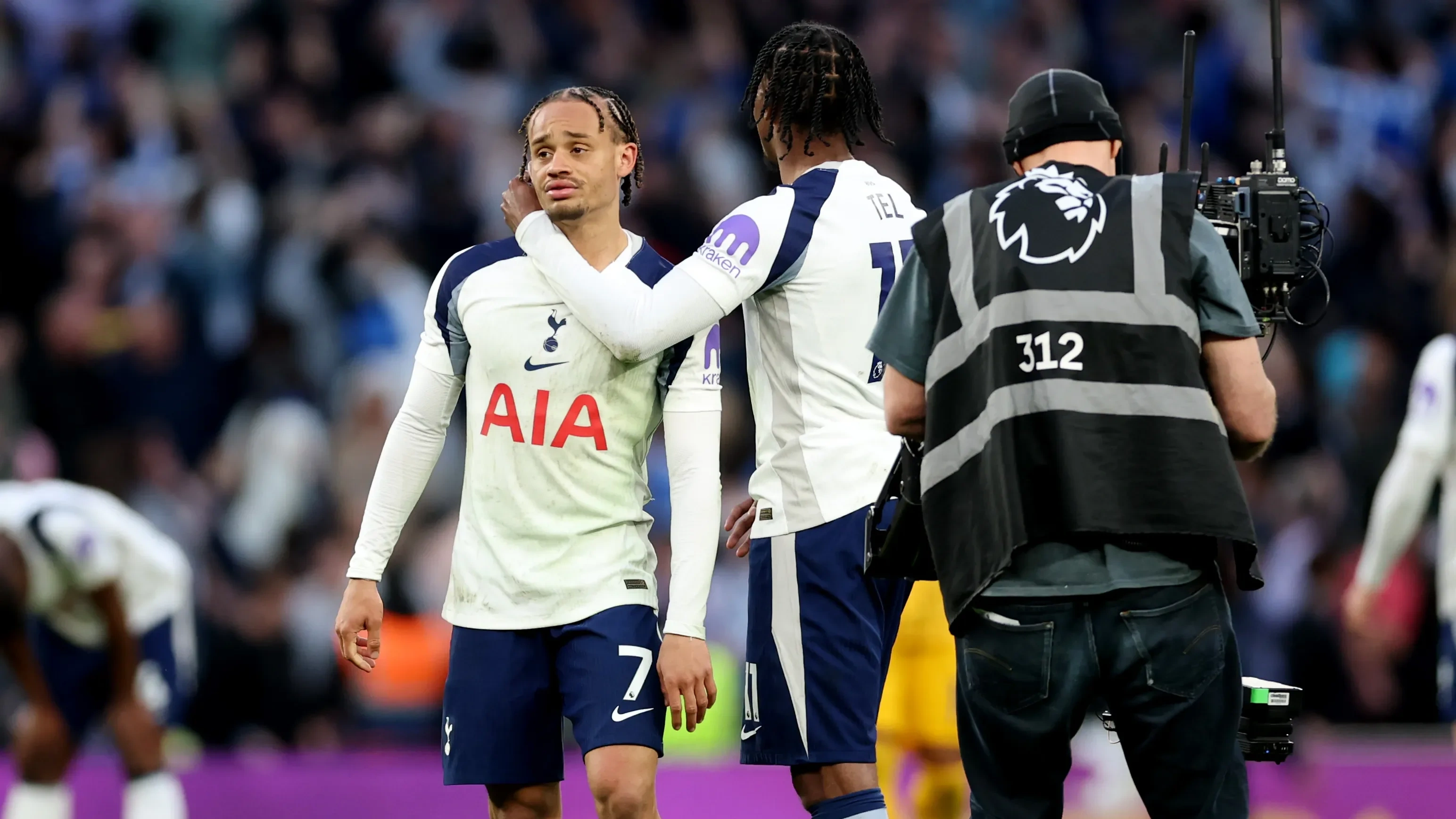
Tottenham Hotspur have been handed a precise points target for the final four Premier League fixtures in order to secure survival, according to former striker Louis Saha.
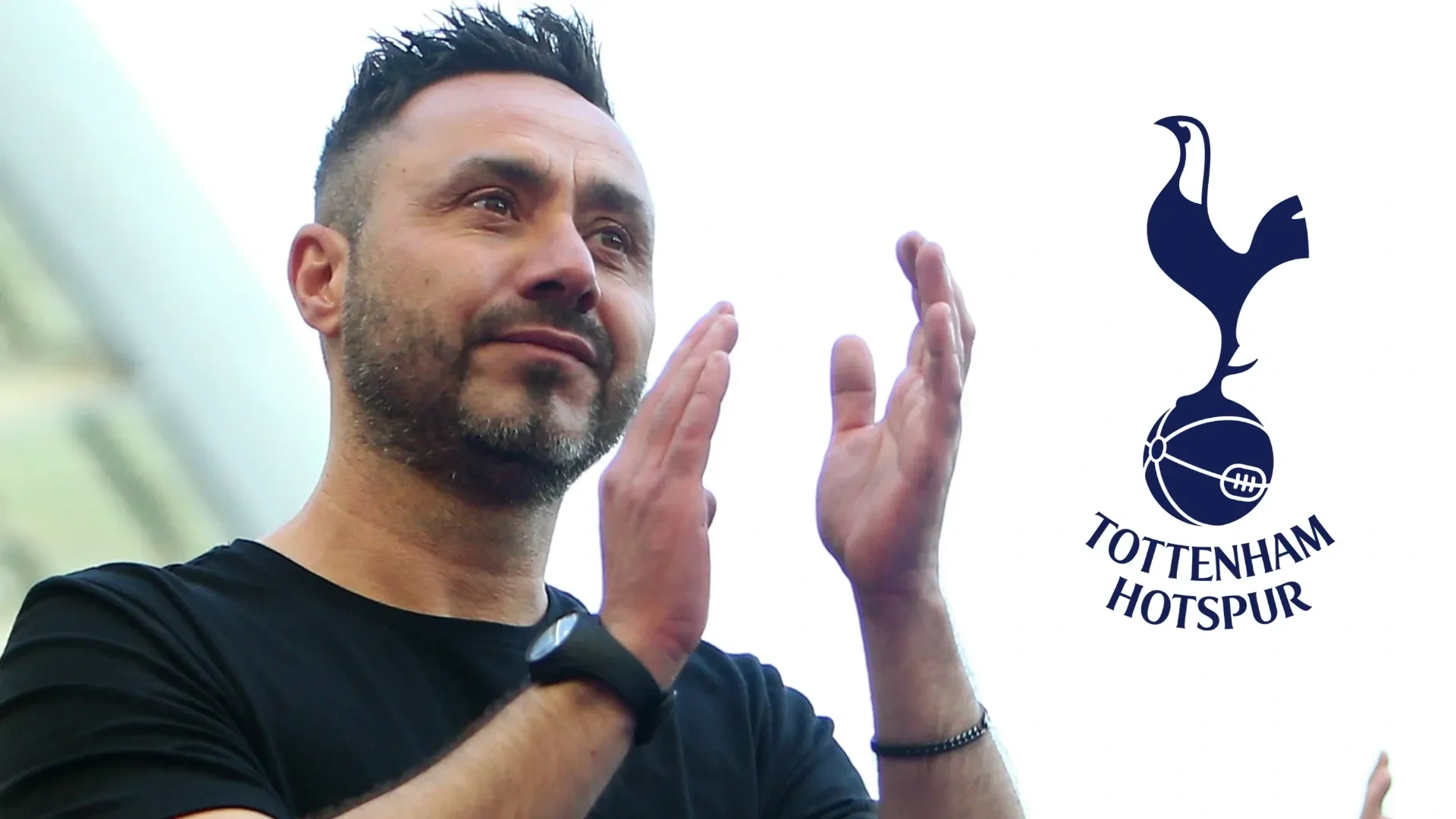
The club, now under Roberto De Zerbi, must navigate a tight schedule that includes away trips to Aston Villa and Chelsea, plus home games against Leeds United and Everton.
De Zerbi’s appointment follows a turbulent summer that saw three managerial changes since the start of the 2025‑26 campaign.
After winning the Europa League under Ange Postecoglou, Spurs finished 17th last season, prompting the board to replace the successful coach with Thomas Frank.
Frank’s tenure lasted only a few months before interim manager Igor Tudor was installed, a stint that concluded after just seven games.
De Zerbi, previously at Brighton and Marseille, delivered the club’s first Premier League win of 2026 by beating Wolverhampton Wanderers.
That victory narrowed the gap to two points between Tottenham and safety, intensifying the pressure on the new manager and his squad.
In an exclusive interview with Veezstream, Saha explained that “two wins will be enough, but they will be sweating,” emphasizing reliance on rival results.
He added that “they need seven points, or at least two wins and a draw, while hoping their direct competitors drop points.”
The former striker highlighted the importance of “difficult mathematics” but affirmed that the squad possesses the quality to achieve the required results.
Saha also criticised a series of “terrible” transfer and strategic decisions that he believes have undermined Tottenham’s potential.
He noted that despite strong business operations, the club’s on‑field performances have suffered from “huge mistakes” in recruitment.
Tottenham’s last relegation from the top flight occurred in 1977, a season from which they rebounded immediately the following year.
The memory of that demotion still looms, and the club is determined to avoid repeating history by securing Premier League status this season.
In terms of squad depth, injuries have plagued key positions, leaving De Zerbi to rely on younger players and limited options.
Midfielder Harry Kane remains fit, providing a focal point for the attack, while defender Cristian Romero has missed several weeks.
Statistically, Tottenham have accumulated 31 points from 30 matches, placing them in 18th position with a goal difference of –12.
| Matches Played | Points | Goal Difference |
|---|---|---|
| 30 | 31 | -12 |
The remaining fixtures offer a maximum of 12 points, meaning Spurs must collect at least seven to reach the safety threshold.
Against Aston Villa, Tottenham will need to counter a side that has struggled defensively but possesses a potent counter‑attack.
Villa’s recent form includes conceding an average of 1.8 goals per game, suggesting opportunities for Spurs to exploit the wings.
Leeds United, the next opponent, have a strong home record, making a draw a realistic minimum target for Tottenham.
De Zerbi’s tactical setup is expected to feature a 4‑2‑3‑1 formation, leveraging Kane’s hold‑up play and the creativity of James Madison.
Against Chelsea, Spurs will face a high‑pressing side that thrives on quick transitions, requiring disciplined defensive organization.
Everton, the final match, presents a chance to secure the needed points at home, with the crowd’s support potentially influencing the outcome.
Historically, Tottenham have performed better in the second half of the season, winning 60 % of matches after the New Year.
However, this season’s inconsistency has seen them drop points against lower‑ranked teams, a pattern Saha attributes to poor decision‑making.
Financially, the club continues to generate significant revenue, ranking among the top five Premier League earners despite on‑field struggles.
Such economic strength underscores the contrast between off‑field stability and the urgent need for improvement on the pitch.
The board’s strategic plan emphasizes long‑term development, yet immediate results are required to avoid the financial repercussions of relegation.
Relegation would trigger a loss of broadcast revenue estimated at £150 million, alongside reduced commercial sponsorships.
Moreover, player contracts often contain relegation clauses, potentially leading to the departure of key assets such as Kane.
In light of these stakes, De Zerbi has emphasized a “win‑or‑lose” mentality in training, focusing on set‑piece efficiency.
Spurs have scored 38 goals this season while conceding 50, indicating a need for defensive tightening and sharper finishing.
| Goals Scored | Goals Conceded | Points per Game |
|---|---|---|
| 38 | 50 | 1.03 |
Player performances have been mixed; while Kane has contributed 12 goals, the midfield has struggled to create clear‑cut chances.
Young winger Oliver Skipp has shown promise, registering three assists in his last five appearances.
Defensively, Toby Alderweireld remains a stalwart, but the lack of depth behind him has been exposed by injuries.
Goalkeeper Fraser Rogers has kept five clean sheets, yet his distribution errors have occasionally led to dangerous turnovers.
Looking ahead, Tottenham’s success will hinge on their ability to convert a high percentage of chances created.
Analytics indicate that Spurs have a conversion rate of 12 %, below the league average of 14 %.
Improving this metric could be the decisive factor in securing the seven points required for survival.
Fans remain divided, with some expressing confidence in De Zerbi’s vision, while others call for immediate remedial action.
Supporter groups have organized travel to the remaining away fixtures, emphasizing the club’s desire to rally behind the team.
In summary, Tottenham face a critical juncture where tactical adjustments, player fitness, and a clear points target converge.
Should they achieve the minimum seven points, the club will preserve its Premier League status and avoid the historic repeat of 1977.