From goal machine to attacking enigma… Mbappé’s crisis deepens!
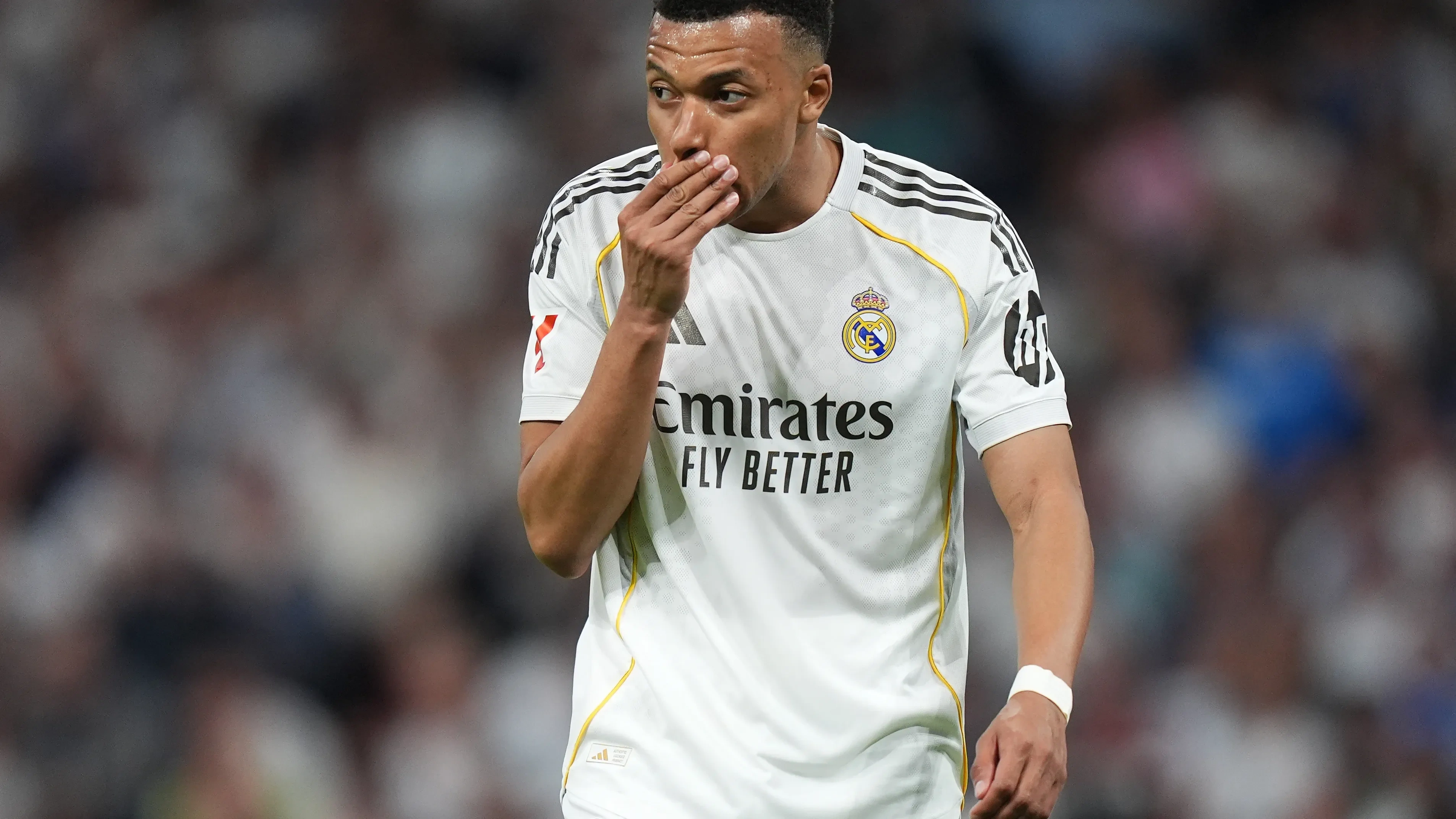
Real Madrid’s season has become a case study in how a single player’s form can influence a club’s fortunes, and the current narrative centers on Kylian Mbappé’s pronounced dip in goal‑scoring productivity. When the French forward arrived at the Santiago Bernabéu under Xabi Alonso’s project, his impact was immediate, contributing nine of the first sixteen team goals and helping Los Blancos to a seven‑match winning streak that set the tone for a strong LaLiga campaign.
Those early contributions were not isolated incidents; after a brief setback at the Metropolitano, Madrid responded with six consecutive victories, during which Mbappé added eight more goals to the tally. The striker’s early-season conversion rate—one goal every 70 minutes, or 25% of shots—positioned him among the most efficient forwards in Europe and reinforced the perception that his presence was essential to the club’s attacking identity.
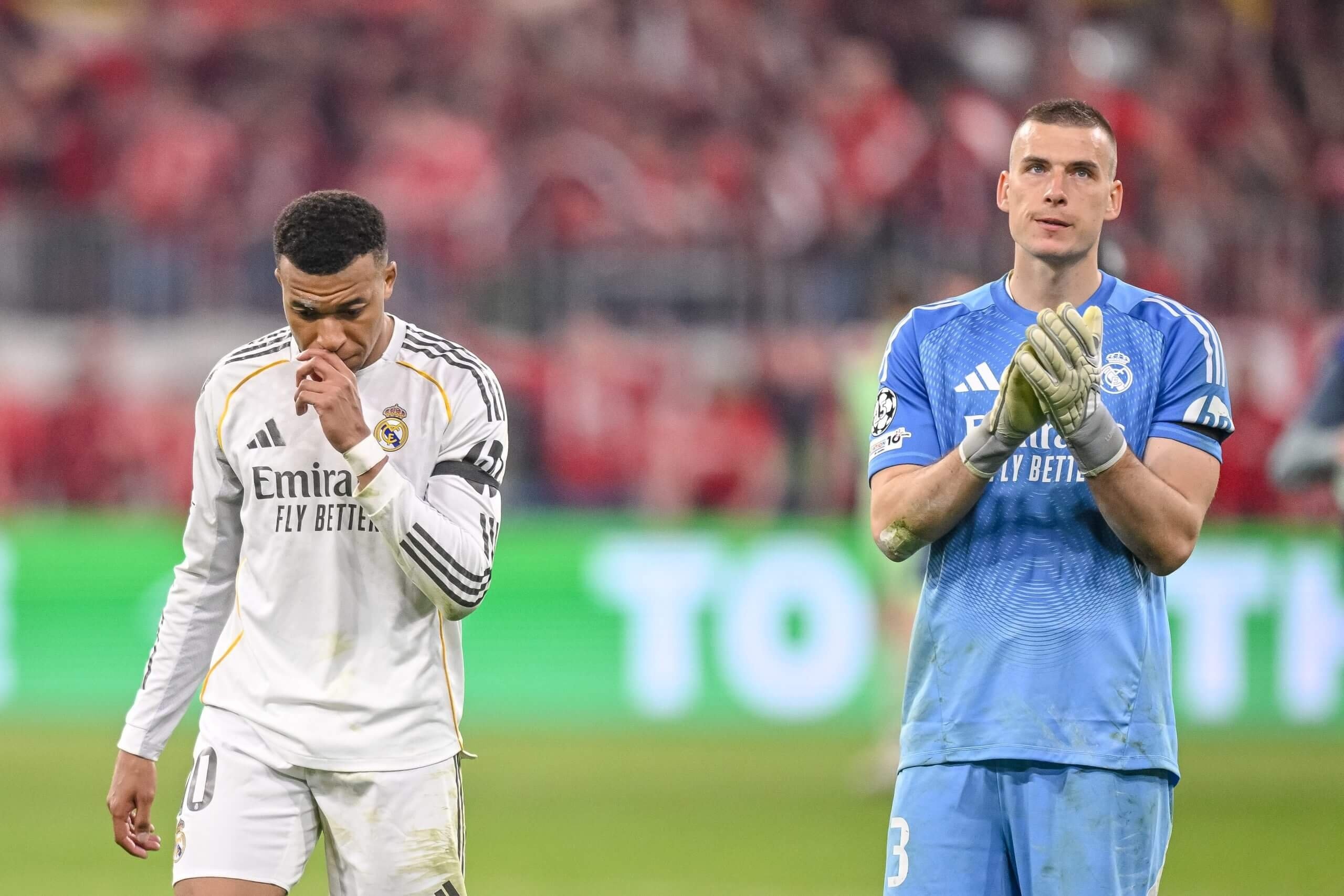
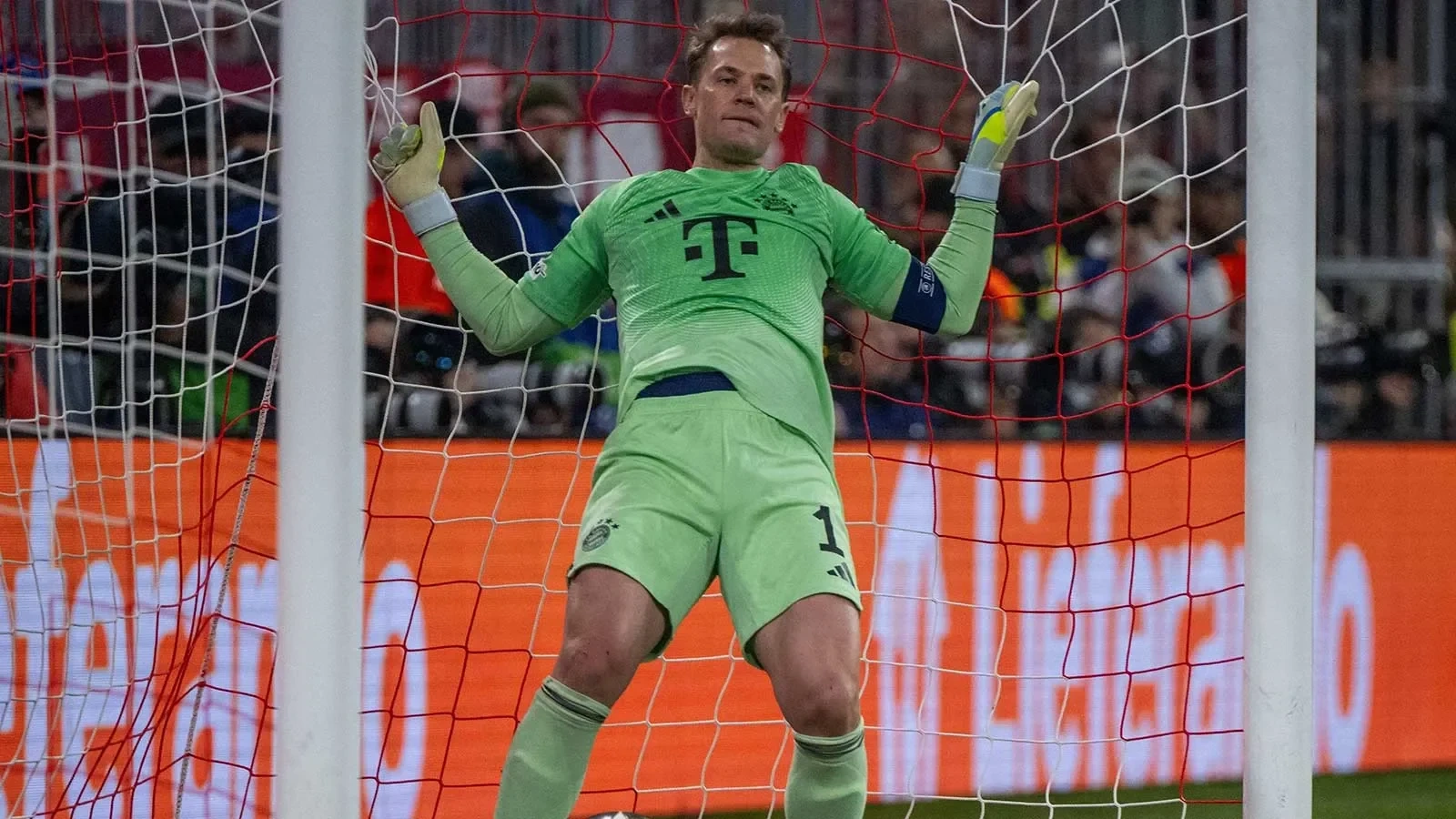
Since the high‑profile Champions League encounter with Bayern Munich on 16 April, the statistical picture has shifted dramatically. In the seven matches that followed, Mbappé has found the net only once, a goal that arrived in a crucial moment against the German side but did not halt a broader trend of declining effectiveness. His current conversion rate has fallen to 4%, translating to a goal every 497 minutes, a stark contrast to his early-season numbers.
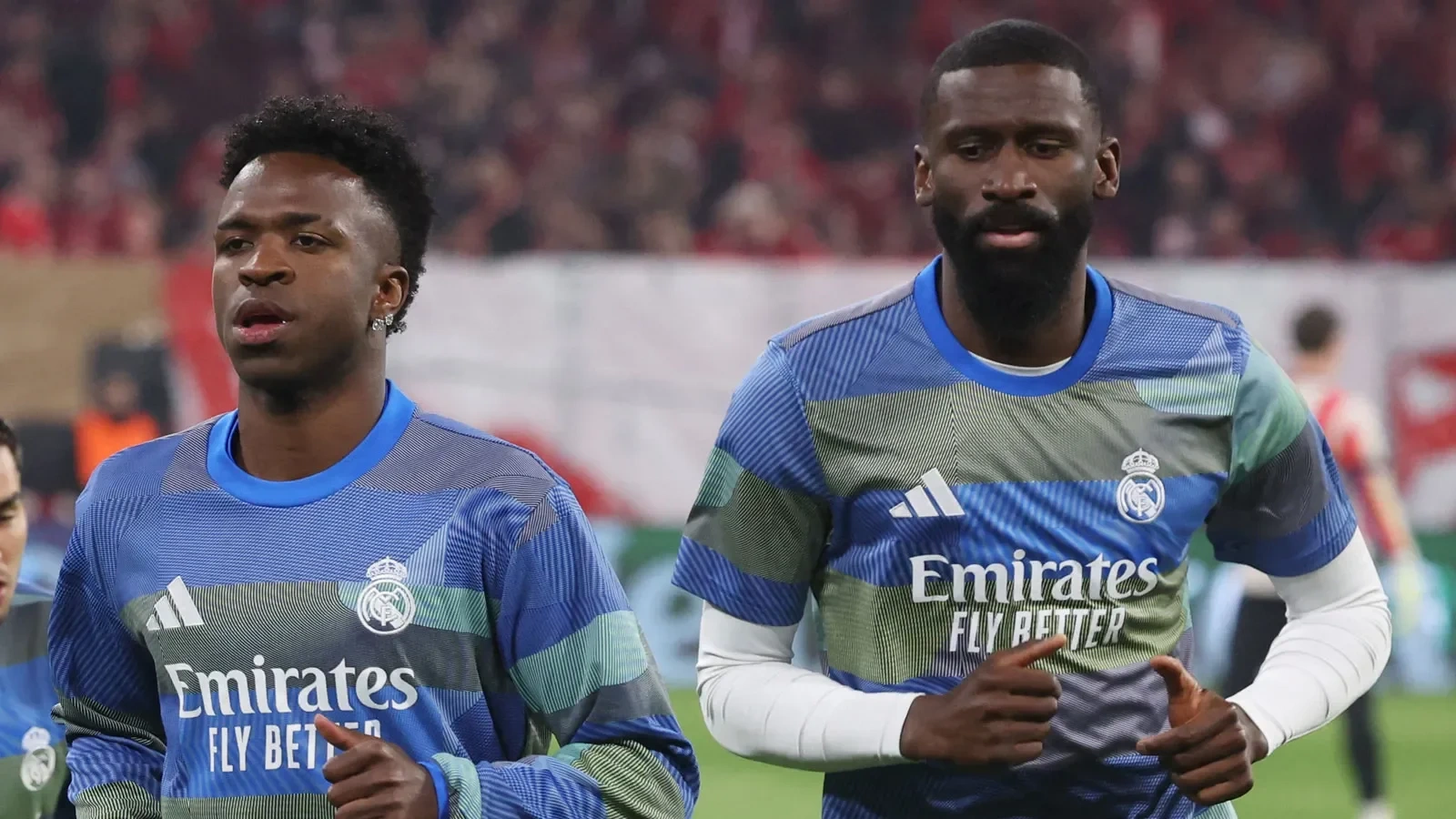
The decline is reflected in the team’s overall output as well. Real Madrid’s goal production has slipped from an average of 2.3 per game during the opening phase of the season to 1.5 in the most recent fixtures, indicating that the issue extends beyond a single player to the collective attacking rhythm. Analysts note that the reduced efficiency coincides with a noticeable drop in Vinícius Júnior’s contributions, whose goal involvement has nearly halved since Mbappé re‑established himself in the starting eleven.
Vinícius’s downturn is particularly significant given his role as the primary outlet on the left flank, where he previously combined with Mbappé to create a dynamic one‑two that unsettled defenses. The statistical correlation suggests that the Frenchman’s reduced threat may be affording opponents more space to contain the Brazilian, thereby diminishing the overall potency of Madrid’s forward line.
Club veteran Álvaro Arbeloa addressed the mounting criticism in a recent press briefing, emphasizing that the numbers do not warrant alarm concerning individual quality. “I can’t worry about players with the numbers they have. They are certainly among the top four or five players in the world,” he said, underscoring the need to focus on broader tactical adjustments rather than singling out Mbappé.
Arbeloa highlighted the team’s difficulty against compact, low‑block opponents who deny space and limit pressing opportunities, a scenario that has become more frequent in both LaLiga and the Champions League. He suggested that the lack of clinical finishing is a systemic issue, requiring collective improvements in movement, decision‑making, and the creation of high‑quality chances.
To contextualize Mbappé’s current form, it is useful to compare his seasonal metrics with those of his peers in the top five European leagues. The table below presents a snapshot of key attacking statistics for the leading forwards at the same stage of the 2025‑26 campaign.
| Player | Goals per 90 | Shot Conversion % |
|---|---|---|
| Kylian Mbappé (Real Madrid) | 0.31 | 4% |
| Erling Haaland (Manchester City) | 0.92 | 24% |
| Robert Lewandowski (FC Barcelona) | 0.78 | 21% |
While Haaland and Lewandowski maintain conversion rates above 20%, Mbappé’s 4% places him well below the benchmark for elite strikers, reinforcing the urgency of addressing his finishing inefficiency. The disparity also illustrates the broader challenge Real Madrid faces in replicating the clinical edge exhibited by its chief rivals.
Historically, Real Madrid has navigated periods of individual player slumps by adapting their tactical framework, a pattern evident during the “Galáctico” eras of the early 2000s and the more recent Cristiano Ronaldo phase. In those cycles, the club often shifted to a more fluid attacking structure, integrating midfield runners and increasing reliance on set‑piece proficiency to compensate for reduced striker output.
Current tactical observations under Xabi Alonso indicate a preference for a 4‑3‑3 formation that leverages high pressing and quick transitions. However, the recent data suggests that Madrid’s pressing intensity has waned, particularly against teams that sit deep and absorb pressure. Consequently, the team has struggled to generate the second‑ball opportunities that previously fed Mbappé’s runs behind the defense.
In response, Alonso’s staff has reportedly experimented with alternative positioning for Mbappé, including a slightly deeper role to facilitate link‑up play with Luka Modrić and Toni Kroos. This adjustment aims to exploit his dribbling and vision while reducing the burden of being the sole focal point for goal‑scoring.
Beyond tactical tweaks, the psychological dimension cannot be ignored. Mbappé’s recent knee injury, which sidelined him for a brief period, coincided with an uptick in team cohesion, prompting speculation about whether his absence inadvertently fostered a more balanced attacking approach. The club’s medical team has confirmed that the player has fully recovered, but regaining confidence after injury often requires time and consistent positive reinforcement.
Fan sentiment has grown increasingly vocal, with social media platforms reflecting both concern and impatience. The pressure is amplified by the proximity of decisive Champions League fixtures, where a single goal can determine progression. Nonetheless, the club’s hierarchy has refrained from public criticism, opting instead to focus on internal assessments and performance analytics.
The upcoming mid‑week match against Atlético Madrid will serve as a critical barometer for both Mbappé’s personal resurgence and the team’s collective adaptation. A positive result could halt the current negative trend and restore belief in Alonso’s system, while a further setback may intensify calls for strategic overhaul.
Real Madrid’s position in LaLiga remains solid, currently occupying second place with a modest points gap to the leaders. However, the narrow margin underscores the importance of maintaining offensive efficiency, especially as the season enters its decisive phase. The club’s historical resilience in high‑pressure situations suggests that a turnaround is plausible if the required adjustments are implemented swiftly.
In summary, the statistical evidence points to a pronounced decline in Mbappé’s goal‑scoring efficiency, mirrored by a broader dip in Real Madrid’s attacking output. While individual form is a factor, the interplay between tactical rigidity, opponent defensive setups, and the psychological aftermath of injury collectively shape the current crisis. The forthcoming fixtures will reveal whether the team can recalibrate its approach and re‑establish the clinical edge that defined its early‑season success.