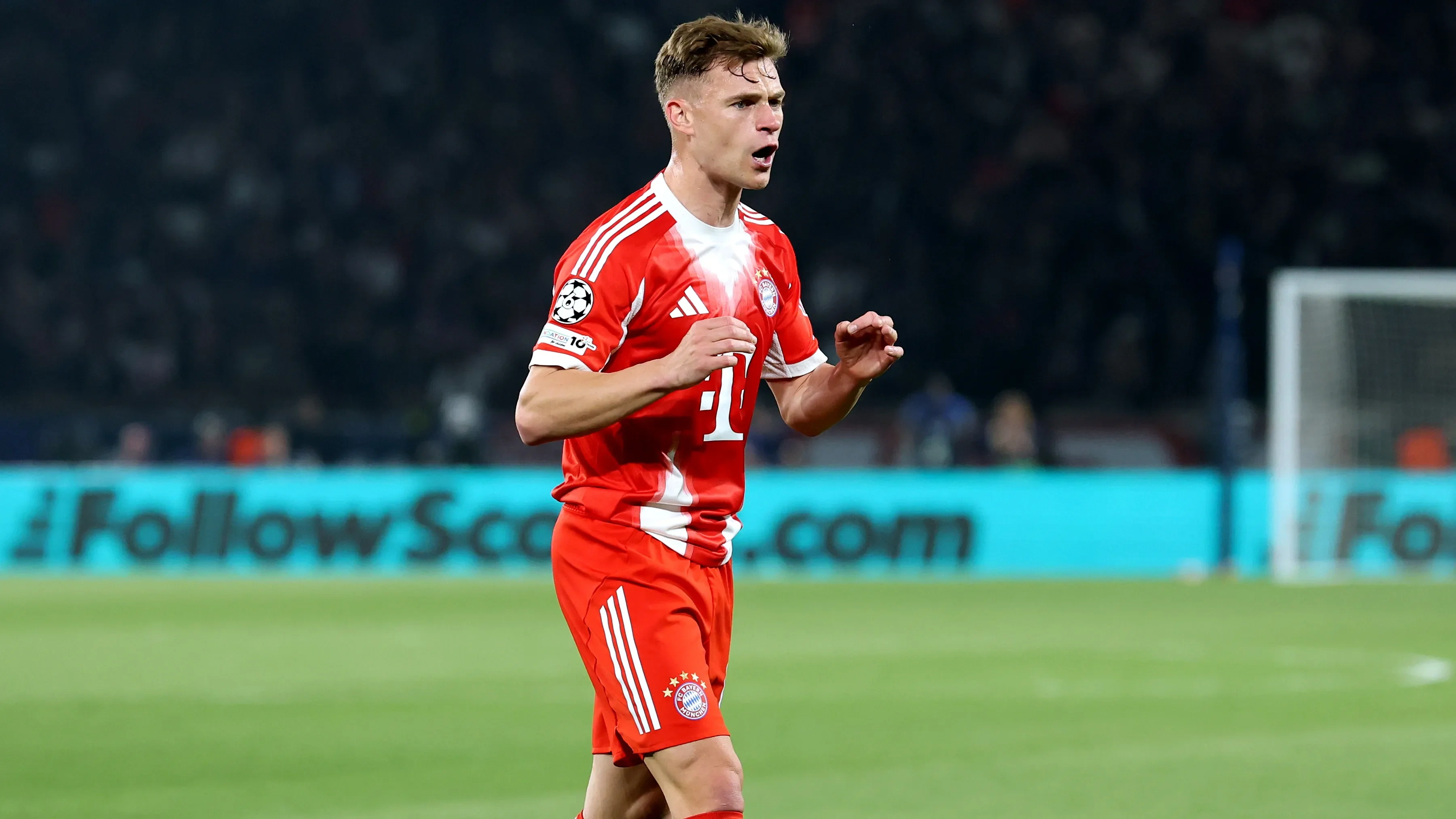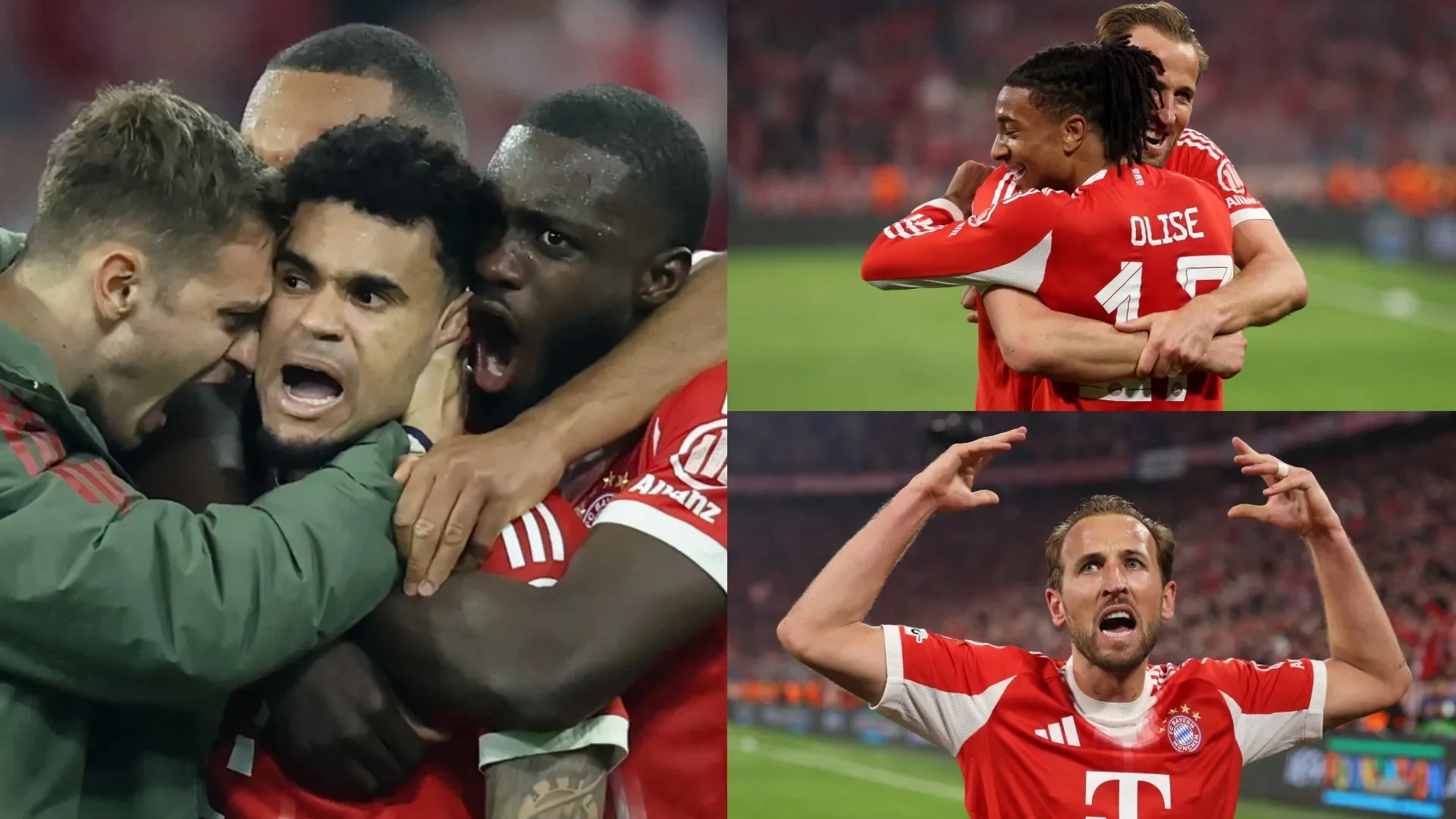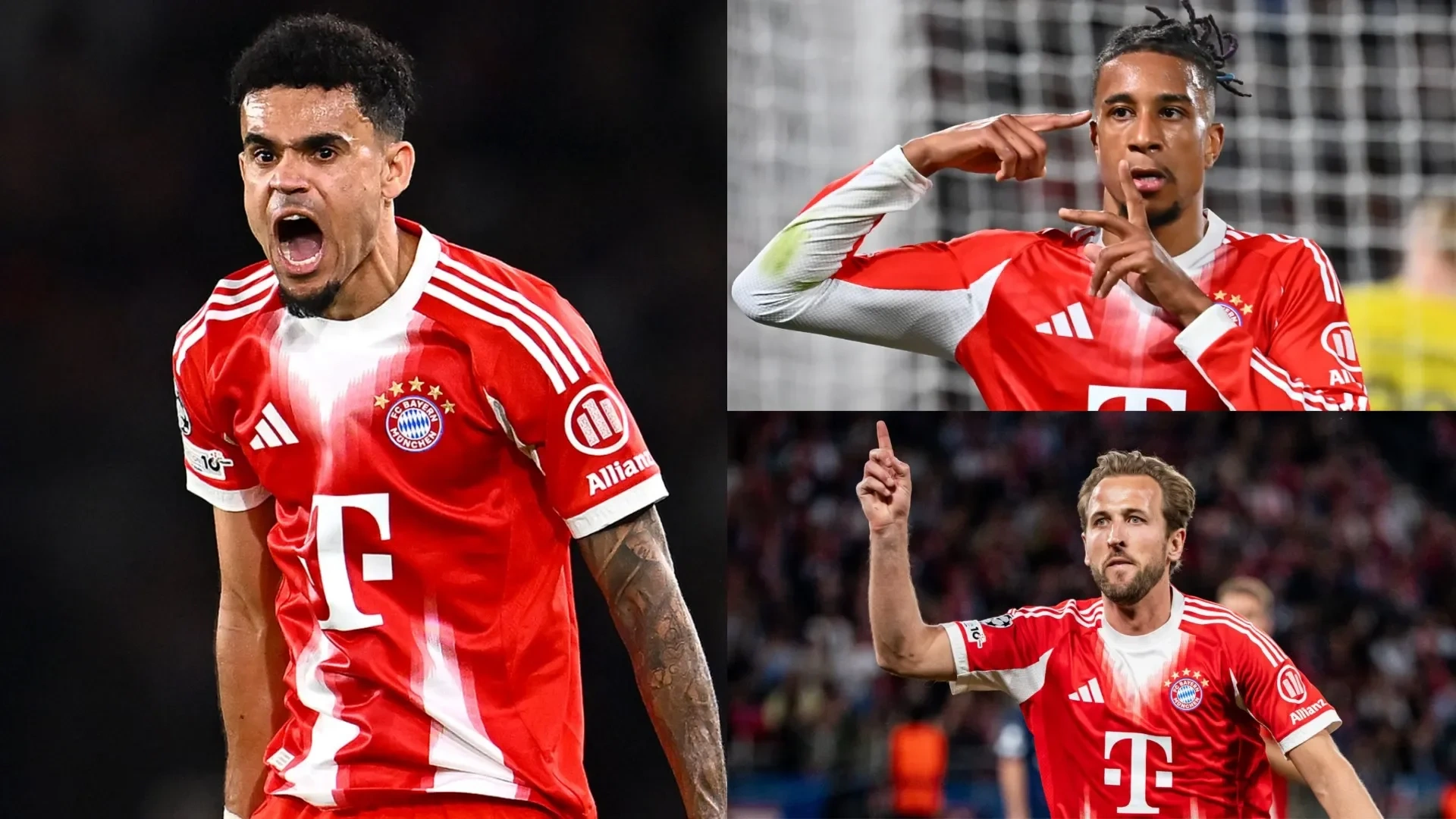
Luis Diaz's Electric Goal Powers Bayern's 5-4 Comeback vs PSG
Bayern Munich travelled to Paris on a damp April evening, knowing a win would give them a comfortable cushion in the Champions League semi‑final.
Their opponents, Paris Saint‑Germain, were equally aware that a swift response could swing the tie in their favour, setting the stage for a nine‑goal spectacle.
The match began at the Parc des Princes with Bayern asserting early dominance, pressing high and forcing PSG into a defensive shell.
Within minutes, Luis Diaz was brought down by Willian Pacho inside the box, prompting a penalty that Harry Kane coolly converted.
Kane’s spot‑kick gave the Bavarians a 1‑0 lead and allowed them to settle into a rhythm that emphasized quick transitions.
Mid‑way through the first half, Michael Olise found space on the left and unleashed a powerful shot that was denied by a coordinated block from Matvey Safonov and Marquinhos.
PSG’s response was swift; Ousmane Dembele surged forward, only to miss a clear chance after being played through on goal.
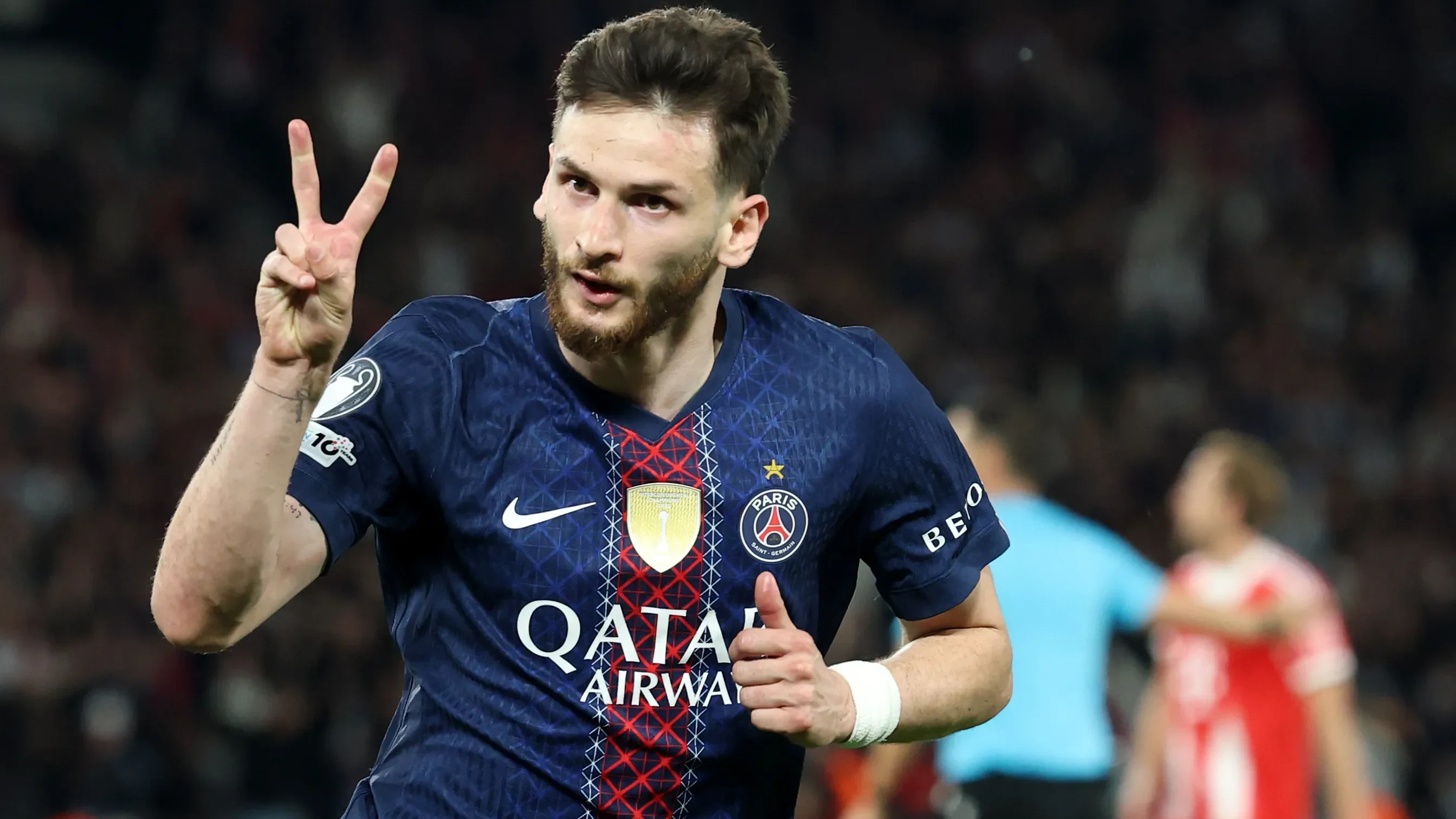
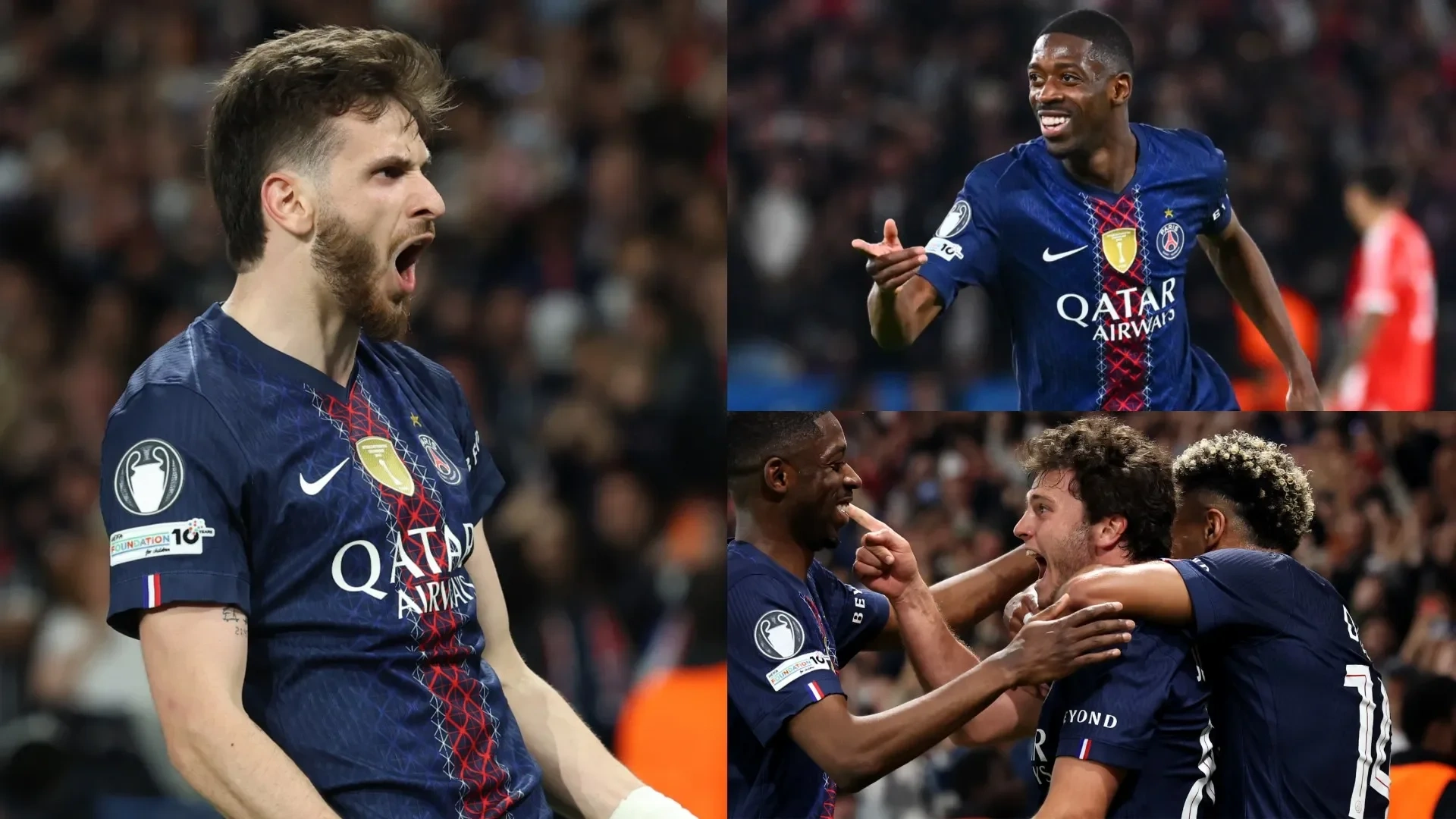
Khvicha Kvaratskhelia then cut inside from the left flank and curled a low drive into the bottom corner, equalising for the visitors.
Just moments later, João Neves headed home from a corner, capitalising on a misplaced Olise cross that struck the post before looping back.
Olise redeemed himself by collecting the ball centrally and hammering a thunderous strike past Safonov, restoring Bayern’s lead.
However, first‑half stoppage time saw PSG awarded a penalty after Alphonso Davies handled a cross from the Ballon d’Or winner, and Dembele calmly slotted home.
The half ended with the scoreline at 3‑3, leaving both managers aware that the tie could be decided by a single moment in the second leg.
The second half opened with PSG intensifying their attack, and Kvaratskhelia struck again, finding the net to give the French side a 4‑3 advantage.
Dembele completed his brace shortly after, exploiting a lapse in Bayern’s right‑back positioning and slotting home from close range.
Bayern refused to capitulate; Dayot Upamecano nudged a free‑kick from Joshua Kimmich onto the post, and the rebound fell to his head for a faint equaliser.
Luis Diaz then latched onto a lofted ball from Kane, sprinting past the offside line before firing a low shot past Safonov to make it 5‑4.
Both teams exchanged chances in the closing minutes, with Senny Mayulu blasting a shot that clanged off the post.
Kimmich’s late header was cleared off the line by Pacho, preserving the dramatic scoreline as the final whistle blew.
The result leaves Bayern with a daunting task at the Allianz Arena, where they must overturn a one‑goal deficit to reach the final.
PSG, meanwhile, will look to defend their slender lead while managing the fatigue that comes with a high‑intensity semi‑final.
From a tactical perspective, Bayern’s high press forced PSG into errors early, but the French side’s quick transitions exposed gaps in the Bavarian back line.
PSG’s use of width, particularly through Kvaratskhelia and Dembele, stretched Bayern’s defense and created space for dangerous runs.
Bayern’s reliance on long balls from Kimmich proved effective at times, yet the lack of midfield control allowed PSG to dominate possession in the second half.
Alphonso Davies’ handball, which led to the decisive penalty, highlights the fine margins that can decide knockout ties.
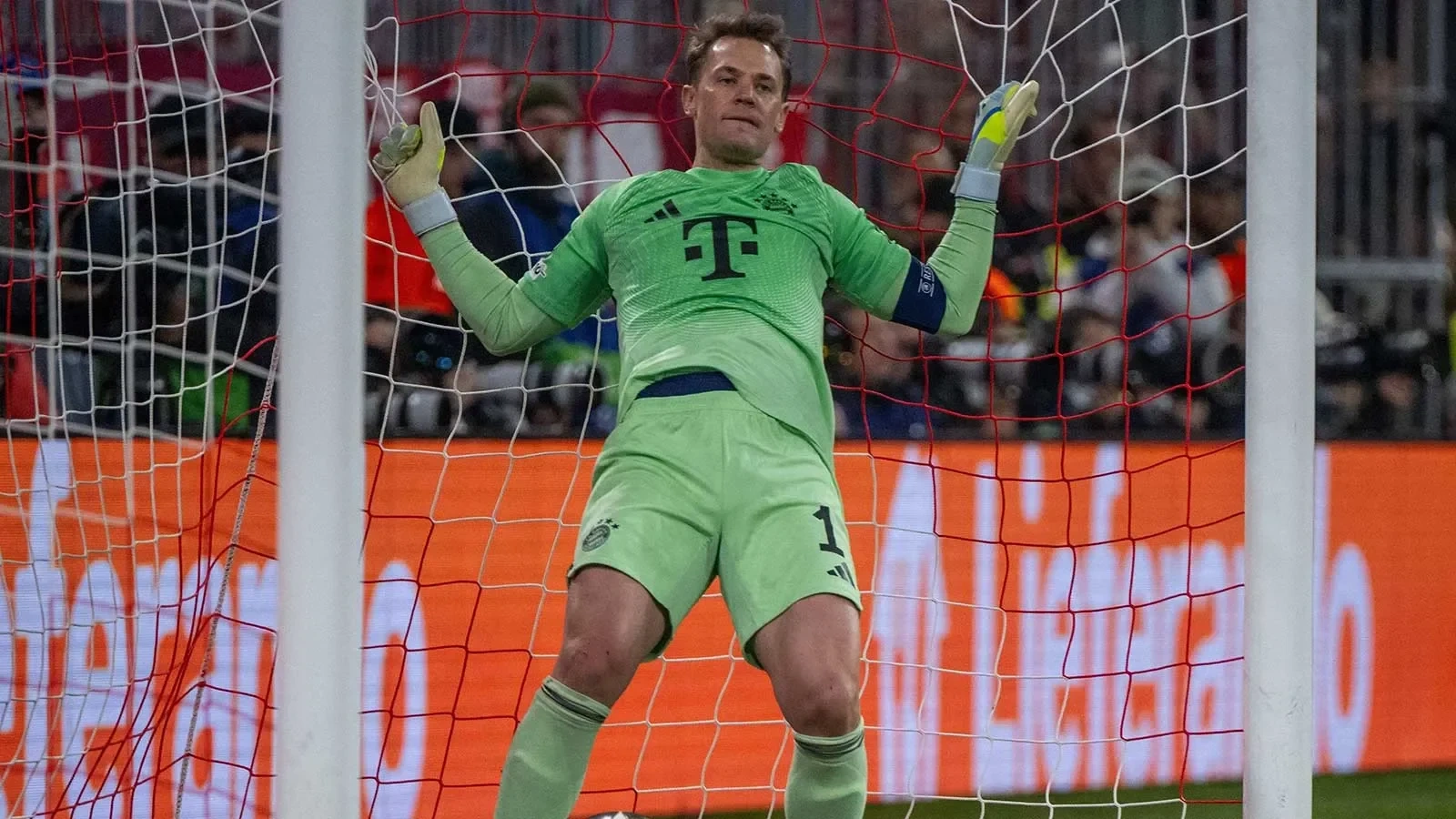
Manuel Neuer’s performance was uncharacteristically poor, with weak distribution and limited influence on the game’s flow.
Defender Josip Stanisic struggled against Kvaratskhelia’s pace, making several ill‑judged challenges that compromised Bayern’s defensive shape.
Upamecano’s header demonstrated his aerial threat, but his positional lapses earlier allowed PSG’s first goal.
Jonathan Tah provided stability in central defence, making timely blocks that prevented further damage.
Alphonso Davies contributed important tackles but was ultimately punished for a soft handball at a crucial juncture.
Midfield orchestrator Joshua Kimmich delivered a decent passing range, yet his defensive responsibilities were occasionally neglected.
Aleksandar Pavlovic was bypassed repeatedly by PSG’s direct play, limiting his impact on the game.
Jamal Musiala failed to make a decisive contribution, as the pace of the match favoured more experienced attackers.
Michael Olise earned a rating of 7/10, reflecting his influence on the left flank and the crucial goal he scored.
Harry Kane also received a 7/10 rating, highlighted by his penalty conversion and his role in linking play.
Luis Diaz topped the Bayern ratings with an 8/10, his electric start and decisive finish proving vital for the team.
Manuel Neuer was rated 5/10, indicating a sub‑par night in goal.
Josip Stanisic earned a 4/10, reflecting defensive struggles against PSG’s attackers.
Dayot Upamecano received a 5/10, balancing a goal with occasional positional errors.
Jonathan Tah’s 6/10 rating acknowledges his solid defensive contributions under pressure.
Alphonso Davies also garnered a 6/10, noting both his defensive work and the costly handball.
Joshua Kimmich’s 5/10 rating reflects a mixed performance of creative passing and defensive lapses.
Aleksandar Pavlovic’s 5/10 rating points to limited involvement against PSG’s direct tactics.
Jamal Musiala’s 5/10 rating underscores a quiet night for the young talent.
Substitutes Konrad Laimer and Leon Goretzka received 4/10 and 6/10 respectively, with Laimer’s slip leading to a goal and Goretzka providing fresh legs late on.
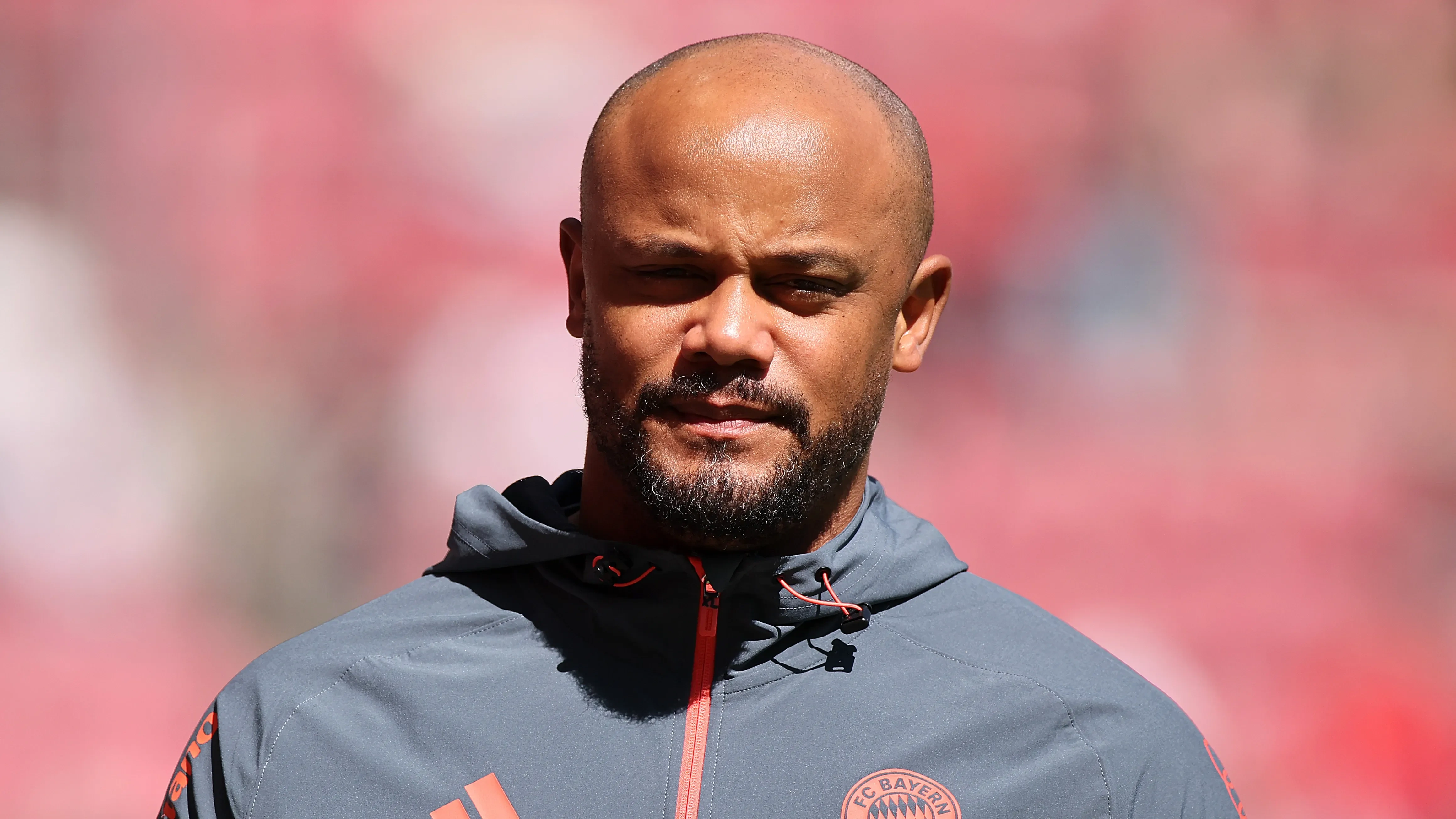
Manager Aaron Danks, thrust into the role due to Kompany’s suspension, was given a 5/10 rating for his tactical adjustments.
The match statistics illustrate the attacking nature of the encounter, with both sides combining for nine goals.
| Team | Goals | Shots on Target |
|---|---|---|
| Paris Saint‑Germain | 5 | 12 |
| Bayern Munich | 4 | 10 |
Historically, Bayern have reached the Champions League final eleven times, winning six, while PSG’s semi‑final appearances have been limited to three.
Their contrasting pedigrees add an extra layer of intrigue to the tie, with Bayern seeking to reaffirm their European dominance.
PSG’s recent rise under their current project has seen them assemble a squad capable of challenging the traditional powers.
The outcome of the second leg will likely hinge on Bayern’s ability to convert possession into high‑quality chances while containing PSG’s swift wingers.
Both teams will also need to manage the physical toll of a congested domestic schedule, as they juggle Bundesliga and Ligue 1 commitments.
The upcoming match at the Allianz Arena promises an electric atmosphere, with Bayern’s fans expecting a heroic comeback.
PSG will aim to maintain composure, leveraging their defensive discipline to protect the narrow lead.
Veezstream’s coverage of the encounter highlights the tactical nuances that defined the nine‑goal thriller.
As the Champions League narrative progresses, this semi‑final stands out as a benchmark for attacking football in the competition.