2026 NBA Playoffs Odds: Celtics, Pistons & Cavs Favored in Game 7
The Eastern Conference first‑round matchups have produced two dramatic comebacks that forced Game 7s, setting the stage for a weekend of high‑stakes basketball.
Boston, Cleveland, Detroit and the New York Knicks each head into decisive contests with the advantage of home‑court, and the betting lines reflect that confidence.
On Saturday, the No. 1 Boston Celtics will welcome the No. 7 Philadelphia 76ers in a Game 7 where they open as 8.5‑point favorites.
Sunday’s slate features the No. 2 Cleveland Cavaliers versus the No. 5 Toronto Raptors and the No. 3 Detroit Pistons against the No. 8 Orlando Magic, with the Cavs and Pistons listed as 7.5‑ and 9.5‑point favorites respectively.
These spreads are unusually large for winner‑take‑all games, underscoring the perceived disparity in talent and recent performance.
Below are the current series odds for each Game 7, presented in a concise table.
| Series | Home Team Odds | Visitor Odds |
|---|---|---|
| Celtics vs. 76ers | -290 | +235 |
| Cavaliers vs. Raptors | -278 | +225 |
| Pistons vs. Magic | -395 | +310 |
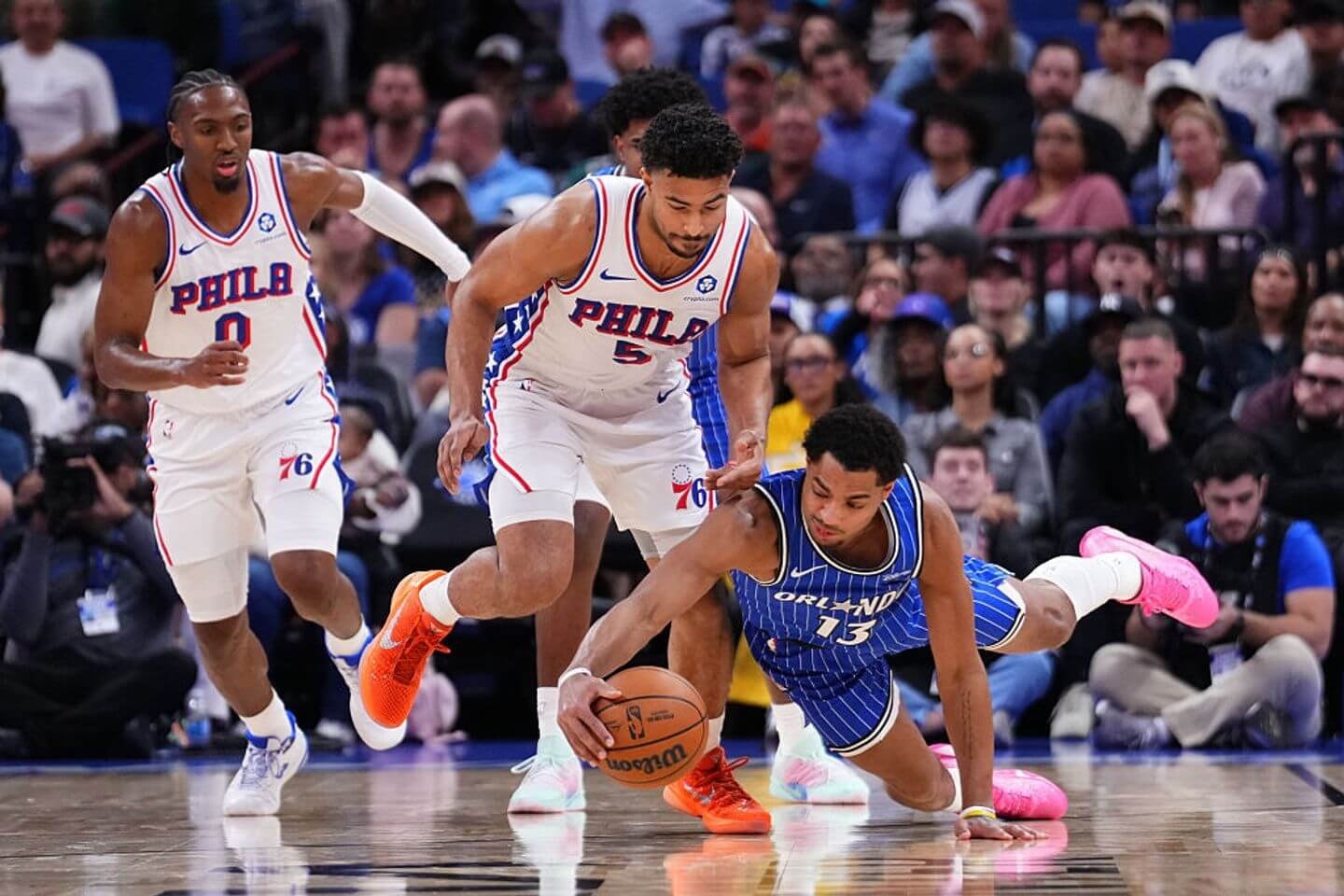
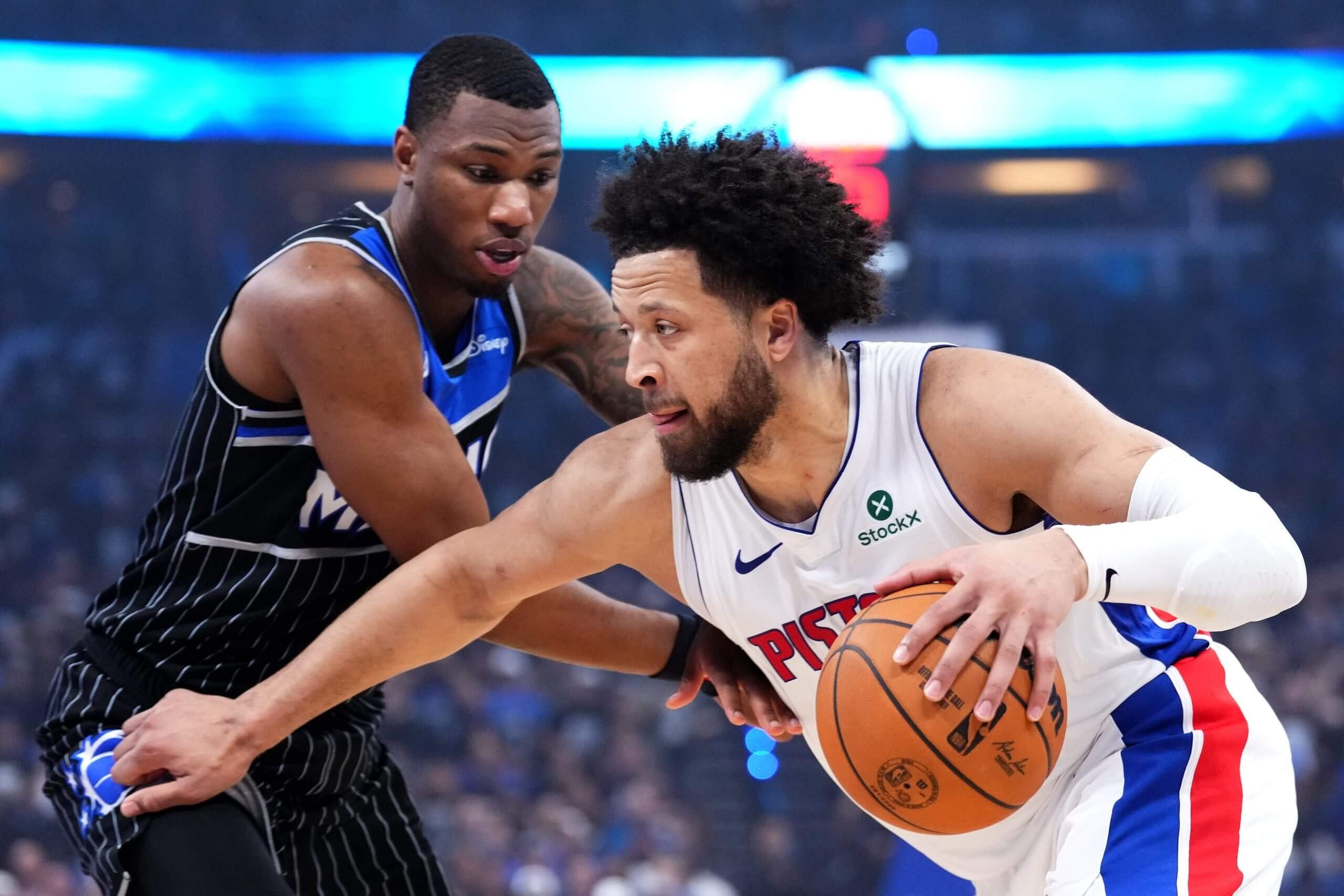
The Pistons’ path to Game 7 was defined by a stunning reversal of fortunes in Game 6, when they erased a 24‑point deficit.
Orlando had led 62‑38 early in the third quarter before a power outage halted play, after which Detroit closed the game on a 55‑17 run.
Cade Cunningham delivered his most efficient all‑around performance of the series, posting 32 points, 10 rebounds, four steals and limiting turnovers to four.
In contrast, Paolo Banchero, who exploded for 45 points in Game 5, struggled mightily, shooting just 4‑for‑20 from the field.
The Magic’s collapse raises questions about their defensive adjustments and the psychological impact of the arena outage.
Nevertheless, a single elimination game can produce unexpected outcomes, and the Magic remain a threat despite the recent heartbreak.
Boston’s Game 7 advantage stems from both regular‑season superiority and a home crowd that has been a decisive factor throughout the playoffs.
The Celtics finished the season 11 games ahead of Philadelphia, a gap that translates into a measurable edge in statistical categories such as net rating.
Philadelphia, however, entered the decisive game with significant momentum, having won two consecutive elimination victories.
In Game 6, the 76ers built a 23‑point lead and held the Celtics to under 20 points per player, showcasing a defensive scheme that limited Boston’s perimeter shooting.
The Celtics shot a dismal 12‑for‑41 (29 %) from three‑point range in that contest, a performance that will likely be a focal point for the coaching staff.
Tyrese Maxey contributed 30 points for Philadelphia, while Paul George added 23 and Joel Embiid recorded a near‑triple‑double with 19 points, 10 rebounds and eight assists.
Jayson Tatum’s calf injury, sustained late in the series, adds a layer of uncertainty for Boston as they seek to close out the series.
Despite the injury, Tatum has remained a primary scoring option throughout the postseason, averaging over 27 points per game.
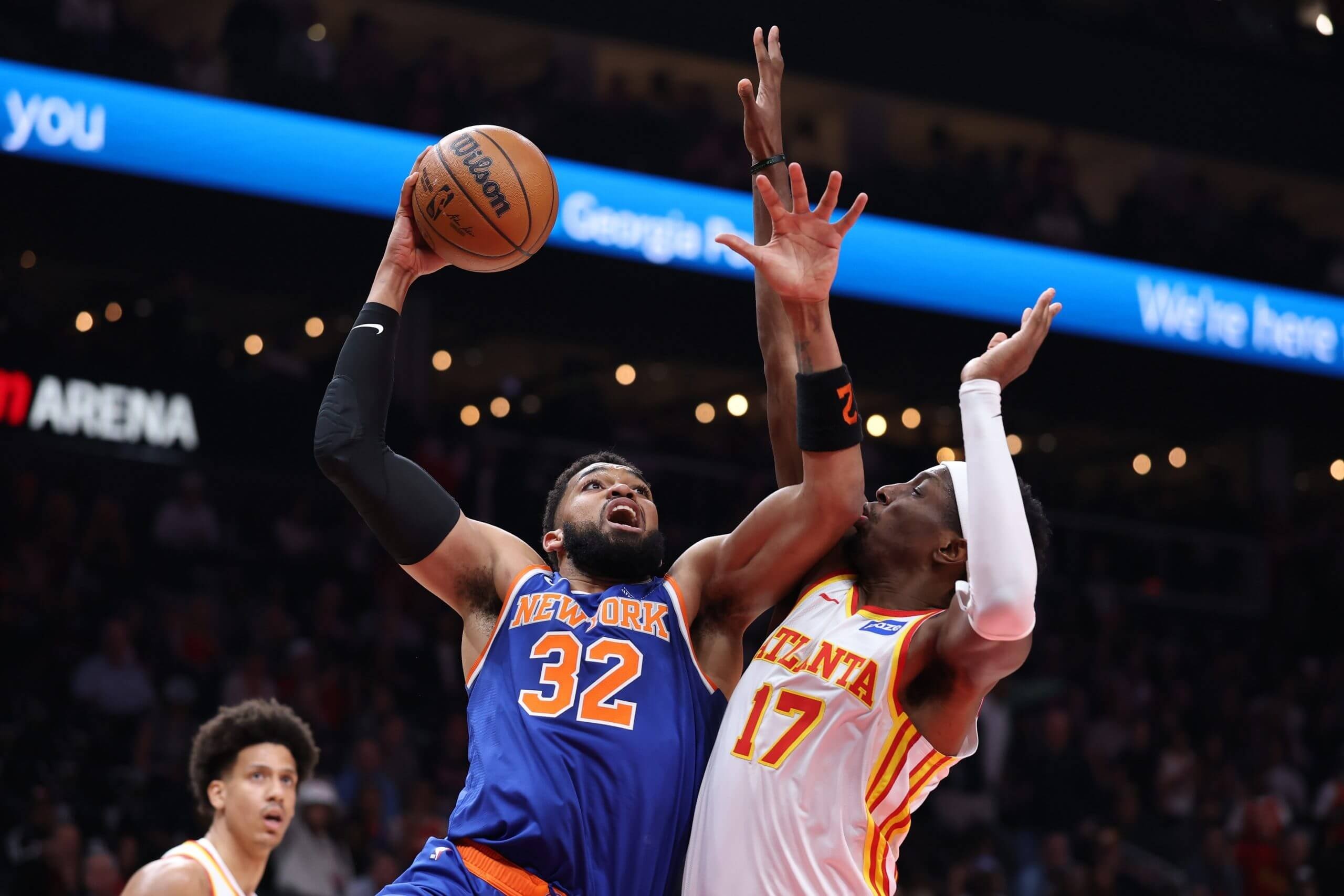
The New York Knicks, having completed a 4‑2 series victory over the Atlanta Hawks, now advance as a formidable contender in the East.
Game 6 featured an unprecedented 51‑point margin, the largest ever recorded in a playoff road game, underscoring New York’s dominance.
At halftime, the Knicks led 83‑36, a lead built on aggressive defensive pressure and efficient transition offense.
Atlanta’s inability to contain New York’s interior scoring, particularly from Julius Randle and Jalen Brunson, proved decisive.
The Hawks’ early 9‑5 lead evaporated quickly as the Knicks executed a full‑court press that forced turnovers and generated fast‑break points.
Statistically, the Knicks outshot the Hawks 57‑45 from the field and dominated the rebounding battle 48‑30.
The series outcome positions New York on a three‑game winning streak heading into the conference semifinals.
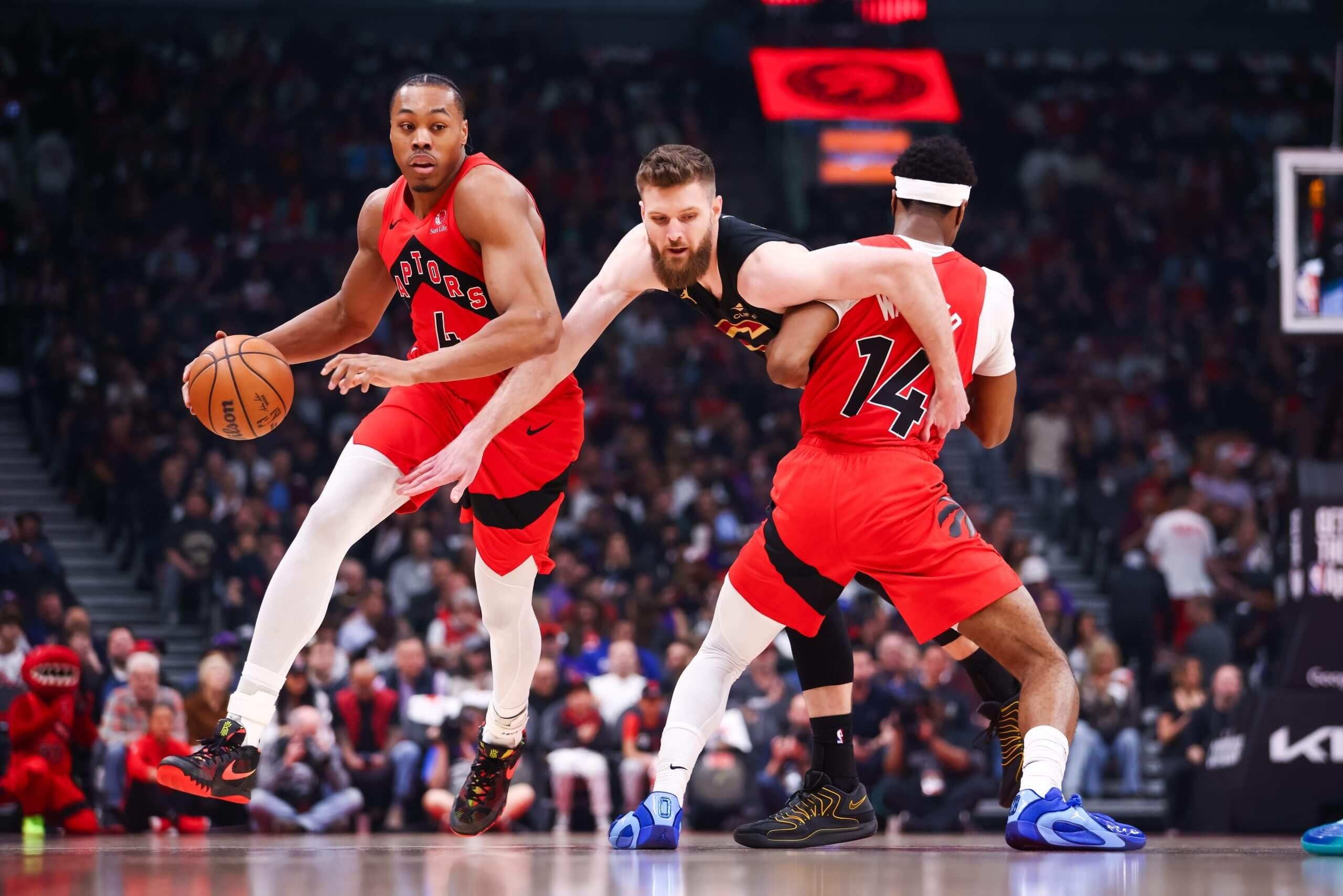
Cleveland’s Game 7 matchup against Toronto is highlighted by a dramatic finish in Game 6, where RJ Barrett’s buzzer‑beating three‑pointer bounced off the rim before falling in.
The shot’s trajectory mirrored Kawhi Leonard’s historic series‑winning jumper in 2019, adding a narrative layer to the contest.
Toronto entered the final game with a 3‑3 series record in Game 7s but remains winless on the road in such situations.
The Raptors’ overall series performance has been marked by strong defensive rotations and the playmaking of Fred VanVleet.
Cleveland’s offensive rhythm, orchestrated by Darius Garland and the playmaking of Donovan Mitchell, will be critical against Toronto’s disciplined defense.
The Cavaliers held a lead in the final 20 seconds of overtime in Game 6 but ultimately fell 112‑110, a narrow loss that may fuel their resolve.
Both teams will likely emphasize ball security and efficient half‑court sets to avoid the late‑game miscues that defined the previous encounter.
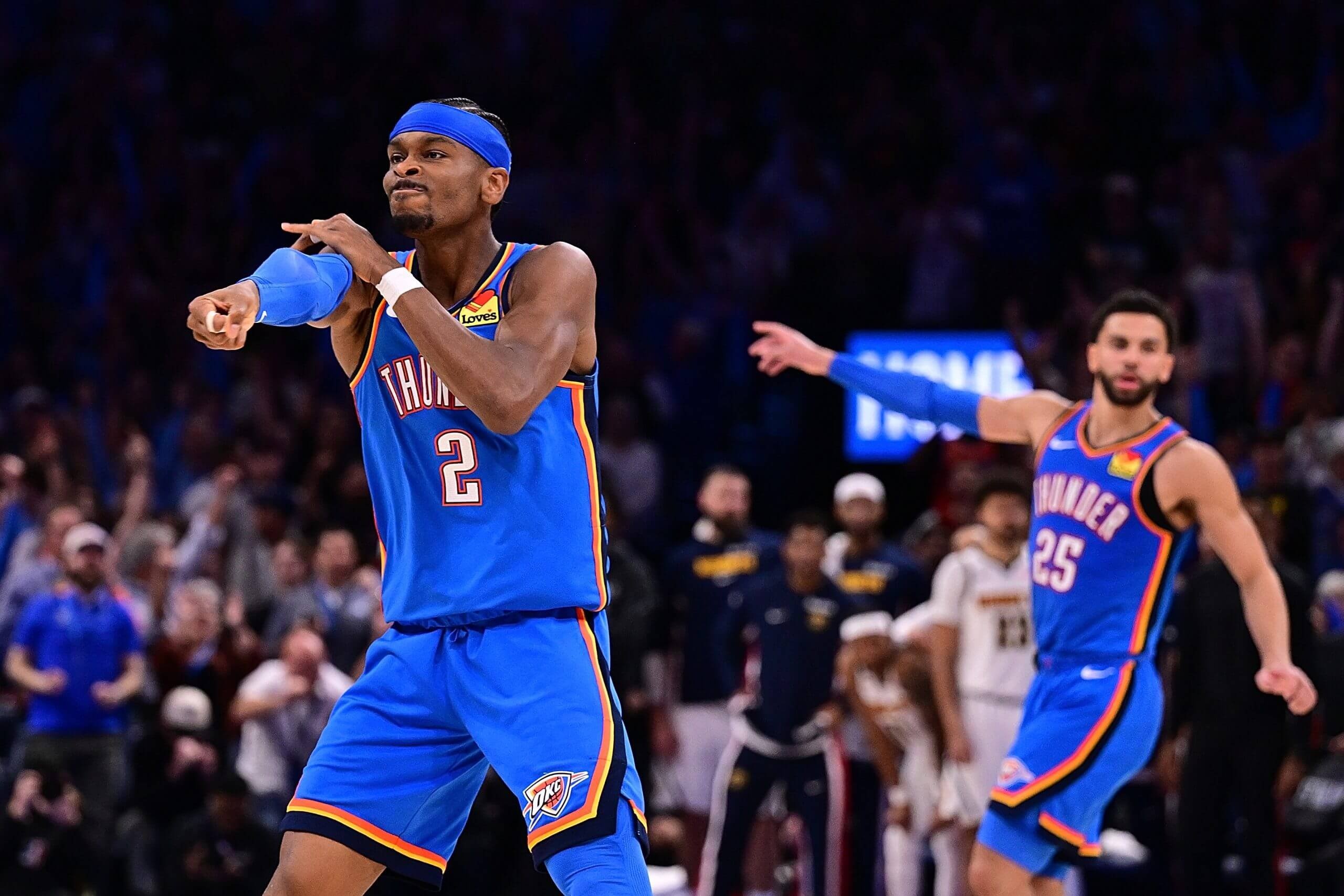
In the Western Conference, the Oklahoma City Thunder completed a sweep of the Phoenix Suns, advancing without the need for a Game 7.
Thunder forward Shai Gilgeous‑Alexander averaged 31 points per game in the series, reinforcing his status as the franchise’s cornerstone.
Despite the Suns’ 131‑122 win in Game 4, the series remained largely one‑sided, with Oklahoma City controlling the tempo and defensive intensity.
The Thunder now await the Los Angeles Lakers in the next round, a matchup that could be affected by Luka Dončić’s potential absence.
San Antonio’s series against Portland highlighted the impact of Victor Wembanyama’s concussion, which sidelined the rookie for a critical stretch.
The Spurs rallied without Wembanyama, securing a 4‑1 series win that featured a 19‑point comeback in Game 4.
San Antonio’s depth, led by Jakob Pöltl and Devin Vassell, allowed them to maintain a lead of up to 28 points in the decisive Game 5.
With Boston’s recent offensive struggles and Denver’s earlier exit, the Spurs emerge as a logical second‑place contender in title odds.
The Denver–Minnesota series was heavily influenced by injuries, with the Timberwolves missing Anthony Edwards, Donte DiVincenzo and Ayo Dosunmu for Game 6.
Despite these absences, Minnesota completed a 4‑2 upset over the Nuggets, capitalizing on Denver’s depleted roster that lacked Aaron Gordon and Peyton Watson.
The Timberwolves’ resilience was evident in their defensive adjustments, limiting Denver’s three‑point attempts to 22‑of‑58.
Looking ahead, the return of Edwards could further strengthen Minnesota’s prospects against a potential San Antonio opponent.
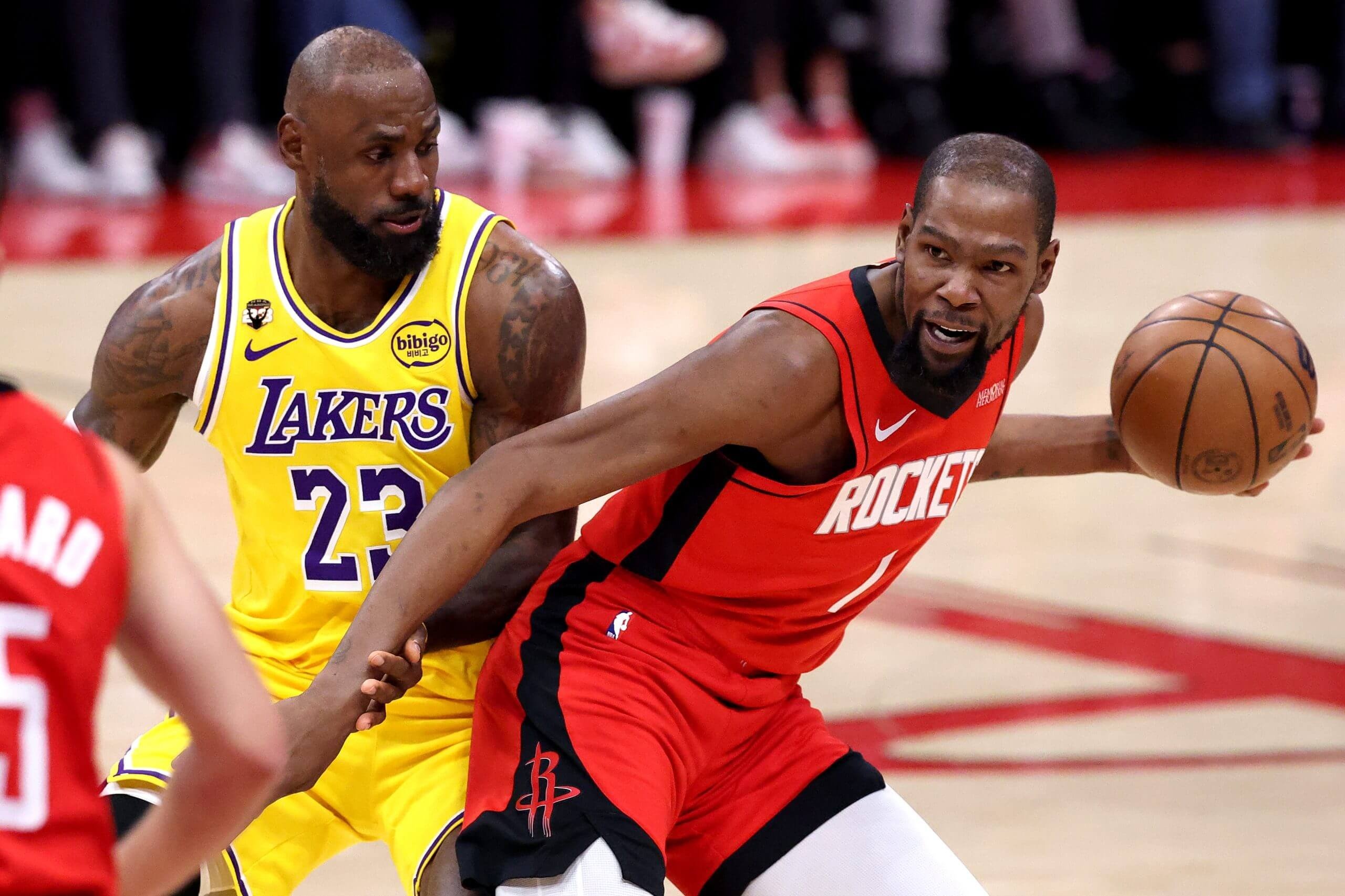
The Los Angeles Lakers concluded a hard‑fought series against Houston, prevailing 4‑2 after a decisive Game 6 victory on the road.
Laker forward Austin Reaves contributed 15 points on efficient shooting, while Rui Hachimura added 21, and LeBron James recorded 28 points, eight assists and seven rebounds.
Houston’s offense faltered, managing only 78 points in the final game, a reflection of Kevin Durant’s limited involvement throughout the series.
The Lakers now stand as 12‑to‑1 favorites to advance past Oklahoma City, despite the lingering uncertainty surrounding Dončić’s health.
Overall, the Eastern Conference’s three Game 7s feature sizable spreads that favor the higher‑seeded teams, yet the nature of a winner‑take‑all format preserves the potential for upsets.
The home‑court advantage, combined with superior regular‑season records, positions Boston, Cleveland and Detroit as the statistical favorites.
Conversely, the 76ers, Raptors and Magic possess recent momentum and have demonstrated the capacity to overcome deficits.
Betting markets have priced these dynamics accordingly, as reflected in the odds tables provided earlier.
Historical data indicates that home teams win approximately 70 % of Game 7s in the NBA, a trend that aligns with the current spreads.
Nevertheless, the recent collapses by Orlando and Philadelphia illustrate that large leads can evaporate under pressure.
Coaches on both sides will likely emphasize defensive intensity, ball movement and limiting turnovers in preparation for the decisive contests.
The Pistons will look to exploit Orlando’s second‑half scoring slump, which saw the Magic muster only 19 points after halftime in Game 6.
Boston’s strategy will probably focus on improving three‑point efficiency, a glaring weakness after a 29 % performance in the previous elimination game.
Cleveland’s game plan may revolve around controlling the pace and executing high‑percentage shots to counter Toronto’s disciplined defense.
Should any of the underdogs prevail, the bracket could shift dramatically, altering potential matchups in the conference semifinals.
The outcomes of these Game 7s will also influence the broader narrative of the 2026 NBA playoffs, shaping discussions about championship contenders.
Analysts will scrutinize each team’s execution under pressure, using the results to gauge resilience and depth.
As the weekend approaches, fans and bettors alike await the final chapters of these tightly contested series.