Al-Sadd’s coach and Italy’s epic run… Mancini draws inspiration from history to defeat Al-Hilal
Al-Hilal and Al-Sadd meet at Prince Abdullah Al-Faisal Stadium in Jeddah on Monday for a round of 16 clash in the 2025-2026 AFC Champions League. The winner advances to the quarter-finals, where Japanese side Vissel Kobe awaits in a tournament phase hosted entirely in Saudi Arabia.
Roberto Mancini has selected a 24-man squad featuring ten foreign signings designed to elevate Al-Sadd's tactical flexibility and attacking potency. The Italian manager's roster construction balances experienced international talent with the core of Qatar's national team setup.
| Player | Position | Nationality |
|---|---|---|
| Paulo Otávio | Left-back | Brazil |
| Giovanni Henrique | Right winger | Brazil |
| Claudinho | Playmaker | Brazil |
| Roberto Firmino | Forward | Brazil |
| Romain Saïss | Centre-back | Morocco |
| Agustín Soria | Midfielder | Uruguay |
| Rafa Mochica | Striker | Spain |
| Younes El Hannash | Right-back | France |
| Javiero Delroson | Winger | Netherlands |
| Mohamed Kamara | Midfielder | Mali |
Fourteen Qatari internationals anchor the matchday squad, led by two-time Asian Player of the Year Akram Afif and captain Hassan Al-Haydos. Right-back Pedro Miguel, goalkeeper Saad Al-Dosari, and midfielder Hashim Ali represent the domestic foundation upon which Mancini builds his game plan.
Preparation extends beyond tactical drills, as Al-Sadd travels to Jeddah with a 55-member delegation that includes a private Tunisian chef. According to Saudi daily Al-Riyadiah, the culinary specialist ensures strict adherence to the squad's prescribed diet plan throughout the knockout fixture.
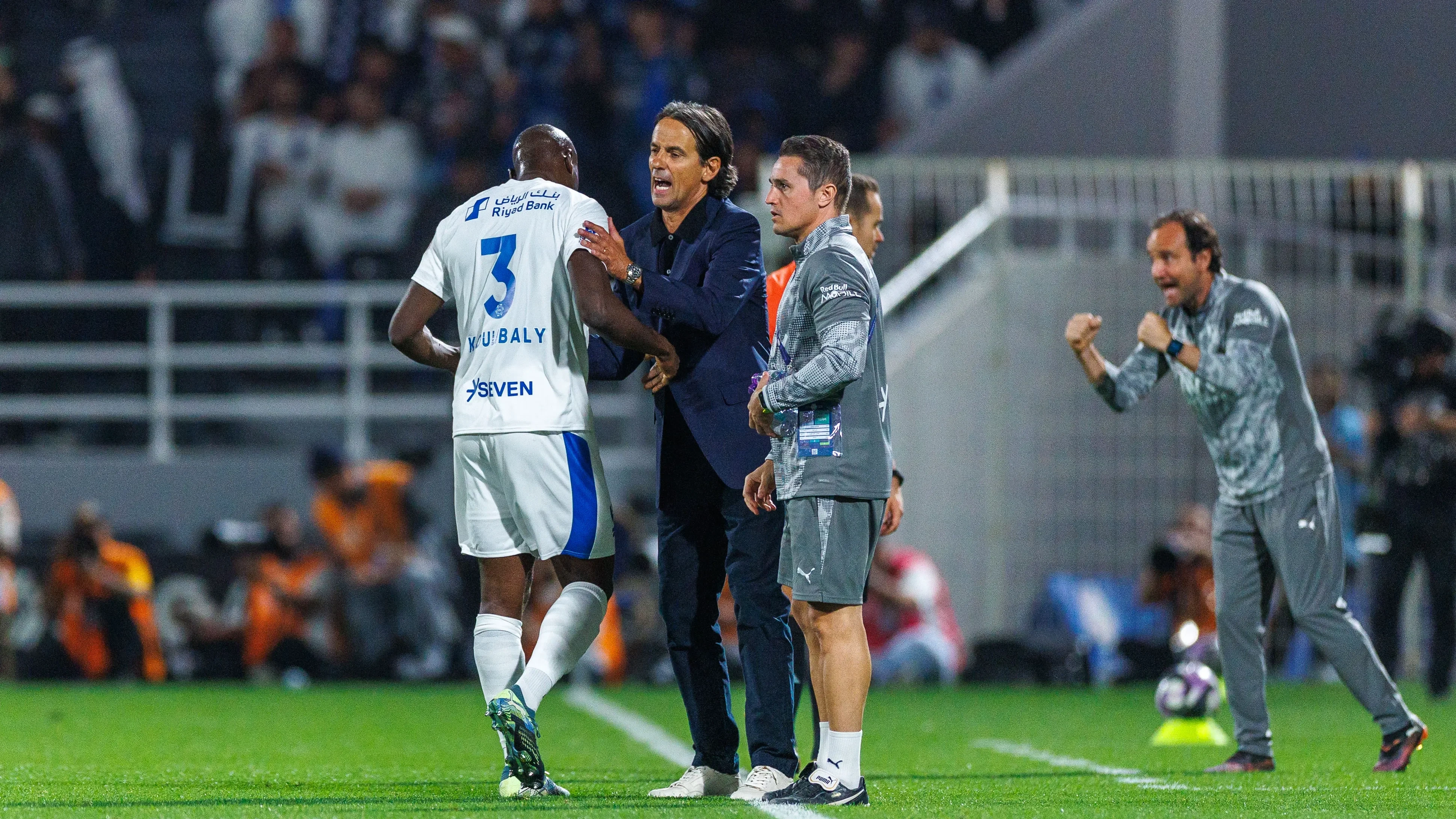
Mancini's meticulous approach gains added significance with Al-Hilal absent six key players: Mohammed Kanno, Malcom de Oliveira, Kalidou Koulibaly, Nasser Al-Dossari, Sultan Mandash, and Youssef Akchichik. The Saudi side's depleted roster creates tactical uncertainty that the Qatari club aims to exploit through superior physical readiness.
The emphasis on dietary precision echoes a famous chapter from football history: Italy's 1982 World Cup triumph in Spain. Before a ball was kicked, customs officials in Barcelona blocked the Azzurri's attempt to import pasta for their training camp, prompting manager Enzo Bearzot to dispatch team chef Lorini to source fresh supplies locally.
Italy endured three draws in the group stage against Poland, Peru, and Cameroon before finding rhythm in the knockout rounds. The Azzurri eliminated Argentina and Brazil, defeated Poland in the semi-finals, and beat West Germany 3-1 in the final at the Santiago Bernabéu to claim their third world title.
Mancini, who played in Italy's defensive system during his career, understands how marginal gains in preparation can influence high-stakes matches. The parallel between Bearzot's 1982 squad and his current Al-Sadd project lies in the belief that discipline off the pitch fuels performance when pressure mounts.
Tactically, Al-Sadd's foreign signings offer Mancini multiple formations and pressing triggers to disrupt Al-Hilal's buildup. Claudinho's vision in central areas, Firmino's movement between lines, and Saïss's organizational skills at the back provide structural balance for a team transitioning under new leadership.
The broader implications of this AFC Champions League encounter extend beyond a single knockout result, as Asian football continues to attract global coaching expertise and international player investment. Regional rivalries between Saudi and Qatari clubs carry political and sporting weight that amplifies the stakes for players and supporters alike.
Victory in Jeddah would validate Mancini's recruitment strategy and preparation philosophy while positioning Al-Sadd for a quarter-final showdown with Vissel Kobe. Every detail, from nutritional compliance to squad rotation, now converges toward a single objective: advancing deeper into Asia's premier club competition.