Cleveland Browns 2026 NFL Draft Board: First‑Round Targets at Left Tackle and Wide Receiver
The Cleveland Browns enter the 2026 NFL Draft with clear offensive priorities after a season that left their quarterback room unsettled and their skill positions among the league’s weakest.
New head coach Todd Monken has already begun shaping a quarterback competition, while general manager Andrew Berry, now in his seventh draft, looks to address left tackle, wide receiver, and possibly quarterback depth.
Berry’s track record includes a bold trade‑down from the No. 2 overall spot last year, which yielded an additional first‑round selection from Jacksonville, underscoring his willingness to leverage draft capital for roster value.
With the Browns holding the No. 6 and No. 24 picks in the first round, the organization must decide whether to target immediate starters or acquire developmental talent that fits a longer‑term building strategy.
Below is a day‑by‑day “big board” that aligns Cleveland’s positional needs with the top prospects identified by Veezstream, providing a framework for potential selections.
Day 1 – First Round (Picks 6 & 24)
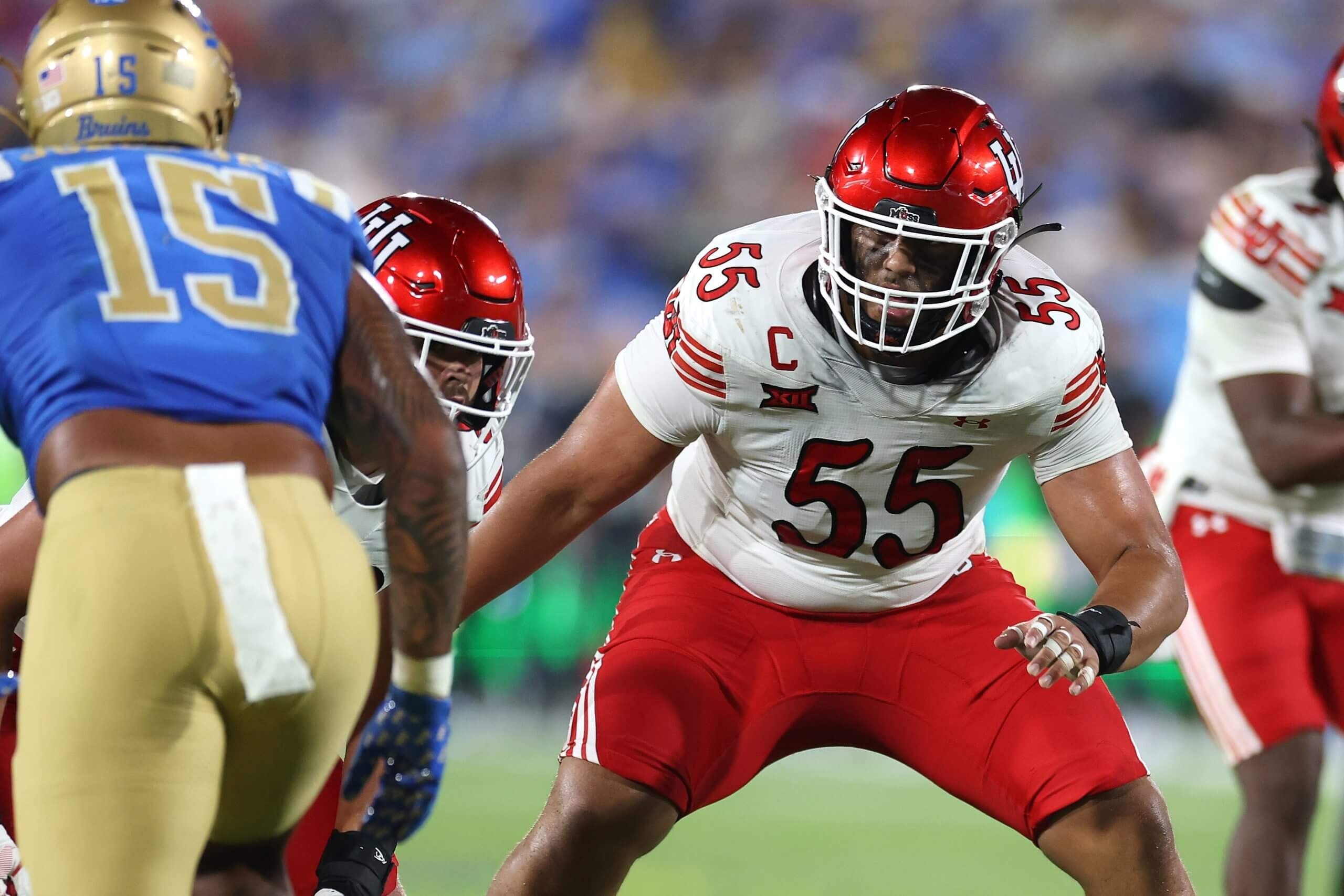
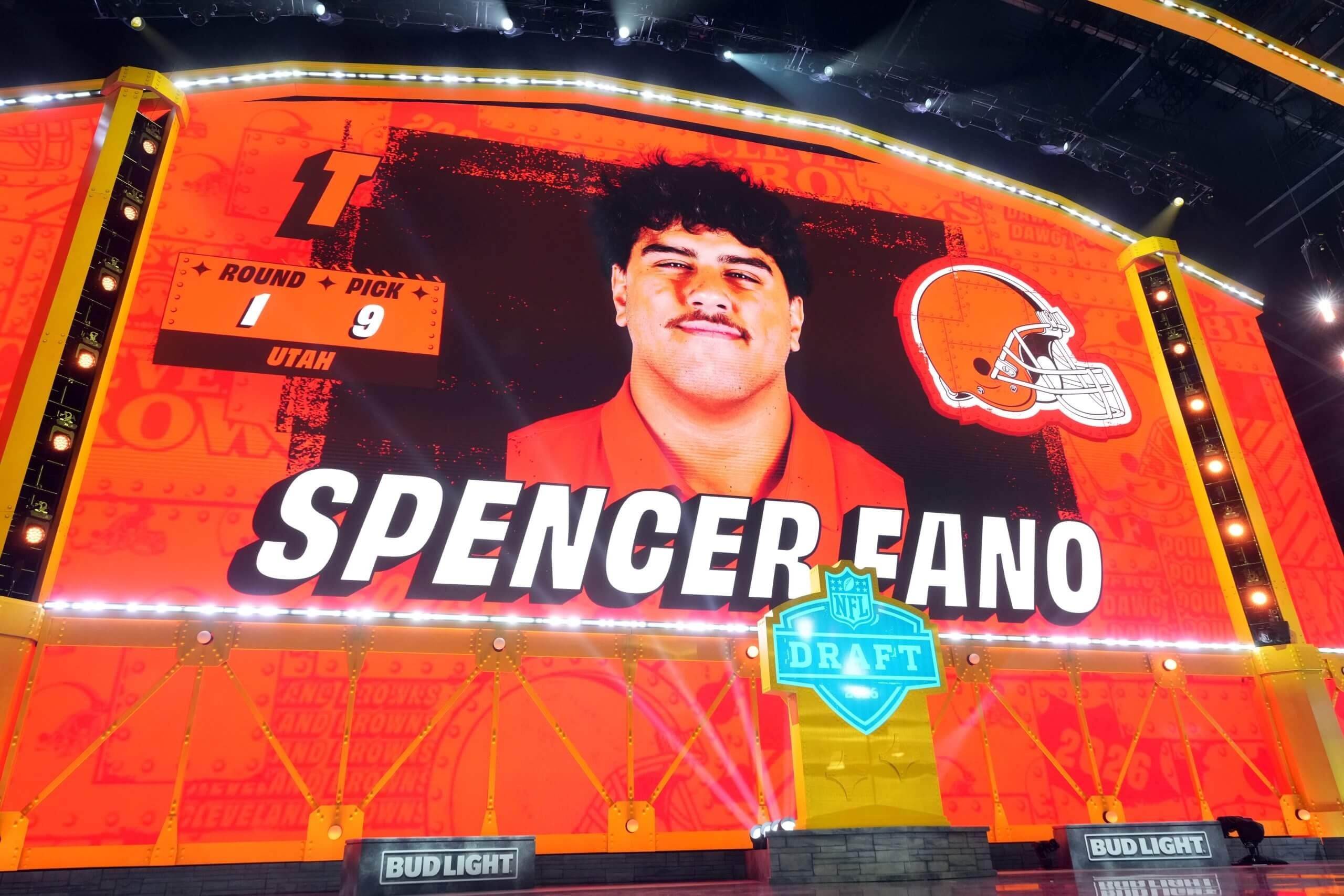
Spencer Fano, an offensive tackle from Utah, is Brugger’s highest‑rated lineman and appears as a possible No. 6 selection after Cleveland’s anticipated trade‑down.
Fano started at left tackle as a freshman before moving to the right side, offering versatility that could address the Browns’ immediate left‑tackle vacancy.
His Utah teammate, Caleb Lomu, also received first‑ or second‑round grades and could serve as a complementary option if Cleveland opts for two tackles.
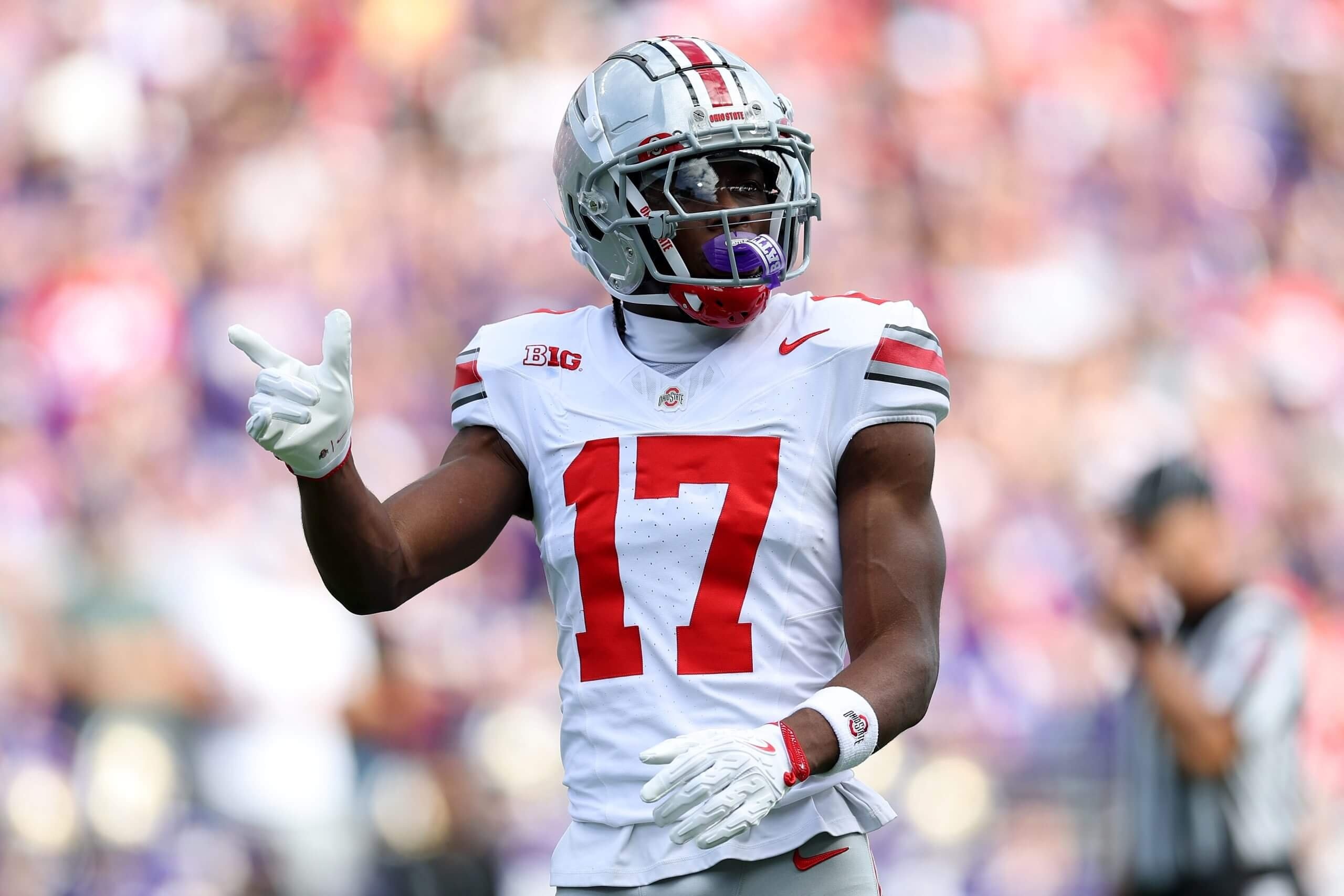
Carnell Tate, a senior wide receiver from Ohio State, visited Cleveland formally and is projected to become a starter, providing a quick fix for a receiver corps that ranked near the bottom of the NFL.
Tate’s size and route‑running ability make him a potential long‑term playmaker, aligning with Berry’s history of developing raw talent into contributors.
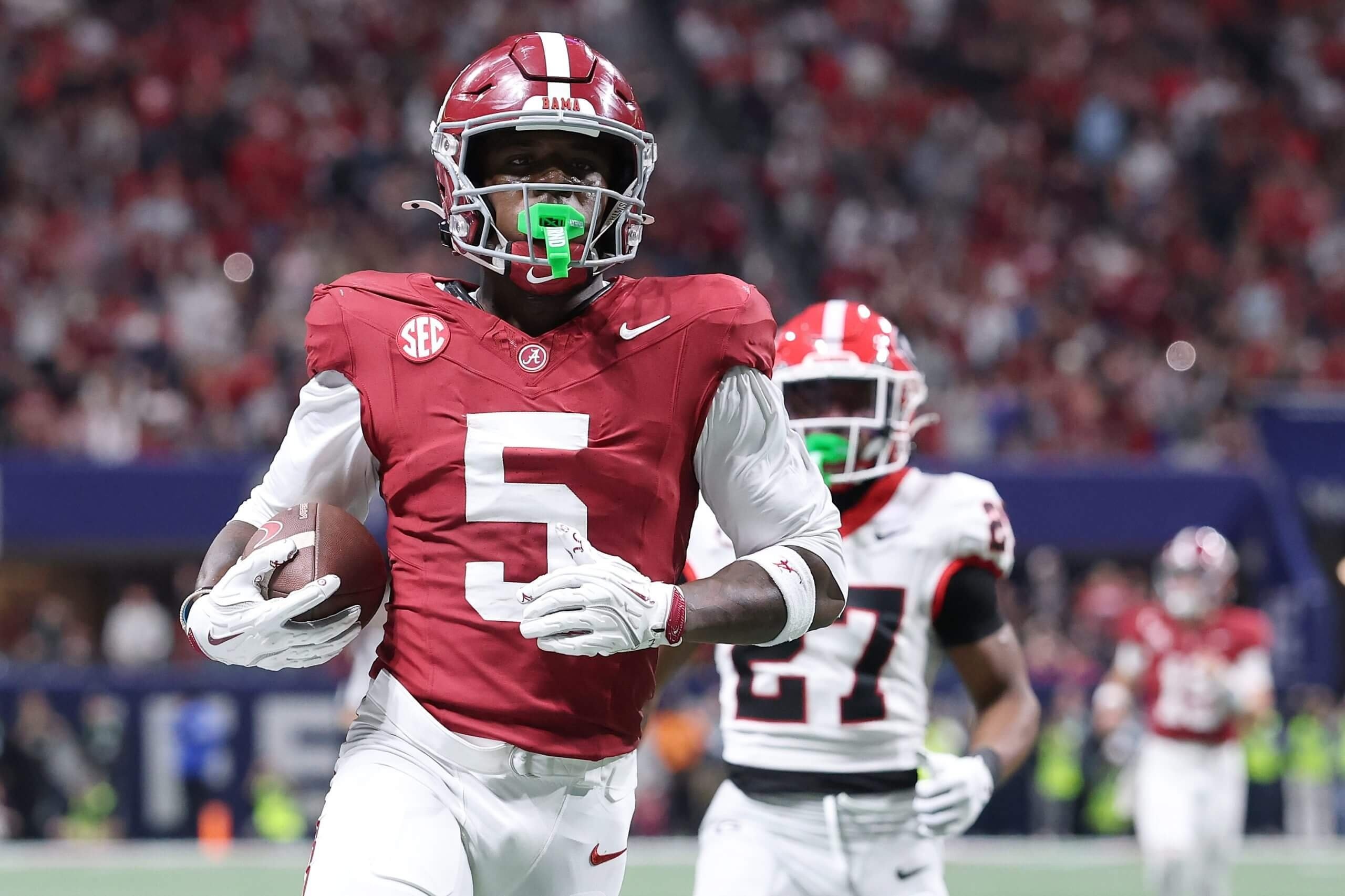
Makai Lemon, a slot receiver from USC, is viewed as the consensus second‑best receiver in the class and could be a first‑round target if Cleveland decides to trade down from No. 6.
Lemon’s reliable hands and route instincts complement Tate’s downfield threat, giving the Browns two distinct receiving weapons.
Blake Miller, a Clemson offensive tackle and native of Northeast Ohio, logged 54 starts at right tackle and could be a hometown pick at No. 24.
Miller’s durability and familiarity with the region may appeal to the Browns, who have traditionally valued linemen with strong work ethics.
Monroe Freeling, an offensive tackle from Georgia, offers athletic upside that Berry’s front office often covets, though he may require seasoning before becoming a starter.
Freeling’s left‑tackle projection fits the Browns’ immediate need, but his development timeline could influence whether he is selected in the first or second round.
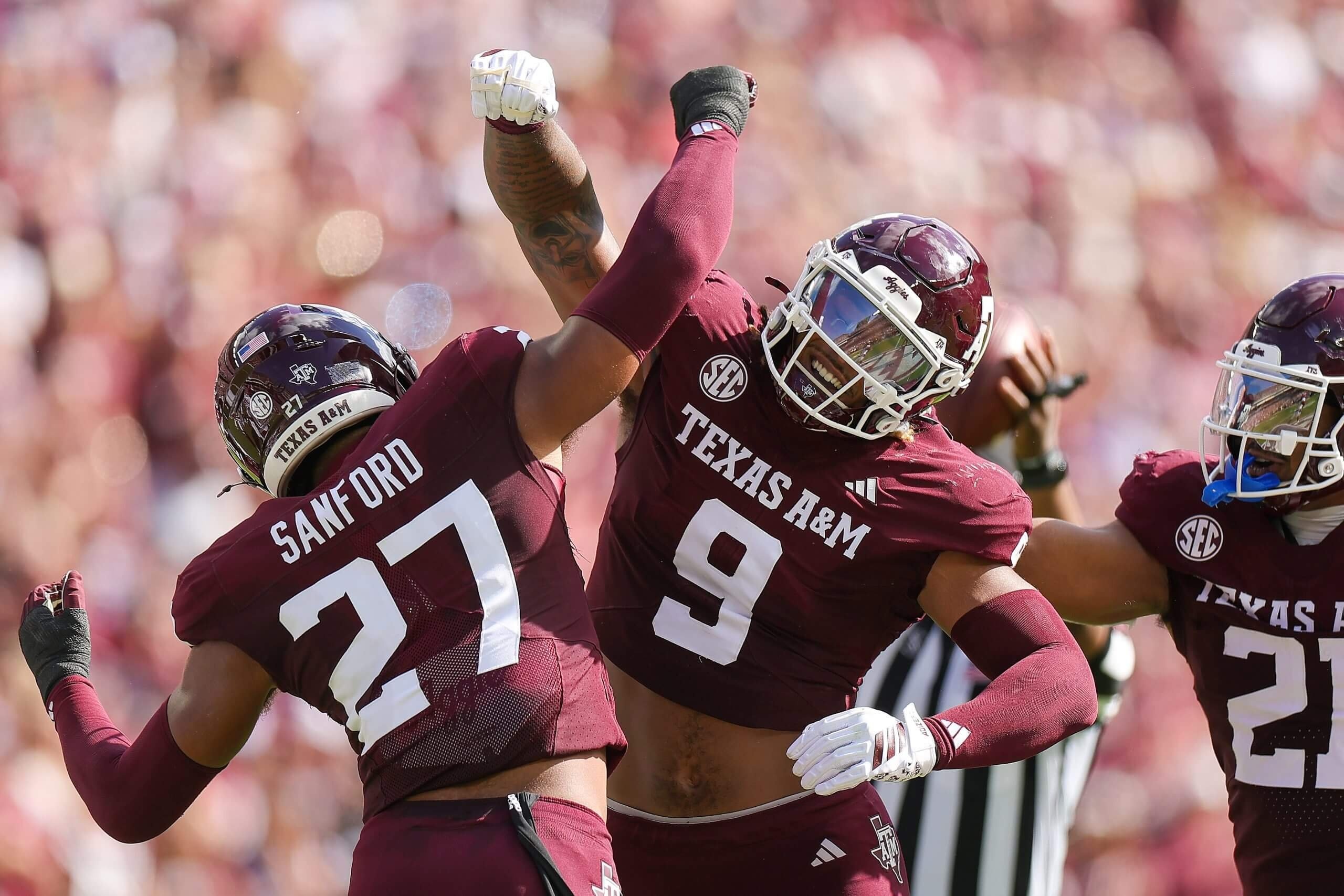
KC Concepcion, a speed‑first wide receiver from Texas A&M, was listed as Brugger’s No. 4 receiver and could be a target if Cleveland starts the draft with a tackle.
Concepcion’s explosiveness is tempered by recent knee scope concerns, suggesting he may be a higher‑risk, higher‑reward option.
Jordyn Tyson, a wide receiver from Arizona State and brother of Cavaliers forward Jaylon Tyson, is a first‑round talent whose hamstring history will affect his draft stock.
Tyson’s first‑round potential makes him a candidate for Cleveland’s second pick if the team prioritizes immediate impact at receiver.
Day 2 – Second and Third Rounds (Picks 39 & 70)
Keylan Rutledge, a versatile center/guard from Georgia Tech, offers positional flexibility that aligns with Cleveland’s emphasis on adaptable offensive linemen.
Rutledge’s injury history may cause teams to hesitate, but his athletic profile could make him a valuable second‑round candidate.
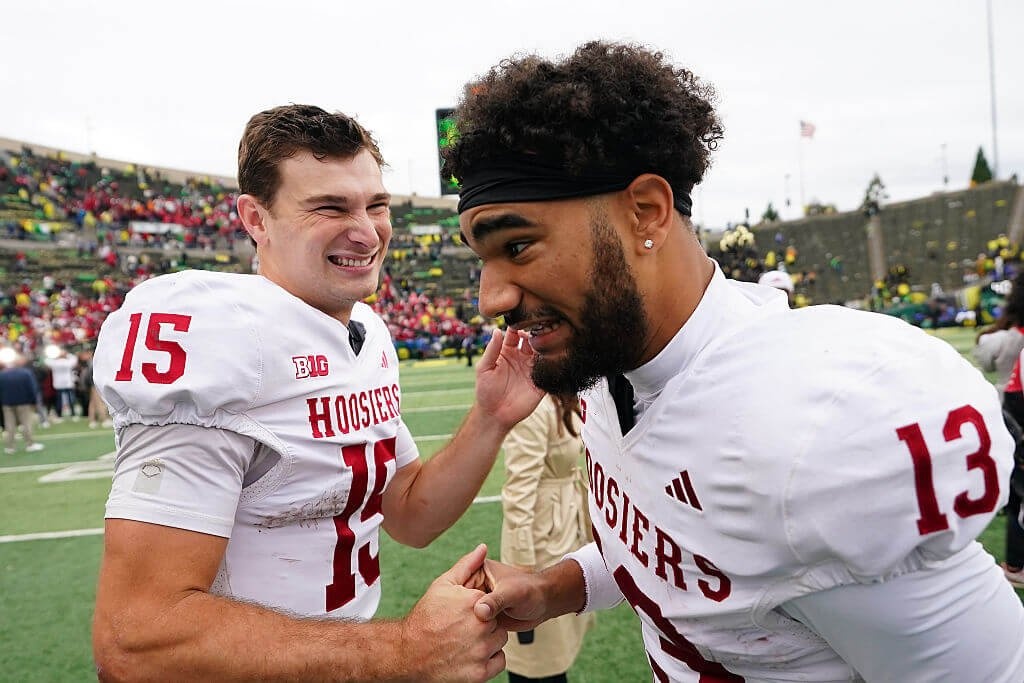
Omar Cooper Jr., a wide receiver from Indiana, provides inside/outside route versatility and strong run‑after‑catch ability, traits that fit the Browns’ offensive philosophy.
Cooper’s rise during Indiana’s national championship season has placed him on the radar for an early second‑round selection.
Jake Slaughter, a center from Florida, earned Brugger’s No. 1 center rating and is considered NFL‑ready, presenting a potential solution to the Browns’ interior line needs.
The Browns could shift veteran Elgton Jenkins or rookie Luke Wypler to center, making Slaughter a strategic acquisition for future depth.
Emmanuel McNeil‑Warren, a safety from Toledo, mirrors Cleveland’s successful 2025 pick of tight end Harold Fannin Jr. from the MAC, suggesting a regional scouting focus.
McNeil‑Warren’s rangy frame and versatility could see him drafted in the late first or early second round, adding depth to the secondary.
Garrett Nussmeier, a quarterback from LSU and the class’s No. 3 QB, struggled with performance and injuries last season but possesses a pedigree as the son of an NFL assistant coach.
Nussmeier’s accuracy and size keep him in the conversation for a second‑day pick, offering Cleveland a developmental quarterback option.
Markel Bell, an offensive tackle from Miami, boasts a massive frame comparable to former Browns tackle Dawand Jones and could develop into a starting left tackle.
Bell’s formal pre‑draft visit to Cleveland indicates the organization’s interest in his long‑term potential.
Chris Bell, a wide receiver from Louisville, suffered a torn ACL late last season but remains NFL‑ready, presenting a high‑upside gamble for a deep receiver group.
If the Browns prioritize immediate depth, Bell could be a second‑round selection despite his recent injury.
Cole Payton, a quarterback from North Dakota State, is a one‑year starter with athletic upside, making him a plausible third‑round developmental prospect.
Payton’s natural running ability and improving passing mechanics could appeal to a Browns team seeking a versatile backup quarterback.
Ted Hurst, a wide receiver from Georgia State, combines size (6‑4, 206 lb) and speed, though transitioning from Division II to the NFL presents a steep learning curve.
Hurst could be a later‑round pick if Cleveland decides to wait on a top‑tier receiver in the early rounds.
Day 3 – Rounds 4 to 7 (Picks 107, 146, 149, 206, 248)
Isaiah World, an offensive tackle from Oregon, suffered a torn ACL in the College Football Playoff, positioning him as a potential redshirt‑year investment.
The Browns could view World as a long‑term project to eventually compete for the left‑tackle spot.
Riley Nowakowski, a tight end/fullback from Indiana, ranked as Brugger’s No. 14 tight end and contributed as a fullback to Indiana’s championship run.
Nowakowski offers the Browns a hybrid player capable of both blocking and occasional receiving duties.
Drew Allar, a quarterback from Penn State, grew up a Browns fan in Medina, Ohio, and despite a senior season that fell short of expectations, retains strong arm strength and athleticism.
Allar’s local ties and developmental ceiling make him a candidate for a later‑round selection.
Tanner Koziol, a tight end from Houston, provides a tall, pass‑catching profile that could add depth to Cleveland’s receiving tight ends.
Koziol’s potential as a red‑zone target aligns with the Browns’ need for additional weapons in the passing game.
Wesley Williams, a defensive end from Duke, brings special‑teams experience and kick‑blocking ability, offering immediate rotational value on the edge rush.
The Browns are expected to continue adding depth to their defensive line in the later rounds.
Taylen Green, a quarterback from Arkansas, is a developmental prospect with enough athleticism to be considered for a non‑traditional quarterback role or short‑yardage situations.
Green’s versatility could allow the Browns to experiment with position flexibility in future offensive schemes.
Barion Brown, a wide receiver from LSU, is noted for his explosiveness and could contribute to the Browns’ return game and receiving corps.
Brown’s speed makes him a compelling option for a later‑round pick focused on special teams impact.
Cyrus Allen, a wide receiver from Cincinnati, is regarded as a combine snub and posted 13 touchdown receptions last season, suggesting undervalued talent.
Allen’s production could make him an attractive value pick in the middle rounds.
Chip Trayanum, a running back from Toledo, offers versatility after transitioning from linebacker to short‑yardage back, fitting Cleveland’s desire for a robust backfield and special‑teams contributor.
Trayanum’s multi‑position background provides the Browns with flexibility in both offensive packages and special‑teams formations.
The Browns’ draft strategy will be heavily influenced by whether they trade down from the No. 6 slot to acquire additional picks, a move Berry has executed successfully in the past.
Trading down could allow Cleveland to address multiple needs, such as adding a left tackle, a receiver, and a versatile interior lineman, while preserving the ability to select a quarterback later.
| Round | Pick | Potential Target |
|---|---|---|
| 1 | 6 | Spencer Fano (OT) / Carnell Tate (WR) |
| 1 | 24 | Blake Miller (OT) / Makai Lemon (WR) |
| 2 | 39 | Keylan Rutledge (C/G) / Omar Cooper Jr. (WR) |
| 3 | 70 | Jake Slaughter (C) / Emmanuel McNeil‑Warren (S) |
| 4 | 107 | Isaiah World (OT) |
| 5 | 146 | Riley Nowakowski (TE/FB) |
| 5 | 149 | Tanner Koziol (TE) |
| 6 | 206 | Wesley Williams (DE) |
| 7 | 248 | Chip Trayanum (RB) |
Cleveland’s offensive line rebuild remains a top priority, as the team’s sack totals last season placed them among the worst in the league.
Securing a left tackle who can protect the quarterback’s blind side is essential for the success of Todd Monken’s offensive scheme.
The wide receiver group, which ranked near the bottom in yards per catch, requires immediate infusion of talent to stretch defenses and create space for the running game.
Adding a reliable possession receiver like Tate, complemented by a slot specialist such as Lemon, could improve the Browns’ passing efficiency.
Quarterback depth is another focal point; while the competition between incumbent players continues, drafting a developmental quarterback like Nussmeier or Payton provides insurance.
Berry’s historical willingness to trade down suggests the Browns may prioritize quantity of picks over a single high‑profile selection, aiming to build a broader talent base.
In previous drafts, Cleveland has successfully identified regional talent, as demonstrated by the selection of Harold Fannin Jr. from the Mid‑American Conference.
The potential selection of Toledo safety Emmanuel McNeil‑Warren continues this pattern, reinforcing the front office’s confidence in local scouting.
Each prospect listed aligns with the Browns’ drafting habits, emphasizing versatility, athletic upside, and the ability to develop within Cleveland’s system.
The upcoming draft will determine whether the Browns can quickly address their offensive deficiencies or must adopt a longer‑term rebuilding timeline.