Italy's Third World Cup Apocalypse: Bosnia Playoff Loss Exposes Systemic Crisis in Italian Football
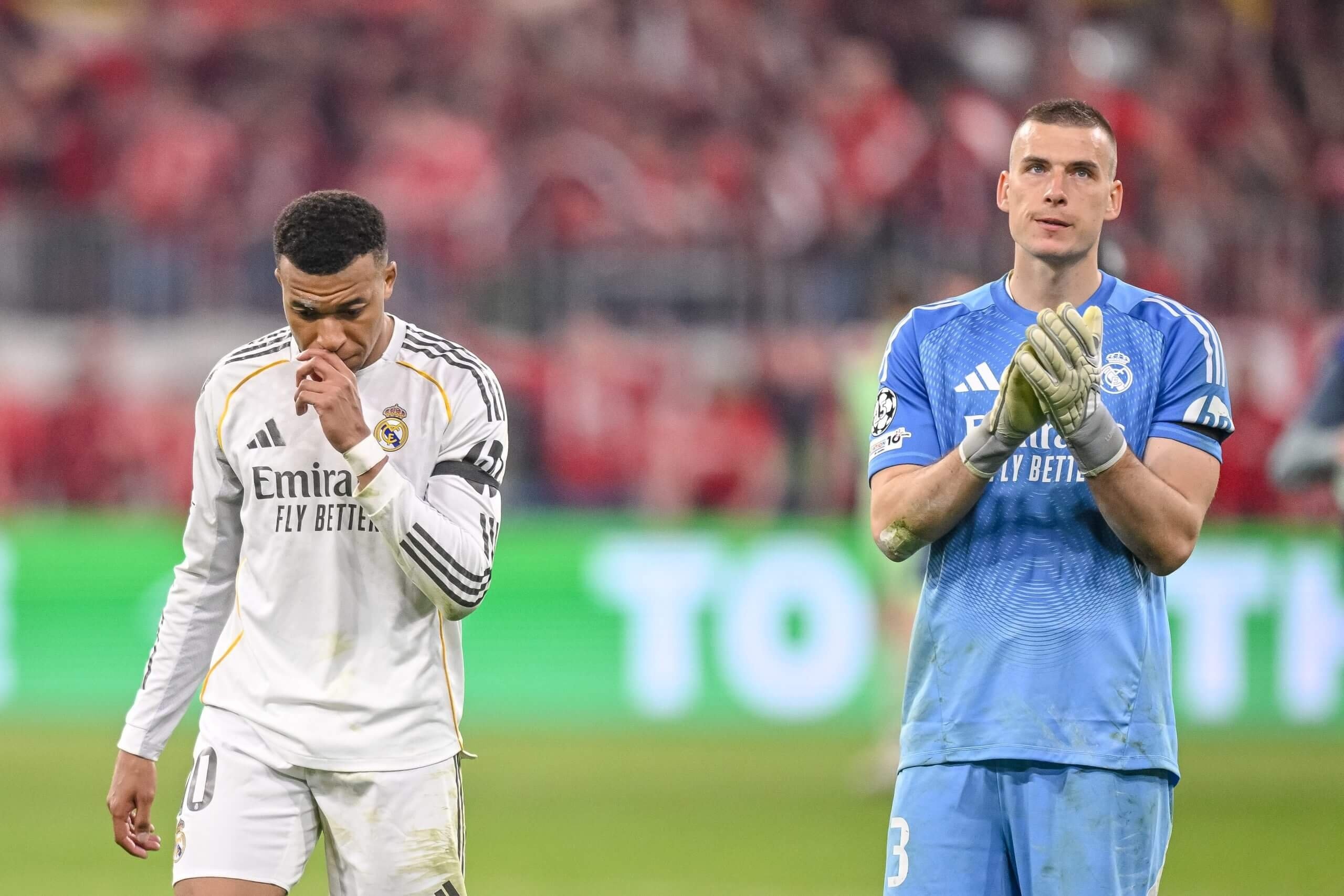
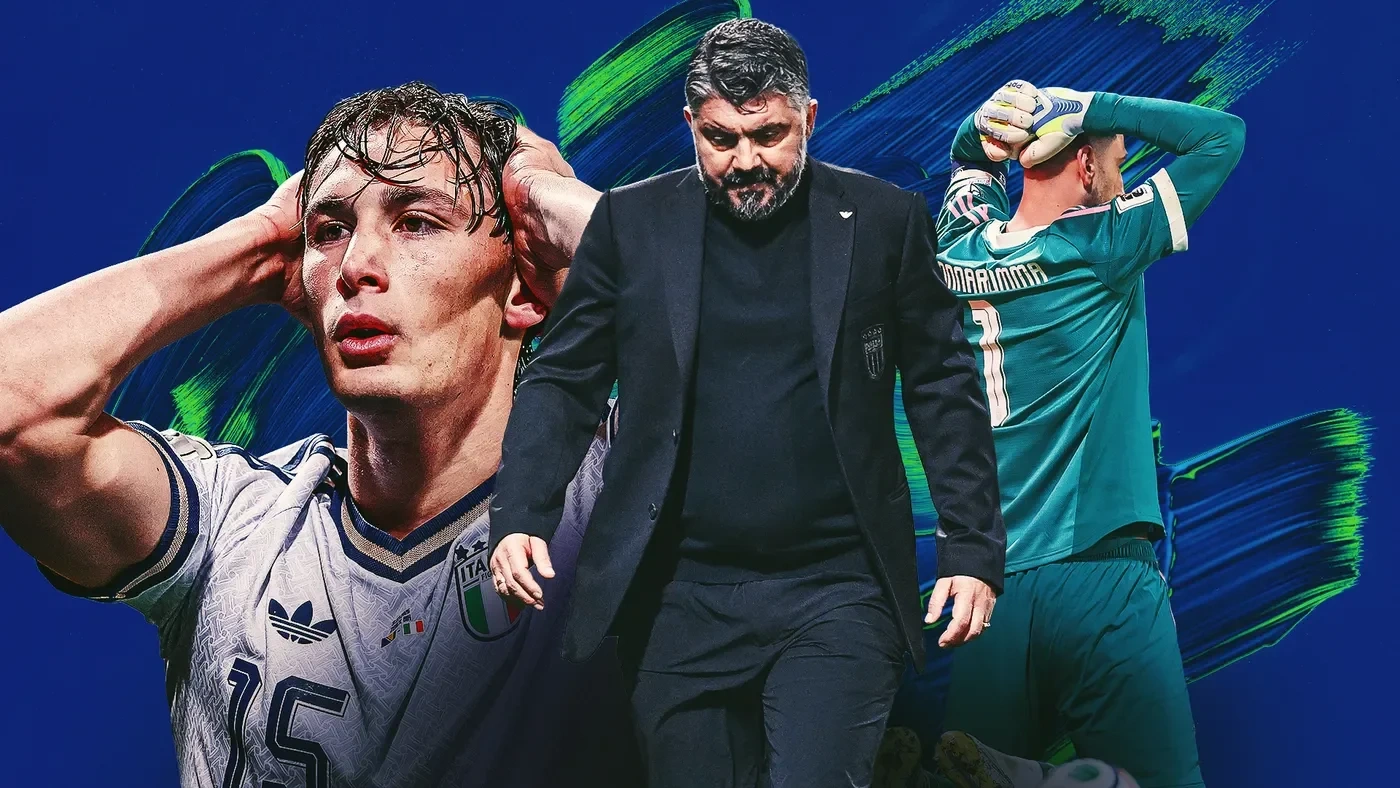
Gianluigi Donnarumma was among the handful of Italy players reduced to tears after the World Cup play‑off loss to Bosnia and Herzegovina in Zenica, a defeat that marked Italy’s third failed qualification attempt.
The goalkeeper, who currently plies his trade with Manchester City, posted an emotional message on social media, emphasizing the need for “strength, passion and belief” to turn the page for Italian football.
Despite his personal devastation, Donnarumma’s words echo a broader sentiment that the Azzurri are currently “exactly where they deserve to be” after years of mismanagement from the top down.
Former Italy coach Fabio Capello, speaking to Marca, described the play‑off loss as “a sporting tragedy, a disgrace” and one of the worst events in recent Italian football history.
Italy entered the play‑off after a 4‑1 home defeat to Norway in November, a result that already exposed the fragility of Gennaro Gattuso’s squad.
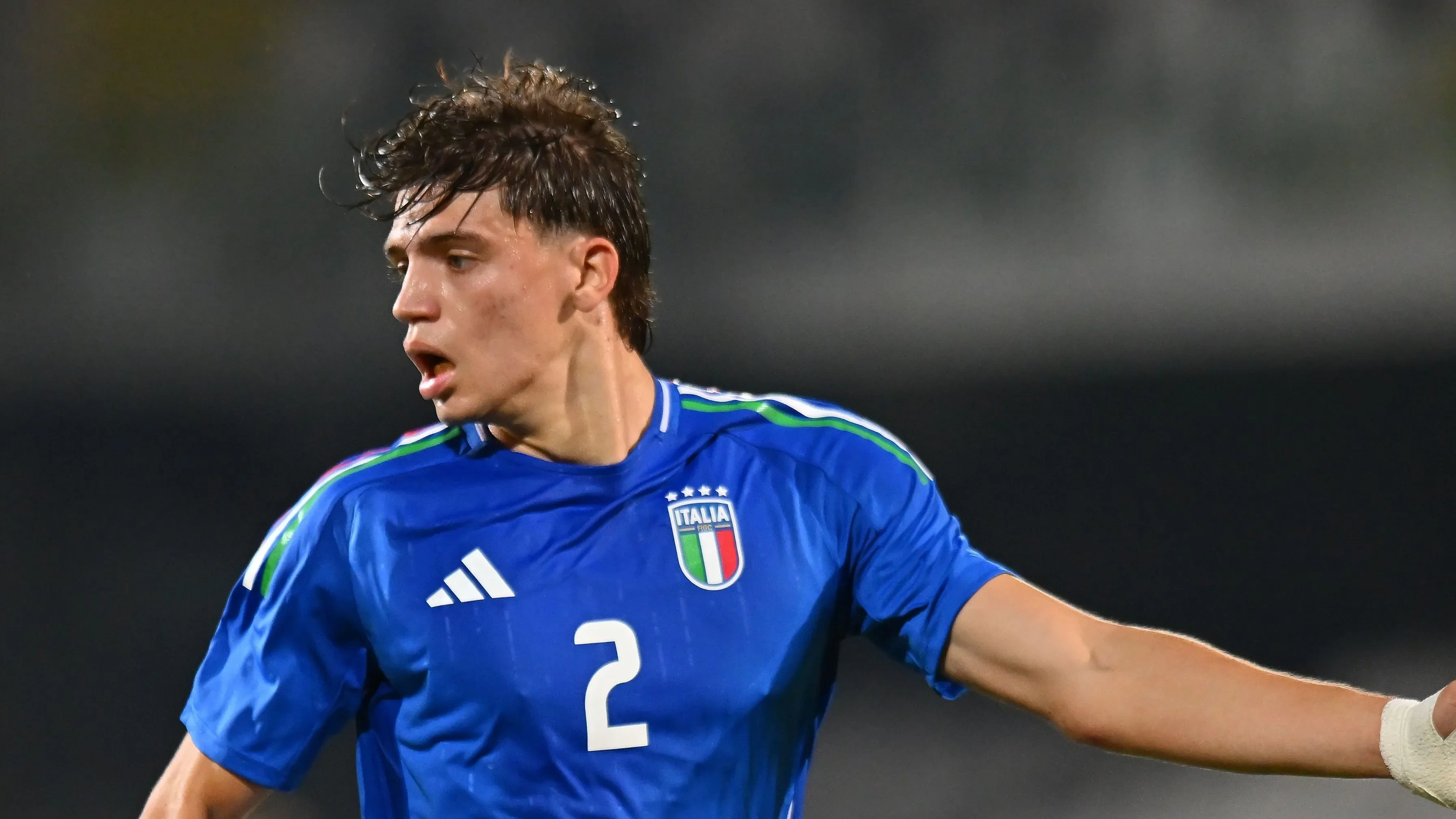
The match against Bosnia began positively for Italy, with Moise Kean scoring early to give the visitors a 1‑0 lead before the half‑time interval.
Four minutes before the break, Alessandro Bastoni received a red card, a decision that forced Italy to play the second half with ten men.
In the second half, Bosnia extended their lead, and the match ultimately proceeded to a penalty shoot‑out, where Italy were eliminated.
| Team | Goals | Red Cards |
|---|---|---|
| Italy | 1 | 1 (Bastoni) |
| Bosnia & Herzegovina | 2 | 0 |
Stefano Agresti, writing for Gazzetta dello Sport, argued that Bosnia were the stronger side and that Italy “threw the match away ourselves,” dismissing any excuses based on officiating.
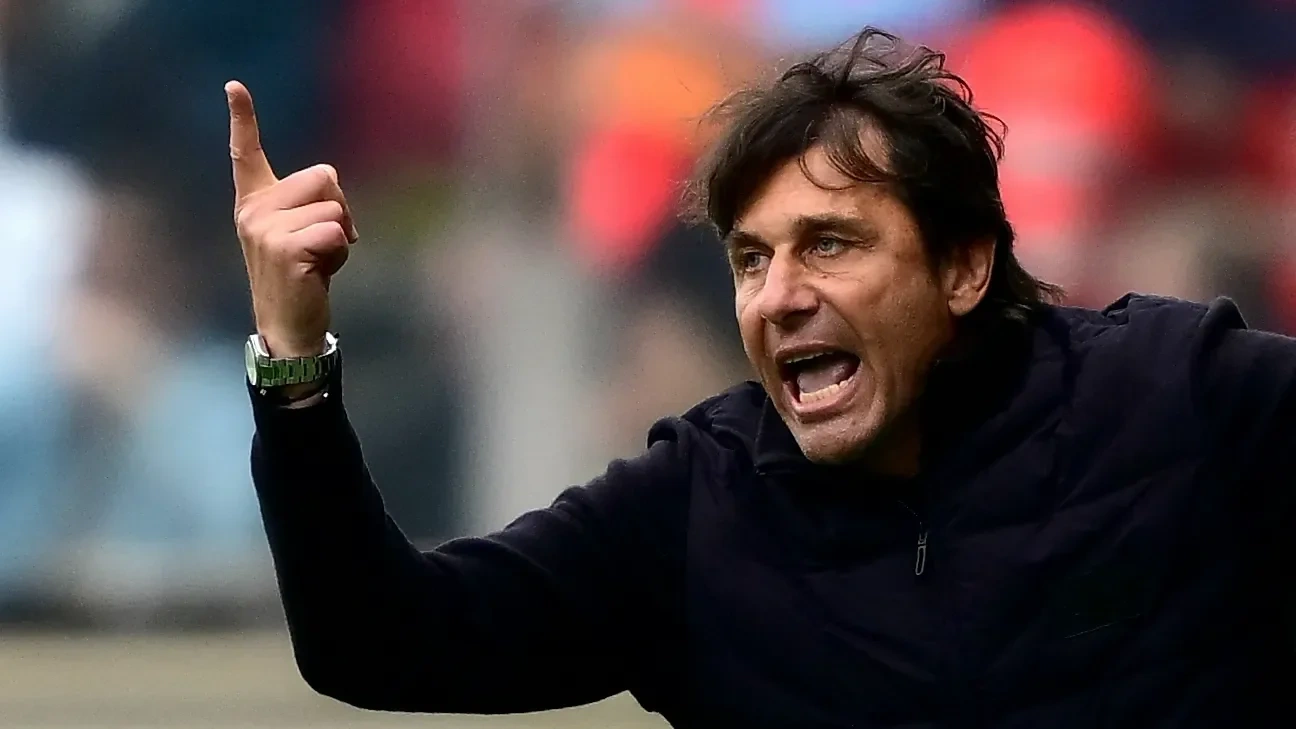
Gattuso’s future as head coach is now in doubt; he had warned before the campaign that failure to qualify would jeopardise his position.
In November, Gattuso admitted that if Italy missed the World Cup, he would “go even farther” from the country, hinting at a possible departure.
Current reports suggest his contract, which expires in June, is unlikely to be renewed, and former Euro 2020‑winning manager Roberto Mancini is being linked to the role.
Nevertheless, several influential figures, including former defender Franco Baresi, have defended Gattuso, stating that he is “certainly among the least responsible for this defeat.”
The FIGU’s president, Gabriele Gravina, faced intense pressure after the play‑off loss and resigned on Thursday following calls from the Minister for Sport, Andrea Abodi.
Abodi emphasized that “Italian football needs to be rebuilt” and that the process must begin with a renewal of FIGC leadership.
Gravina, who had been re‑elected with 98.68 % of the vote only a year earlier, had previously defended his record by calling other sports “amateur” compared with football.
Public anger manifested in protests, including eggs being thrown at the FIGC headquarters, and a petition was launched in the Italian Senate by Lazio president Claudio Lotito demanding Gravina’s resignation.
The upcoming FIGC election, provisionally set for 22 June, has produced a shortlist of candidates such as Giovanni Malago, Giancarlo Abete, Umberto Gandini, Gianni Rivera and Beppe Marotta.
Former Italian National Olympic Committee chief Giovanni Malago is considered the early favourite, though all candidates will inherit the challenge of reversing years of decline.
Gazzetta dello Sport highlighted a “dwindling interest in football among Italians,” a trend linked to the scarcity of Italian‑eligible players in Serie A.
Gravina noted that only 33 % of Serie A players are eligible for the national team, a statistic echoed by former midfielder Demetrio Albertini.
Albertini warned that the limited pool of Italian‑eligible players hampers the national team’s preparation for international matches.
He also supported Gattuso’s call to recall Marco Verratti, a player with extensive experience in high‑level European competition.
Despite Italy’s Euro 2020 triumph, Albertini stressed that the underlying issue of insufficient Italian talent in Serie A remains unaddressed.
Serie A’s structural problems are evident; only Atalanta reached the Champions League round of 16 this season, underscoring the league’s competitive weakness.
Stadium infrastructure continues to lag, with many clubs lacking ownership of their venues, limiting match‑day revenue and discouraging investment.
UEFA president Aleksander Ceferin warned that Italy could lose its co‑host status for Euro 2032 if stadium upgrades are not completed.
The perception of Serie A as a “retirement league” has grown, as many high‑profile Italian players are now past their prime and unable to attract top talent.
Television rights revenue for the league remains low compared with other major European competitions, further reducing financial resources for clubs.
In 2010, following a disastrous World Cup defence, the FIGC commissioned Roberto Baggio to produce a comprehensive reform plan.
Baggio’s 900‑page report advocated a technique‑focused youth system and the creation of a dedicated football school near Coverciano.
The federation largely ignored Baggio’s recommendations, leading to his resignation in January 2013 after expressing frustration that his proposals remained “a dead letter.”
Arrigo Sacchi’s 2022 observation that “we talk a lot, but you don’t resolve problems with only words” remains relevant, as no substantial reforms have been implemented since then.
The cumulative effect of managerial turnover, administrative instability, and infrastructural neglect suggests that Italian football faces a profound existential crisis.
Unless concrete actions are taken by the new FIGC leadership, the sport risks never recovering from what the source describes as its third World Cup “apocalypse.”