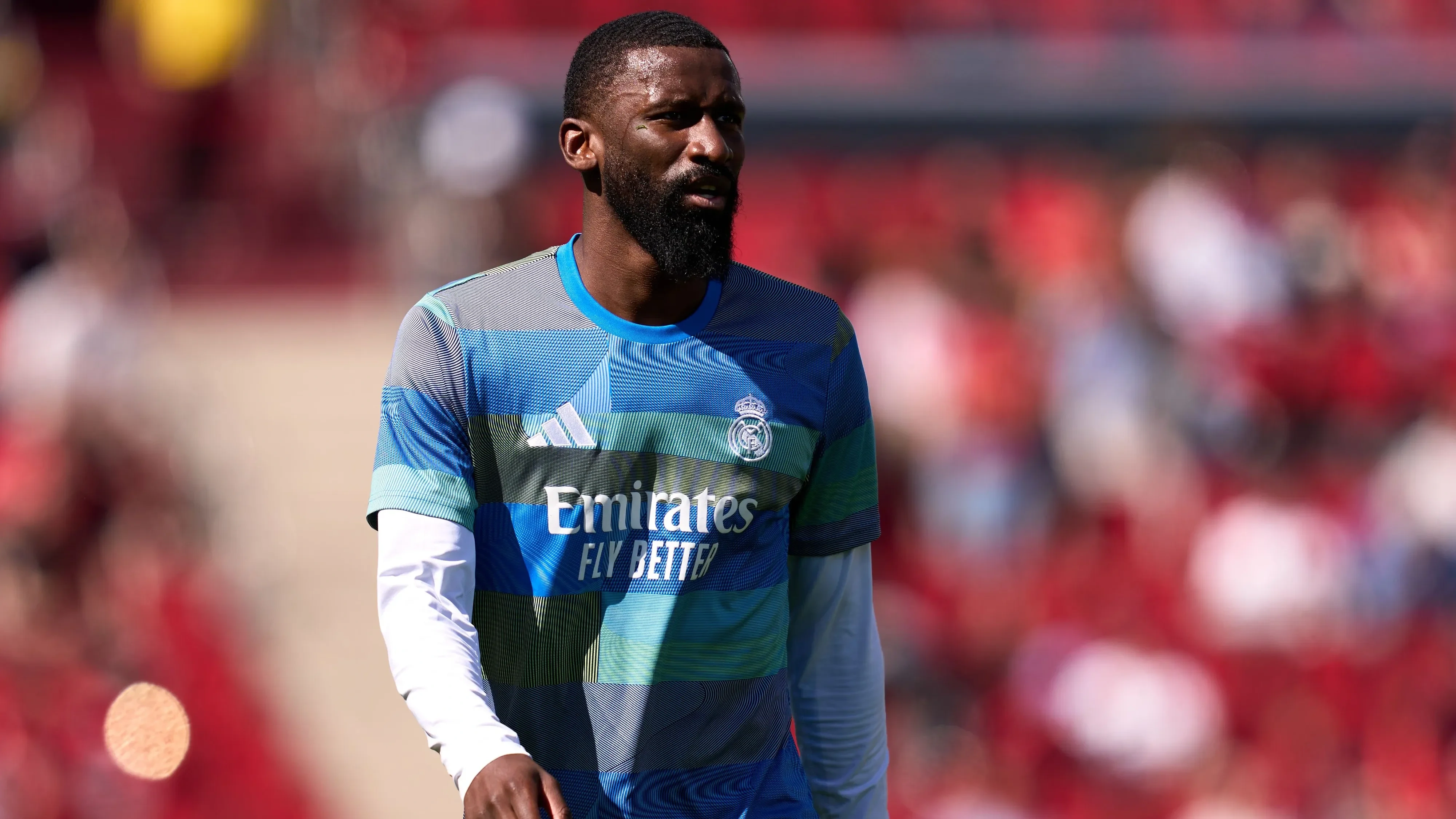
Antonio Rüdiger Signs One‑Year Extension to Stay at Real Madrid
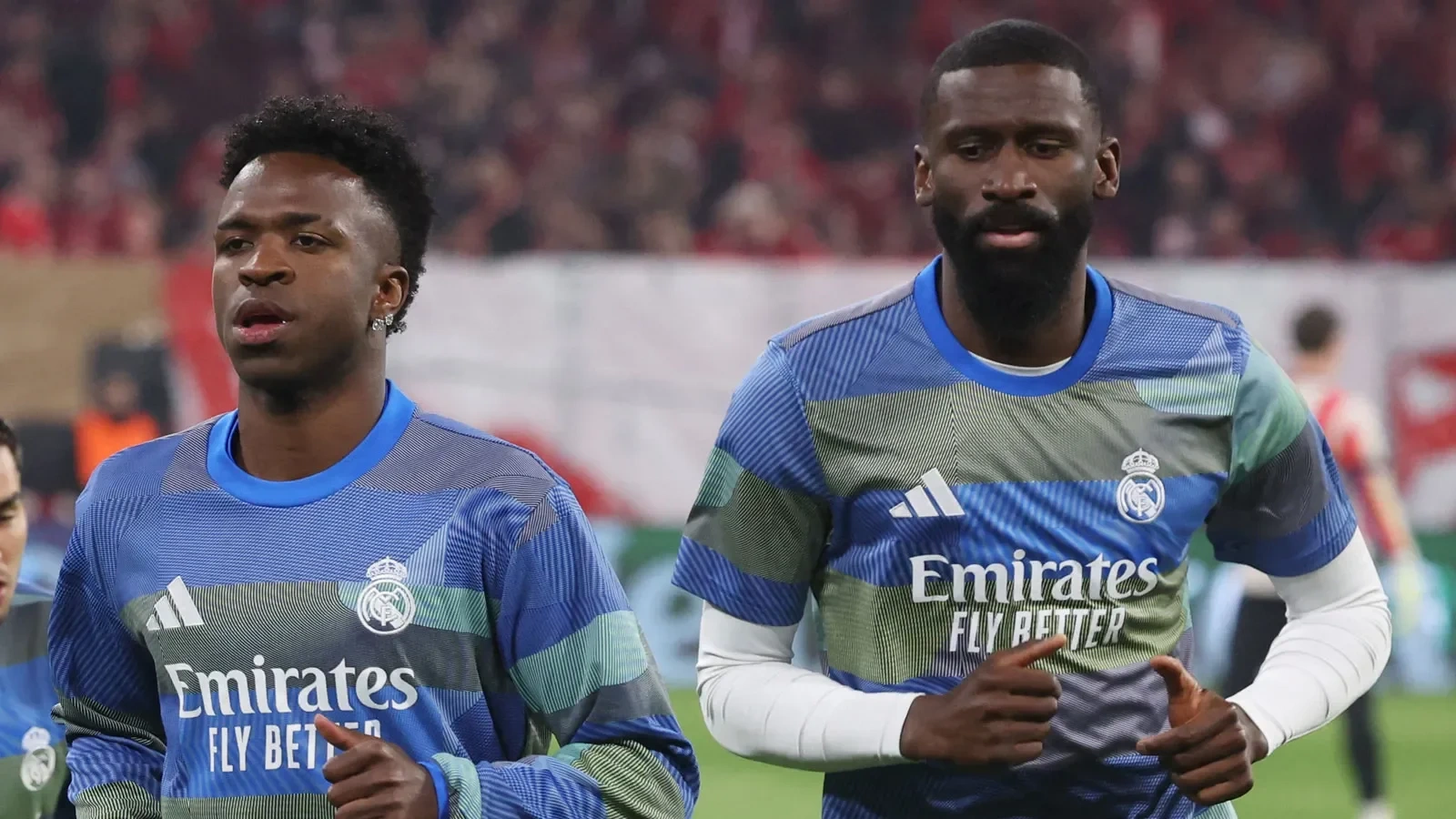
Antonio Rüdiger’s contractual situation at Real Madrid has moved from speculation to a concrete direction, according to a recent Spanish media report. The 33‑year‑old German centre‑back is set to remain with the Blancos as the club prepares the final months of the 2025‑26 campaign.
Real Madrid have extended an offer to Rüdiger that would add a single year to his expiring contract, aligning with the club’s established policy of providing twelve‑month extensions to players over the age of thirty. The proposal reflects the club’s desire to retain the defender while preserving flexibility for future squad planning.
Rüdiger has indicated that staying in Madrid is a “priority,” yet he expressed disappointment that the offer does not match his expectation of a two‑year deal. The German international’s public comments underscore a desire for longer security, a sentiment shared by many veteran players in top‑level European football.
Despite the brief term, Real Madrid’s hierarchy remains confident that an agreement will be reached in the coming weeks. Club officials have reiterated that the one‑year extension is not a sign of diminished appreciation, but rather a standard contractual approach for senior squad members.
The defender’s recent form has contributed to the club’s willingness to keep him in the roster. In his fourth season with Real, Rüdiger has logged 21 competitive appearances, a marked improvement after a period hampered by injuries.
During those 21 matches, he has contributed one goal and eight assists, showcasing an ability to influence play from the back line. His defensive record includes four yellow cards and a solitary red card, figures that suggest disciplined aggression in a high‑pressure environment.
Rüdiger’s fitness level has been a decisive factor in the club’s decision. Over the past few weeks he has remained injury‑free, a stark contrast to earlier seasons where recurring muscular problems limited his availability.
His presence has also offered tactical flexibility to manager Carlo Ancelotti, who often deploys a back‑four or a back‑three depending on the opponent. Rüdiger’s experience in both systems enhances Real’s defensive depth and provides a reliable option when rotating the squad for LaLiga and Champions League commitments.
Real Madrid currently sit as LaLiga runners‑up, a position that intensifies the need for defensive stability heading into the final stretch of the season. The club’s defensive reshuffle earlier in the year, which saw the arrival of younger centre‑backs, has not diminished Rüdiger’s role as a seasoned leader.
In addition to domestic responsibilities, Real Madrid’s Champions League campaign has required a rotation policy to manage fatigue. Rüdiger’s ability to play the full 90 minutes without injury has made him a valuable asset in high‑stakes knockout matches.
Beyond the Spanish capital, several European clubs have shown interest in the German defender. Reports from Tuttosport link Juventus to a potential reunion with former coach Luciano Spalletti and the promise of a multi‑year contract.
Manchester United and Liverpool have also been mentioned as possible destinations, indicating that Rüdiger remains a coveted figure among clubs seeking experienced defensive reinforcement. These rumors, however, have not altered the prevailing narrative that Real Madrid intend to retain him.
Rüdiger’s career trajectory adds context to his current situation. He began his professional journey with VfB Stuttgart, later achieving prominence at Chelsea before moving to Real Madrid in 2022. His international resume includes over 70 caps for Germany, featuring in two World Cups.
At Real Madrid, his adaptation to the Spanish style of play has been gradual. Initially, he struggled with the pace and technical demands of LaLiga, but recent performances suggest a growing comfort with ball‑playing responsibilities.
The defender’s statistical contributions this season can be summarised in the table below.
| Appearances | Goals | Assists |
|---|---|---|
| 21 | 1 | 8 |
Disciplinary data further illustrate his on‑field conduct.
| Yellow Cards | Red Cards | Fouls per Game |
|---|---|---|
| 4 | 1 | 1.2 |
Real Madrid’s policy of short‑term extensions for players over thirty is rooted in financial prudence and squad turnover strategy. By offering a one‑year deal, the club retains the option to reassess performance and market value at the season’s conclusion.
For Rüdiger, the contract length aligns with his personal desire to stay competitive while keeping future options open. A shorter agreement may allow him to negotiate a longer term elsewhere if circumstances change.
The broader implications of Rüdiger’s decision affect Real Madrid’s defensive planning. Should he sign the extension, the club will likely continue to blend his experience with emerging talents such as David Alaba, who also faces a contract expiry this summer.
Alaba’s situation mirrors Rüdiger’s in that both are seasoned internationals navigating the club’s age‑related contract policy. Their simultaneous negotiations could shape Real’s defensive core for the next two seasons.
From a tactical perspective, Rüdiger’s aerial ability remains a key asset in set‑piece situations. His height and timing have contributed to a notable percentage of Real’s defensive clearances and occasional offensive headers.
Moreover, his passing accuracy, recorded at approximately 85 % this season, supports the club’s emphasis on building from the back. This metric places him among the more reliable ball‑playing defenders in LaLiga.
Real Madrid’s defensive record this campaign shows a goals‑against average of 0.95 per game, ranking them within the top three in the league. Rüdiger’s involvement in 12 of those clean‑sheet matches underscores his impact.
In addition to on‑field contributions, Rüdiger’s leadership in the dressing room is frequently highlighted by teammates. His experience in major tournaments provides a calming influence during pressure moments.
The potential continuation of his tenure also affects Real’s market activities. With a confirmed centre‑back, the club may redirect transfer resources toward attacking reinforcements or midfield depth.
Conversely, if negotiations were to falter, Real Madrid would need to identify a replacement during the summer window, a task complicated by the limited availability of top‑tier defenders.
Historically, Real Madrid have successfully integrated veteran defenders into their squad, examples being Sergio Ramos and Marcelo. Rüdiger’s situation follows this tradition of balancing youth with seasoned professionalism.
Looking ahead, the upcoming weeks will be decisive for both player and club. The expectation of an agreement “in the coming weeks” suggests that contract paperwork is already in advanced stages.
Should the extension be formalised, Rüdiger will enter the 2026‑27 season with the knowledge that he remains a valued component of a title‑contending side. This clarity may positively influence his performance levels.
If, however, negotiations break down, the market would likely see heightened interest from clubs seeking an immediate defensive upgrade. Juventus, Manchester United, and Liverpool would be primary beneficiaries of such a scenario.
In any case, the current trajectory points toward continuity at the Santiago Bernabéu. The club’s confidence, combined with Rüdiger’s expressed priority to stay, creates a strong foundation for a renewed partnership.
Real Madrid’s fans, known for their demand for silverware, will be watching closely as the defender’s future is sealed. The resolution of this contract will be a key narrative as the season approaches its climax.