UEFA Bans Gianluca Prestianni for Homophobia, Not Racism Over Vinicius Junior
UEFA has handed Benfica forward Gianluca Prestianni a six-match suspension following his involvement in an incident with Real Madrid’s Vinicius Junior during a UEFA Champions League play-off fixture in February. The disciplinary ruling concludes an investigation that was initially opened over allegations of racist abuse but ultimately resulted in a sanction for homophobic conduct.
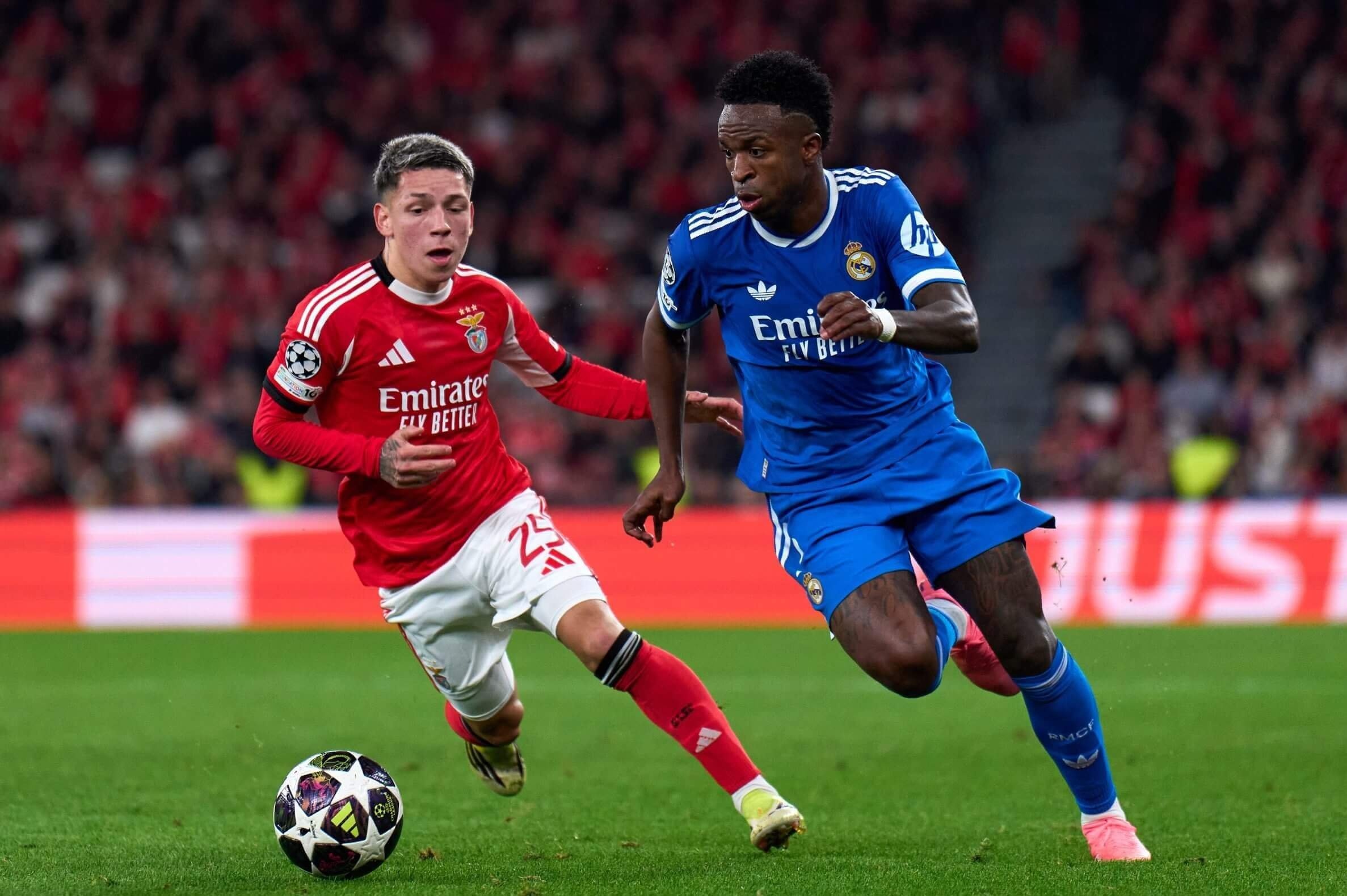
The case stems from the first leg of the tie in Lisbon, where Vinicius Junior reported an alleged discriminatory remark to match officials after scoring the decisive goal in the second half. Referee Francois Letexier responded by activating FIFA’s anti-racism protocol, halting the match for approximately eight minutes while the situation was assessed.
At the time of the incident, Vinicius Junior alleged that Prestianni had directed racist abuse toward him, prompting UEFA to launch a formal investigation into potential discriminatory behavior. Prestianni publicly denied those accusations, stating on social media that the Real Madrid forward had misunderstood what he believed he heard during the exchange.
UEFA’s final ruling diverged from the initial allegation, confirming that Prestianni would be punished for homophobic conduct rather than racism. The governing body imposed a six-match suspension, with three matches suspended for a period of two years, effectively reducing the immediate sporting impact of the sanction.
The disciplinary structure of the punishment means that the Argentine forward is currently set to miss two additional matches in UEFA competitions, factoring in a prior suspension served during the second leg in Madrid. UEFA also confirmed that it has requested FIFA to extend the ban globally, which would apply the sanction across all competitions, including international fixtures.
Prestianni’s growing international profile adds further significance to the case, as he made his senior debut for Argentina in November and was included in Lionel Scaloni’s squad as recently as March. Any global enforcement of the suspension would therefore have implications beyond club football, potentially affecting his availability for national team commitments.
UEFA regulations on discriminatory conduct outline that any individual found guilty of insulting the dignity of a person based on factors such as race, ethnicity, or sexual orientation should receive a minimum suspension of ten matches. UEFA did not provide further clarification when questioned on why the sanction in this instance fell below that threshold.
The disciplinary process also included an interim measure, as UEFA’s ethics and disciplinary inspector requested that Prestianni be suspended for the return leg in Madrid, a decision Benfica unsuccessfully appealed. Real Madrid went on to win that match 2-1, progressing from the tie while the investigation continued in the background.
Benfica as a club responded swiftly in the aftermath of the first leg, announcing the suspension of five individuals for acts described as being of a racist nature during the fixture in Lisbon. The Portuguese side reiterated its institutional stance on equality and inclusion, while expressing support for Prestianni’s version of events.
Reactions from within the football community highlighted the seriousness of the allegations at the time, with Real Madrid forward Kylian Mbappe stating that he had heard repeated offensive remarks directed at Vinicius Junior during the match. Such testimony contributed to the broader scrutiny surrounding the incident, even as the final disciplinary outcome differed from the original accusation.
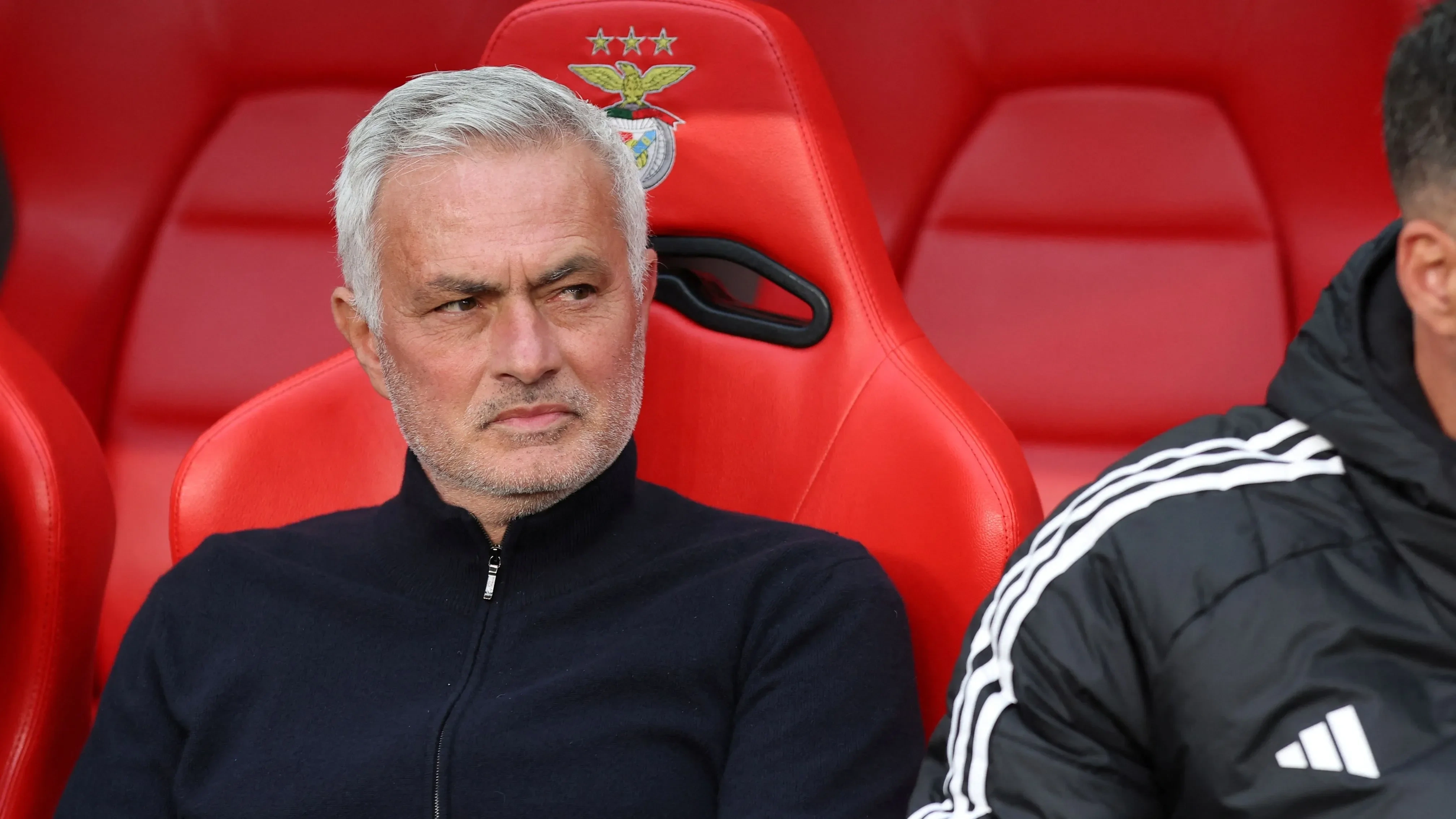
Benfica head coach Jose Mourinho also addressed the situation publicly, initially suggesting that Vinicius Junior may have contributed to escalating tensions during the match. His comments drew criticism from anti-discrimination organizations and figures within the sport, including Bayern Munich head coach Vincent Kompany, who described the remarks as a mistake.
Mourinho later clarified his position, emphasizing that any confirmed act of discrimination would be incompatible with both his personal principles and those of Benfica as an institution. He stated that if Prestianni had been found guilty of racist conduct, it would have effectively ended the player’s future at the club.
The incident also occurred amid broader discussions within football regarding on-field communication and transparency, particularly in relation to discriminatory language. On February 28, the International Football Association Board confirmed plans to introduce measures preventing players from covering their mouths while speaking, aiming to improve accountability.
From a sporting perspective, the match itself was tightly contested, with Vinicius Junior’s goal proving decisive in the first leg and setting the tone for the tie. The interruption following the reported incident underscored the increasing willingness of officials to halt matches in response to allegations of abuse, reflecting evolving protocols within the game.
| Match Detail | Benfica | Real Madrid |
|---|---|---|
| First Leg Score | 0 | 1 |
| Second Leg Score | 1 | 2 |
| Aggregate Result | 1 | 3 |
Vinicius Junior has been a central figure in multiple high-profile cases involving abuse in recent seasons, bringing increased attention to the issue at both domestic and international levels. His actions in reporting the incident and engaging with match officials were consistent with established protocols designed to address discrimination in real time.
Prestianni, meanwhile, is regarded as one of Argentina’s emerging talents, having joined Benfica as part of the club’s ongoing strategy of recruiting and developing young South American players. The suspension represents a significant moment in his early career, both in terms of disciplinary record and professional development.
The broader implications of UEFA’s decision extend beyond the individuals involved, highlighting the governing body’s approach to categorizing and sanctioning different forms of discriminatory behavior. The distinction between the initial allegation and the final ruling underscores the complexity of investigating on-field incidents where evidence and interpretation can vary.
There remains a three-day window for Benfica to appeal the decision, although sources have indicated that the club does not intend to pursue further action. As a result, the focus shifts to the enforcement of the sanction and its impact on both Benfica’s European campaign and Prestianni’s availability moving forward.