2026 NFL Draft: New York Jets Picks, Grades & Scouting Reports
The New York Jets entered the 2026 NFL Draft with nine selections spread across three days, a slate that shifted after a first‑round trade.
The trade netted the Jets the No. 30 overall pick, originally belonging to San Francisco, expanding their first‑round arsenal to three choices.
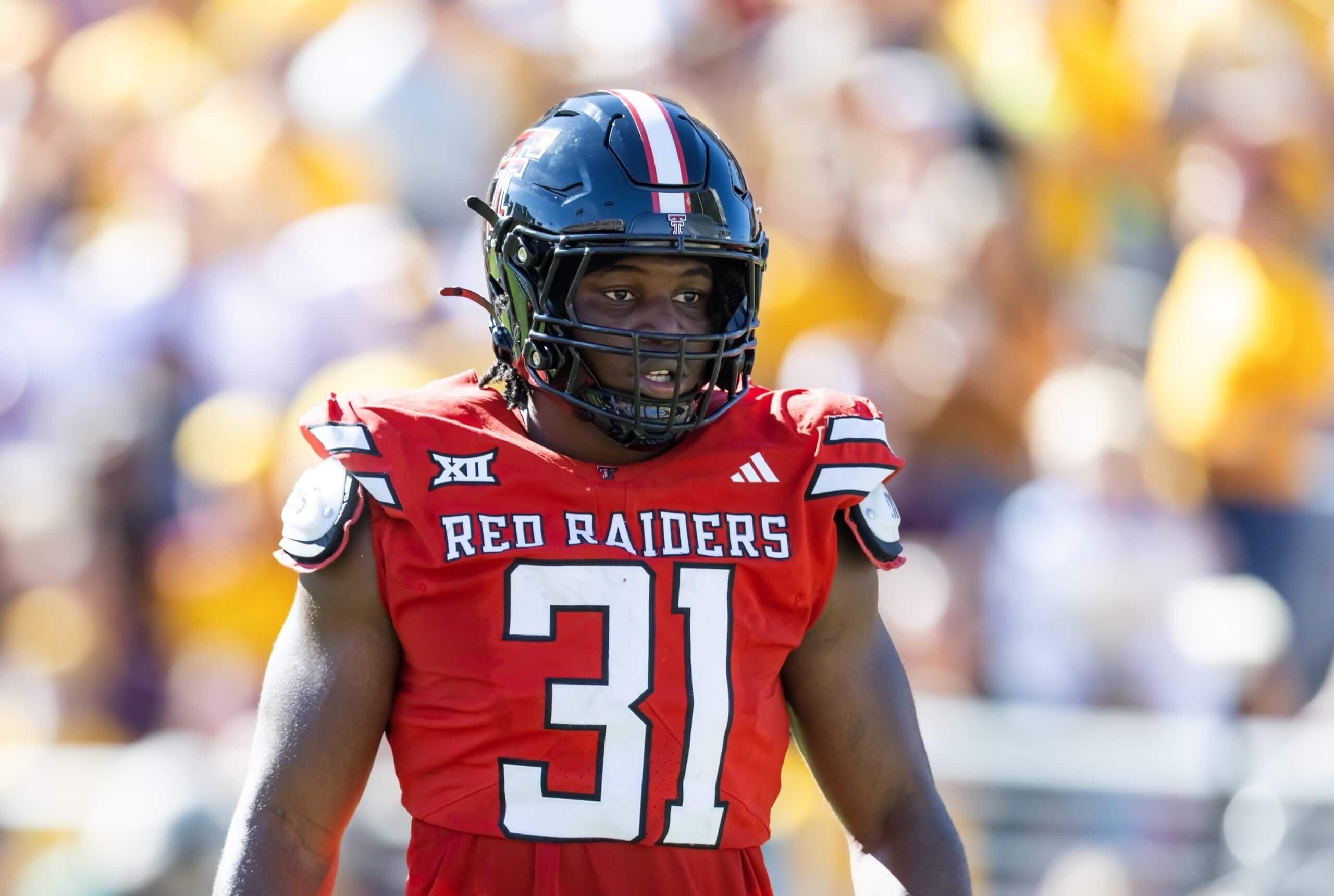
At No. 2 overall, New York selected Texas Tech edge rusher David Bailey, a player who ranked fifth on the consensus big board.
Bailey was the second‑ranked edge defender behind Arvell Reese, offering the Jets a proven pass‑rusher rather than a developmental prospect.
Analyst Austin Mock noted that Bailey’s immediate impact makes him a strong fit for a roster seeking elite pass‑rush talent.
Dane Brugger’s scouting report highlighted Bailey’s quick‑twitch explosiveness, power, and length, projecting him as a versatile NFL starter.
Bailey’s profile appears on the Beast platform, describing him as a disruptive, powerful edge player with starter potential.
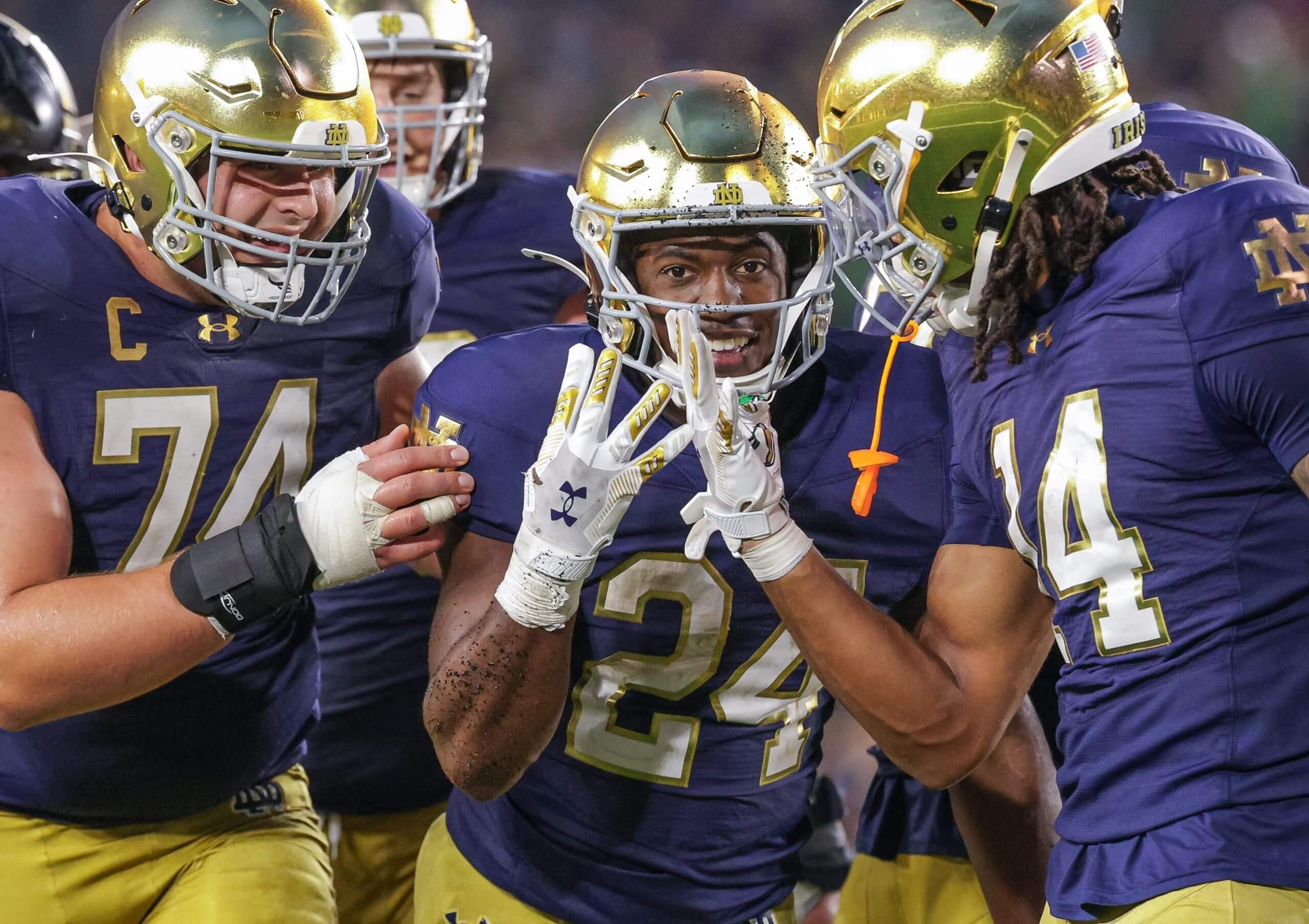
At No. 16, the Jets turned to Oregon for tight end Kenyon Sadiq, a 4.39‑second, 250‑pound athlete.
Nick Baumgardner praised Sadiq as the class’s best remaining pass‑catcher, capable of lining up as a traditional TE, X‑receiver, or Z‑slot.
Baumgardner emphasized Sadiq’s dual threat as a blocker and receiver, labeling him a “freakish athlete” built for the modern game.
Dane Brugger’s analysis compared Sadiq to Vernon Davis, citing his ability to out‑quick and out‑muscle defenders on both sides of the ball.
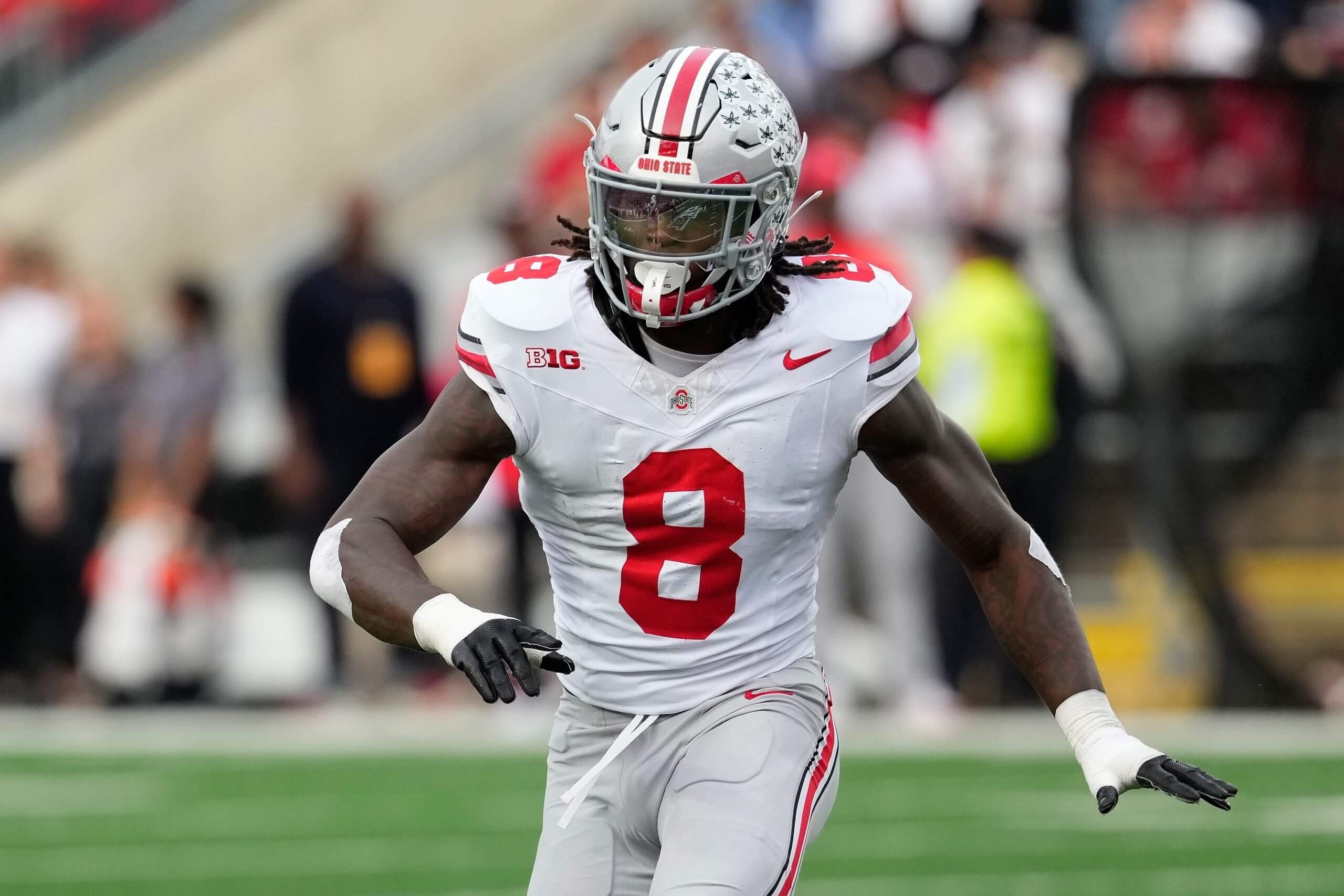
Bailey, Sadiq, and Indiana wideout Omar Cooper Jr., taken at No. 30, form the core of the Jets’ first‑round strategy.
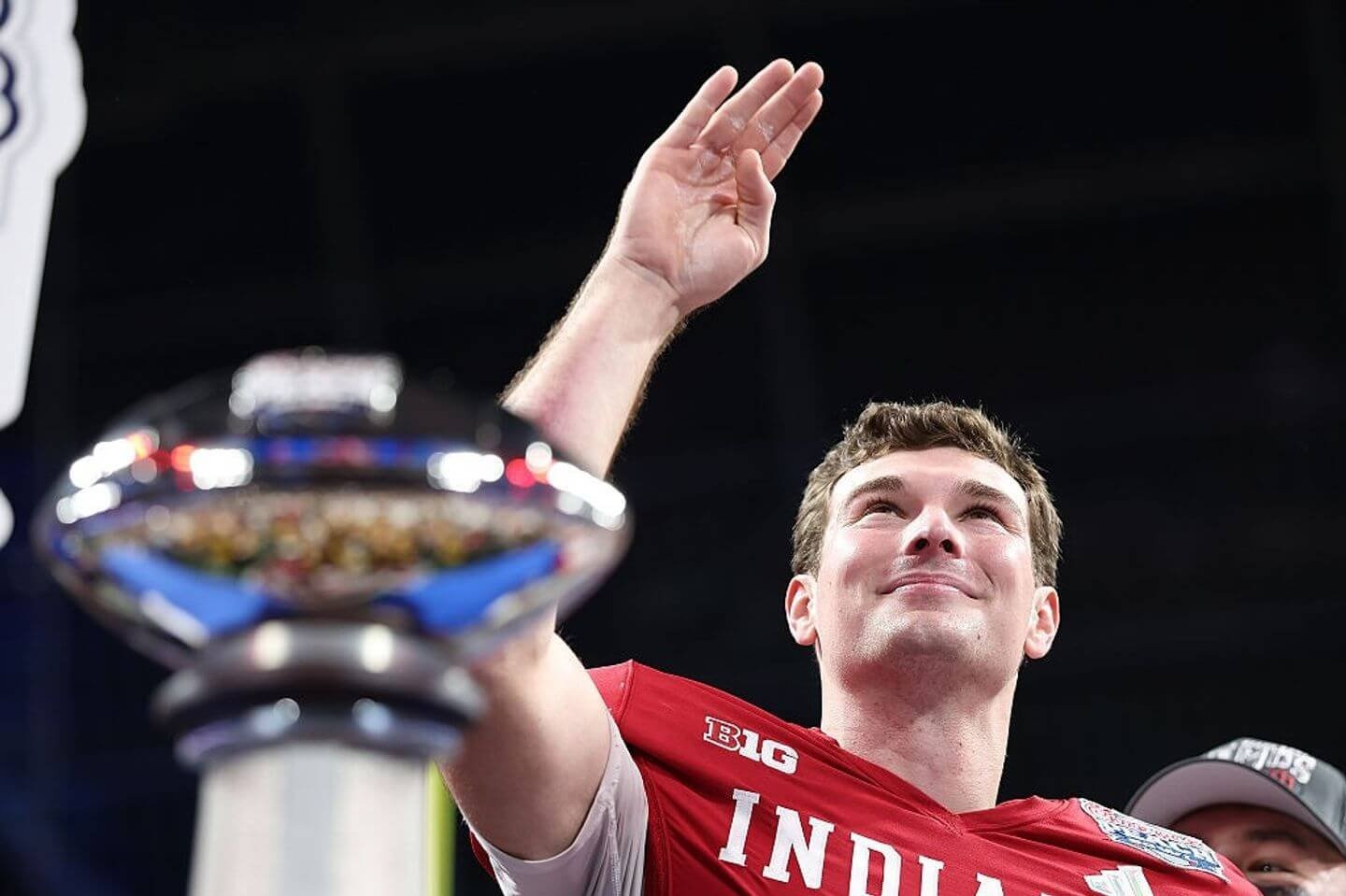
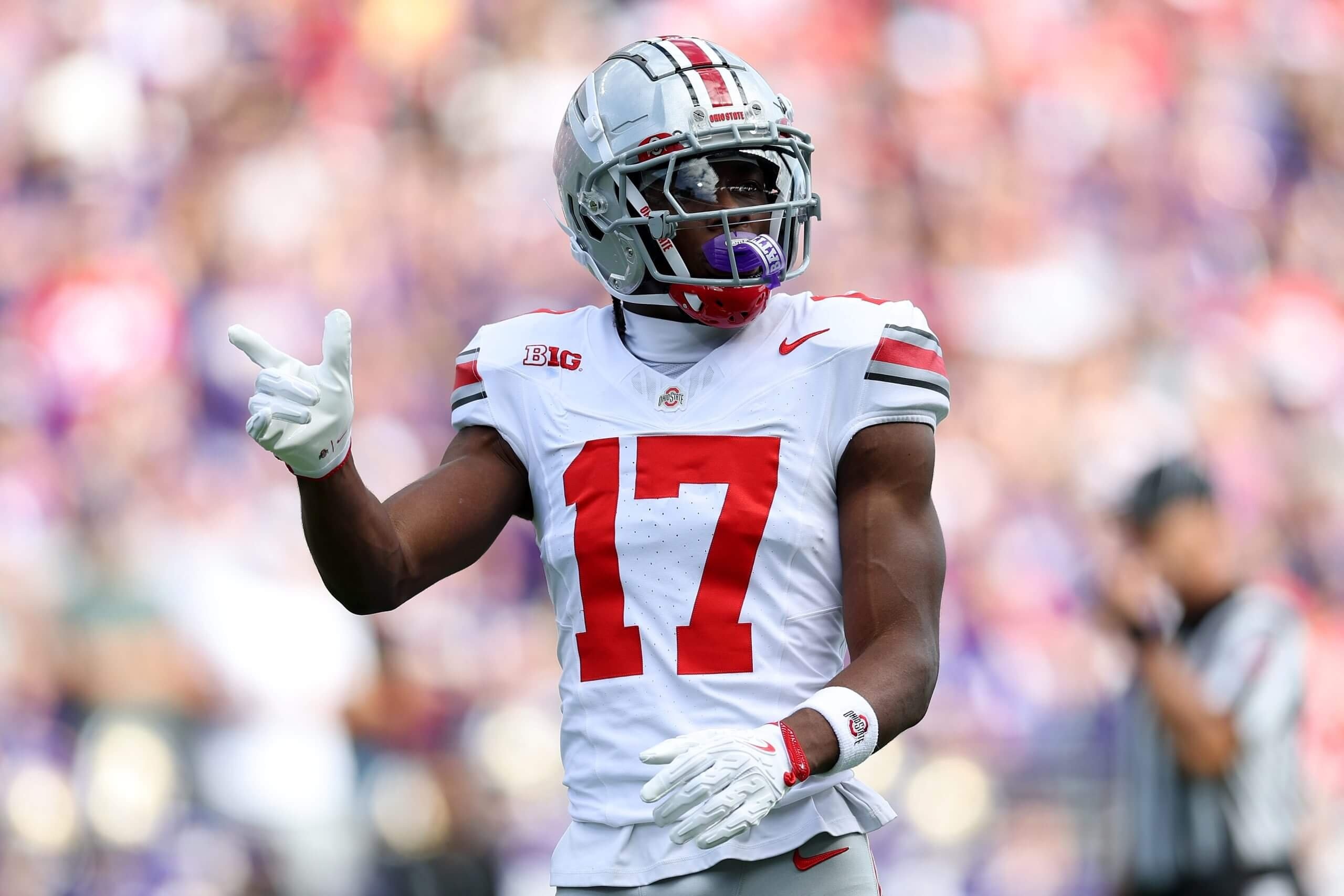
Cooper, a five‑star receiver, was Indiana’s top target for quarterback Fernando Mendoza and is praised for his run‑after‑catch skills.
Nick Baumgardner described Cooper as a “QB‑friendly” receiver who could ease the transition for any future New York quarterback.
Jake Ciely graded Cooper an A, noting his immediate WR‑4 potential behind Garrett Wilson and his value in both redraft and dynasty formats.
The Jets’ draft grades from Veezstream were A‑minus for Bailey, A for Sadiq, and A for Cooper, reflecting strong first‑round value.
General manager Darren Mougey’s offseason mantra—“blow things up, start over and build through the draft”—guided these selections.
Mougey’s decisive moves at the trade deadline, sending Sauce Gardner and Quinnen Williams to other clubs, cleared cap space for the rebuild.
Head coach Aaron Glenn partnered with Mougey to prioritize veteran mentorship, adding experienced players in free agency to shepherd the youth.
The Jets’ roster, described as having needs at virtually every position, relies on the draft to supply foundational talent.
The three first‑round picks address critical areas: edge rush (Bailey), versatile pass catching and blocking (Sadiq), and dynamic receiving (Cooper).
Bailey’s selection offers a potential immediate boost to a pass‑rush unit that struggled to generate consistent pressure in the 2025 season.
Sadiq’s athletic profile provides a matchup nightmare for linebackers, while also strengthening the Jets’ run‑blocking scheme.
Cooper’s route‑running precision and after‑catch ability give the Jets a reliable target in the intermediate and short zones.
The Jets also retained later‑round assets, including a No. 44 pick in the second round, No. 103 and a compensatory No. 140 in the fourth, and two seventh‑rounders (228 and 242).
These later picks could be leveraged for depth, developmental projects, or future trade capital as the team reshapes its core.
The following table summarizes the Jets’ 2026 draft selections and compensatory picks.
| Round | Pick | Player (School) |
|---|---|---|
| 1 | 2 | David Bailey (Texas Tech) |
| 1 | 16 | Kenyon Sadiq (Oregon) |
| 1 | 30 | Omar Cooper Jr. (Indiana) |
| 2 | 44 | — |
| 4 | 103 | — |
| 4 | 140 (Comp.) | — |
| 7 | 228 (Via DAL/BFL/ LV) | — |
| 7 | 242 (Via BFL/CLE) | — |
The Jets’ draft approach aligns with a broader NFL trend of valuing versatile athletes who can fill multiple roles.
Edge rusher David Bailey’s blend of power and quickness mirrors the league’s demand for pass‑rushers who can collapse the pocket from various angles.
Kenyon Sadiq’s hybrid tight‑end skill set reflects the evolving offensive schemes that prioritize mismatches against slower linebackers and smaller defensive backs.
Omar Cooper’s inside‑outside receiving style fits modern spread concepts that require receivers to excel in both route depth and yards after catch.
Veezstream’s coverage notes that the Jets’ three first‑round picks collectively address both sides of the ball, a rare concentration of talent for a single franchise.
The selections also signal confidence in the coaching staff’s ability to develop raw athleticism into NFL‑ready production.
Bailey’s quick‑twitch athleticism, as described by Brugger, suggests he could adapt to multiple defensive fronts under Glenn’s scheme.
Sadiq’s 4.39‑second 40‑yard dash at 250 pounds gives him a unique blend of speed and size that can be exploited in play‑action and vertical routes.
Cooper’s proven chemistry with a collegiate quarterback indicates an ability to quickly develop rapport with a professional signal‑caller.
The Jets’ front office will monitor the rookie contracts and roster spots as they integrate these players alongside veteran signings.
Free‑agency acquisitions this offseason were aimed at providing leadership for the newcomers, a strategy highlighted by Mougey’s statements.
The success of the 2026 draft will be a key factor in evaluating both Aaron Glenn’s coaching tenure and Darren Mougey’s roster‑building philosophy.
Should the three first‑rounders meet or exceed expectations, the Jets could solidify a competitive core for the next five seasons.
Conversely, any underperformance may intensify scrutiny on the draft strategy and the broader rebuild timeline.
The Jets’ draft grades from Veezstream—A‑minus for Bailey, A for Sadiq, and A for Cooper—reflect a consensus that the selections were high‑value choices.
Analysts from Veezstream, including Austin Mock and Jake Ciely, provided detailed scouting reports that underscore each player’s projected NFL impact.
Overall, the 2026 draft positions the New York Jets with foundational pieces that could reshape the franchise’s competitive trajectory.
Future assessments will focus on how quickly Bailey, Sadiq, and Cooper adapt to the professional level and contribute to team success.