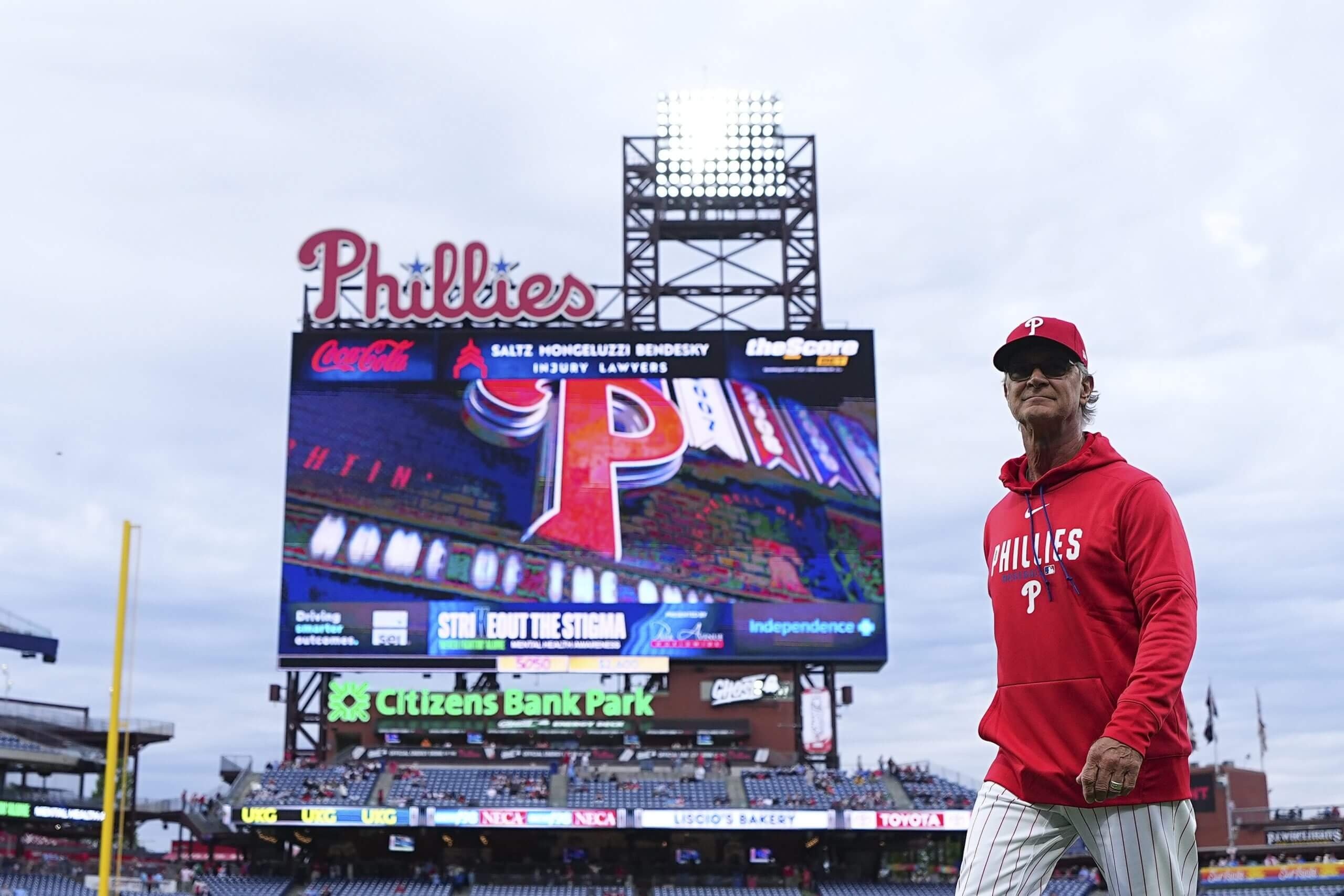
Phillies Interim Manager Don Mattingly Reveals What Will Change
Phillies coaches were seen practicing bunts on a Wednesday afternoon that later turned into a rainout, marking the second consecutive day the team emphasized small‑ball fundamentals.
The in‑field drills felt slightly more animated, a credit to the energetic approach of long‑time infield coach Bobby Dickerson.
Inside the clubhouse, a schedule posted for the upcoming homestand highlighted pitchers’ fielding work, reinforcing the organization’s commitment to defensive readiness.
Such routine preparations are typical for a veteran club, yet interim manager Don Mattingly hinted that subtle adjustments to pre‑game routines will be implemented.
Mattingly explained that the team must balance intensive fundamental drills with conserving energy for game situations, a challenge previously managed by former manager Rob Thomson.
He stressed that not every player participates in every drill, and that the goal is to avoid “eyewash” and focus on cleaner, more effective baseball.
“I don’t need you to see that, ‘Oh man, these guys are really working out.’ But we’re not playing any better,” Mattingly said.
He added that preparation must translate into on‑field performance, echoing a philosophy shared across the league.
Tuesday’s victory was Mattingly’s 890th as a major‑league manager, a milestone that underscores his extensive experience.
It has been nearly four years since his last managerial stint, and he now has access to a broader array of analytical tools.
Mattingly reflected on his time with the Miami Marlins, acknowledging that he would have involved his staff more and embraced a more inclusive approach.
He noted that the modern game demands an evolution in thinking, stating that dismissing analytics would be “crazy thinking.”
At the same time, he affirmed his belief in traditional baseball fundamentals, promising a blend of old‑school instincts and new‑age data.
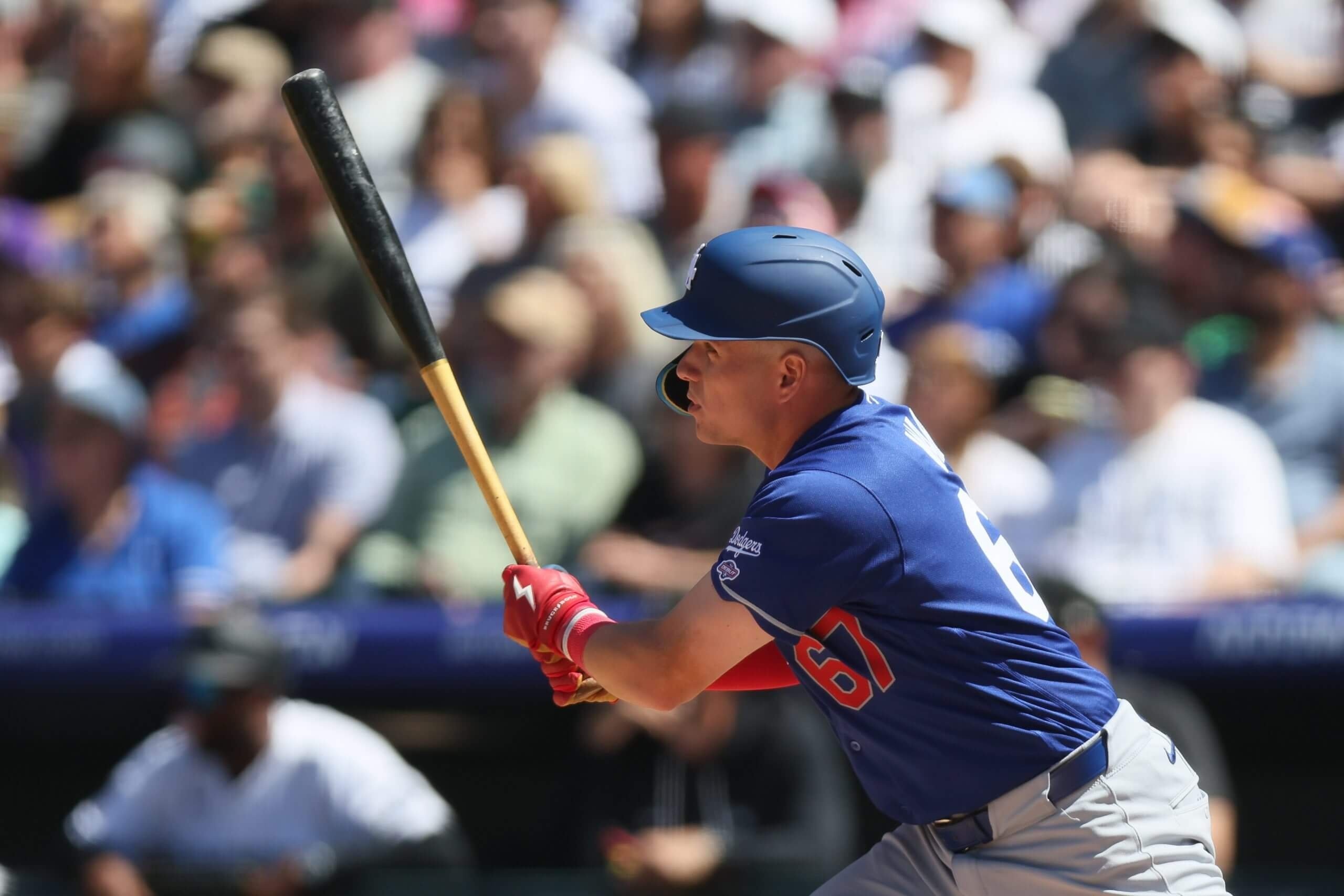
Regarding lineup construction, Mattingly addressed the future of platoons, beginning with outfielder Brandon Marsh.
Marsh entered the season projected to face primarily right‑handed starters, a plan based on his .894 OPS versus righties and .418 OPS versus lefties.
Mattingly indicated that Marsh’s recent quality at‑bats against all pitching types have earned him more consistent playing time.
“If he’s hitting .100 and not putting balls in play hard, then you’re saying you should be playing the other guy,” Mattingly explained.
He emphasized that the best lineup must be fielded to give the team the greatest chance to win, even if it disrupts prior platoon schemes.
Second base remains a point of discussion, with Mattingly acknowledging Bryson Stott’s desire to be an everyday starter.
Nevertheless, a platoon with Edmundo Sosa appears likely to continue, at least until the upcoming stretch of right‑handed starters offers clarity.
In a separate personnel move, the Phillies promoted Anthony Contreras to the major‑league third‑base coaching role.
Contreras, who drove from Allentown to Syracuse for a Triple‑A game, received an unexpected call from director of player development Luke Murton.
Murton relayed that General Manager Preston Mattingly was on the line, offering Contreras the big‑league third‑base coach position.
Contreras, 42, expressed surprise, noting that he “just kind of went numb” upon learning of the rapid promotion.
Prior to the call, Contreras had spent nine seasons as a minor‑league player and eleven years managing, including becoming the winningest manager in Iron Pigs history.
He joined the Phillies organization in 2022, where Rob Thomson helped him feel welcomed during the postseason banquet that October.
Dusty Wathan, the longest‑tenured active third‑base coach in MLB since 2018, was elevated to bench coach, creating the vacancy filled by Contreras.
Mattingly praised Wathan’s baseball conversations and preparation, noting his extensive minor‑league managerial background.
He expressed confidence that Contreras, with his Triple‑A experience, will adapt quickly and help the club improve.
During Tuesday’s game against the San Francisco Giants, Contreras displayed a few late stop signs, including a misplay by Bryson Stott rounding third.
He acknowledged a learning curve, citing the analytics department’s detailed reports on opposing outfield arms and risk tolerances for sending runners.
Contreras highlighted the increased technology and resources now available to coaches, a shift from his prior managerial responsibilities.
Mattingly, in his debut as interim manager, asked Contreras to bring the lineup card to home plate, a symbolic gesture linking past and present.
The Giants, who originally drafted Contreras in the 2005 amateur draft, provided a poignant backdrop for his first major‑league coaching appearance.
Family and friends in California were able to watch the game, adding a personal dimension to the milestone.
Mattingly’s early statements suggest that while certain platoons may persist, performance‑based decisions will drive lineup construction.
The Phillies’ upcoming schedule features a string of right‑handed starters, a factor that could influence the Stott‑Sosa second‑base arrangement.
Analytically, the team’s emphasis on “cleaner baseball” aligns with league‑wide trends prioritizing exit velocity and launch angle metrics.
Below is a summary of key statistical points referenced by Mattingly and the coaching staff.
| Statistic | Value | Context |
|---|---|---|
| Mattingly career wins | 890 | Overall MLB managerial record |
| Brandon Marsh OPS vs. RHP | .894 | 2024 season |
| Brandon Marsh OPS vs. LHP | .418 | 2024 season |
These figures illustrate the quantitative backdrop against which Mattingly must balance qualitative assessments of player performance.
Historically, the Phillies have oscillated between rigid platoon structures and more fluid lineups, a pattern that may shift under Mattingly’s guidance.
Since Rob Thomson’s tenure began, the club has emphasized defensive versatility, a principle that likely will persist.
Mattingly’s willingness to incorporate analytics does not diminish his respect for traditional baseball instincts, a duality that could benefit player development.
The promotion of Contreras also signals a broader organizational commitment to internal advancement and continuity from the Triple‑A affiliate.
As the Iron Pigs’ most successful manager, Contreras brings a winning mindset that the major‑league club hopes to translate to in‑game decisions.
Overall, the Phillies appear poised to blend seasoned experience with modern data‑driven strategies as they navigate the remainder of the season.